

A 3 week old puppy should not eat regular dog food yet. At this age, they’re still heavily reliant on mother’s milk or a high-quality milk replacer. While they may start showing interest in solid foods, their digestive system isn’t ready for full kibble or wet food until around 4–6 weeks.
Key Takeaways
- 3 week old puppies are not ready for solid dog food: Their digestive systems are still developing, and they need easily digestible nutrition from milk or formula.
- Weaning begins around 3–4 weeks: Puppies may start nibbling on softened food, but this is exploratory—not a full meal replacement.
- Use a milk replacer if mother’s milk isn’t available: Never give cow’s milk—it can cause diarrhea and dehydration in puppies.
- Introduce softened puppy food gradually: Mix high-quality puppy kibble with warm water or formula to create a gruel-like consistency.
- Monitor for signs of digestive upset: Diarrhea, vomiting, or lethargy after eating solid food means you may be introducing it too soon.
- Always consult a veterinarian: Every puppy is different, and professional guidance ensures proper nutrition and health.
- Hydration and warmth are just as important: Puppies this young can’t regulate body temperature well and need constant access to warmth and fluids.
📑 Table of Contents
Can a 3 Week Old Puppy Eat Dog Food?
If you’ve just welcomed a 3 week old puppy into your life—or you’re caring for a litter—you might be wondering when it’s safe to start feeding them dog food. It’s a common and completely understandable question. After all, puppies grow fast, and it feels like just yesterday they were tiny, blind, and helpless. Now, they’re starting to wobble around, open their eyes, and even make little grunting sounds. You might notice them sniffing around their mother’s food bowl or trying to nibble on kibble. But does that mean they’re ready to eat dog food?
The short answer is: not quite yet. While 3 weeks is a critical milestone in a puppy’s development, their bodies are still too immature to handle regular dog food. At this stage, they’re in the early weaning phase, which means they’re beginning to transition from mother’s milk to solid foods—but that transition is gradual and requires careful attention. Feeding the wrong food too early can lead to digestive problems, malnutrition, or even life-threatening complications.
In this guide, we’ll walk you through everything you need to know about feeding a 3 week old puppy. We’ll cover what they should be eating, how to safely introduce solid foods, what to avoid, and how to tell if your puppy is ready for the next step. Whether you’re a new pet parent, a foster caregiver, or just curious about puppy development, this article will give you the practical, science-backed advice you need to keep your little one healthy and thriving.
Understanding the 3 Week Old Puppy’s Development
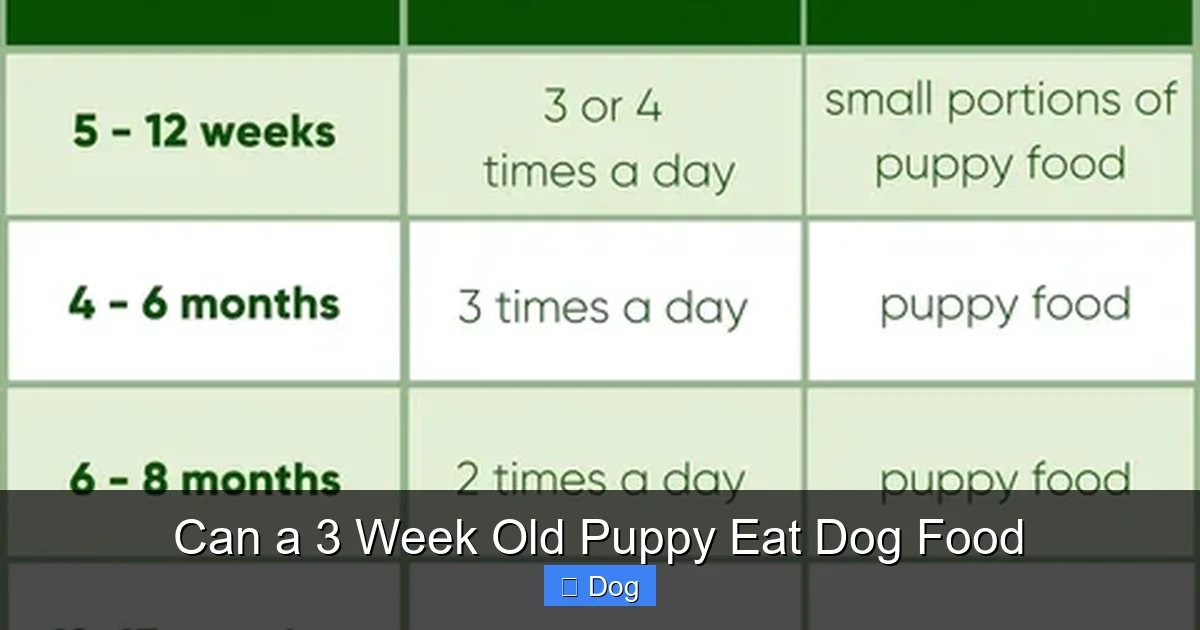
Visual guide about Can a 3 Week Old Puppy Eat Dog Food
Image source: cdn.shopify.com
To understand whether a 3 week old puppy can eat dog food, it helps to know what’s happening inside their tiny body at this age. Puppies are born completely dependent on their mother—both for nutrition and warmth. In the first two weeks of life, they spend most of their time sleeping and nursing. Their eyes and ears are closed, and they can’t regulate their body temperature. But by week three, big changes start to happen.
Physical and Sensory Milestones
By the third week, most puppies have opened their eyes and are beginning to hear. Their sense of smell is also developing rapidly, which is why you might see them sniffing around their environment more. They’re starting to crawl, wag their tails, and even play with their littermates. These milestones are important because they signal that the puppy is becoming more aware of the world—and that includes food.
You might notice your puppy sniffing at their mother’s food bowl or trying to lick kibble. This is normal curiosity, not a sign that they’re ready to eat solid food. At this stage, their teeth are just beginning to come in (usually starting around 3–4 weeks), and their jaws aren’t strong enough to chew hard kibble. More importantly, their digestive system is still very delicate.
Digestive System Readiness
A puppy’s digestive system at 3 weeks old is designed for one thing: processing milk. Mother’s milk—or a high-quality milk replacer—is perfectly balanced with the right mix of fats, proteins, and antibodies to support rapid growth and immune development. Solid food, even high-quality puppy kibble, is much harder to digest. The enzymes needed to break down complex proteins and carbohydrates aren’t fully active yet.
Introducing solid food too early can overwhelm their system, leading to diarrhea, vomiting, gas, or bloating. In severe cases, it can cause dehydration or malnutrition—especially if the puppy stops nursing in favor of eating something their body can’t process properly.
The Role of Mother’s Milk
Even as puppies start to explore solid foods, mother’s milk remains the primary source of nutrition through the first 4–6 weeks. It provides essential antibodies that protect puppies from infections during this vulnerable time. If the mother is present and nursing well, she should be the main source of food. Puppies who are separated from their mother or whose mother isn’t producing enough milk will need a milk replacer, but even then, solid food should be introduced slowly and carefully.
In short, while 3 weeks is the beginning of the weaning process, it’s not the time to switch to dog food. Think of it as the “tasting” phase—more about exploration than nutrition.
What Should a 3 Week Old Puppy Be Eating?
Now that we’ve established that regular dog food isn’t appropriate yet, let’s talk about what a 3 week old puppy should actually be eating. The goal at this stage is to support growth, maintain hydration, and gently introduce the idea of solid food—without overwhelming their system.
Mother’s Milk or Milk Replacer
The cornerstone of a 3 week old puppy’s diet is milk. If the mother is present and nursing, she should be feeding the puppies every 2–3 hours, including through the night. Puppies at this age can’t go long without food—their tiny bodies burn energy quickly, and they need constant nourishment to grow.
If the mother isn’t available—due to illness, rejection, or early separation—you’ll need to use a commercial puppy milk replacer. Never use cow’s milk, goat’s milk, or plant-based alternatives like almond or soy milk. These can cause severe digestive upset because they lack the right balance of nutrients and are difficult for puppies to digest. Cow’s milk, in particular, is too high in lactose and can lead to diarrhea, dehydration, and even failure to thrive.
Look for a milk replacer specifically formulated for puppies, such as Esbilac or Petlac. These products are designed to mimic the composition of dog milk and provide the right mix of fat, protein, and calories. Follow the mixing instructions carefully—too concentrated can cause constipation, too diluted can lead to malnutrition.
Feeding Schedule and Technique
Puppies under 4 weeks old should be fed every 3–4 hours, including overnight. As they approach 4 weeks, you can gradually extend the intervals. Use a small bottle with a puppy nipple or a syringe (without the needle) to feed them. Always keep the puppy in an upright position, similar to how they would nurse from their mother, to prevent milk from entering the lungs.
After each feeding, gently stimulate the puppy’s genital area with a warm, damp cloth to encourage urination and defecation—just as the mother would do by licking them. This is crucial for their health and comfort.
Introducing Softened Food (The Weaning Process)
Around 3–4 weeks, you can begin the weaning process by offering small amounts of softened puppy food. This doesn’t mean replacing milk—it’s about introducing the concept of solid food. The goal is to let them explore and get used to the taste and texture, not to meet their nutritional needs.
To prepare the food, choose a high-quality puppy kibble that’s specifically formulated for growth (look for labels that say “complete and balanced for growth” or “for puppies”). Avoid adult dog food, as it doesn’t have the right nutrient balance for developing puppies.
Soak the kibble in warm water or milk replacer until it becomes soft and mushy—like oatmeal. You can also use a blender to create a smooth gruel. Offer this mixture on a shallow plate or in a small dish. Let the puppy sniff and lick it at their own pace. Don’t force them to eat—some puppies take to it quickly, while others may ignore it for days.
How Much to Feed
At 3 weeks, the amount of solid food should be minimal—just a few teaspoons per day, divided into small sessions. The majority of their nutrition should still come from milk. As they grow and show more interest in solid food, you can gradually increase the amount and reduce the frequency of milk feedings.
A good rule of thumb: if the puppy is still nursing well and gaining weight, they’re getting enough nutrition. Weigh them daily to monitor growth—puppies should gain about 5–10% of their body weight each day.
Signs Your Puppy Is Ready for Solid Food
Not all puppies develop at the same pace, so it’s important to watch for signs that your 3 week old puppy is ready to start eating solid food. These cues will help you determine whether it’s time to begin weaning or if you should wait a little longer.
Interest in Food
One of the clearest signs is curiosity. If your puppy is sniffing around their mother’s food bowl, trying to lick kibble, or following her when she eats, they’re showing interest in solid food. This is a natural part of the weaning process and indicates that their senses are developing.
Teething and Chewing Behavior
Around 3–4 weeks, puppies start to get their baby teeth. You might notice them chewing on toys, blankets, or even their littermates. This teething behavior is a sign that their jaws are developing and they’re ready to start processing solid textures.
Increased Activity and Appetite
As puppies grow, their energy needs increase. If your puppy seems hungrier than usual—nursing more frequently or seeming unsatisfied after feeding—it may be a sign that milk alone isn’t enough. This doesn’t mean they’re ready for full meals, but it’s a good time to start introducing softened food.
Weight Gain and Development
Healthy puppies gain weight steadily. If your puppy is growing well, active, and alert, they’re likely ready to start weaning. On the other hand, if they’re lethargic, not gaining weight, or showing signs of illness, delay introducing solid food and consult a veterinarian.
Ability to Lap Liquids
Puppies need to be able to lap liquids before they can eat softened food. If they’re still struggling to drink from a bottle or syringe, they may not be ready to handle gruel. Practice with small amounts of water or diluted milk replacer to see if they can lap it up.
Remember, these signs are guidelines—not rules. Every puppy is different. Some may be ready at 3 weeks, while others need to wait until 4 or even 5 weeks. When in doubt, slow down and let the puppy lead the way.
How to Safely Introduce Dog Food to a 3 Week Old Puppy
Once you’ve determined that your puppy is ready to start weaning, it’s important to do it safely and gradually. Rushing the process can lead to digestive issues, refusal to eat, or nutritional imbalances.
Choose the Right Puppy Food
Not all dog foods are created equal—especially when it comes to puppies. Look for a high-quality puppy food that meets the standards set by the Association of American Feed Control Officials (AAFCO). The label should say it’s “complete and balanced for growth” or “for all life stages.”
Avoid foods with fillers like corn, soy, or by-products. These offer little nutritional value and can be hard for puppies to digest. Instead, choose formulas with real meat as the first ingredient, such as chicken, lamb, or fish. Grain-free options are fine, but not necessary unless recommended by a vet.
Soak the Kibble Properly
Hard kibble is too tough for a 3 week old puppy to chew or digest. Always soak it in warm water or milk replacer until it’s soft and mashable. The consistency should be similar to yogurt or applesauce. You can also blend it into a smooth puree if your puppy has trouble lapping it up.
Let the mixture cool to room temperature before serving—never feed hot food, as it can burn their mouth.
Feed Small, Frequent Meals
Start with just a teaspoon or two of softened food, offered 2–3 times a day. Let the puppy explore it at their own pace. Some may eat eagerly; others may just lick it and walk away. That’s okay—this is about exposure, not consumption.
Gradually increase the amount over the next week or two, while continuing to offer milk or formula. By 4–5 weeks, many puppies are eating solid food 3–4 times a day and nursing less frequently.
Use a Shallow Dish
Puppies this young have short legs and may struggle to reach deep bowls. Use a flat plate or a shallow dish so they can easily access the food. You can also place a non-slip mat underneath to prevent slipping.
Monitor for Digestive Issues
After introducing solid food, watch for signs of digestive upset. Diarrhea, vomiting, bloating, or refusal to eat could mean the food is too rich, the transition is too fast, or the puppy isn’t ready yet. If symptoms persist for more than 24 hours, stop feeding solid food and consult your vet.
Keep the Area Clean
Puppies are messy eaters! Clean up any spilled food promptly to prevent bacteria growth and keep the area hygienic. Wash dishes with hot, soapy water after each use.
Common Mistakes to Avoid
Even with the best intentions, it’s easy to make mistakes when feeding a 3 week old puppy. Here are some common pitfalls to watch out for.
Feeding Adult Dog Food
Adult dog food doesn’t have the right balance of nutrients for growing puppies. It’s often lower in protein, fat, and calories—exactly what puppies need to thrive. Feeding adult food can lead to stunted growth, weak bones, and developmental issues.
Using Cow’s Milk or Homemade Formulas
As mentioned earlier, cow’s milk is a big no-no. It can cause severe diarrhea and dehydration. Homemade formulas, while well-intentioned, often lack the precise nutrient balance that puppies require. Stick to commercial milk replacers designed for puppies.
Introducing Food Too Early or Too Fast
Pushing solid food before the puppy is ready can cause stress and digestive problems. Let the puppy set the pace. If they’re not interested, don’t force it. Weaning is a gradual process that can take several weeks.
Overfeeding or Underfeeding
Too much food can overwhelm their system; too little can lead to malnutrition. Follow feeding guidelines based on weight and age, and monitor your puppy’s growth closely.
Ignoring Hydration
Even when eating solid food, puppies need plenty of fluids. Make sure they have access to fresh water at all times—especially as they transition away from milk.
When to Consult a Veterinarian
While most puppies wean successfully at home, there are times when professional help is needed. Contact your veterinarian if:
– The puppy is not gaining weight or is losing weight.
– They show signs of illness such as vomiting, diarrhea, lethargy, or difficulty breathing.
– The mother rejects the litter or is unable to nurse.
– You’re unsure about the weaning process or feeding schedule.
– The puppy refuses to eat or drink for more than 12 hours.
Your vet can provide guidance, check for underlying health issues, and recommend the best feeding plan for your puppy’s specific needs.
Conclusion
So, can a 3 week old puppy eat dog food? The answer is: not in the traditional sense. While they may start nibbling on softened kibble as part of the weaning process, their primary nutrition should still come from mother’s milk or a high-quality milk replacer. At this age, their bodies are still developing, and their digestive systems aren’t ready for full meals of solid food.
The key is to take it slow, observe your puppy’s cues, and prioritize their health and comfort. Introduce softened puppy food gradually, monitor for any signs of digestive upset, and always consult your veterinarian if you’re unsure. With patience and care, your puppy will make a smooth transition to solid food and grow into a healthy, happy dog.
Remember, every puppy is unique. What works for one may not work for another. Trust your instincts, stay informed, and enjoy this special time with your little one. The foundation you build now—through proper nutrition, warmth, and love—will set the stage for a lifetime of health and happiness.
Frequently Asked Questions
Can I feed my 3 week old puppy wet dog food?
Wet dog food is still too rich and difficult to digest for a 3 week old puppy. It’s best to wait until they’re at least 4–5 weeks old and have started weaning. Even then, choose a high-quality puppy-specific wet food and mix it with softened kibble or milk replacer.
How often should a 3 week old puppy eat?
A 3 week old puppy should eat every 3–4 hours, including overnight. This includes both milk feedings and small amounts of softened food if they’re starting to wean. As they grow, the frequency can gradually decrease.
What if the mother dog isn’t producing enough milk?
If the mother isn’t producing enough milk, supplement with a commercial puppy milk replacer. Feed every 2–3 hours and monitor the puppies’ weight daily. Consult a veterinarian for guidance on feeding amounts and techniques.
Can I use a blender to make puppy food?
Yes, you can use a blender to create a smooth gruel from soaked kibble and milk replacer. This can help puppies who have trouble lapping up thicker mixtures. Just make sure the texture is safe and easy to swallow.
Is it normal for a 3 week old puppy to not eat solid food?
Yes, it’s completely normal. Some puppies don’t show interest in solid food until 4 or 5 weeks. As long as they’re nursing well, gaining weight, and acting healthy, there’s no need to worry.
When can puppies drink water?
Puppies can start drinking small amounts of water around 3–4 weeks, especially as they begin weaning. Offer fresh water in a shallow dish, but don’t force them to drink—milk should still be their main source of hydration.