

Yes, a sudden change in dog food can cause bloody diarrhea due to digestive upset, food intolerance, or bacterial imbalance. Gradual transitions, high-quality ingredients, and monitoring your dog’s response are key to preventing this common issue.
Key Takeaways
- Sudden diet changes disrupt gut flora: Switching dog food too quickly can upset the balance of good bacteria in your dog’s digestive system, leading to inflammation and bloody diarrhea.
- Food intolerances may trigger symptoms: Some dogs are sensitive to specific ingredients like grains, proteins, or additives, which can cause gastrointestinal distress.
- Gradual transitions prevent digestive issues: Mixing old and new food over 7–10 days helps your dog’s system adapt and reduces the risk of diarrhea.
- Monitor for other symptoms: Bloody diarrhea accompanied by vomiting, lethargy, or loss of appetite may signal a more serious condition requiring veterinary care.
- Choose high-quality dog food: Opt for brands with natural ingredients, limited fillers, and clear labeling to support digestive health.
- Probiotics can aid recovery: Adding probiotic supplements or feeding probiotic-rich foods like plain yogurt may help restore gut balance.
- Consult your vet if symptoms persist: If bloody diarrhea lasts more than 24–48 hours or worsens, seek professional advice to rule out infections or diseases.
📑 Table of Contents
- Can a Change in Dog Food Cause Bloody Diarrhea?
- Why Do Dogs Get Diarrhea When Changing Food?
- How to Safely Transition Your Dog to New Food
- Recognizing Bloody Diarrhea: What to Look For
- Other Causes of Bloody Diarrhea in Dogs
- How to Treat and Prevent Bloody Diarrhea from Food Changes
- Choosing the Right Dog Food for Digestive Health
- When to See a Veterinarian
- Conclusion
Can a Change in Dog Food Cause Bloody Diarrhea?
If you’ve recently switched your dog’s food and noticed blood in their stool, you’re not alone. Many dog owners have faced this alarming situation, wondering what went wrong. The good news? In most cases, the cause is not life-threatening—but it’s still something you should take seriously.
Dogs have sensitive digestive systems, and their gut health depends heavily on consistency. When you suddenly change their diet, their body may react with gastrointestinal upset, including diarrhea, gas, vomiting, and in some cases, bloody stools. This happens because the new food introduces unfamiliar proteins, fats, or carbohydrates that their system isn’t used to processing.
But why does blood appear? Bloody diarrhea—medically known as hematochezia—occurs when there’s inflammation or minor bleeding in the lower digestive tract. This can result from irritation caused by rapid dietary changes, food intolerances, or an imbalance in gut bacteria. While it’s often temporary, it’s important to understand the underlying causes and how to manage them safely.
In this article, we’ll explore the connection between dog food changes and bloody diarrhea, explain how to transition foods properly, identify when to see a vet, and share practical tips to keep your dog’s digestive system happy and healthy.
Why Do Dogs Get Diarrhea When Changing Food?
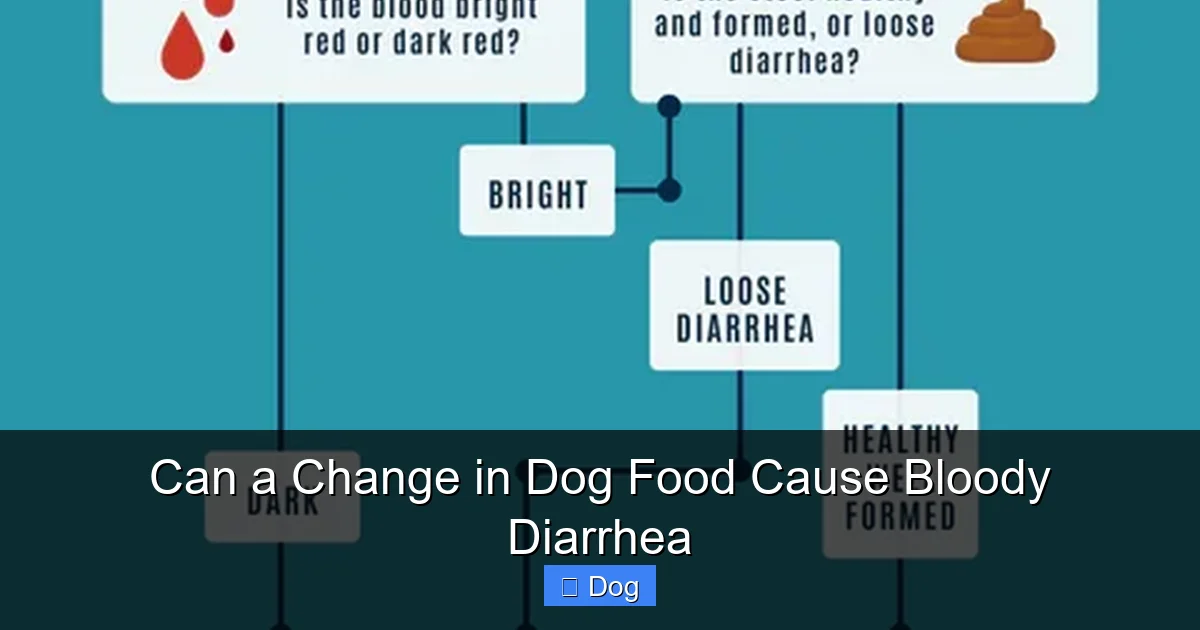
Visual guide about Can a Change in Dog Food Cause Bloody Diarrhea
Image source: cdn.shopify.com
Dogs are creatures of habit, and their digestive systems thrive on routine. When you introduce a new dog food too quickly, their gut microbiome—the community of beneficial bacteria that helps digest food—gets thrown off balance. This disruption can lead to diarrhea, and in some cases, blood in the stool.
The Role of Gut Microbiome
Your dog’s gut is home to trillions of microorganisms that work together to break down food, absorb nutrients, and support immune function. These good bacteria are finely tuned to the specific ingredients in your dog’s regular diet. When you switch foods abruptly, the new ingredients may not be compatible with the existing gut flora. This mismatch can cause inflammation, gas, bloating, and diarrhea.
For example, if your dog has been eating a chicken-and-rice formula and you suddenly switch to a high-protein, grain-free diet with lamb and sweet potato, their system may struggle to adapt. The sudden increase in fat or protein can overwhelm the digestive enzymes, leading to loose stools. In sensitive dogs, this can escalate to bloody diarrhea as the intestinal lining becomes irritated.
Food Intolerances and Allergies
Not all dogs tolerate every ingredient equally. Some may develop food intolerances or mild allergies to components in the new food, such as beef, dairy, wheat, soy, or artificial preservatives. Unlike true food allergies, which involve the immune system and can cause skin issues or chronic ear infections, food intolerances primarily affect the digestive tract.
Symptoms of food intolerance often include gas, bloating, diarrhea, and sometimes blood in the stool. The blood usually appears bright red, indicating it’s coming from the lower intestines or colon. This is different from dark, tarry stools (melena), which suggest upper gastrointestinal bleeding and require immediate veterinary attention.
For instance, a dog that’s sensitive to chicken might develop diarrhea within hours of eating a new food that lists chicken meal as the first ingredient. Even if the food is labeled “hypoallergenic,” it may still contain traces of problematic proteins.
Sudden Increase in Fat or Fiber
Another common cause of digestive upset is a sudden change in fat or fiber content. High-fat foods can be difficult for some dogs to digest, especially if they’re not used to them. This can lead to pancreatitis—a serious inflammation of the pancreas—but even mild cases can cause diarrhea with mucus or blood.
Similarly, a sharp increase in fiber, such as switching from a low-fiber kibble to one with added pumpkin, beet pulp, or peas, can speed up digestion too much. The intestines don’t have enough time to absorb water, resulting in loose, watery stools. In some cases, the rapid movement of stool through the colon can cause minor abrasions, leading to streaks of blood.
How to Safely Transition Your Dog to New Food
The best way to avoid digestive issues—including bloody diarrhea—is to transition your dog to new food gradually. A slow, methodical switch gives their gut time to adjust and reduces the risk of upset.
The 7- to 10-Day Transition Plan
Most veterinarians and pet nutritionists recommend a 7- to 10-day transition period. Here’s a simple step-by-step guide:
– **Days 1–2:** Mix 25% new food with 75% old food.
– **Days 3–4:** Use 50% new food and 50% old food.
– **Days 5–6:** Increase to 75% new food and 25% old food.
– **Days 7–10:** Feed 100% new food.
This gradual approach allows your dog’s digestive enzymes and gut bacteria to adapt. If your dog shows signs of upset—such as soft stools, gas, or mild diarrhea—slow down the process. You can extend the transition to 14 days or even longer for sensitive dogs.
Tips for a Smoother Transition
– **Stick to one change at a time:** Avoid switching food and treats or adding supplements at the same time. This makes it easier to identify what’s causing a reaction.
– **Choose a similar formula:** If possible, select a new food with similar protein and fat levels to the old one. For example, if your dog was on a chicken-based diet, look for another chicken-based formula rather than switching to fish or beef.
– **Warm the food slightly:** Adding a little warm water or low-sodium broth can make the new food more appealing and easier to digest.
– **Monitor your dog closely:** Keep an eye on stool consistency, appetite, energy levels, and behavior. A healthy transition should result in firm, well-formed stools within a few days.
When to Speed Up or Slow Down
Some dogs adapt quickly and may tolerate a faster transition. If your dog shows no signs of digestive upset by day 3, you can move to the next phase early. However, if they develop diarrhea, vomiting, or lethargy, pause the transition and go back to the previous ratio for a few days.
For senior dogs, puppies, or those with known sensitivities, a slower transition—up to 2–3 weeks—is often safer. These dogs have more delicate digestive systems and may need extra time to adjust.
Recognizing Bloody Diarrhea: What to Look For
Not all diarrhea is the same, and the presence of blood can indicate different levels of severity. Knowing what to look for can help you respond appropriately.
Types of Blood in Stool
– **Bright red blood (hematochezia):** This is the most common type seen with dietary changes. It appears as streaks or clots in otherwise loose stool and usually comes from the lower intestines or colon. It’s often caused by inflammation, irritation, or minor tears from straining.
– **Dark, tarry stool (melena):** This indicates digested blood from the upper gastrointestinal tract, such as the stomach or small intestine. Melena is more serious and may signal ulcers, bleeding disorders, or ingestion of toxic substances. It requires immediate veterinary attention.
Accompanying Symptoms to Watch For
Bloody diarrhea alone may not be an emergency, but certain symptoms suggest a more serious issue:
– Vomiting (especially if frequent or containing blood)
– Lethargy or weakness
– Loss of appetite
– Abdominal pain (whining, restlessness, or a hunched posture)
– Fever (a warm nose or ears, shivering)
– Dehydration (dry gums, sunken eyes, reduced skin elasticity)
If your dog shows any of these signs, contact your veterinarian right away.
When to Wait and When to Worry
In many cases, mild bloody diarrhea caused by a food change will resolve within 24–48 hours with supportive care. You can try feeding a bland diet (boiled chicken and rice) for a day or two and ensure your dog stays hydrated.
However, if the diarrhea persists beyond two days, worsens, or is accompanied by other symptoms, it’s time to see a vet. Prolonged diarrhea can lead to dehydration and nutrient loss, and the underlying cause may not be dietary at all.
Other Causes of Bloody Diarrhea in Dogs
While diet changes are a common trigger, bloody diarrhea can also result from other health issues. It’s important to rule out these possibilities, especially if the problem doesn’t improve with dietary management.
Infections and Parasites
Bacterial infections like Salmonella, E. coli, or Campylobacter can cause severe diarrhea with blood and mucus. These are often contracted through contaminated food, water, or feces.
Parasites such as Giardia, Coccidia, or hookworms are also common culprits, especially in puppies or dogs that spend time outdoors. These parasites irritate the intestinal lining and can lead to chronic diarrhea and weight loss.
A fecal exam by your vet can detect these infections and guide appropriate treatment, which may include antibiotics or antiparasitic medications.
Inflammatory Bowel Disease (IBD)
IBD is a chronic condition where the dog’s immune system attacks the lining of the digestive tract, causing inflammation, diarrhea, and sometimes blood in the stool. It’s more common in certain breeds like German Shepherds, Boxers, and Shar-Peis.
Symptoms often develop gradually and may include intermittent diarrhea, vomiting, and weight loss. Diagnosis usually involves blood tests, imaging, and sometimes a biopsy. Treatment typically includes special diets, anti-inflammatory drugs, and immunosuppressants.
Toxin Ingestion or Foreign Bodies
Dogs are curious and may eat things they shouldn’t—like chocolate, grapes, cleaning products, or small toys. These can cause gastrointestinal irritation, blockages, or internal bleeding, leading to bloody diarrhea.
If you suspect your dog has ingested something toxic or swallowed a foreign object, seek emergency care immediately. Symptoms may include vomiting, abdominal pain, and bloody stools.
Stress and Anxiety
Believe it or not, stress can also affect your dog’s digestion. Changes in routine, travel, boarding, or loud noises (like fireworks) can trigger stress-induced diarrhea, sometimes with blood.
This type of diarrhea is usually short-lived and resolves once the stressor is removed. However, chronic stress can lead to more serious digestive issues over time.
How to Treat and Prevent Bloody Diarrhea from Food Changes
If your dog develops bloody diarrhea after a food change, there are steps you can take at home—and when to call the vet.
Immediate Home Care
1. **Withhold food for 12–24 hours:** This gives the digestive system a chance to rest. Make sure your dog has access to fresh water to prevent dehydration.
2. **Reintroduce a bland diet:** After fasting, feed small, frequent meals of boiled, skinless chicken and plain white rice. You can also use plain pumpkin (not pie filling) to help firm up stools.
3. **Hydration is key:** Offer water regularly. You can also use an electrolyte solution made for dogs or Pedialyte (in moderation) to replace lost fluids.
4. **Avoid treats and table scraps:** Stick to the bland diet until stools return to normal.
When to Use Probiotics
Probiotics can help restore the balance of good bacteria in your dog’s gut. Look for a high-quality canine probiotic with strains like Lactobacillus and Bifidobacterium. Some dog foods also include probiotics, but supplements may be more effective during recovery.
You can also offer plain, unsweetened yogurt with live cultures—just make sure it doesn’t contain xylitol, which is toxic to dogs.
Prevention Tips for the Future
– Always transition food gradually.
– Choose high-quality brands with transparent ingredient lists.
– Avoid frequent food switches unless medically necessary.
– Keep a food diary to track what your dog eats and any reactions.
– Consult your vet before making major dietary changes, especially for dogs with health conditions.
Choosing the Right Dog Food for Digestive Health
Not all dog foods are created equal. Selecting a high-quality diet can prevent digestive issues and support long-term health.
What to Look for on the Label
– **Named protein source first:** Look for “chicken,” “beef,” or “salmon” as the first ingredient—not “meat meal” or “by-products.”
– **Limited, recognizable ingredients:** Fewer ingredients often mean fewer potential allergens.
– **No artificial additives:** Avoid foods with artificial colors, flavors, or preservatives like BHA, BHT, or ethoxyquin.
– **Added fiber and prebiotics:** Ingredients like beet pulp, chicory root, or pumpkin support healthy digestion.
Special Diets for Sensitive Stomachs
Some dogs benefit from specialized formulas:
– **Limited ingredient diets:** These contain one protein and one carbohydrate source, making them ideal for dogs with food sensitivities.
– **Hydrolyzed protein diets:** The proteins are broken down into tiny pieces, reducing the chance of an immune reaction. Often prescribed for dogs with allergies.
– **Grain-free options:** Only necessary if your dog has a diagnosed grain allergy—most dogs tolerate grains just fine.
Always consult your vet before switching to a therapeutic or prescription diet.
When to See a Veterinarian
While many cases of bloody diarrhea resolve with home care, some require professional attention.
Seek veterinary care if:
– Bloody diarrhea lasts more than 48 hours
– Your dog is vomiting frequently
– There are signs of dehydration or lethargy
– The stool is black and tarry (melena)
– Your dog is a puppy, senior, or has a chronic illness
Your vet may perform a physical exam, fecal test, blood work, or imaging to determine the cause and recommend treatment.
Conclusion
Yes, a change in dog food can cause bloody diarrhea—especially if the switch is made too quickly. The good news is that this is usually temporary and manageable with proper care. By transitioning food gradually, choosing high-quality ingredients, and monitoring your dog’s response, you can protect their digestive health and avoid unnecessary stress.
Remember, every dog is different. What works for one may not work for another. Pay attention to your dog’s individual needs, and don’t hesitate to consult your veterinarian if you’re unsure. With the right approach, you can keep your furry friend happy, healthy, and free from digestive troubles.
Frequently Asked Questions
Can switching dog food too fast cause bloody diarrhea?
Yes, switching dog food too quickly can disrupt your dog’s gut bacteria and cause inflammation, leading to bloody diarrhea. A gradual transition over 7–10 days helps prevent this.
How long does it take for a dog to adjust to new food?
Most dogs adjust to new food within 3–5 days if the transition is done gradually. Sensitive dogs may need up to 2 weeks for their digestive system to fully adapt.
Is a little blood in dog stool always serious?
Not always. A small amount of bright red blood after a food change is often due to minor irritation and may resolve on its own. However, if it persists or is accompanied by other symptoms, see a vet.
What should I feed my dog if they have bloody diarrhea?
Start with a 12–24 hour fast, then feed a bland diet of boiled chicken and white rice. Offer plenty of water and consider a probiotic to support gut healing.
Can probiotics help with dog diarrhea?
Yes, probiotics can restore healthy gut bacteria and reduce diarrhea. Choose a canine-specific supplement or plain yogurt with live cultures (no xylitol).
When should I take my dog to the vet for diarrhea?
Take your dog to the vet if diarrhea lasts more than 48 hours, contains black/tarry stool, or is accompanied by vomiting, lethargy, or loss of appetite.