

Yes, a change in dog food can absolutely cause diarrhea. Dogs have sensitive digestive systems, and sudden shifts in ingredients, protein sources, or fiber content can disrupt gut balance. Understanding how to transition foods properly helps prevent stomach upset and keeps your pup healthy and happy.
Key Takeaways
- Sudden diet changes are a top cause of diarrhea in dogs: Switching food too quickly overwhelms the digestive system, leading to loose stools and discomfort.
- Gradual transitions over 7–10 days are essential: Mix increasing amounts of new food with old food to allow the gut microbiome to adapt.
- Ingredient sensitivity plays a big role: Dogs may react to new proteins, grains, or additives, especially if they have food intolerances.
- High-fat or rich foods can trigger digestive upset: Foods with excessive fat or unfamiliar ingredients may be too rich for some dogs.
- Diarrhea lasting more than 48 hours needs veterinary attention: Persistent symptoms could signal infection, parasites, or underlying health issues.
- Probiotics and bland diets can help recovery: Adding gut-friendly supplements or feeding boiled chicken and rice may soothe an upset stomach.
- Always consult your vet before major diet changes: Especially for puppies, seniors, or dogs with chronic conditions, professional guidance ensures safety.
📑 Table of Contents
Can a Change in Dog Food Cause Diarrhea?
If you’ve ever switched your dog’s food and noticed loose stools, vomiting, or a generally unhappy pup, you’re not alone. Many dog owners are surprised to learn that something as simple as changing kibble can lead to digestive chaos. But yes—**a change in dog food can definitely cause diarrhea**. In fact, it’s one of the most common reasons dogs experience gastrointestinal upset.
Dogs, like humans, have complex digestive systems that thrive on consistency. Their gut is home to trillions of bacteria—collectively known as the gut microbiome—that help break down food, absorb nutrients, and support immune function. When you suddenly introduce a new food, especially one with different proteins, fats, fibers, or preservatives, it can shock this delicate balance. The result? Diarrhea, gas, bloating, and sometimes vomiting.
This doesn’t mean you should never change your dog’s food. Sometimes, a switch is necessary—whether you’re moving to a higher-quality brand, addressing allergies, or transitioning from puppy to adult food. The key is *how* you make the change. A gradual transition gives your dog’s digestive system time to adapt, reducing the risk of diarrhea and other symptoms. In this article, we’ll explore why food changes cause diarrhea, how to transition safely, and what to do if your dog’s stomach rebels.
Why Do Dogs Get Diarrhea When Changing Food?
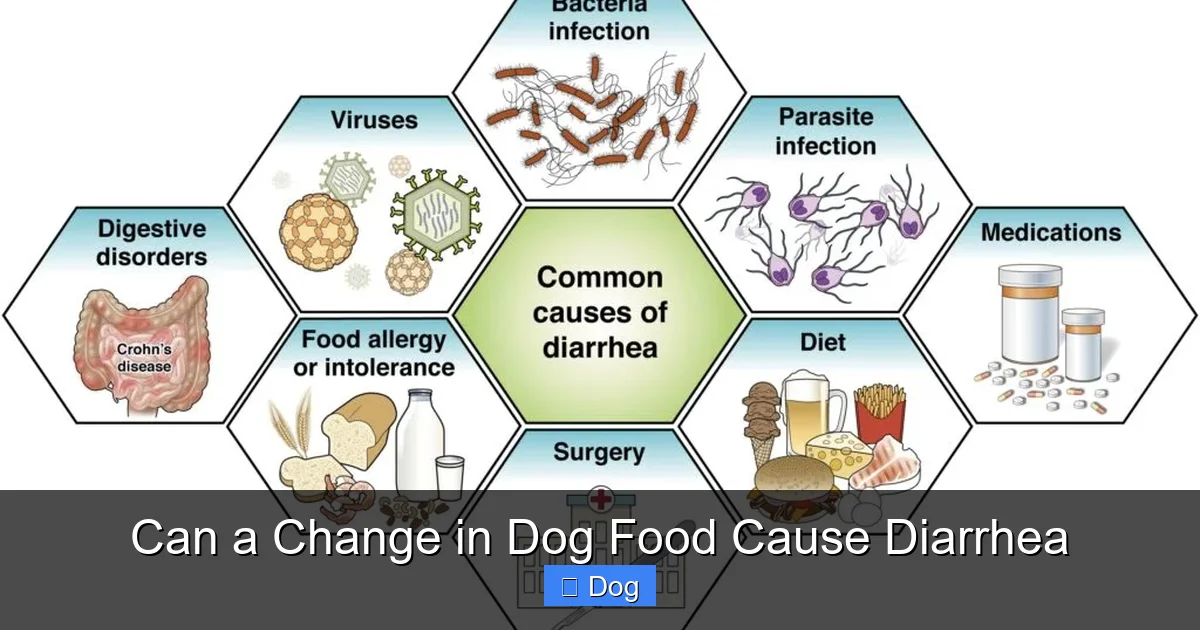
Visual guide about Can a Change in Dog Food Cause Diarrhea
Image source: patient.gastro.org
Understanding the “why” behind food-related diarrhea helps you prevent it in the future. It’s not just about the food itself—it’s about how your dog’s body reacts to the change.
The Role of the Gut Microbiome
Your dog’s gut is like a bustling city of microorganisms. These good bacteria help digest food, fight off harmful pathogens, and even influence mood and immunity. When you feed your dog the same food day after day, their microbiome adapts to that specific diet. It learns which enzymes to produce, how to break down certain fibers, and how to manage fat absorption.
But when you switch foods abruptly, this finely tuned system gets confused. The new ingredients may require different digestive enzymes or may not be broken down efficiently by the existing bacteria. This leads to undigested food moving too quickly through the intestines, resulting in diarrhea.
For example, if your dog has been eating a chicken-and-rice kibble and you suddenly switch to a salmon-and-quinoa formula, the gut may struggle to process the new protein and grain. The result? Loose, watery stools within 12 to 24 hours.
Sudden Shifts in Fat and Fiber Content
Another major factor is the fat and fiber content in dog food. Dogs can tolerate a range of fat levels, but a sudden increase—say, from 12% to 20%—can overwhelm their system. High-fat foods are harder to digest and can trigger pancreatitis in sensitive dogs, with diarrhea as an early symptom.
Similarly, fiber plays a crucial role in digestion. Some dog foods are high in fiber (like those with beet pulp or pumpkin), while others are low. A sudden jump in fiber can speed up gut motility, leading to diarrhea. Conversely, too little fiber can cause constipation, but that’s a different issue.
Imagine your dog is used to a low-fiber kibble and you switch to a high-fiber weight management formula. Their intestines may not be ready for the extra bulk, and the result is frequent, loose stools.
Ingredient Sensitivity and Food Intolerances
Not all dogs react the same way to new ingredients. Some have sensitivities or intolerances to certain proteins (like beef or chicken), grains (like wheat or corn), or additives (like artificial colors or preservatives). These aren’t true allergies—which involve the immune system—but they can still cause digestive upset.
For instance, a dog that’s eaten chicken-based food for years might develop diarrhea when switched to a beef formula, not because beef is bad, but because their gut isn’t used to it. Over time, with gradual exposure, many dogs adapt. But a sudden switch can cause immediate discomfort.
Additives and Fillers in New Foods
Some dog foods contain ingredients that are harder to digest, such as soy, corn gluten meal, or artificial flavors. While these aren’t inherently harmful, they can irritate a sensitive stomach—especially if introduced all at once.
Additionally, some premium or “natural” foods use novel ingredients like duck, venison, or lentils. While these can be great for dogs with allergies, they may be too rich or unfamiliar for a dog’s digestive system if not introduced slowly.
How to Safely Transition Your Dog to a New Food
The good news? You can almost always prevent food-related diarrhea by transitioning your dog’s food the right way. It’s not about avoiding change—it’s about managing it wisely.
The 7–10 Day Transition Plan
The golden rule for switching dog food is a gradual transition over 7 to 10 days. This gives the gut microbiome time to adjust and reduces the risk of digestive upset.
Here’s a simple step-by-step plan:
– **Days 1–2:** Feed 75% old food + 25% new food
– **Days 3–4:** Feed 50% old food + 50% new food
– **Days 5–6:** Feed 25% old food + 75% new food
– **Day 7 onward:** Feed 100% new food
This method works for most dogs. However, if your dog has a very sensitive stomach, you may need to extend the transition to 10–14 days, adding just 10–15% new food every few days.
For example, if you’re switching from Brand A to Brand B, start by mixing a quarter cup of Brand B into three quarters of Brand A. Watch your dog’s stool—if it remains firm, you can increase the ratio. If you notice soft stools, slow down the process.
Watch for Signs of Trouble
Even with a gradual transition, some dogs may still react. Keep an eye out for:
– Loose or watery stools
– Increased gas or bloating
– Vomiting
– Loss of appetite
– Lethargy
If symptoms are mild and last only a day or two, they may resolve on their own. But if diarrhea persists beyond 48 hours, or if your dog seems unwell, contact your vet.
Tips for Sensitive Stomachs
Some dogs are naturally more prone to digestive issues. Breeds like German Shepherds, Boxers, and Bulldogs often have sensitive guts. If your dog falls into this category, take extra care:
– Use a slower transition (10–14 days)
– Choose a new food with similar ingredients to the old one
– Avoid foods with multiple protein sources or exotic ingredients
– Consider adding a probiotic supplement during the switch
Probiotics contain beneficial bacteria that can help stabilize the gut during dietary changes. Look for dog-specific formulas with strains like *Lactobacillus* and *Bifidobacterium*.
What to Do If Your Dog Gets Diarrhea After a Food Change
Despite your best efforts, your dog might still get diarrhea after switching food. Don’t panic—this is usually temporary and manageable at home. But it’s important to respond correctly.
Step 1: Pause the Transition
If your dog develops diarrhea, stop increasing the amount of new food. Go back to the previous ratio (or even 100% old food) for a few days until the stool firms up. Once things stabilize, you can resume the transition—but more slowly.
For example, if you were at 50% new food and diarrhea started, go back to 25% new food for 2–3 days. Then try increasing again in smaller increments.
Step 2: Offer a Bland Diet
While your dog’s stomach recovers, feed a bland, easily digestible diet. The classic combo is:
– **Boiled, skinless chicken breast** (no seasoning)
– **White rice** (plain, cooked)
Mix one part chicken to two parts rice. Feed small, frequent meals (3–4 times a day) to avoid overwhelming the digestive system.
You can also use plain, canned pumpkin (not pie filling)—about 1–2 tablespoons per meal. Pumpkin is high in soluble fiber, which can help firm up stools.
Avoid fatty foods, dairy, and treats during this time. Even “healthy” snacks like peanut butter can irritate an upset stomach.
Step 3: Keep Your Dog Hydrated
Diarrhea can lead to dehydration, especially in small dogs or puppies. Make sure your dog has access to fresh water at all times. You can also offer an electrolyte solution made for dogs (available at pet stores) or a homemade version with water, a pinch of salt, and a teaspoon of honey.
Signs of dehydration include:
– Dry gums
– Sunken eyes
– Lethargy
– Loss of skin elasticity (gently pinch the skin on the back of the neck—if it doesn’t snap back quickly, your dog may be dehydrated)
If you notice any of these, contact your vet immediately.
Step 4: When to See a Vet
Most cases of food-related diarrhea resolve within 1–2 days with home care. But seek veterinary help if:
– Diarrhea lasts more than 48 hours
– Stool contains blood or mucus
– Your dog is vomiting repeatedly
– Your dog seems weak, painful, or uninterested in water
– Your dog is a puppy, senior, or has a chronic health condition
These could be signs of a more serious issue, such as:
– Bacterial or viral infection (like parvovirus)
– Parasites (like giardia or worms)
– Pancreatitis
– Inflammatory bowel disease (IBD)
Your vet may run fecal tests, blood work, or imaging to rule out underlying causes.
Choosing the Right Dog Food to Prevent Digestive Issues
Prevention starts with selecting a high-quality, appropriate food for your dog. Not all dog foods are created equal, and what works for one dog may not suit another.
Look for High-Quality Ingredients
Read the label carefully. The first ingredient should be a named protein source—like “chicken,” “salmon,” or “lamb”—not “meat meal” or “by-products.” Avoid foods with excessive fillers, artificial colors, or preservatives like BHA and BHT.
Whole grains like brown rice or oats are fine for most dogs, but if your dog has grain sensitivities, consider grain-free options (though note: grain-free diets have been linked to heart issues in some dogs, so consult your vet).
Consider Your Dog’s Life Stage and Health
Puppies, adults, and seniors have different nutritional needs. Puppies need more calories and protein for growth, while seniors may benefit from lower-fat, high-fiber formulas.
If your dog has known allergies or sensitivities, choose a limited-ingredient diet or a hydrolyzed protein formula. These are designed to minimize allergic reactions.
For example, a dog with chicken intolerance might do well on a duck-and-pea formula. But again, introduce it gradually.
Avoid Frequent Food Changes
Once you find a food that works, stick with it—unless there’s a medical reason to switch. Frequent changes can disrupt the gut microbiome and lead to chronic digestive issues.
That said, rotating proteins occasionally (every 3–6 months) can provide variety and reduce the risk of developing new sensitivities. Just remember to transition slowly each time.
Common Myths About Dog Food and Diarrhea
There’s a lot of misinformation out there. Let’s clear up a few common myths.
Myth: “Dogs Can Eat Anything—Their Stomachs Are Tough”
While dogs are more adaptable than cats, their digestive systems are not indestructible. Sudden changes, spoiled food, or inappropriate ingredients can still cause serious upset. Think of them like humans with sensitive stomachs—they need consistency and care.
Myth: “Grain-Free Food Is Always Better”
Grain-free diets have gained popularity, but they’re not inherently healthier. In fact, the FDA has investigated a potential link between grain-free diets and dilated cardiomyopathy (DCM) in dogs. Unless your dog has a diagnosed grain allergy, there’s no need to avoid grains.
Myth: “If the Food Is Expensive, It Must Be Good”
Price doesn’t always equal quality. Some premium brands use marketing to justify high prices, while affordable brands may offer excellent nutrition. Focus on ingredient quality, not price tags.
Myth: “Diarrhea Means the Food Is Bad”
Not necessarily. Diarrhea is a symptom, not a diagnosis. It could be due to the transition process, stress, or an unrelated illness. Don’t blame the food immediately—observe your dog and consult your vet if needed.
Conclusion
So, can a change in dog food cause diarrhea? Absolutely. But with the right approach, you can minimize the risk and keep your dog comfortable. The key is a gradual transition, attention to ingredient quality, and awareness of your dog’s individual needs.
Remember, every dog is different. What works for your neighbor’s Labrador might not suit your Shih Tzu. Pay attention to your dog’s reactions, and don’t hesitate to ask your vet for guidance—especially if diarrhea persists or your dog has underlying health issues.
By taking it slow, choosing wisely, and responding quickly to symptoms, you can ensure that dietary changes support your dog’s health—not disrupt it. After all, a happy tummy leads to a happy pup.
Frequently Asked Questions
How long does diarrhea last after changing dog food?
Most dogs experience diarrhea for 1–2 days after a food change, especially if the transition was too fast. If it lasts longer than 48 hours, consult your veterinarian to rule out infections or other health issues.
Can I switch my dog’s food cold turkey?
It’s not recommended. Switching food abruptly can shock your dog’s digestive system and lead to diarrhea, vomiting, or loss of appetite. Always transition gradually over 7–10 days.
What should I feed my dog if they have diarrhea from a food change?
Offer a bland diet of boiled chicken and white rice for 1–2 days. You can also add a small amount of plain pumpkin to help firm up stools. Avoid treats and rich foods until symptoms improve.
Are probiotics helpful when changing dog food?
Yes, probiotics can support gut health during a food transition. They help maintain a balanced microbiome and may reduce the risk of diarrhea. Choose a dog-specific probiotic supplement.
Can puppies get diarrhea from changing food?
Yes, puppies are especially sensitive to dietary changes due to their developing digestive systems. Always transition puppy food slowly and consult your vet before making any switches.
Is it normal for my dog to have soft stools during a food transition?
Mild softness is common, but stools should remain formed. If they become watery or occur more than 3–4 times a day, slow down the transition and consider a bland diet until things improve.