
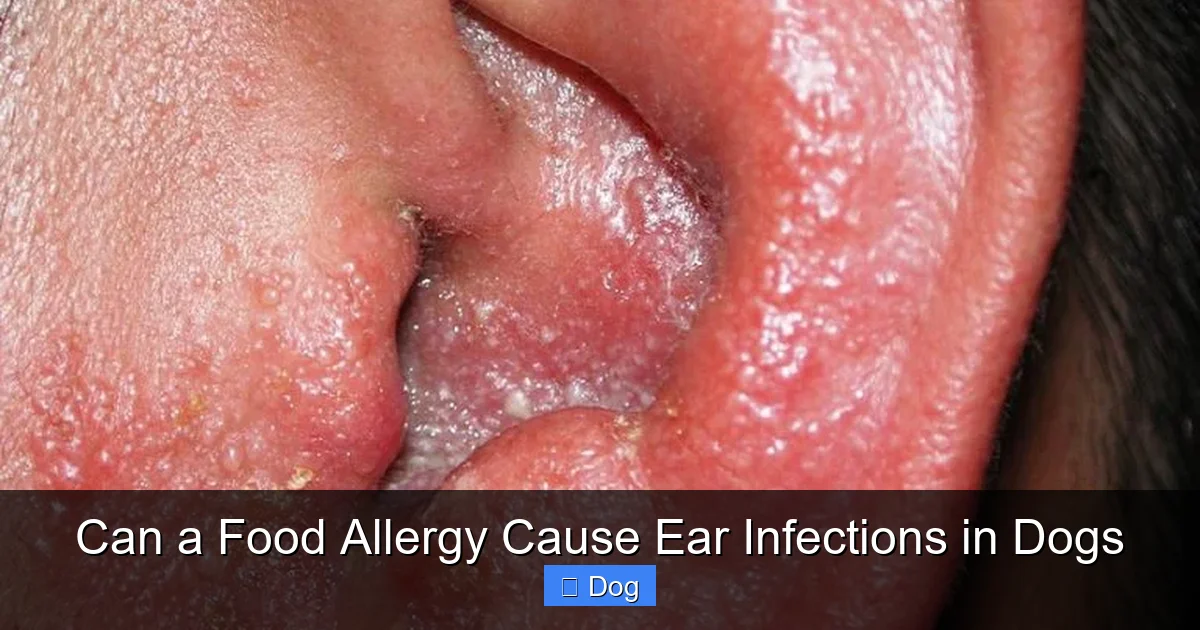
Yes, a food allergy can cause ear infections in dogs. Allergic reactions often trigger inflammation in the ears, leading to recurring or chronic infections. Identifying and eliminating the allergen is key to long-term relief.
Key Takeaways
- Food allergies can trigger ear infections: Inflammatory responses from allergens may lead to itchy, swollen ear canals.
- Common allergens include beef, chicken, dairy, and wheat: These ingredients are frequent culprits in canine food allergies.
- Recurrent ear infections may signal an underlying allergy: If your dog gets ear infections often, consider a food trial.
- Symptoms include head shaking, scratching, and odor: Watch for these signs, especially if they persist despite treatment.
- Veterinary diagnosis is essential: Only a vet can confirm a food allergy and rule out other causes like yeast or bacteria.
- Elimination diets are the gold standard for diagnosis: A strict 8–12 week trial with novel proteins helps identify triggers.
- Prevention includes balanced nutrition and regular ear care: A healthy diet and clean ears reduce infection risk.
📑 Table of Contents
Can a Food Allergy Cause Ear Infections in Dogs?
If your dog is constantly shaking their head, scratching their ears, or giving off a funky smell from their ears, you’re not alone. Ear infections are one of the most common health issues dogs face. While many pet parents blame ear mites, bacteria, or moisture buildup, there’s a lesser-known but significant cause that often gets overlooked: food allergies.
Yes, you read that right—what your dog eats can directly impact their ear health. Food allergies in dogs don’t always show up as stomach problems. In fact, skin and ear issues are among the most common signs. When a dog is allergic to a specific ingredient in their food, their immune system overreacts, leading to inflammation. This inflammation can affect the ears, creating the perfect environment for infections to develop.
Think of it like this: your dog’s ears are like a garden. If the soil (the ear canal) is healthy, plants (good bacteria and skin cells) grow well. But if you pour chemicals (allergens) into the soil, it becomes unbalanced. The good plants die, and weeds (yeast and bacteria) take over. That’s exactly what happens when a food allergy triggers inflammation in the ears.
In this article, we’ll dive deep into how food allergies can cause ear infections in dogs, what signs to look for, how vets diagnose the issue, and what you can do to help your furry friend feel better. Whether you’re dealing with a single ear infection or a recurring problem, understanding the link between diet and ear health could be the key to lasting relief.
Understanding Food Allergies in Dogs
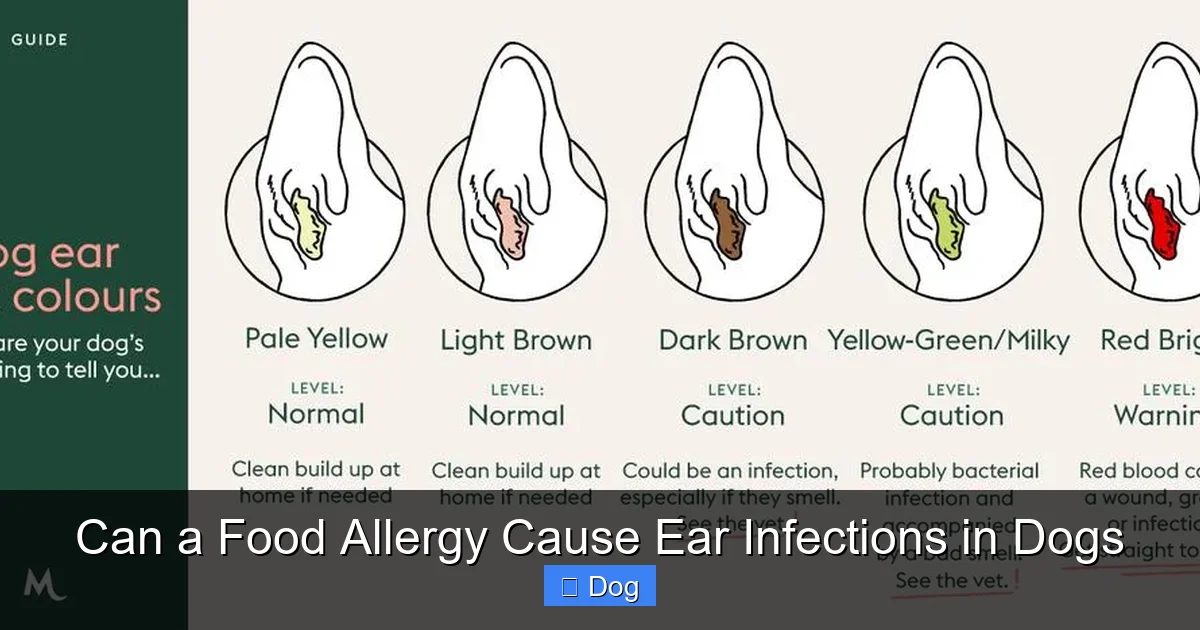
Visual guide about Can a Food Allergy Cause Ear Infections in Dogs
Image source: a.storyblok.com
Before we get into how food allergies affect the ears, let’s first understand what a food allergy actually is. A food allergy occurs when a dog’s immune system mistakenly identifies a normally harmless protein (or sometimes carbohydrate) as a threat. This triggers an immune response, leading to inflammation and various symptoms.
It’s important to note that food allergies are different from food intolerances. A food intolerance, like lactose intolerance in humans, doesn’t involve the immune system. It’s more of a digestive issue—your dog might get gas or diarrhea, but no skin or ear problems. A food allergy, on the other hand, is an immune-mediated reaction that can affect multiple systems in the body, especially the skin and ears.
Common Food Allergens in Dogs
Not all ingredients are equally likely to cause allergies. Some are more common culprits than others. The most frequent food allergens in dogs include:
- Beef: One of the most common proteins in dog food, beef is also one of the top allergens.
- Chicken: Another popular protein source that can trigger reactions in sensitive dogs.
- Dairy products: Milk, cheese, and yogurt can cause issues, especially in dogs with lactose intolerance or true dairy allergies.
- Wheat: A common grain in many commercial dog foods, wheat can be problematic for some dogs.
- Eggs: While nutritious, eggs are a known allergen for certain dogs.
- Soy: Often used as a protein or filler, soy can cause allergic reactions.
- Lamb: Once considered a “hypoallergenic” option, lamb is now a common allergen due to overuse.
Interestingly, it’s not always the exotic ingredients that cause problems. In fact, the more common a protein is in your dog’s diet, the higher the chance they’ll develop an allergy to it over time. This is because repeated exposure can sensitize the immune system.
How Food Allergies Develop
Food allergies don’t usually appear overnight. They develop over time, often after months or even years of eating the same food. Here’s how it typically happens:
Your dog eats a food containing, say, chicken. At first, their immune system treats it as harmless. But with repeated exposure, something changes. Maybe their gut barrier becomes more permeable (a condition sometimes called “leaky gut”), allowing larger protein particles to enter the bloodstream. The immune system sees these particles as invaders and creates antibodies to fight them.
The next time your dog eats chicken, those antibodies kick into action, releasing histamines and other chemicals that cause inflammation. This inflammation can show up in various ways—itchy skin, redness, ear infections, or even gastrointestinal upset.
It’s also worth noting that food allergies can develop at any age. A dog who’s eaten the same food for five years without issues might suddenly start showing signs of an allergy. This makes diagnosis tricky, as many pet parents assume their dog “can’t be allergic” to food they’ve eaten for years.
The Link Between Food Allergies and Ear Infections
Now that we understand what food allergies are, let’s explore how they can lead to ear infections. The connection lies in inflammation and the body’s immune response.
When a dog has a food allergy, the immune system goes into overdrive. This leads to widespread inflammation, including in the skin and ears. The ear canal is lined with sensitive skin, and when it becomes inflamed, it swells, becomes itchy, and produces excess wax. This creates a warm, moist, and dark environment—perfect for yeast and bacteria to thrive.
How Inflammation Affects the Ear Canal
Imagine your dog’s ear canal as a narrow tunnel. Normally, it’s dry, clean, and slightly acidic, which helps prevent infections. But when inflammation occurs due to an allergic reaction, several things happen:
- Swelling: The ear canal narrows, trapping moisture and debris.
- Increased wax production: The glands in the ear produce more wax, which can become thick and sticky.
- pH changes: The ear becomes less acidic, favoring the growth of yeast and bacteria.
- Itching and scratching: Your dog scratches or shakes their head, causing micro-tears in the skin, which can lead to secondary infections.
This cycle can become self-perpetuating. The infection causes more inflammation, which leads to more itching, which causes more damage—and so on. Without addressing the root cause (the food allergy), the infections will keep coming back.
Yeast vs. Bacterial Infections
Not all ear infections are the same. In dogs with food allergies, yeast infections (often caused by Malassezia) are especially common. Yeast loves warm, moist, and sugary environments—exactly what an inflamed ear provides. You might notice a brown, waxy discharge that smells sweet or cheesy.
Bacterial infections can also occur, often as a secondary issue. Bacteria like Staphylococcus or Pseudomonas may take advantage of the damaged skin and compromised ear environment. These infections often produce a foul-smelling, pus-like discharge and can be more painful.
The key point is that while antibiotics or antifungal medications can treat the infection temporarily, they don’t fix the underlying allergy. That’s why many dogs with food allergies experience recurring ear infections—sometimes every few weeks or months.
Real-Life Example: Bella’s Story
Take Bella, a 6-year-old Labrador Retriever. Her owner, Sarah, noticed she was shaking her head a lot and scratching her ears. The vet diagnosed a yeast infection and prescribed ear drops. The infection cleared up, but two months later, it came back. And then again. After the third infection in six months, Sarah started to suspect something deeper was going on.
The vet suggested a food trial. Sarah switched Bella to a novel protein diet (duck and potato) and eliminated all treats and table scraps. Within four weeks, Bella’s ear infections stopped. Her ears were clean, she stopped scratching, and her coat looked healthier. After eight weeks, Sarah reintroduced chicken—Bella’s ears flared up again within days. The diagnosis was clear: a food allergy.
Bella’s story is not uncommon. Many dogs suffer from chronic ear infections that only resolve when the food allergen is removed.
Signs and Symptoms to Watch For
Recognizing the signs of a food allergy-related ear infection is the first step toward helping your dog. While some symptoms are obvious, others can be subtle. Here’s what to look for:
Ear-Specific Symptoms
- Head shaking: Frequent or violent shaking of the head is a classic sign of ear discomfort.
- Scratching or pawing at the ears: Your dog may use their paws to scratch or rub their ears against furniture.
- Redness and swelling: The ear flap (pinna) or ear canal may appear red, swollen, or inflamed.
- Odor: A strong, sweet, or foul smell from the ears often indicates yeast or bacterial overgrowth.
- Discharge: Brown, yellow, or black wax or pus may be present. Yeast infections often produce a coffee-ground-like discharge.
- Hearing changes: In severe cases, your dog may seem less responsive to sounds due to blockage or pain.
Skin and Coat Symptoms
Because food allergies often affect the skin, you might also notice:
- Itchy skin: Especially around the paws, belly, armpits, and face.
- Red, inflamed skin: Look for rashes, hot spots, or areas of thickened skin.
- Hair loss: Due to excessive scratching or licking.
- Recurrent skin infections: Often on the paws or between the toes.
Digestive Symptoms (Less Common)
While ear and skin issues are most common, some dogs with food allergies also experience:
- Chronic diarrhea or soft stools
- Vomiting
- Excessive gas
- Loose stools with mucus or blood
However, it’s important to note that digestive symptoms are less common in food-allergic dogs than skin and ear problems. In fact, many dogs with food allergies have perfectly normal stools.
When to See the Vet
If your dog shows any of the above signs—especially if they’re persistent or recurring—it’s time to visit the vet. Ear infections can be painful and, if left untreated, can lead to more serious complications like ruptured eardrums or hearing loss.
Your vet will examine your dog’s ears using an otoscope, take a sample of the discharge, and examine it under a microscope to determine whether yeast, bacteria, or mites are present. They may also recommend allergy testing or a food trial.
Diagnosing a Food Allergy
Diagnosing a food allergy isn’t as simple as taking a blood test. While blood and skin tests exist, they are often unreliable for food allergies in dogs. The most accurate method is an elimination diet.
The Elimination Diet: Gold Standard for Diagnosis
An elimination diet involves feeding your dog a novel protein and carbohydrate source that they’ve never eaten before. This could be something like duck, venison, rabbit, or kangaroo paired with a novel carb like sweet potato or pea.
The key is strict adherence. For 8 to 12 weeks, your dog must eat only the prescribed food—no treats, table scraps, flavored medications, or chew toys. Even a small amount of the allergen can trigger symptoms and ruin the trial.
How to Start an Elimination Diet
Here’s a step-by-step guide:
- Choose a novel protein and carb: Work with your vet to select a diet your dog hasn’t been exposed to.
- Switch gradually: Transition over 7–10 days to avoid digestive upset.
- Eliminate all extras: No treats, bones, or flavored supplements unless approved by your vet.
- Monitor symptoms: Keep a journal of your dog’s ear health, itching, and behavior.
- Wait 8–12 weeks: It can take time for inflammation to fully resolve.
- Reintroduce ingredients: One at a time, add back common allergens to see if symptoms return.
If your dog’s ear infections clear up during the trial and return when you reintroduce, say, chicken, you’ve found the culprit.
Commercial vs. Homemade Elimination Diets
You can use a commercial hydrolyzed protein diet (where proteins are broken down so the immune system doesn’t recognize them) or a homemade diet. Homemade diets require careful balancing to ensure your dog gets all the nutrients they need. Always consult your vet or a veterinary nutritionist before starting a homemade plan.
Why Blood and Skin Tests Aren’t Reliable
Many pet parents ask about blood or skin allergy tests. While these tests can detect environmental allergens (like pollen or dust mites), they are not reliable for food allergies. False positives and negatives are common. The elimination diet remains the only proven method.
Treatment and Management
Once a food allergy is diagnosed, the treatment is straightforward: avoid the allergen. But managing your dog’s diet and ear health requires ongoing effort.
Dietary Management
After identifying the allergen, you’ll need to choose a long-term diet that avoids it. This might mean switching to a limited-ingredient dog food or preparing homemade meals. Always read labels carefully—many treats and supplements contain hidden allergens.
Ear Care and Prevention
Even with a proper diet, some dogs may still be prone to ear issues. Regular ear cleaning can help prevent infections:
- Clean ears weekly: Use a vet-recommended ear cleaner.
- Avoid over-cleaning: This can strip natural oils and cause irritation.
- Dry ears after baths or swimming: Moisture is a major risk factor.
- Check ears regularly: Look for redness, odor, or discharge.
Medications and Supplements
Your vet may prescribe medications to treat active infections, such as:
- Antifungal ear drops: For yeast infections.
- Antibiotic ear drops: For bacterial infections.
- Oral steroids: To reduce severe inflammation (used short-term).
Supplements like omega-3 fatty acids can also help reduce inflammation and support skin and ear health.
Working with Your Veterinarian
Managing a food allergy is a team effort. Regular check-ups, open communication, and follow-up testing (if needed) are essential. Your vet can help you navigate dietary changes, monitor for complications, and adjust treatment as needed.
Prevention Tips for Dog Owners
While you can’t always prevent food allergies, you can reduce your dog’s risk:
- Rotate proteins: Feeding a variety of proteins may reduce the chance of developing an allergy.
- Choose high-quality diets: Look for foods with whole ingredients and minimal fillers.
- Avoid over-vaccinating: Some studies suggest a link between over-vaccination and immune disorders.
- Support gut health: Probiotics and prebiotics can help maintain a healthy gut barrier.
- Monitor for early signs: Catching allergies early can prevent chronic issues.
Conclusion
So, can a food allergy cause ear infections in dogs? Absolutely. While ear infections are often blamed on bacteria, yeast, or moisture, food allergies are a common and often overlooked trigger. The inflammatory response caused by an allergic reaction can create the perfect conditions for infections to develop and recur.
If your dog is dealing with chronic ear problems, don’t just treat the symptoms—look for the root cause. A food allergy might be the hidden culprit. With a proper diagnosis through an elimination diet and careful management, you can help your dog live a healthier, more comfortable life.
Remember, every dog is different. What works for one may not work for another. But by staying informed, working closely with your vet, and paying attention to your dog’s unique needs, you can make a real difference in their well-being.
Your dog’s ears—and their overall health—will thank you.
Frequently Asked Questions
Can a food allergy cause ear infections in dogs?
Yes, a food allergy can cause ear infections in dogs. Allergic reactions trigger inflammation in the ear canal, creating an environment where yeast and bacteria can thrive.
What are the most common food allergens in dogs?
The most common food allergens include beef, chicken, dairy, wheat, eggs, soy, and lamb. These ingredients are frequently found in commercial dog foods and can trigger immune responses.
How do I know if my dog’s ear infection is from a food allergy?
Look for recurring ear infections, especially if they don’t respond well to treatment. Other signs include itchy skin, redness, and head shaking. A vet can help confirm if a food allergy is the cause.
Can a dog develop a food allergy later in life?
Yes, dogs can develop food allergies at any age, even if they’ve eaten the same food for years. Repeated exposure can sensitize the immune system over time.
How is a food allergy diagnosed in dogs?
The most reliable method is an elimination diet, where your dog eats a novel protein and carb for 8–12 weeks. Blood and skin tests are not considered reliable for food allergies.
Can I treat my dog’s food allergy at home?
You can manage a food allergy at home by avoiding the allergen, but diagnosis and treatment should be guided by a veterinarian. Self-diagnosis can lead to nutritional imbalances or missed conditions.