

Bearded dragons should not eat dog food. While it may seem convenient, dog food lacks the proper nutrients and balance that bearded dragons need to stay healthy. Feeding it regularly can lead to serious health problems like kidney damage and metabolic bone disease.
Key Takeaways
- Dog food is not safe for bearded dragons: It’s formulated for canines, not reptiles, and lacks essential nutrients like calcium and proper protein sources.
- High phosphorus content is dangerous: Dog food often has too much phosphorus, which blocks calcium absorption and can cause metabolic bone disease.
- Artificial additives pose health risks: Preservatives, colors, and flavor enhancers in dog food are harmful to bearded dragons.
- Bearded dragons need a species-specific diet: Their nutrition should include leafy greens, vegetables, and live insects like crickets and mealworms.
- Occasional accidental ingestion is not fatal: If your bearded dragon eats a small amount of dog food, monitor for symptoms but don’t panic—just avoid repeating it.
- Always consult a reptile vet: If you’re unsure about your bearded dragon’s diet, seek advice from a veterinarian experienced with exotic pets.
- Proper hydration and gut-loading matter: Insects should be gut-loaded and fresh veggies offered daily to support optimal health.
📑 Table of Contents
- Can Bearded Dragons Eat Dog Food? The Truth You Need to Know
- Why Dog Food Isn’t Suitable for Bearded Dragons
- What Bearded Dragons Should Eat Instead
- The Dangers of an Imbalanced Diet
- What to Do If Your Bearded Dragon Eats Dog Food
- Myths and Misconceptions About Bearded Dragon Diets
- How to Create a Balanced Bearded Dragon Diet
- Final Thoughts: Prioritize Your Bearded Dragon’s Health
Can Bearded Dragons Eat Dog Food? The Truth You Need to Know
So, you’re standing in the pet aisle, looking at bags of dog food, and you wonder—can my bearded dragon eat this? After all, it’s got protein, right? And it’s convenient. Maybe even cheaper than buying crickets every week. But before you toss a kibble or two into your beardie’s enclosure, let’s pause and think this through.
Bearded dragons are fascinating, low-maintenance pets that have become incredibly popular over the past few decades. Native to the arid regions of Australia, these reptiles are omnivores, meaning they eat both plant and animal matter. In the wild, their diet consists of insects, leafy greens, flowers, and the occasional small lizard. In captivity, we aim to replicate that balance as closely as possible. But dog food? That’s a whole different ballgame.
While it might seem harmless—after all, it’s “food”—dog food is specifically designed for dogs. Their digestive systems, nutritional needs, and metabolism are vastly different from those of bearded dragons. What works for a golden retriever won’t work for your scaly friend. In fact, feeding dog food to a bearded dragon can do more harm than good.
Why Dog Food Isn’t Suitable for Bearded Dragons
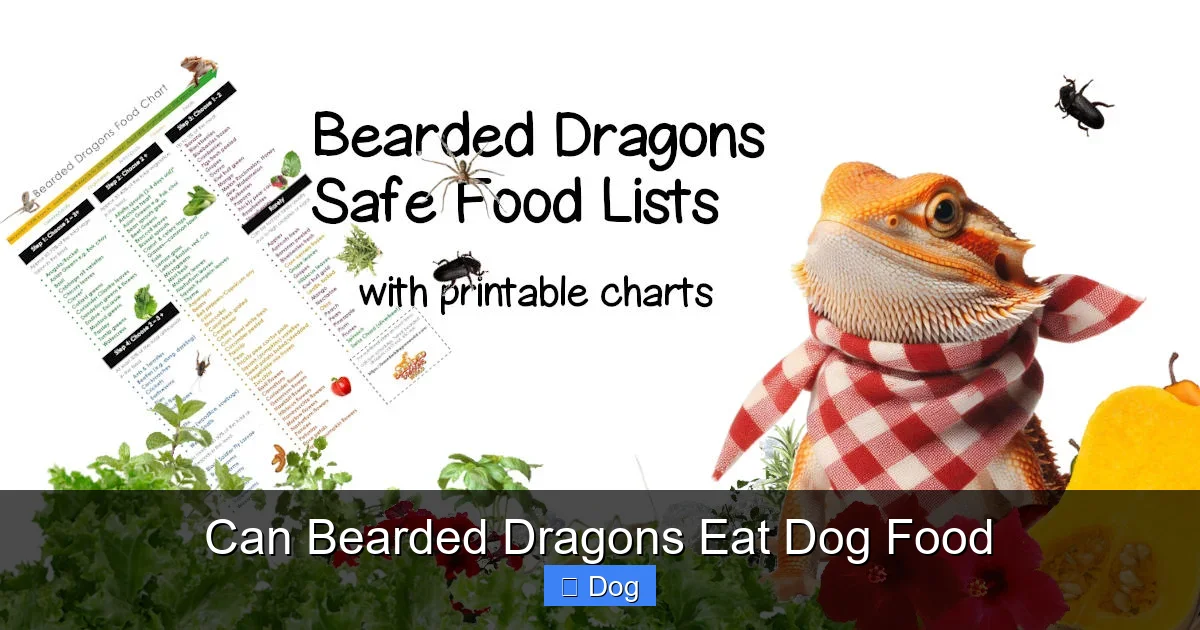
Visual guide about Can Bearded Dragons Eat Dog Food
Image source: beardeddragonsworld.com
Let’s break it down: why exactly is dog food a bad choice for bearded dragons? It’s not just about taste or texture—it’s about biology. Bearded dragons have evolved over thousands of years to thrive on a very specific diet. Their bodies are fine-tuned to process insects and vegetation, not processed kibble made for mammals.
One of the biggest issues is the protein source. Dog food typically contains meat by-products, grains, and fillers like corn and soy. While dogs can digest these ingredients fairly well, bearded dragons cannot. Their digestive systems are not built to handle high levels of grain or processed animal proteins. In fact, too much of the wrong kind of protein can lead to kidney stress and even failure over time.
Another major concern is the calcium-to-phosphorus ratio. Bearded dragons need a diet with more calcium than phosphorus—ideally around 2:1. This is crucial for bone development, muscle function, and overall health. Unfortunately, most dog foods have a phosphorus level that far exceeds calcium. This imbalance prevents the dragon’s body from absorbing calcium properly, leading to a condition called metabolic bone disease (MBD). MBD causes weak, brittle bones, deformities, and can be fatal if left untreated.
The Problem with Fillers and Additives
Dog food often contains ingredients that are not only unnecessary for bearded dragons but potentially harmful. Things like artificial preservatives (BHA, BHT), food coloring, and flavor enhancers serve no nutritional purpose for reptiles. In fact, some of these additives have been linked to health issues in animals, including liver damage and allergic reactions.
Even “natural” dog foods can be problematic. Many contain high levels of salt, which bearded dragons cannot process efficiently. Excess sodium can lead to dehydration and kidney problems. Additionally, some dog foods include garlic or onion powder—ingredients that are toxic to many animals, including reptiles.
Texture and Digestibility Issues
Let’s not forget about physical digestion. Bearded dragons have short digestive tracts designed for quick processing of insects and fibrous plants. Dog food kibble is hard, dry, and often too large for a bearded dragon to chew or swallow comfortably. This can lead to impaction—a serious condition where food or foreign material blocks the digestive tract. Impaction can cause lethargy, loss of appetite, and even death if not treated promptly.
Even if the kibble is softened with water, it doesn’t solve the underlying nutritional problems. The food still lacks the right balance of vitamins, minerals, and moisture that bearded dragons need.
What Bearded Dragons Should Eat Instead
Now that we’ve established why dog food is a no-go, let’s talk about what your bearded dragon *should* be eating. A healthy, balanced diet is the foundation of a long and happy life for your pet.
Bearded dragons are omnivores, and their diet should reflect that. Juvenile dragons (under 18 months) need more protein to support rapid growth, so their diet should be about 70% insects and 30% vegetables. Adult dragons, on the other hand, require more plant matter—around 80% vegetables and 20% insects.
Safe and Nutritious Insects
Insects are a vital part of a bearded dragon’s diet. They provide high-quality protein, essential amino acids, and stimulation through natural hunting behavior. Some of the best options include:
– **Crickets:** A staple in most bearded dragon diets. They’re affordable, widely available, and easy to gut-load.
– **Dubia roaches:** Highly nutritious and less noisy than crickets. They’re also less likely to escape.
– **Mealworms:** Great in moderation, but high in fat. Best as an occasional treat.
– **Superworms:** Larger and more protein-rich, but should only be fed to adult dragons due to their tough exoskeleton.
– **Phoenix worms:** Low in fat and high in calcium, making them an excellent choice.
Always gut-load insects 24 hours before feeding. This means feeding the insects nutritious foods like carrots, leafy greens, or commercial gut-load products so that your dragon gets extra nutrients when it eats them.
Vegetables and Greens: The Foundation of Their Diet
Vegetables should make up the majority of an adult bearded dragon’s diet. Focus on dark, leafy greens that are high in calcium and low in oxalates (which can bind calcium and prevent absorption). Great choices include:
– Collard greens
– Mustard greens
– Dandelion greens
– Turnip greens
– Endive
– Escarole
Avoid iceberg lettuce—it’s mostly water and offers little nutrition. Also, limit high-oxalate greens like spinach and beet greens, as they can interfere with calcium absorption.
Other safe vegetables include bell peppers, squash, zucchini, and green beans. Offer a variety to keep meals interesting and ensure a broad range of nutrients.
Fruits: Treats Only
Fruits should be given sparingly—no more than 10% of the total diet. While bearded dragons may enjoy the sweetness, fruits are high in sugar and can cause digestive upset if overfed. Safe options include:
– Blueberries
– Strawberries (in small amounts)
– Mango
– Papaya
– Figs
Always remove seeds and pits, and cut fruit into small, manageable pieces.
The Dangers of an Imbalanced Diet
Feeding your bearded dragon the wrong foods—like dog food—can lead to serious health problems. One of the most common issues is metabolic bone disease (MBD), which we mentioned earlier. MBD occurs when a dragon doesn’t get enough calcium or has too much phosphorus in its diet. This leads to weakened bones, tremors, swollen limbs, and difficulty walking.
Another risk is obesity. Dog food is calorie-dense and often high in fat, which can cause bearded dragons to gain weight quickly. Obesity puts stress on the heart, liver, and joints, and can shorten your pet’s lifespan.
Kidney disease is also a concern. Bearded dragons are prone to kidney issues, especially when fed diets high in protein or salt. Dog food checks both boxes, making it a risky choice.
Signs Your Bearded Dragon Isn’t Getting Proper Nutrition
How can you tell if your bearded dragon is suffering from a poor diet? Watch for these warning signs:
– Lethargy or weakness
– Loss of appetite
– Swollen or deformed limbs
– Difficulty climbing or moving
– Soft jaw or facial bones
– Darkening of the beard (a sign of stress or illness)
– Constipation or irregular bowel movements
If you notice any of these symptoms, it’s important to consult a reptile veterinarian right away. Early intervention can make a big difference in recovery.
What to Do If Your Bearded Dragon Eats Dog Food
Accidents happen. Maybe your dog knocked over a bowl and your bearded dragon snuck a few kibbles. Don’t panic—one small ingestion is unlikely to cause serious harm. But it’s important to monitor your pet closely.
Immediate Steps to Take
– Remove any remaining dog food from the enclosure.
– Offer fresh water to help flush out the system.
– Watch for signs of distress: vomiting, lethargy, or changes in behavior.
– Ensure your dragon has access to its regular food—live insects and fresh greens.
If your bearded dragon shows any concerning symptoms, contact a reptile vet immediately. They may recommend a check-up or supportive care.
Preventing Future Incidents
To avoid accidental ingestion, keep dog food and bearded dragon enclosures in separate areas. Use secure lids on food containers, and supervise interactions between pets. If you have both dogs and bearded dragons, make sure feeding times don’t overlap.
Also, educate everyone in your household—especially children—about what bearded dragons can and cannot eat. A little knowledge goes a long way in keeping your pet safe.
Myths and Misconceptions About Bearded Dragon Diets
There are a lot of myths floating around about what bearded dragons can eat. Let’s clear up a few common ones.
Myth: “All Protein Is Good Protein”
Just because dog food has protein doesn’t mean it’s good for your bearded dragon. The source and type of protein matter. Bearded dragons need animal-based protein from insects, not processed meat by-products. Their bodies aren’t designed to break down the proteins found in dog food efficiently.
Myth: “If It’s Safe for Humans, It’s Safe for Bearded Dragons”
This is a dangerous assumption. Many human foods—like chocolate, avocado, and onions—are toxic to reptiles. Even seemingly harmless foods like dog food can be harmful due to their formulation.
Myth: “Bearded Dragons Can Eat Anything as Long as They Like It”
Just because your bearded dragon shows interest in dog food doesn’t mean it’s safe. Reptiles don’t always know what’s best for them. They may eat something out of curiosity or hunger, even if it’s harmful.
How to Create a Balanced Bearded Dragon Diet
Creating a healthy diet for your bearded dragon doesn’t have to be complicated. Here’s a simple guide to get you started:
Daily Feeding Routine
– **Morning:** Offer a small portion of fresh vegetables and greens.
– **Midday:** Feed live insects (gut-loaded and dusted with calcium powder if needed).
– **Evening:** Remove uneaten food to prevent spoilage and bacteria growth.
Supplements Are Key
Even with a good diet, bearded dragons often need supplements. Calcium powder (without vitamin D3) should be dusted on insects 3–5 times per week for adults, and daily for juveniles. A multivitamin supplement can be used once or twice a week to fill any nutritional gaps.
Always provide a shallow dish of fresh water, even though bearded dragons get most of their hydration from food. Some dragons enjoy soaking, which can also help with digestion.
Seasonal and Age Adjustments
Adjust the diet based on your dragon’s age and the season. Juveniles need more frequent feedings and higher protein. Adults can be fed insects every other day. In winter, when activity levels drop, reduce portion sizes slightly to prevent obesity.
Final Thoughts: Prioritize Your Bearded Dragon’s Health
At the end of the day, your bearded dragon relies on you to make the right choices. While dog food might seem like a quick fix or a convenient option, it’s not worth the risk. The potential for serious health problems far outweighs any short-term benefit.
Instead, invest in a proper diet of live insects, fresh vegetables, and occasional fruits. It may take a little more effort, but the payoff is a healthy, active, and long-lived pet. Remember, a well-fed bearded dragon is a happy bearded dragon.
And if you’re ever in doubt, don’t hesitate to reach out to a reptile veterinarian. They can provide personalized advice based on your dragon’s age, size, and health status.
Your bearded dragon may not be able to thank you with words, but a bright-eyed, active, and thriving pet is the best reward you could ask for.
Frequently Asked Questions
Can bearded dragons eat dog food in an emergency?
No, even in an emergency, dog food is not a safe substitute. It lacks the proper nutrients and can cause digestive issues. Always keep a supply of appropriate food like crickets or pre-chopped greens on hand.
What happens if my bearded dragon eats a little dog food?
If your bearded dragon accidentally eats a small amount, monitor for signs of illness like lethargy or vomiting. Offer fresh water and its regular diet. Contact a vet if symptoms appear.
Is wet dog food safer than dry kibble for bearded dragons?
No, wet dog food is still formulated for dogs and contains high levels of salt, fat, and additives that are harmful to bearded dragons. It’s not a safe option.
Can I mix dog food with vegetables to make it healthier?
No, mixing dog food with vegetables doesn’t fix the nutritional imbalance. The core ingredients are still unsuitable for reptiles and can lead to health problems.
Are there any commercial reptile foods that are safe?
Some high-quality commercial bearded dragon pellets exist, but they should only be used as a supplement, not a primary food source. Always prioritize fresh insects and greens.
How often should I feed my bearded dragon?
Juveniles should be fed insects daily and vegetables every day. Adults can be fed insects every other day and vegetables daily. Adjust based on activity level and health.