
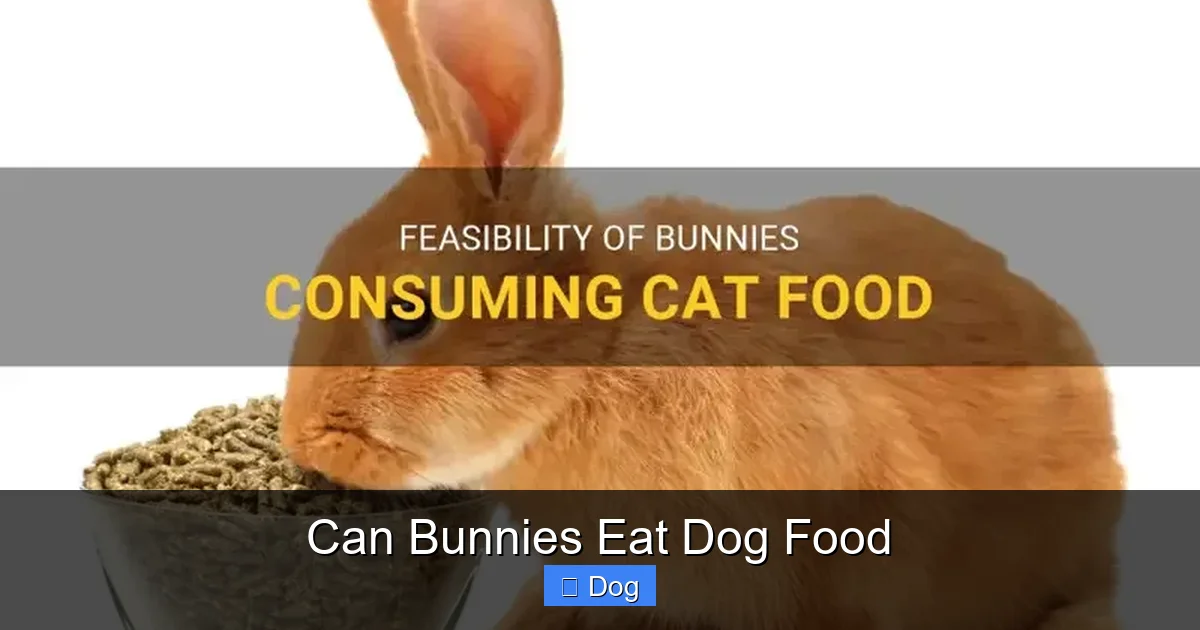
Bunnies should never eat dog food. Their digestive systems are built for high-fiber, plant-based diets, not the protein and fat found in dog kibble. Feeding dog food to rabbits can cause serious health problems, including digestive blockages and nutritional imbalances.
Key Takeaways
- Bunnies cannot safely eat dog food: Dog food is formulated for carnivorous canines, not herbivorous rabbits, and lacks the fiber rabbits need to survive.
- High protein and fat are dangerous: Excess protein and fat in dog food can lead to liver disease, obesity, and gastrointestinal stasis in rabbits.
- Rabbits need a high-fiber diet: Their digestive systems rely on constant fiber intake from hay, fresh greens, and limited pellets to function properly.
- Dog food lacks essential nutrients for rabbits: It doesn’t contain the right balance of vitamins, minerals, and fiber that rabbits require for long-term health.
- Accidental ingestion is not harmless: Even small amounts of dog food can disrupt a rabbit’s gut flora and lead to serious illness.
- Safe alternatives exist: Stick to timothy hay, fresh leafy greens, and rabbit-specific pellets to keep your bunny healthy and happy.
- Prevention is key: Store dog food securely and supervise pets during feeding times to avoid cross-contamination.
📑 Table of Contents
- Can Bunnies Eat Dog Food? The Short Answer Is No
- Understanding Rabbit Digestion: Why Fiber Is Everything
- Nutritional Mismatch: What’s in Dog Food vs. What Rabbits Need
- What Happens If a Bunny Eats Dog Food?
- Safe Alternatives: What Should Bunnies Eat Instead?
- How to Prevent Accidental Ingestion
- What to Do If Your Rabbit Eats Dog Food
- Conclusion: Keep Your Bunny Safe and Healthy
Can Bunnies Eat Dog Food? The Short Answer Is No
If you’ve ever walked into a room to find your curious bunny nibbling on a piece of dog kibble, you’re not alone. Many pet owners with multiple animals worry about accidental mix-ups at mealtime. But the real question isn’t just whether your rabbit *can* eat dog food—it’s whether they *should*. And the answer is a firm no.
Bunnies are strict herbivores. Their bodies are finely tuned to process plant-based materials, especially high-fiber foods like grass hay. Dog food, on the other hand, is designed for carnivorous or omnivorous animals like dogs. It’s packed with animal proteins, fats, and ingredients that a rabbit’s digestive system simply isn’t built to handle. Even a small amount can cause digestive upset, and repeated exposure can lead to long-term health issues.
So while it might seem harmless—after all, it’s just kibble, right?—dog food is not a safe snack for rabbits. In this article, we’ll dive deep into why dog food is dangerous for bunnies, what happens when they eat it, and how to keep your furry friend safe and healthy with the right diet.
Understanding Rabbit Digestion: Why Fiber Is Everything

Visual guide about Can Bunnies Eat Dog Food
Image source: petshun.com
To understand why dog food is a no-go for rabbits, you first need to know how their digestive system works. Rabbits have a unique and delicate digestive tract that runs almost nonstop. Unlike dogs, who can go hours or even days between meals, rabbits need to eat constantly to keep things moving.
Their digestive system is designed to process large amounts of fiber—specifically, cellulose found in grass and hay. Fiber keeps the gut muscles active, helps prevent blockages, and supports the growth of beneficial bacteria in the cecum (a special pouch in the digestive tract). Without enough fiber, a rabbit’s gut can slow down or even stop, a condition known as gastrointestinal (GI) stasis. This is a life-threatening emergency.
The Role of Hay in a Rabbit’s Diet
Hay isn’t just a filler—it’s the cornerstone of a healthy rabbit diet. Timothy hay, orchard grass, and meadow hay are all excellent choices. These hays are high in fiber and low in protein and calcium, which is ideal for adult rabbits. Young rabbits under six months can have alfalfa hay, which is higher in calcium and protein, but it should be phased out as they grow.
Rabbits should have unlimited access to fresh hay every day. It helps wear down their continuously growing teeth, prevents boredom, and keeps their digestive system running smoothly. In fact, hay should make up about 80% of a rabbit’s diet.
How Dog Food Disrupts This Delicate Balance
Now, imagine introducing dog food into this finely tuned system. Dog kibble is typically high in protein (often 18–25%) and fat (10–15%), with much lower fiber content. For a rabbit, this is like eating a fast-food meal every day—it’s full of empty calories and lacks the nutrients they need.
When a rabbit eats dog food, the high protein and fat content can overwhelm their liver and kidneys. Their bodies aren’t equipped to process large amounts of animal-based nutrients. Over time, this can lead to liver disease, kidney stress, and obesity.
Even worse, the low fiber content means the rabbit’s gut slows down. Without enough fiber to keep things moving, food can get stuck, bacteria can overgrow, and the rabbit may stop eating altogether. This is how GI stasis begins—and it can happen quickly.
Nutritional Mismatch: What’s in Dog Food vs. What Rabbits Need
Let’s break it down by nutrients. Dog food and rabbit food are like apples and oranges—they might both be “food,” but they’re designed for completely different animals.
Protein: Too Much of a Good Thing
Dogs need protein to build muscle, maintain energy, and support their active lifestyles. Rabbits need protein too, but in much smaller amounts. Adult rabbits only require about 12–14% protein in their diet. Dog food often contains 18–25% protein, and much of it comes from animal sources like chicken meal, beef, or fish.
When rabbits consume too much protein, especially from animal sources, their bodies can’t use it efficiently. The excess gets converted to waste products that stress the liver and kidneys. Over time, this can lead to organ damage.
Fat: A Hidden Danger
Fat is another concern. Dog food is often high in fat to support a dog’s energy needs. But rabbits are not built for high-fat diets. Their bodies store fat easily, and obesity is a common problem in pet rabbits. Excess fat can also lead to fatty liver disease, a serious condition that can be fatal if not treated early.
Fiber: The Missing Link
Here’s the biggest issue: fiber. Dog food contains very little fiber—usually less than 5%. Rabbits, on the other hand, need 18–25% fiber in their diet. Without enough fiber, their digestive system grinds to a halt. The cecum, which normally produces nutrient-rich cecotropes (soft feces that rabbits re-ingest), can become imbalanced. This leads to malnutrition, even if the rabbit is eating.
Vitamins and Minerals: Imbalance and Toxicity
Dog food also contains vitamins and minerals that may be harmful to rabbits in large amounts. For example, too much vitamin D can cause calcium buildup in a rabbit’s organs. Excess calcium from dog food can lead to bladder sludge or kidney stones—common and painful conditions in rabbits.
Additionally, dog food often contains added sugars, artificial flavors, and preservatives. These ingredients offer no nutritional value and can disrupt a rabbit’s gut flora, leading to diarrhea or bacterial overgrowth.
What Happens If a Bunny Eats Dog Food?
So, what’s the worst that could happen if your rabbit sneaks a few pieces of dog food? It depends on the amount and frequency, but even small amounts can be problematic.
Short-Term Effects
If your rabbit eats a small amount of dog food once, they might experience mild digestive upset. Symptoms can include:
– Soft or loose stools
– Reduced appetite
– Lethargy
– Gas or bloating
These signs usually appear within 12–24 hours. While one-time ingestion may not cause lasting harm, it’s a red flag that your rabbit has access to unsafe food.
Long-Term Risks
If a rabbit regularly eats dog food—even in small amounts—the risks increase dramatically. Chronic exposure can lead to:
– **Gastrointestinal stasis:** The most dangerous risk. The gut slows or stops, food builds up, and the rabbit stops eating and drinking. This can be fatal within 24–48 hours without treatment.
– **Obesity:** High-calorie dog food can cause rapid weight gain, leading to joint problems, heart strain, and reduced mobility.
– **Liver and kidney damage:** Excess protein and fat put stress on these organs, potentially leading to disease.
– **Dental issues:** Dog food is soft and doesn’t help wear down a rabbit’s teeth. Overgrown teeth can cause pain, abscesses, and difficulty eating.
– **Nutritional deficiencies:** Even if the rabbit is eating, the lack of fiber and imbalance of nutrients can lead to malnutrition over time.
Real-Life Example: A Cautionary Tale
Take the case of Luna, a 3-year-old Holland Lop. Her owner also had a dog and occasionally left the dog’s food bowl on the floor. One day, Luna managed to hop up and eat several pieces of kibble. At first, she seemed fine. But two days later, she stopped eating, became lethargic, and produced very few droppings.
Her owner rushed her to the vet, where she was diagnosed with early GI stasis. Thanks to quick intervention—fluids, motility drugs, and syringe feeding—Luna recovered. But her owner learned a hard lesson: even a few pieces of dog food can trigger a medical emergency.
Safe Alternatives: What Should Bunnies Eat Instead?
Now that we’ve established why dog food is off-limits, let’s talk about what rabbits *should* eat. A healthy rabbit diet is simple, natural, and focused on fiber.
Unlimited Hay: The Foundation of Health
As mentioned earlier, hay should be available 24/7. Timothy hay is the best choice for adult rabbits. Alfalfa is fine for babies but should be phased out by six months. Offer a variety of hays to keep things interesting—orchard grass, oat hay, and meadow hay are all great options.
Fresh Leafy Greens: A Daily Treat
Rabbits love their greens, and they’re packed with vitamins and hydration. Offer 1–2 cups of fresh leafy greens per 2 pounds of body weight daily. Some safe options include:
– Romaine lettuce
– Kale (in moderation)
– Cilantro
– Parsley
– Bok choy
– Dandelion greens
– Arugula
Avoid iceberg lettuce—it’s mostly water and can cause diarrhea. Also, introduce new greens slowly to avoid digestive upset.
Rabbit Pellets: In Moderation
High-quality rabbit pellets can supplement a rabbit’s diet, but they should not be the main course. Choose pellets that are high in fiber (at least 18%) and low in protein and fat. Avoid mixes with seeds, nuts, or dried fruit—these are unhealthy and can cause obesity.
Feed about 1/4 cup of pellets per 5 pounds of body weight per day. More than that can lead to overeating and weight gain.
Fresh Water: Always Available
Rabbits need constant access to clean, fresh water. Use a water bottle or heavy ceramic bowl to prevent spills. Change the water daily and clean the container regularly.
Occasional Treats: The Right Way
Yes, rabbits can have treats—but only in small amounts and the right kind. Safe treats include:
– A few pieces of banana or apple (no seeds)
– A small piece of carrot
– A few blueberries
– Fresh herbs like mint or basil
Limit treats to no more than 1–2 tablespoons per 5 pounds of body weight per week. Too many sugary treats can disrupt gut bacteria and lead to obesity.
How to Prevent Accidental Ingestion
Even the most careful pet owners can have accidents. Here’s how to keep your rabbit safe:
Store Dog Food Securely
Keep dog food in a sealed container in a cabinet or pantry. Never leave kibble in open bowls where a curious bunny can reach it.
Feed Pets Separately
If you have both dogs and rabbits, feed them in separate rooms. Use baby gates or pet barriers to keep them apart during mealtime.
Supervise Interactions
Always supervise your pets when they’re together. Dogs may not mean harm, but they can accidentally knock over food bowls or leave crumbs behind.
Train Your Dog
Teach your dog to stay away from the rabbit’s area. Use positive reinforcement to reward good behavior.
Check the Floor
After feeding your dog, check the floor for dropped kibble. A quick sweep can prevent a dangerous snack.
What to Do If Your Rabbit Eats Dog Food
If you catch your rabbit eating dog food, don’t panic—but act quickly.
Step 1: Remove the Food
Take away any remaining dog food immediately. Make sure your rabbit can’t access it again.
Step 2: Monitor Closely
Watch your rabbit for signs of digestive upset over the next 24–48 hours. Look for:
– Changes in appetite
– Reduced or no droppings
– Lethargy
– Bloating or discomfort
Step 3: Encourage Hay and Water
Offer extra hay and fresh water. Hay will help move things along in the digestive tract. If your rabbit isn’t drinking, try offering water from a syringe (without forcing).
Step 4: Contact Your Vet
If your rabbit shows any signs of illness—especially if they stop eating or producing droppings—call your veterinarian right away. GI stasis is a medical emergency and requires prompt treatment.
Step 5: Prevent Future Incidents
Use this as a learning opportunity. Secure all pet food, supervise feedings, and consider rearranging your pet areas to minimize risks.
Conclusion: Keep Your Bunny Safe and Healthy
So, can bunnies eat dog food? The answer is clear: no. While it might seem like a harmless mistake, dog food is not safe for rabbits. Their digestive systems are built for high-fiber, plant-based diets, and dog kibble simply doesn’t fit the bill.
Feeding your rabbit the right foods—unlimited hay, fresh greens, limited pellets, and clean water—is the best way to ensure a long, happy life. And by taking simple precautions, you can prevent accidental ingestion and keep your furry friend safe.
Remember, when it comes to your bunny’s health, it’s always better to be safe than sorry. Stick to rabbit-safe foods, stay vigilant, and your rabbit will thank you with years of joyful hops and cuddles.
Frequently Asked Questions
Can bunnies eat dog food in small amounts?
No, even small amounts of dog food can be harmful to rabbits. Their digestive systems are not designed to process the high protein, fat, and low fiber found in dog kibble. One or two pieces might not cause immediate harm, but they can still disrupt gut bacteria and lead to digestive issues.
What should I do if my rabbit eats dog food?
Remove the dog food immediately and monitor your rabbit closely for 24–48 hours. Watch for signs like loss of appetite, reduced droppings, or lethargy. Offer extra hay and water, and contact your veterinarian if any symptoms appear. Prevention is key—secure all pet food to avoid future incidents.
Is there any dog food that’s safe for rabbits?
No dog food is safe for rabbits. Even “healthy” or “natural” dog foods contain ingredients and nutrient profiles that are inappropriate for herbivorous rabbits. Always choose rabbit-specific foods that are high in fiber and low in protein and fat.
Can rabbits eat cat food instead?
No, cat food is also unsafe for rabbits. Like dog food, it’s high in protein and fat and lacks the fiber rabbits need. Cat food may also contain taurine and other nutrients that are unnecessary or harmful to rabbits.
How much hay should a rabbit eat daily?
Rabbits should have unlimited access to fresh hay every day. Hay should make up about 80% of their diet. Timothy hay is ideal for adult rabbits, while alfalfa can be given to young rabbits under six months.
Can rabbits eat vegetables every day?
Yes, rabbits can and should eat fresh leafy greens daily. Offer 1–2 cups of safe greens per 2 pounds of body weight. Introduce new vegetables slowly and avoid iceberg lettuce, which can cause diarrhea.