

Boosting your cat’s protein intake is essential for their health, energy, and longevity. This guide shows you safe, vet-recommended ways to add high-quality protein to your cat’s diet using real food, supplements, and smart feeding practices.
Key Takeaways
- Protein is vital for cats: As obligate carnivores, cats need animal-based protein for muscle maintenance, immune function, and overall health.
- Choose high-quality sources: Opt for cooked meats like chicken, turkey, or fish—avoid raw or seasoned options unless under vet guidance.
- Introduce changes gradually: Sudden dietary shifts can upset your cat’s stomach; always transition slowly over 7–10 days.
- Supplements can help: Use vet-approved protein powders or bone broths designed for cats to safely boost intake.
- Monitor your cat’s response: Watch for signs of digestive upset, allergies, or increased energy to ensure the new protein source agrees with them.
- Consult your vet first: Especially for senior cats, kittens, or those with health conditions, professional advice ensures safety.
- Balance is key: Adding protein shouldn’t replace balanced nutrition—maintain proper ratios of fat, moisture, and essential nutrients.
How to Add Protein to Cat Food: A Complete Guide for Healthier, Happier Cats
If you’ve ever wondered whether your cat is getting enough protein, you’re not alone. As obligate carnivores, cats have a biological need for high levels of animal-based protein. Unlike dogs or humans, their bodies are designed to thrive on meat. Protein supports everything from muscle development and healthy skin to a strong immune system and sharp vision. Yet, many commercial cat foods—especially budget or plant-heavy formulas—fall short of meeting these needs.
In this guide, you’ll learn how to add protein to cat food safely, effectively, and in ways that your feline friend will actually enjoy. Whether you’re feeding kibble, wet food, or a homemade diet, we’ll walk you through practical methods, vet-approved tips, and troubleshooting advice to ensure your cat gets the protein boost they deserve—without upsetting their digestive system or compromising nutrition.
We’ll cover everything from choosing the right protein sources and preparing homemade additions to using supplements and monitoring your cat’s health. By the end, you’ll feel confident making informed decisions about your cat’s diet and giving them the best possible nutrition for a long, vibrant life.
Why Protein Matters for Cats
Visual guide about How to Add Protein to Cat Food
Image source: a.storyblok.com
Before diving into how to add protein, it’s important to understand why it’s so crucial. Cats are not just “meat lovers”—they are biologically wired to rely on animal protein. Their bodies can’t efficiently convert plant-based proteins into the essential amino acids they need. Two key amino acids, taurine and arginine, are only found in sufficient amounts in animal tissues.
Without enough taurine, cats can develop serious health issues like heart disease (dilated cardiomyopathy) or blindness. Arginine deficiency leads to ammonia buildup, which can be fatal. That’s why every commercial cat food must meet minimum protein standards set by organizations like AAFCO (Association of American Feed Control Officials). But “minimum” doesn’t always mean “optimal.”
High-protein diets support:
- Lean muscle mass, especially in active or senior cats
- Healthy coat and skin
- Strong immune function
- Proper organ function, including liver and kidneys
- Stable energy levels and metabolism
If your cat is lethargic, losing muscle, or has a dull coat, low protein intake could be a factor. Adding more high-quality protein can make a noticeable difference—but it must be done correctly.
Signs Your Cat Might Need More Protein
Not all cats show obvious signs of protein deficiency, but some clues can help you decide if it’s time to boost their intake:
- Lethargy or low energy: Cats are naturally playful and curious. If yours seems unusually tired or uninterested in activities, poor nutrition could be to blame.
- Weight loss or muscle wasting: Especially around the spine or hind legs, this can indicate inadequate protein for muscle maintenance.
- Dull, dry, or flaky fur: Healthy cats have soft, shiny coats. Protein supports skin and fur health.
- Hairballs more than once a week: While occasional hairballs are normal, frequent ones may signal poor digestion or lack of moisture and protein.
- Digestive issues: Vomiting, diarrhea, or constipation can sometimes stem from low-quality or imbalanced diets.
- Increased appetite but no weight gain: This could mean your cat isn’t absorbing nutrients efficiently, possibly due to low protein bioavailability.
If you notice any of these signs, consult your veterinarian to rule out medical conditions. Once cleared, adjusting your cat’s diet with added protein may help.
Best Protein Sources to Add to Cat Food
Not all protein is created equal—especially for cats. You want sources that are high in animal protein, low in fillers, and easy to digest. Here are the top options:
Cooked Meats (Chicken, Turkey, Beef)
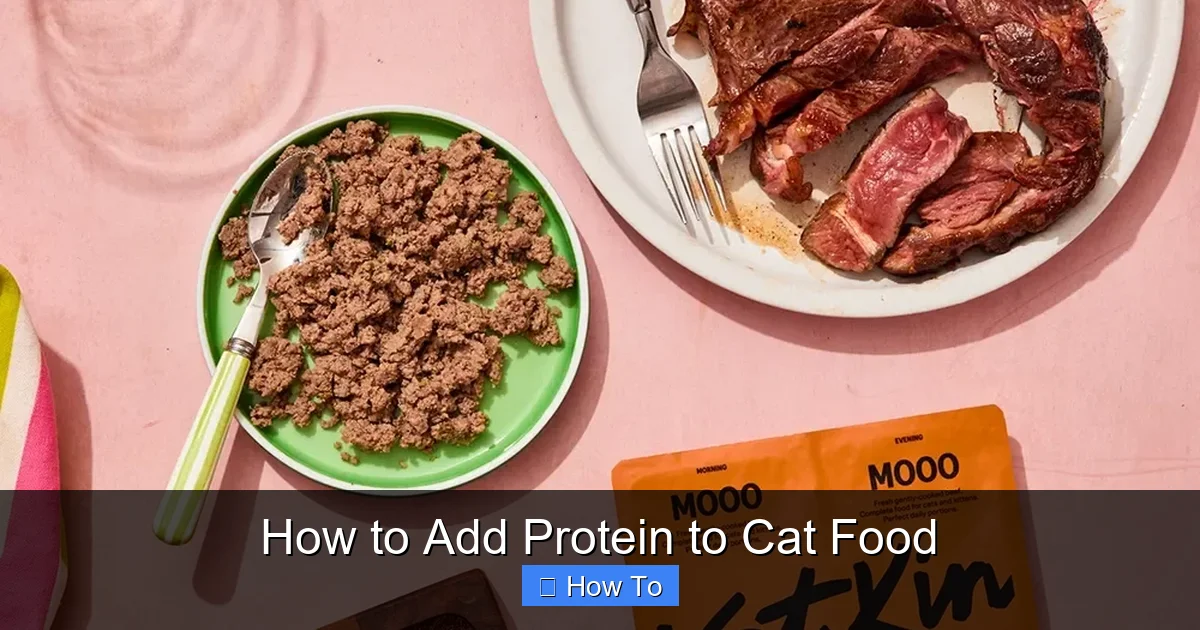
Plain, cooked meats are among the safest and most effective ways to add protein. Boil, bake, or steam chicken or turkey breast without seasoning, oil, or bones. Shred or chop into small pieces and mix into your cat’s regular food.
Tip: Use leftover rotisserie chicken (skin and seasoning removed) in a pinch—just ensure it’s unseasoned and boneless.
Cooked Fish (Salmon, Sardines, Tuna)
Fish is rich in protein and omega-3 fatty acids, which support skin and joint health. However, feed in moderation. Too much fish can lead to mercury exposure or vitamin E deficiency. Stick to cooked, boneless salmon or sardines packed in water (not oil or salt).
Caution: Avoid raw fish unless you’re following a vet-supervised raw diet. Raw fish contains thiaminase, an enzyme that breaks down thiamine (vitamin B1), leading to deficiency.
Eggs
Scrambled or hard-boiled eggs are excellent protein boosters. They’re rich in amino acids and highly digestible. Feed plain—no butter, oil, or seasoning. One egg per week is plenty for most cats.
Organ Meats (Liver, Kidney)
Liver (chicken or beef) is packed with protein, vitamin A, and iron. Offer in small amounts—no more than 10% of the total diet—to avoid vitamin A toxicity. Cook thoroughly and chop finely.
Commercial Protein Toppers and Broths
Many brands offer freeze-dried meat toppers, bone broths, or protein sprinkles made specifically for cats. These are convenient, shelf-stable, and formulated to be nutritionally balanced. Look for products with minimal ingredients and no artificial additives.
High-Protein Wet Food
If you’re feeding kibble, consider mixing in a high-protein wet food. Look for formulas with “named meat” as the first ingredient (e.g., “chicken” not “poultry by-product meal”) and low carbohydrate content.
How to Add Protein to Dry Cat Food
Dry food is convenient but often lower in moisture and protein than wet food. Here’s how to boost its protein content:
Step 1: Choose a High-Quality Base Kibble
Start with a kibble that already has a decent protein level (35% or higher on a dry matter basis). Check the label: the first ingredient should be a named animal protein.
Step 2: Add Cooked Meat or Fish
Shred 1–2 tablespoons of cooked chicken, turkey, or fish and mix it into your cat’s daily kibble. Start small to avoid digestive upset.
Step 3: Use a Protein Topper
Sprinkle a commercial meat topper over the kibble. These come in freeze-dried or dehydrated forms and rehydrate with water. Popular brands include Stella & Chewy’s, PureBites, and Feline Natural.
Step 4: Add Bone Broth
Warm, unsalted bone broth (made for pets or homemade) adds protein and moisture. Pour a small amount over kibble to soften it and enhance flavor. Ensure it contains no onions, garlic, or added salt.
Step 5: Mix in Wet Food
Add a spoonful of high-protein wet food to each meal. This increases both protein and hydration, which is especially beneficial for cats prone to urinary issues.
Pro Tip: Warm the added protein slightly (not hot) to enhance aroma and appeal. Cats have a strong sense of smell and are more likely to eat food that smells fresh and meaty.
How to Add Protein to Wet Cat Food
Wet food is already higher in protein and moisture, but you can still enhance it:
Step 1: Choose a High-Protein Wet Formula
Look for wet foods with 40% or more protein on a dry matter basis. Avoid those with fillers like corn, wheat, or soy.
Step 2: Add Freeze-Dried Meat Bits
Sprinkle freeze-dried chicken, duck, or rabbit pieces on top. These are crunchy, flavorful, and packed with protein.
Step 3: Mix in Scrambled Egg or Cooked Liver
Add a teaspoon of scrambled egg or finely chopped cooked liver to each serving. This boosts protein and adds variety.
Step 4: Use a Protein-Enhanced Broth
Some brands offer broths fortified with collagen or amino acids. Drizzle over wet food for extra nutrition and palatability.
Step 5: Rotate Protein Sources
Cats can develop food sensitivities if fed the same protein daily. Rotate between chicken, turkey, fish, and rabbit to provide variety and reduce allergy risk.
Homemade Protein Additions: Recipes and Tips
If you’re comfortable preparing fresh food, homemade additions can be a game-changer. Always consult your vet before switching to a homemade diet.
Simple Chicken & Egg Boost
- 1 cup cooked, shredded chicken breast
- 1 hard-boiled egg, chopped
- 1 tsp cooked pumpkin (for fiber)
- Mix and serve 1–2 tablespoons per meal
Salmon & Sardine Mix
- 1 oz cooked salmon (boneless)
- 1 small sardine in water (drained)
- 1 tsp olive oil (optional, for shine)
- Mix and serve in small portions
Beef Liver Treat
- 1 oz cooked beef liver, finely chopped
- Mix with wet food or serve as a topper
- Limit to 2–3 times per week
Safety Note: Never feed raw meat, onions, garlic, grapes, raisins, chocolate, or xylitol. These are toxic to cats.
Using Protein Supplements Safely
Sometimes, food alone isn’t enough—especially for cats with medical conditions, seniors, or those recovering from illness. In these cases, supplements can help.
Vet-Approved Protein Powders
Products like Vetoquinol Feliway Nutritional Supplement or Tomlyn High Calorie Gel are formulated for cats and provide concentrated protein and calories. Use only as directed by your vet.
Bone Broth Supplements
Look for dehydrated or liquid bone broths made specifically for pets. These are rich in collagen, amino acids, and minerals. Rehydrate with warm water and add to meals.
Amino Acid Supplements
Taurine supplements are available over the counter and can be added to food if your cat’s diet is deficient. However, most commercial foods already include taurine—only supplement if advised by your vet.
Important: Never give human protein powders (like whey or plant-based) to cats. Their nutritional needs are vastly different, and these products can cause imbalances.
How to Introduce Protein Changes Gradually
Cats are creatures of habit, and sudden diet changes can lead to refusal, vomiting, or diarrhea. Follow this transition plan:
Days 1–2: 90% old food, 10% new protein
Mix a small amount of the new protein source into your cat’s regular meal.
Days 3–4: 75% old food, 25% new protein
Increase the proportion slightly. Observe your cat’s appetite and stool quality.
Days 5–6: 50% old food, 50% new protein
If your cat is eating well and has normal digestion, continue increasing.
Days 7–10: 25% old food, 75% new protein
By now, your cat should be comfortable with the change. Monitor for any signs of intolerance.
Tip: If your cat refuses the new food, try warming it or mixing it with a favorite treat. Patience is key.
Troubleshooting Common Issues
Even with the best intentions, things don’t always go smoothly. Here’s how to handle common problems:
My Cat Won’t Eat the New Protein
Some cats are picky. Try:
- Warming the food to body temperature
- Mixing with a small amount of tuna juice (in moderation)
- Offering the protein as a separate treat first
- Gradually increasing the amount over time
My Cat Has Diarrhea or Vomiting
This usually means the change was too fast or the protein source doesn’t agree with them. Stop the new addition, return to the original diet, and reintroduce more slowly. If symptoms persist, see your vet.
My Cat Gains Too Much Weight
Adding protein can increase calories. Adjust portion sizes accordingly. Use a food scale to measure accurately and avoid overfeeding.
My Cat Develops Allergies
Signs include itching, ear infections, or gastrointestinal issues. Rotate protein sources and consider an elimination diet under vet supervision.
The Food Spoils Quickly
Fresh additions can spoil if left out too long. Serve only what your cat will eat in one sitting (usually 20–30 minutes). Refrigerate leftovers and use within 24 hours.
Special Considerations for Kittens, Seniors, and Cats with Health Issues
Not all cats have the same protein needs.
Kittens
Growing kittens need even more protein—up to 30–40% of their diet. Use kitten-formulated wet food or high-protein toppers. Avoid adult cat food, which may lack essential nutrients.
Senior Cats
Older cats often lose muscle mass. High-protein diets can help maintain strength. However, those with kidney disease may need restricted protein—always follow vet advice.
Cats with Kidney Disease
This is a delicate balance. While protein is vital, too much can strain compromised kidneys. Your vet may recommend a therapeutic diet with moderate, high-quality protein.
Cats with Diabetes or Obesity
High-protein, low-carb diets can help regulate blood sugar and promote weight loss. Work with your vet to design a safe plan.
How Much Protein Should You Add?
There’s no one-size-fits-all answer, but here are general guidelines:
- Healthy adult cats: Aim for 35–50% protein on a dry matter basis. Add 1–2 tablespoons of high-protein food per meal.
- Active or underweight cats: May benefit from 2–3 tablespoons or a full high-protein meal per day.
- Senior or recovering cats: Follow vet recommendations—often 1–2 tablespoons of easily digestible protein.
- Kittens: Use kitten-specific high-protein foods; supplement only if advised.
Always calculate based on your cat’s weight, activity level, and overall diet. When in doubt, consult your veterinarian or a veterinary nutritionist.
Final Tips for Success
- Read labels carefully: Avoid products with vague terms like “meat meal” or “by-products.” Look for named meats.
- Prioritize moisture: Cats don’t drink enough water. Wet food and broths help prevent urinary issues.
- Store additions properly: Keep cooked meats refrigerated and use within 3–4 days. Freeze extras in portions.
- Observe and adjust: Every cat is different. What works for one may not work for another.
- Stay consistent: Once you find a routine that works, stick with it—cats thrive on routine.
Conclusion
Adding protein to your cat’s food isn’t just about boosting numbers—it’s about supporting their natural biology and enhancing their quality of life. Whether you’re mixing in cooked chicken, using a high-quality topper, or preparing homemade boosts, the key is to do it safely, gradually, and with your cat’s individual needs in mind.
Remember, how to add protein to cat food isn’t a one-time fix—it’s an ongoing process of observation, adjustment, and care. By choosing high-quality animal proteins, introducing changes slowly, and consulting your vet when needed, you’ll give your feline friend the nutrition they need to stay strong, healthy, and full of energy for years to come.
Your cat depends on you for their well-being. With the right knowledge and a little effort, you can make every meal a step toward a longer, happier life.