

Food aggression in cats can be stressful for both pets and owners, but it’s often manageable with patience and consistency. This guide walks you through step-by-step methods to help your cat feel safe and secure during meals, reducing aggressive behaviors like growling, swatting, or guarding food.
Key Takeaways
- Understand the root cause: Food aggression often stems from fear, competition, or past trauma—identifying the trigger is the first step to solving it.
- Create a safe feeding environment: Feed your cat in a quiet, private space away from distractions, other pets, and loud noises.
- Use positive reinforcement: Reward calm behavior with treats, praise, or play to build positive associations with mealtime.
- Implement gradual desensitization: Slowly introduce your presence during meals to help your cat feel comfortable with you nearby.
- Maintain a consistent routine: Feed at the same times daily to reduce anxiety and establish predictability.
- Avoid punishment: Never scold or physically correct your cat—this increases fear and worsens aggression.
- Consult a professional if needed: If aggression persists or escalates, seek help from a veterinarian or certified animal behaviorist.
How to Break a Cat of Food Aggression
If your cat growls, swats, or lunges when you approach their food bowl, you’re not alone. Food aggression is a common behavioral issue in cats, and while it can be alarming, it’s usually treatable with the right approach. The good news? Most cats respond well to gentle, consistent training that focuses on building trust and reducing anxiety.
In this guide, you’ll learn how to break a cat of food aggression using science-backed, humane methods. We’ll cover everything from understanding why your cat acts out during meals to creating a peaceful feeding routine that promotes calm behavior. Whether your cat is a rescue with a tough past or a formerly friendly feline who’s suddenly become protective of their food, these steps can help restore harmony to your home.
By the end of this guide, you’ll have a clear action plan to help your cat feel safe, secure, and relaxed during mealtime—no more stress, no more fear, just happy, healthy eating.
What Is Food Aggression in Cats?
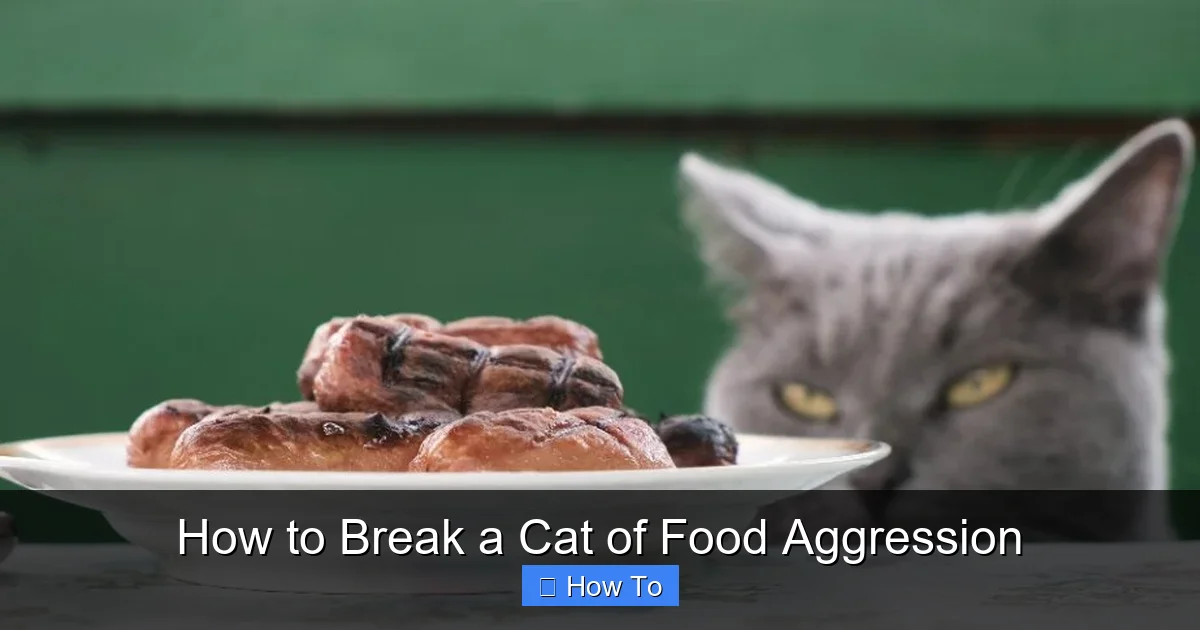
Visual guide about How to Break a Cat of Food Aggression
Image source: twocrazycatladies.com
Food aggression, also known as resource guarding, occurs when a cat becomes defensive or aggressive around food. This behavior can range from subtle signs like stiffening or staring to more obvious actions like hissing, growling, swatting, or even biting when someone approaches their food bowl.
It’s important to note that food aggression is not the same as general aggression. It’s specifically tied to food and usually happens only during or immediately before mealtime. Your cat may be perfectly sweet and affectionate at other times, but the moment food appears, their behavior changes.
Common Signs of Food Aggression
- Hissing or growling when you approach the food bowl
- Swatting or lunging at people or other pets
- Staring intently or “guarding” the bowl
- Eating very quickly or frantically
- Refusing to eat unless alone
- Showing tense body language (flattened ears, dilated pupils, arched back)
These behaviors are your cat’s way of saying, “I’m scared” or “I need space.” Understanding this is key to helping them overcome their aggression.
Why Do Cats Develop Food Aggression?
Before you can fix the problem, it helps to understand why it started. Food aggression doesn’t appear out of nowhere—it’s usually rooted in one or more underlying causes. Identifying the trigger will help you tailor your approach and choose the most effective solutions.
1. Past Trauma or Neglect
Many cats with food aggression have a history of scarcity. Rescue cats, strays, or kittens who grew up in overcrowded shelters may have had to fight for every meal. As a result, they’ve learned that food is not guaranteed—and that they must defend it at all costs.
Even if your cat has been with you for years, early experiences can leave a lasting impression. A kitten who was weaned too early or separated from its mother may develop anxiety around food.
2. Competition with Other Pets
In multi-cat households, food aggression can arise when cats feel they need to compete for resources. If one cat eats faster or dominates the feeding area, the other may become anxious or aggressive to protect their share.
This is especially common if food bowls are placed too close together or if there aren’t enough feeding stations. Cats are naturally solitary eaters—they prefer to eat alone, in peace.
3. Medical Issues
Sometimes, food aggression is a symptom of an underlying health problem. Conditions like dental pain, gastrointestinal issues, or hyperthyroidism can make eating uncomfortable or increase hunger. A cat in pain may lash out if they feel vulnerable while eating.
If your cat’s aggression appears suddenly or is accompanied by other symptoms—such as weight loss, vomiting, or changes in appetite—it’s important to rule out medical causes with a vet visit.
4. Lack of Routine or Predictability
Cats thrive on routine. If mealtimes are inconsistent or unpredictable, your cat may feel anxious about when their next meal will come. This uncertainty can trigger guarding behavior as a way to cope.
5. Fear of Humans or Environmental Stress
Some cats are naturally more anxious or fearful, especially if they weren’t socialized properly as kittens. Loud noises, sudden movements, or unfamiliar people can make them feel unsafe—even during meals.
If your cat only shows aggression when you’re nearby, it may be because they associate your presence with stress, not food.
Step 1: Create a Safe and Calm Feeding Environment
The first step in breaking food aggression is to eliminate stressors in your cat’s feeding area. A calm environment helps your cat feel secure and reduces the need to guard their food.
Choose a Quiet, Private Location
Feed your cat in a quiet room away from high-traffic areas, loud appliances, or other pets. Basements, spare bedrooms, or quiet corners of a living room work well.
Avoid feeding near washing machines, dishwashers, or televisions—these can startle your cat and increase anxiety.
Use Separate Feeding Stations in Multi-Cat Homes
If you have more than one cat, give each their own feeding station. Place bowls in different rooms or at opposite ends of a large room. This prevents competition and gives each cat space to eat in peace.
You can also use baby gates or pet barriers to create visual separation while still allowing supervision.
Minimize Distractions
Turn off the TV, lower the volume on music, and ask family members to avoid walking near the feeding area during mealtime. Even small distractions can make an anxious cat feel threatened.
Use a Consistent Feeding Spot
Always feed your cat in the same location. Familiarity reduces anxiety and helps your cat feel more in control.
Step 2: Establish a Predictable Feeding Routine
Cats are creatures of habit. A consistent routine helps reduce anxiety and builds trust. When your cat knows when to expect food, they’re less likely to feel the need to guard it.
Feed at the Same Times Every Day
Choose two or three fixed times for meals and stick to them. For example, feed at 7 a.m. and 6 p.m. every day. Avoid free-feeding (leaving food out all day), as it can increase competition and reduce the sense of security that comes with scheduled meals.
Use a Timer or Alarm
If you’re worried about forgetting, set a daily alarm. Over time, your cat will learn to anticipate meals, which reduces stress.
Keep Meal Sizes Consistent
Serve the same amount of food at each meal. This prevents overeating and helps your cat feel confident that their needs will be met.
Step 3: Use Positive Reinforcement to Build Trust
Positive reinforcement is one of the most effective tools for changing behavior. Instead of punishing aggression, reward calm, relaxed behavior to teach your cat that good things happen when they’re not guarding their food.
Reward Calm Behavior
When your cat eats without growling or swatting, offer a small treat, gentle praise, or a few seconds of petting. This reinforces the idea that mealtime is a positive experience.
For example, if your cat finishes eating and walks away calmly, say “Good job!” and give them a treat. Over time, they’ll associate calm eating with rewards.
Use High-Value Treats
Choose treats your cat loves—such as freeze-dried chicken, tuna flakes, or commercial training treats. These are more motivating than regular kibble and can help speed up the training process.
Practice “Trade-Up” Games
If your cat is protective of their food, try offering a higher-value treat in exchange for stepping away from the bowl. For example, say “Look!” and show them a piece of cooked chicken. When they come to you, give them the treat and praise them.
This teaches your cat that leaving their food leads to something even better—building trust and reducing guarding behavior.
Step 4: Gradually Desensitize Your Cat to Your Presence
Many cats with food aggression are afraid of people approaching while they eat. Desensitization helps your cat get used to your presence without feeling threatened.
Start at a Distance
Begin by standing far away from your cat while they eat—across the room or even in the doorway. Stay calm and still. Don’t make eye contact or move suddenly.
If your cat continues eating without reacting, reward them with a treat or praise from a distance.
Slowly Decrease the Distance
Over several days or weeks, gradually move closer. Each time your cat eats calmly while you’re nearby, reward them.
Go at your cat’s pace. If they show signs of stress (hissing, freezing, or stopping eating), back up and give them more space.
Add Gentle Interaction
Once your cat is comfortable with you standing nearby, try sitting quietly beside them while they eat. Don’t reach for the bowl or touch them—just be present.
Eventually, you can try placing a hand near the bowl (without touching it) or dropping a treat into the bowl while they eat. This teaches your cat that your presence means good things, not threats.
Never Reach Into the Bowl
Avoid taking food away or reaching into the bowl while your cat is eating. This can trigger aggression and damage trust. Instead, use the “trade-up” method or wait until they’re finished.
Step 5: Manage Multi-Cat Dynamics
If you have more than one cat, managing their interactions during mealtime is crucial. Competition can fuel food aggression, so it’s important to create a peaceful feeding setup.
Feed Cats Separately
Use separate rooms or barriers to feed each cat individually. This prevents staring, chasing, or food stealing.
You can also feed cats at the same time but in different areas, using baby gates or pet doors to keep them apart.
Use Puzzle Feeders or Slow Feeders
These tools slow down eating and make mealtime more engaging. They also reduce the urge to rush or guard food.
Try placing puzzle feeders in different locations so each cat has their own “hunting” experience.
Monitor Interactions
Watch your cats during and after meals. If one cat is bullying another or stealing food, intervene calmly by redirecting the aggressive cat or separating them temporarily.
Step 6: Avoid Punishment and Build Trust
Punishment is never the answer when dealing with food aggression. Yelling, spraying water, or physically restraining your cat will only increase fear and make the problem worse.
Why Punishment Doesn’t Work
Cats don’t understand punishment the way humans do. If you scold them for growling, they may learn to suppress the warning sign—but the underlying fear remains. This can lead to sudden, unexpected bites or attacks.
Instead of punishment, focus on creating positive experiences around food.
Be Patient and Consistent
Changing behavior takes time. Some cats improve in a few weeks; others may take months. Stay consistent with your routine and training methods.
Celebrate small victories—like your cat eating without growling or allowing you to stand nearby.
Build a Strong Bond
Spend quality time with your cat outside of mealtime. Play, groom, or cuddle to strengthen your relationship. A cat who trusts you is less likely to feel the need to guard their food.
Troubleshooting Common Challenges
Even with the best plan, you may run into obstacles. Here’s how to handle common issues.
My Cat Still Growls When I Approach
If your cat continues to show aggression, slow down the desensitization process. Go back to a distance where they feel safe and progress more gradually.
Consider using a treat-dispensing toy or placing treats near the bowl to create positive associations.
My Cat Eats Too Fast
Fast eating can be a sign of anxiety or competition. Use a slow feeder bowl or scatter kibble on a flat tray to encourage slower eating.
You can also divide meals into smaller portions fed more frequently.
My Cat Refuses to Eat Unless Alone
This is common in anxious cats. Feed them in a closed room where they feel secure. Once they’re comfortable eating, slowly introduce your presence using the desensitization steps above.
Aggression Worsens Over Time
If your cat’s behavior escalates—such as biting, chasing, or refusing to eat—consult a veterinarian or certified animal behaviorist. There may be an underlying medical issue or deeper behavioral problem that requires professional intervention.
When to Seek Professional Help
While many cases of food aggression can be managed at home, some situations require expert guidance.
Signs You Need Help
- Your cat bites or attacks people or other pets
- Aggression occurs outside of mealtime
- Your cat refuses to eat for more than 24 hours
- You notice weight loss, vomiting, or other health issues
- Home methods haven’t improved behavior after 4–6 weeks
A veterinarian can rule out medical causes, while a certified cat behaviorist can create a customized training plan.
Conclusion
Breaking a cat of food aggression is not about forcing change—it’s about building trust, reducing fear, and creating a safe environment where your cat feels secure. With patience, consistency, and compassion, most cats can overcome their guarding behaviors and enjoy peaceful, stress-free meals.
Remember, every cat is different. Some will respond quickly to training; others may need more time. The key is to stay calm, avoid punishment, and celebrate progress—no matter how small.
By following the steps in this guide, you’re not just solving a behavioral issue—you’re strengthening your bond with your cat and helping them live a happier, healthier life.
With love and the right approach, even the most food-aggressive cat can learn to eat in peace.