

Buying cat food online is convenient, cost-effective, and gives you access to a wider variety of high-quality options. This guide walks you through every step—from choosing the right food to placing your order and troubleshooting common issues—so your cat gets the nutrition they need without the hassle.
Key Takeaways
- Know your cat’s dietary needs: Age, weight, activity level, and health conditions determine the best type of food.
- Read ingredient labels carefully: Look for real meat as the first ingredient and avoid fillers like corn and artificial preservatives.
- Compare prices and shipping options: Use price comparison tools and subscribe for auto-delivery to save time and money.
- Choose reputable online retailers: Stick to trusted sites like Chewy, Amazon, or your vet’s online store for quality assurance.
- Check expiration dates and storage instructions: Ensure freshness and proper handling upon delivery.
- Monitor your cat’s reaction: Watch for changes in digestion, coat quality, or energy levels after switching foods.
- Use customer reviews wisely: Look for detailed feedback from verified buyers with similar cat profiles.
How to Buy Cat Food Online: A Complete Step-by-Step Guide
Buying cat food online has become one of the most convenient ways to keep your feline friend well-fed and healthy. Whether you’re a first-time cat owner or a seasoned pet parent, the digital marketplace offers a vast selection of premium brands, specialty diets, and budget-friendly options—all from the comfort of your home. But with so many choices, it’s easy to feel overwhelmed. How do you know which food is best? Which websites are trustworthy? And how can you ensure your cat actually likes it?
This comprehensive guide will walk you through every step of the process, from understanding your cat’s nutritional needs to placing your first order and beyond. By the end, you’ll feel confident navigating online cat food shopping like a pro—saving time, money, and stress while keeping your kitty happy and healthy.
Step 1: Understand Your Cat’s Nutritional Needs
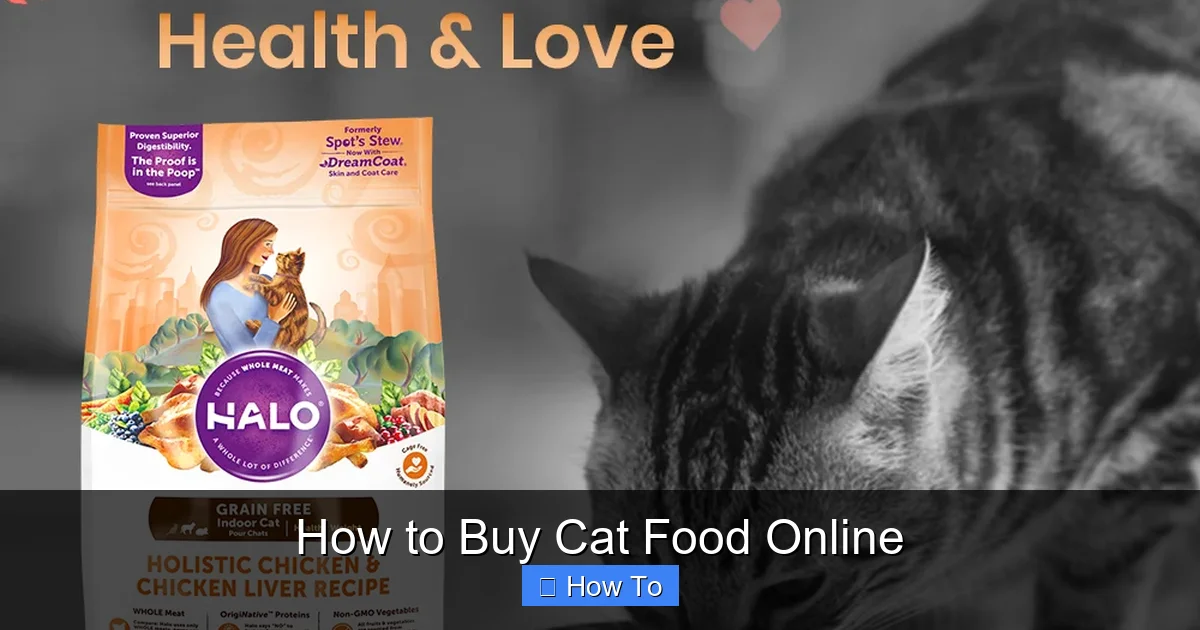
Visual guide about How to Buy Cat Food Online
Image source: 1.bp.blogspot.com
Before you even think about clicking “add to cart,” it’s essential to understand what your cat actually needs from their food. Cats are obligate carnivores, which means their bodies are designed to thrive on a diet rich in animal protein. Unlike dogs, they can’t synthesize certain nutrients on their own—like taurine, arachidonic acid, and vitamin A—so these must come from their food.
Consider Your Cat’s Life Stage
Not all cat food is created equal, and age plays a big role in determining the right formula:
- Kittens (under 1 year): Need high-calorie, protein-rich food to support rapid growth. Look for labels that say “kitten formula” or “growth.”
- Adult cats (1–7 years): Require balanced nutrition to maintain energy and weight. Choose “maintenance” or “adult” formulas.
- Senior cats (7+ years): Often benefit from lower-calorie diets with joint support and easier digestion. Look for “senior” or “mature” formulas.
Factor in Health Conditions
If your cat has a medical condition—such as kidney disease, diabetes, allergies, or obesity—your vet may recommend a prescription or therapeutic diet. These are often available online through veterinary portals or authorized retailers. Never switch to a medical diet without professional guidance.
Assess Activity Level and Weight
An indoor cat who lounges all day will need fewer calories than an outdoor adventurer. Overweight cats may benefit from weight management formulas, while underweight cats might need calorie-dense options. Use your vet’s advice to determine the ideal weight and caloric intake.
Step 2: Choose the Right Type of Cat Food
Once you know your cat’s needs, it’s time to decide on the type of food. The three main categories are dry, wet, and raw/freeze-dried. Each has pros and cons.
Dry Cat Food (Kibble)
- Pros: Convenient, cost-effective, promotes dental health (to some extent), and has a long shelf life.
- Cons: Lower moisture content, which can be a concern for cats prone to urinary issues. Some brands use fillers or artificial additives.
- Best for: Busy pet parents, multi-cat households, and cats who prefer crunchy textures.
Wet Cat Food (Canned or Pouches)
- Pros: High moisture content (up to 80%), which supports hydration and urinary health. Often more palatable and protein-rich.
- Cons: More expensive per serving, shorter shelf life after opening, and requires refrigeration.
- Best for: Cats with kidney issues, picky eaters, or those who don’t drink enough water.
Raw or Freeze-Dried Cat Food
- Pros: Mimics a natural diet, high in protein and moisture, minimal processing.
- Cons: Expensive, requires careful handling to avoid bacterial contamination, not all cats adapt well.
- Best for: Owners committed to a biologically appropriate raw diet (BARF), often used in rotation with other types.
Many cat owners use a combination—dry for free-feeding and wet for meals—to balance nutrition, cost, and convenience.
Step 3: Read Ingredient Labels Like a Pro
Not all cat food is created equal, and the ingredient list tells you everything you need to know. Here’s how to decode it.
Look for High-Quality Protein Sources
The first ingredient should be a named animal protein—like “chicken,” “salmon,” or “turkey”—not a by-product or meal. Avoid vague terms like “meat” or “animal digest.”
Avoid Common Fillers and Additives
Steer clear of foods that list corn, wheat, soy, or artificial colors and preservatives (like BHA, BHT, or ethoxyquin) near the top. These offer little nutritional value and may trigger allergies.
Check the Guaranteed Analysis
This section shows the minimum percentages of protein and fat, and maximum percentages of fiber and moisture. For adult cats, aim for:
- Protein: At least 30% (higher for kittens)
- Fat: 9–20%
- Moisture: 10% for dry food, 70–80% for wet
Look for AAFCO Statements
The Association of American Feed Control Officials (AAFCO) sets nutritional standards. A label that says “complete and balanced” and meets AAFCO guidelines ensures the food provides all essential nutrients.
Step 4: Research and Compare Brands
With thousands of brands available online, it’s important to narrow down your options. Start with reputable companies known for quality and transparency.
Top-Rated Cat Food Brands
Some well-regarded brands include:
- Royal Canin: Offers breed-specific and health-focused formulas.
- Hill’s Science Diet: Veterinarian-recommended, with science-backed nutrition.
- Purina Pro Plan: Wide variety, including sensitive skin and weight control options.
- Wellness: Natural ingredients, no artificial additives.
- Blue Buffalo: Real meat first, with life source bits for antioxidants.
- Instinct: Raw and grain-free options with high protein.
Use Comparison Tools
Websites like Chewy, Petco, and Amazon allow you to filter by brand, life stage, dietary need, and price. Use these filters to compare similar products side by side.
Read Customer Reviews
Look for reviews from verified buyers who mention their cat’s age, health, and preferences. Pay attention to comments about palatability, digestion, and coat condition. Avoid reviews that are overly promotional or vague.
Step 5: Choose a Trusted Online Retailer
Where you buy matters just as much as what you buy. Stick to reputable sites to ensure product authenticity, freshness, and reliable shipping.
Top Online Retailers for Cat Food
- Chewy: Known for excellent customer service, fast shipping, and a wide selection. Offers auto-ship discounts and a 100% satisfaction guarantee.
- Amazon: Convenient and often cheaper, but be cautious of third-party sellers. Stick to items sold and shipped by Amazon or authorized dealers.
- Petco: Offers same-day delivery in some areas and in-store pickup. Good for mixing online and in-person shopping.
- 1-800-PetMeds: Great for prescription diets and vet-recommended brands.
- Your Veterinarian’s Online Store: Many vets now offer online ordering with home delivery for prescription and therapeutic foods.
Check for Secure Websites and Return Policies
Always shop on sites with HTTPS encryption and clear return policies. Avoid unknown websites with prices that seem too good to be true—they may sell expired or counterfeit products.
Step 6: Compare Prices and Shipping Options
Online shopping isn’t just about convenience—it’s also about saving money. Here’s how to get the best deal.
Use Price Comparison Tools
Websites like Google Shopping or PriceGrabber let you compare prices across multiple retailers. You can also set up price alerts to notify you when a product drops in price.
Take Advantage of Auto-Ship Programs
Most major retailers offer subscription services that deliver food on a regular schedule (e.g., every 4 weeks). Benefits include:
- Discounts (usually 5–15% off)
- Free shipping
- Never running out of food
Just remember to adjust or cancel if your cat’s needs change.
Watch for Sales and Coupons
Sign up for newsletters from your favorite retailers to get exclusive discounts. Holidays like Black Friday and National Pet Day often feature big sales on pet food.
Consider Bulk Buying
If you have space and your cat eats the same food consistently, buying in bulk can save money. Just make sure the food will be used before the expiration date.
Step 7: Place Your Order
Now that you’ve done your research, it’s time to buy.
Create an Account
Most sites require an account to place an order. This also lets you track shipments, manage subscriptions, and save payment methods.
Select the Right Quantity
Estimate how much your cat eats per month. For example, a 10-pound cat may eat about 1 can of wet food per day or ½ cup of dry food. Adjust based on your cat’s appetite and vet recommendations.
Choose Shipping Speed
Standard shipping is usually free for orders over a certain amount (e.g., $49). If you’re in a hurry, expedited options are available—but they cost extra.
Review Before You Buy
Double-check the product, quantity, price, and shipping address. Make sure auto-ship is set up correctly if you’re subscribing.
Step 8: Receive and Store Your Cat Food
Once your order arrives, proper handling ensures your cat gets the freshest, safest food possible.
Check the Packaging
Inspect cans, bags, and pouches for damage, dents, or leaks. Do not use food from compromised packaging—it could be contaminated.
Verify Expiration Dates
Look for the “best by” or “use by” date. Most dry food lasts 12–18 months unopened, while wet food lasts 2–5 years. Use older items first.
Store Properly
- Dry food: Keep in a cool, dry place. Transfer to an airtight container to maintain freshness and prevent pests.
- Wet food: Store unopened cans in a pantry. Once opened, refrigerate and use within 5–7 days.
- Raw food: Keep frozen until ready to use. Thaw in the refrigerator, not at room temperature.
Step 9: Introduce the New Food Gradually
Switching foods too quickly can upset your cat’s stomach. Use a 7–10 day transition period.
Mix Old and New Food
Start by mixing 25% new food with 75% old food for a few days. Gradually increase the ratio until your cat is eating 100% new food.
Monitor for Reactions
Watch for signs of digestive upset, such as vomiting, diarrhea, or loss of appetite. If symptoms persist, consult your vet.
Be Patient with Picky Eaters
Some cats are slow to accept new flavors or textures. Try warming wet food slightly or adding a sprinkle of tuna juice to entice them.
Step 10: Monitor Your Cat’s Health and Adjust as Needed
After the transition, keep an eye on your cat’s overall well-being.
Look for Positive Signs
- Shiny coat
- Healthy weight
- Regular bowel movements
- High energy levels
- Good appetite
When to Switch Foods
If your cat shows signs of food intolerance, allergies, or isn’t thriving, it may be time to try a different formula. Always consult your vet before making major dietary changes.
Troubleshooting Common Issues
Even with careful planning, problems can arise. Here’s how to handle them.
My Cat Won’t Eat the New Food
Try mixing in a small amount of their old food or a topper like bone broth or freeze-dried meat. Some cats prefer pate over chunks, or vice versa.
The Food Arrived Damaged or Expired
Contact the retailer immediately. Most offer refunds or replacements for defective products.
I Accidentally Ordered the Wrong Type
Check the return policy. Many sites allow returns within 30 days if the product is unopened.
My Cat Has Digestive Issues After Switching
Slow down the transition period or try a different brand. If symptoms are severe, see your vet.
Conclusion
Buying cat food online doesn’t have to be complicated. By understanding your cat’s nutritional needs, reading labels carefully, choosing reputable brands and retailers, and monitoring your cat’s response, you can make smart, informed decisions that support their health and happiness. With the convenience of home delivery, subscription savings, and access to specialty diets, online shopping is a win-win for you and your feline friend. Start small, stay observant, and don’t hesitate to ask your vet for guidance. Your cat deserves the best—and now you know exactly how to give it to them.