
Buying cat food wholesale can save you money and ensure a steady supply of high-quality nutrition for your cats. This guide walks you through everything from finding reliable suppliers to negotiating the best deals.
Key Takeaways
- Research reputable suppliers: Look for wholesalers with strong reviews, transparent sourcing, and a history of quality control.
- Know your cat’s dietary needs: Choose food based on age, health, and preferences—don’t compromise on nutrition for bulk savings.
- Calculate storage space and shelf life: Buying in bulk means you need room to store food and a plan to use it before it expires.
- Compare pricing and shipping costs: The cheapest per-unit price isn’t always the best deal when shipping and handling are factored in.
- Start small and scale up: Test a supplier with a smaller order before committing to a large wholesale purchase.
- Build relationships with suppliers: Good communication can lead to better deals, faster shipping, and priority access to new products.
- Stay compliant with regulations: If you’re buying for a business or shelter, ensure the food meets local health and safety standards.
How to Buy Cat Food Wholesale: A Complete Step-by-Step Guide
If you’re a cat parent, shelter operator, or small pet business owner, you know how quickly cat food costs can add up. A single bag might last one cat a month, but multiply that by multiple cats—or a whole shelter—and your expenses can skyrocket. That’s where buying cat food wholesale comes in.
Buying cat food wholesale allows you to purchase large quantities at discounted prices, saving you money over time. But it’s not as simple as clicking “buy now” on the first bulk listing you find. To get the best value—and keep your cats healthy—you need a smart, informed approach.
In this guide, we’ll walk you through every step of the process: from understanding your needs and finding trustworthy suppliers, to negotiating deals, managing storage, and avoiding common pitfalls. Whether you’re feeding two cats or twenty, this guide will help you buy cat food wholesale like a pro.
Step 1: Assess Your Needs and Goals

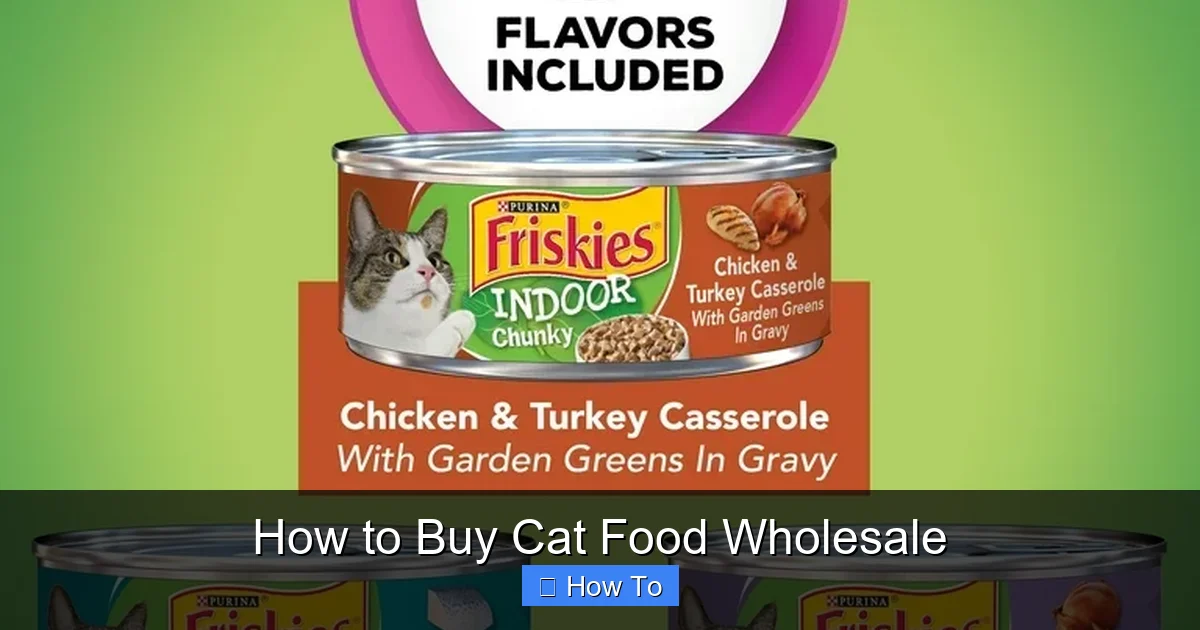
Visual guide about How to Buy Cat Food Wholesale
Image source: images.freshop.com
Before you start browsing wholesale cat food websites, take a step back and ask yourself: *Why* am I buying in bulk?
Are you trying to save money on your personal cat’s food? Running a rescue shelter? Starting a pet daycare? Your goals will shape your entire buying strategy.
Calculate Your Monthly Cat Food Usage
Start by figuring out how much food your cats actually eat.
For example:
– One adult cat typically eats about 1/3 to 1/2 cup of dry food per day.
– That’s roughly 10–15 cups per month.
– A standard 15-pound bag of dry cat food contains about 60 cups.
So, one bag lasts one cat about 4–6 months. If you have three cats, you’ll go through one bag every 1.5–2 months.
Now multiply that by 12 months: you’ll need 6–8 bags per year for three cats.
If you’re buying for a shelter with 20 cats, that’s 40–50 bags annually.
Determine Your Budget
Wholesale buying saves money, but it requires upfront cash. A single 50-pound bag might cost $60–$100, and a full pallet could run $1,000 or more.
Ask yourself:
– Can I afford to spend $500–$1,000 upfront?
– Will I use all the food before it expires?
– Do I have space to store it?
If the answer to any of these is “no,” you might want to start smaller.
Set Clear Goals
Your goals might include:
– Reducing monthly pet expenses by 20–30%
– Ensuring a consistent supply of high-quality food
– Supporting a rescue operation with limited funding
– Stocking up for emergencies (e.g., natural disasters, supply chain issues)
Write these down. They’ll help you stay focused when comparing suppliers and products.
Step 2: Choose the Right Type of Cat Food
Not all cat food is created equal—and not all wholesale options are suitable for every cat.
Understand the Types of Cat Food
There are three main types:
Dry food: Long shelf life (up to 18 months unopened), easy to store, cost-effective. Ideal for bulk buying.
Wet food: Higher moisture content, better for hydration, but shorter shelf life (1–2 years unopened, 5–7 days after opening). Cans take up more space and are heavier to ship.
Raw or freeze-dried: Premium nutrition, but expensive and perishable. Best for small-scale or specialty buyers.
For most wholesale buyers, dry food is the most practical choice. It’s cheaper per ounce, stores well, and is widely available in bulk.
Match Food to Your Cat’s Needs
Consider your cat’s:
– Age (kitten, adult, senior)
– Weight and activity level
– Health conditions (e.g., kidney disease, diabetes, allergies)
– Dietary preferences (grain-free, high-protein, limited ingredient)
For example:
– Kittens need high-calorie, nutrient-dense food.
– Senior cats benefit from joint support and easier digestion.
– Cats with urinary issues may need specialized formulas.
Don’t buy wholesale food that doesn’t meet your cat’s nutritional needs—even if it’s cheap. Health problems from poor diet can cost more in vet bills.
Read Labels Carefully
Look for:
– Named animal protein as the first ingredient (e.g., “chicken,” not “meat by-products”)
– No artificial colors, flavors, or preservatives (like BHA, BHT, ethoxyquin)
– AAFCO (Association of American Feed Control Officials) statement confirming nutritional adequacy
Avoid foods with fillers like corn, soy, or wheat—especially if your cat has sensitivities.
Step 3: Find Reliable Wholesale Suppliers
Now that you know what you need, it’s time to find where to buy it.
Types of Wholesale Suppliers
Pet food distributors: Companies that buy directly from manufacturers and sell to retailers, shelters, and individuals. Examples: Chewy Business, PetFlow, and local pet distributors.
Manufacturer direct: Some brands (like Blue Buffalo, Purina, or Wellness) sell directly to consumers in bulk. This cuts out the middleman and can save money.
Online wholesale marketplaces: Sites like Amazon Business, Boxed, or Costco Business Center offer bulk cat food. Great for small to medium buyers.
Local pet supply wholesalers: Check your area for regional distributors. They may offer lower shipping costs and faster delivery.
Farm and feed stores: Some carry bulk pet food, especially in rural areas. Prices can be competitive, but selection may be limited.
How to Vet a Supplier
Not all wholesalers are trustworthy. Here’s how to spot the good ones:
Check reviews and ratings: Look for feedback on Google, Yelp, or pet forums. Watch for complaints about expired food, poor packaging, or slow shipping.
Verify business credentials: Is the company licensed? Do they have a physical address and customer service number?
Ask about sourcing: Where does the food come from? Is it made in the USA, Canada, or Europe (generally higher safety standards)?
Request samples: Some suppliers offer small samples or trial sizes. This lets you test the food before committing to a large order.
Check return and refund policies: What happens if the food arrives damaged or expired? Can you return it?
Contact Suppliers Directly
Don’t just rely on website info. Call or email suppliers and ask:
– What’s your minimum order quantity?
– Do you offer discounts for larger orders?
– How do you handle shipping and handling?
– Can you provide lot numbers and expiration dates upfront?
– Do you carry the specific brand or formula I need?
A responsive, transparent supplier is a good sign.
Step 4: Compare Prices and Shipping Costs
The lowest per-bag price isn’t always the best deal. You need to look at the full cost.
Calculate the Total Cost per Unit
Let’s say Supplier A sells a 15-pound bag for $25 with $20 shipping.
Supplier B sells the same bag for $28 with free shipping on orders over $200.
If you buy 8 bags:
– Supplier A: ($25 x 8) + $20 = $220 → $27.50 per bag
– Supplier B: $28 x 8 = $224 → $28 per bag
Supplier A is cheaper—but only slightly.
Now factor in delivery time, packaging quality, and customer service. Is the $4 difference worth potential delays or damaged goods?
Watch for Hidden Fees
Some suppliers charge:
– Fuel surcharges
– Residential delivery fees
– Pallet handling fees
– Restocking fees for returns
Always ask for a full quote before ordering.
Consider Shipping Weight and Distance
Dry cat food is heavy. A 50-pound bag can cost $30–$60 to ship across the country.
If you’re buying a full pallet (40–50 bags), shipping could run $200–$500.
Look for suppliers with warehouses near you, or those that offer free shipping thresholds.
Step 5: Start with a Small Test Order
Before placing a huge wholesale order, test the supplier and product.
Order One or Two Bags First
This lets you:
– Check food quality and freshness
– See how well it’s packaged
– Test your cat’s reaction (does she like it? Any digestive issues?)
– Evaluate shipping speed and customer service
If everything checks out, you can confidently scale up.
Track Expiration Dates
Wholesale food should have a long shelf life—at least 12–18 months from the delivery date.
Check the “best by” or “use by” date on each bag. Avoid food that expires in less than 6 months unless you’re sure you’ll use it quickly.
Store Food Properly
Even the best food goes bad if stored incorrectly.
Keep cat food:
– In a cool, dry place (not in a garage or attic)
– In airtight containers (original bags can tear or let in moisture)
– Off the floor (to prevent pests and moisture)
– Away from strong odors (it can absorb smells)
Use older bags first (“first in, first out” method).
Step 6: Negotiate Better Deals
Once you’ve found a supplier you trust, it’s time to talk price.
Ask for Volume Discounts
Most wholesalers offer tiered pricing:
– 1–5 bags: $28 each
– 6–10 bags: $26 each
– 11+ bags: $24 each
If you’re buying for a shelter or business, you may qualify for even deeper discounts.
Bundling and Promotions
Some suppliers offer:
– Free shipping on orders over $300
– Buy 10, get 1 free
– Seasonal sales (e.g., back-to-school, holiday discounts)
Sign up for their newsletter to stay informed.
Build a Relationship
Call your supplier regularly. Let them know you’re a loyal customer. Over time, they may:
– Give you early access to sales
– Offer custom pricing
– Prioritize your orders during shortages
A good relationship can be as valuable as a low price.
Step 7: Manage Inventory and Usage
Buying in bulk only saves money if you use the food efficiently.
Create a Feeding Schedule
Track how much food your cats eat daily. Use a spreadsheet or app to log:
– Date opened
– Bag number
– Amount used per day
– Remaining quantity
This helps prevent waste and ensures you don’t run out.
Rotate Stock Regularly
Always use the oldest bags first. Label them with the date received.
If you have multiple storage areas, keep a master list so you know where everything is.
Plan for Emergencies
Keep a 1–2 month buffer in case of shipping delays or sudden increases in cat numbers (e.g., new rescues).
But don’t overstock—food expires, and tastes change.
Troubleshooting Common Problems
Even with the best planning, issues can arise. Here’s how to handle them:
Problem: Food Arrives Damaged or Expired
Solution: Take photos immediately. Contact the supplier within 24–48 hours. Most will replace damaged goods or issue a refund.
Problem: Cats Refuse to Eat the New Food
Solution: Transition slowly over 7–10 days. Mix increasing amounts of the new food with the old. If they still refuse, return unused bags (if possible) or donate them.
Problem: Storage Space Is Limited
Solution: Use under-bed storage bins, closet shelves, or rent a small storage unit. Consider splitting a large order with another cat owner or shelter.
Problem: Prices Increase After Your Order
Solution: Lock in pricing with a contract or prepayment agreement. Some suppliers offer price-matching for repeat customers.
Conclusion
Buying cat food wholesale is a smart way to save money, ensure quality, and keep your cats well-fed—but only if you do it right.
Start by understanding your needs, choosing the right food, and finding a trustworthy supplier. Test small, compare total costs, and negotiate for the best deal. Store food properly, track usage, and build strong relationships with vendors.
With this guide, you’re equipped to make informed, cost-effective decisions that benefit both your wallet and your cats. Remember: the goal isn’t just to buy cheap—it’s to buy smart.
So go ahead, stock up with confidence. Your cats (and your bank account) will thank you.