
Switching from kitten to cat food is essential for your pet’s long-term health, but it must be done gradually. This guide walks you through the process safely, helping you avoid stomach upset and ensure your cat adjusts smoothly to their new diet.
Key Takeaways
- Timing matters: Most cats should transition to adult food between 10–12 months, but larger breeds may need kitten food longer.
- Gradual transition is key: Mix increasing amounts of adult food with kitten food over 7–10 days to prevent digestive upset.
- Watch for signs of readiness: Slower growth, less frequent feeding, and chewing habits can signal it’s time to switch.
- Choose the right adult food: Look for high-quality protein, balanced nutrients, and AAFCO certification.
- Monitor your cat’s response: Track appetite, energy, coat condition, and litter box habits after the switch.
- Consult your vet if unsure: Health conditions or breed-specific needs may require personalized advice.
- Stay consistent once transitioned: Avoid frequent food changes to maintain digestive health.
How to Change from Kitten to Cat Food: A Complete Guide
Congratulations—your kitten is growing up! As your furry friend approaches their first birthday, you’re probably wondering when and how to switch from kitten food to adult cat food. It’s an important milestone in your cat’s life, and doing it right ensures they stay healthy, energetic, and happy.
In this guide, we’ll walk you through everything you need to know about transitioning from kitten to cat food—from knowing when it’s time to make the switch, to choosing the best adult food, and doing the transition safely. We’ll cover practical tips, common mistakes to avoid, and what to watch for during and after the change. By the end, you’ll feel confident making this important dietary shift for your cat.
Why Switch from Kitten to Cat Food?
Kitten food is specially formulated to support rapid growth, high energy needs, and developmental milestones. It’s packed with extra calories, protein, fat, and essential nutrients like DHA for brain development. But once your cat reaches adulthood, their metabolism slows down, and their nutritional needs change.

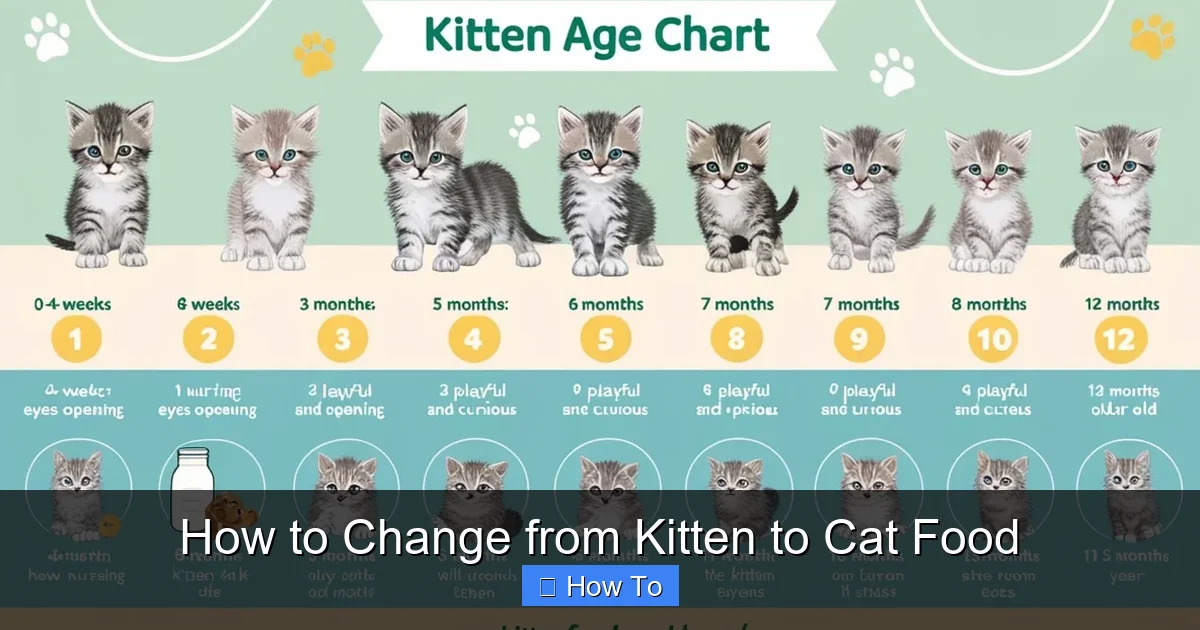
Visual guide about How to Change from Kitten to Cat Food
Image source: sagormart.com.bd
Feeding adult cats kitten food long-term can lead to weight gain, obesity, and even health issues like diabetes or joint problems. Adult cat food is balanced to maintain—not accelerate—growth, with appropriate levels of protein, fat, and fiber to support a healthy weight and overall wellness.
Think of it like switching from toddler meals to regular adult meals. Just as kids don’t need the same high-calorie diet forever, cats don’t need kitten food once they’ve reached maturity. The switch helps prevent overfeeding and supports long-term health.
When Should You Make the Switch?
Most cats are ready to transition to adult food between 10 and 12 months of age. However, the exact timing depends on your cat’s breed, size, and growth rate.
Small to Medium Breeds
Smaller cats, like domestic shorthairs or Siamese, typically reach maturity faster. You can usually start the transition around 10–12 months.
Large or Giant Breeds
Larger breeds such as Maine Coons, Ragdolls, or Norwegian Forest Cats grow more slowly and may benefit from kitten food until they’re 18 months old. These cats need the extra nutrients to support their extended growth period.
Signs It’s Time to Switch
Even if your cat hasn’t hit the 12-month mark, look for these signs that they’re ready for adult food:
- Growth has slowed or stopped—your cat isn’t getting significantly bigger.
- They’re less active or playful than before (though this can also signal health issues).
- They’re eating less frequently or seem less interested in food.
- They’re chewing food more thoroughly instead of gulping it down.
If you’re unsure, consult your veterinarian. They can assess your cat’s weight, body condition, and overall health to recommend the best time to switch.
Choosing the Right Adult Cat Food
Not all adult cat foods are created equal. The quality of ingredients and nutritional balance make a big difference in your cat’s health. Here’s what to look for:
High-Quality Protein
Cats are obligate carnivores, meaning they need animal-based protein to thrive. Look for a food where a named meat (like chicken, turkey, or salmon) is the first ingredient. Avoid foods with vague terms like “meat meal” or “by-products” unless they’re clearly labeled and from reputable sources.
AAFCO Statement
Check the label for an AAFCO (Association of American Feed Control Officials) statement. It should say the food is “complete and balanced” for adult maintenance. This ensures the food meets minimum nutritional standards.
Moderate Fat and Calories
Adult cats need less fat and fewer calories than kittens. Too much can lead to obesity. Look for foods with around 10–15% fat and moderate calorie density (around 350–400 kcal per cup for dry food).
Added Taurine and Omega Fatty Acids
Taurine is essential for heart and eye health. Omega-3 and omega-6 fatty acids support a shiny coat and healthy skin. These should be listed in the ingredients.
Minimal Fillers and Additives
Avoid foods with excessive grains, corn, soy, artificial colors, or preservatives. While some grains are fine, they shouldn’t dominate the ingredient list.
Dry vs. Wet Food
Both have pros and cons. Wet food provides hydration and is often more palatable, while dry food is convenient and can help with dental health. Many owners choose a mix of both. If you’re switching from dry kitten food, consider introducing wet adult food gradually to keep your cat hydrated.
Popular high-quality brands include Royal Canin, Hill’s Science Diet, Purina Pro Plan, and Wellness. Always read reviews and consider your cat’s preferences and any health needs.
How to Transition from Kitten to Cat Food
The key to a successful transition is gradual change. Sudden switches can upset your cat’s stomach, leading to diarrhea, vomiting, or refusal to eat. Follow this 7–10 day plan for a smooth switch.
Step 1: Prepare the New Food
Buy a small bag of the adult food you’ve chosen. This lets you test it without wasting money if your cat doesn’t like it. Store it in an airtight container to keep it fresh.
Step 2: Start Mixing (Day 1–3)
Begin by mixing 25% adult food with 75% kitten food. For example, if you feed 1/2 cup per meal, use 3/8 cup kitten food and 1/8 cup adult food.
Serve the mixture at your cat’s regular feeding times. Most cats won’t notice the change at this ratio.
Step 3: Increase the Ratio (Day 4–6)
Gradually increase the adult food to 50%. Now it’s a 50/50 mix. Continue feeding at the same times and amounts.
Watch your cat’s reaction. If they eat it eagerly and show no digestive issues, you’re on track.
Step 4: Shift to Mostly Adult Food (Day 7–9)
Move to 75% adult food and 25% kitten food. Your cat should now be eating mostly the new food.
This is a critical stage. Some cats may resist the change. If your cat sniffs or walks away, don’t panic. Try warming the food slightly (not hot) to enhance the smell, or mix in a small amount of wet food to make it more appealing.
Step 5: Complete the Transition (Day 10+)
By day 10, your cat should be eating 100% adult food. Continue feeding the same amount and schedule unless your vet recommends otherwise.
If your cat still seems hesitant, extend the transition by a few more days. Patience is key.
Tips for a Smooth Transition
Even with a gradual plan, some cats can be picky or sensitive. Here are tips to make the switch easier:
Stick to a Routine
Cats thrive on consistency. Feed at the same times each day and avoid changing other aspects of their routine during the transition.
Warm the Food
Warming wet food or adding a little warm water to dry food can enhance the aroma and make it more enticing.
Add Toppers (Temporarily)
Sprinkle a small amount of freeze-dried chicken, tuna juice, or a favorite treat on top to encourage eating. Use this sparingly and phase it out once your cat adjusts.
Offer Small, Frequent Meals
If your cat is hesitant, try offering smaller portions more often. This reduces pressure and can help them accept the new food.
Be Patient with Picky Eaters
Some cats take longer to adapt. Don’t force it. If they skip a meal but are otherwise healthy, wait and try again later. Never punish or scold your cat for not eating.
Monitor Water Intake
Ensure your cat drinks plenty of water, especially if switching to dry food. Dehydration can worsen digestive issues.
What to Watch For During and After the Transition
Your cat’s body needs time to adjust to the new food. Keep an eye out for these signs:
Digestive Upset
Mild diarrhea or soft stools are common during the first few days. This should resolve within 3–5 days. If it persists, slows your cat down, or includes vomiting, stop the transition and consult your vet.
Changes in Appetite
It’s normal for appetite to fluctuate slightly. But if your cat refuses food for more than 24 hours, seek veterinary advice. Cats can develop serious liver issues if they stop eating.
Energy Levels
Your cat should remain active and playful. Lethargy, hiding, or unusual behavior could signal a problem.
Coat and Skin Condition
A healthy coat should stay shiny and soft. Dull fur, flaky skin, or excessive shedding may indicate a nutritional imbalance.
Litter Box Habits
Monitor stool consistency, frequency, and urine output. Changes could point to digestive or urinary issues.
If you notice any concerning symptoms, pause the transition and talk to your vet. They may recommend a different food or further testing.
Troubleshooting Common Problems
Even with the best plan, issues can arise. Here’s how to handle them:
My Cat Won’t Eat the New Food
Try mixing in a small amount of their old kitten food or a high-value treat. Gradually reduce the amount over several days. You can also try a different brand or flavor of adult food.
My Cat Has Diarrhea
Slow down the transition. Go back to a 75/25 mix and hold it for a few extra days. Ensure they’re drinking water. If symptoms last more than 48 hours, contact your vet.
My Cat Is Gaining Weight
Adult food has fewer calories, but portion control is still important. Use a measuring cup and follow feeding guidelines. Increase playtime to boost activity.
My Cat Is Losing Weight
This could mean the new food isn’t meeting their needs. Consult your vet to rule out health issues and adjust the diet if necessary.
My Cat Is Vomiting
Occasional vomiting isn’t always serious, but frequent vomiting after eating could indicate food intolerance or illness. Stop the transition and see your vet.
Special Considerations
Some cats have unique needs that affect the transition:
Indoor Cats
Indoor cats are more prone to weight gain. Choose a formula labeled “indoor” or “weight control” if your cat is less active.
Senior Cats (Over 7 Years)
If your cat is approaching senior age, talk to your vet about transitioning to senior-specific food instead of standard adult food.
Cats with Health Conditions
Cats with diabetes, kidney disease, or food allergies may need prescription or specialized diets. Always consult your vet before making changes.
Multi-Cat Households
If you have both kittens and adult cats, feed them separately to prevent the kitten from eating adult food too early or the adult from stealing kitten food.
Maintaining a Healthy Diet After the Switch
Once your cat is fully on adult food, consistency is key. Avoid frequent food changes, as they can upset the digestive system.
Stick to a feeding schedule—twice a day is ideal for most adult cats. Measure portions to prevent overfeeding. Use puzzle feeders or slow feeders to encourage natural eating behaviors.
Provide fresh water daily and consider a water fountain to encourage drinking. Regular vet check-ups will help ensure your cat’s diet continues to meet their needs as they age.
Conclusion
Changing from kitten to cat food is a natural and necessary step in your pet’s life. Done correctly, it supports healthy growth, maintains energy levels, and prevents long-term health issues. By timing the switch appropriately, choosing a high-quality adult food, and transitioning gradually over 7–10 days, you can make the process smooth and stress-free for both you and your cat.
Remember, every cat is different. Pay attention to your pet’s behavior, appetite, and overall health throughout the transition. When in doubt, your veterinarian is your best resource. With a little patience and care, your cat will thrive on their new adult diet—and enjoy many happy, healthy years ahead.