
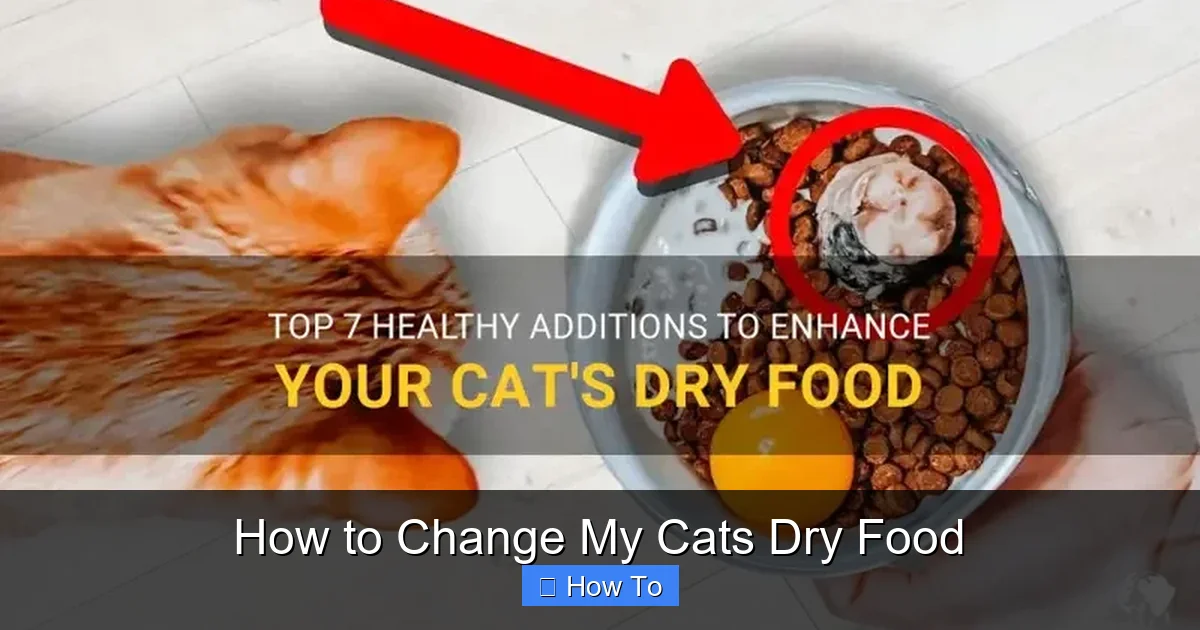
Switching your cat’s dry food doesn’t have to be stressful. This guide walks you through a safe, gradual transition to prevent digestive issues and ensure your cat accepts the new diet. Follow our expert tips for a smooth changeover.
Key Takeaways
- Gradual transition is essential: Sudden food changes can cause vomiting, diarrhea, or refusal to eat. Always mix the old and new food over 7–10 days.
- Choose the right food for your cat’s needs: Consider age, weight, health conditions, and activity level when selecting a new dry food.
- Monitor your cat’s reaction closely: Watch for changes in appetite, energy, coat condition, and litter box habits during the switch.
- Introduce variety slowly: If rotating between brands or formulas, do so gradually to avoid upsetting your cat’s stomach.
- Consult your vet for health concerns: Cats with medical conditions may need special diets—always get professional advice before making changes.
- Store food properly: Keep dry food in an airtight container to maintain freshness and prevent spoilage.
- Be patient and consistent: Some cats take longer to adapt. Stick to the plan and avoid giving in to begging with old food.
How to Change My Cat’s Dry Food: A Complete Step-by-Step Guide
Changing your cat’s dry food might seem simple—just open a new bag and pour it in, right? But for many cat owners, this routine task can turn into a stressful ordeal. Cats are famously picky eaters, and their digestive systems are sensitive to sudden dietary changes. Whether you’re switching brands, formulas, or trying a new flavor, doing it the right way is crucial for your cat’s health and happiness.
In this guide, you’ll learn exactly how to change your cat’s dry food safely and effectively. We’ll cover why gradual transitions matter, how to choose the best food for your feline friend, step-by-step instructions for the switch, and what to do if your cat resists the change. By the end, you’ll feel confident making dietary adjustments that support your cat’s long-term wellness.
Why You Might Want to Change Your Cat’s Dry Food
Visual guide about How to Change My Cats Dry Food
Image source: pimcdn.sharafdg.com
There are many good reasons to consider changing your cat’s dry food. Maybe your cat has gained weight and needs a lower-calorie option. Perhaps they’re showing signs of food allergies, like itchy skin or digestive upset. Or maybe you’ve learned more about pet nutrition and want to upgrade to a higher-quality brand with better ingredients.
Other common reasons include:
- Your cat has reached a new life stage (kitten, adult, senior)
- You’re switching from dry to wet food or adding variety
- The current food is no longer available
- Your vet recommended a prescription diet for a health issue
- You want to try a grain-free, high-protein, or limited-ingredient formula
Whatever your reason, the key is to make the change thoughtfully. Cats thrive on routine, and abrupt shifts can lead to stress, refusal to eat, or gastrointestinal problems.
How to Choose the Right New Dry Food
Before you even think about mixing foods, take time to select the best dry food for your cat. Not all kibble is created equal, and what works for one cat might not suit another.
Consider Your Cat’s Age and Life Stage
Kittens need food rich in calories, protein, and fat to support rapid growth. Adult cats require balanced nutrition to maintain energy and muscle mass. Senior cats often benefit from lower-calorie, high-fiber diets that support joint health and digestion.
Look for labels that say “complete and balanced” and meet AAFCO (Association of American Feed Control Officials) standards for your cat’s life stage.
Evaluate Ingredient Quality
The first ingredient should be a named animal protein—like chicken, turkey, or salmon—not a by-product or filler. Avoid foods with excessive corn, soy, wheat, or artificial preservatives like BHA and BHT.
High-quality dry foods often include:
- Real meat as the first ingredient
- Healthy fats (like chicken fat or fish oil)
- Digestive aids (such as probiotics or fiber)
- No artificial colors or flavors
Match the Food to Your Cat’s Health Needs
If your cat has specific health concerns, choose a formula designed to support them:
- Weight management: Look for “light” or “low-calorie” formulas with high protein and low fat.
- Urinary health: Foods that promote urine pH balance can help prevent crystals and stones.
- Hairball control: High-fiber kibble helps move hair through the digestive tract.
- Food sensitivities: Limited-ingredient or hypoallergenic diets with novel proteins (like duck or rabbit) can reduce reactions.
Read Reviews and Ask Your Vet
Check online reviews from other cat owners, but don’t rely solely on marketing claims. Your veterinarian is your best resource—especially if your cat has chronic conditions. They can recommend trusted brands and help you avoid foods that might worsen health issues.
Step-by-Step Guide to Changing Your Cat’s Dry Food
Now that you’ve chosen the right food, it’s time to make the switch. The golden rule? Go slow. A gradual transition over 7 to 10 days gives your cat’s digestive system time to adapt and reduces the risk of upset.
Step 1: Gather Your Supplies
Before you begin, make sure you have:
- The new dry food (in its original bag or airtight container)
- Your cat’s current dry food
- A clean food bowl
- A measuring cup or scoop
- A notebook or app to track your cat’s reaction (optional but helpful)
Step 2: Start the Transition Schedule
Use this 7-day plan as a guideline. Adjust the timeline if your cat shows signs of stress or digestive issues—some cats need up to 14 days.
| Day | Old Food | New Food |
|---|---|---|
| 1–2 | 75% | 25% |
| 3–4 | 50% | 50% |
| 5–6 | 25% | 75% |
| 7+ | 0% | 100% |
Step 3: Mix the Foods Thoroughly
Each day, measure out your cat’s usual portion and combine the old and new food according to the schedule. Stir well so the kibble is evenly mixed. This helps your cat get used to the new taste and texture gradually.
Step 4: Serve at the Same Time Each Day
Cats love routine. Serve meals at consistent times to reduce anxiety. If you free-feed (leave food out all day), still mix the foods and replace the bowl daily to keep it fresh.
Step 5: Observe Your Cat’s Behavior
Keep an eye on:
- Appetite: Is your cat eating the mixed food?
- Energy levels: Are they still active and playful?
- Litter box habits: Any diarrhea, constipation, or vomiting?
- Coat and skin: Is their fur shiny and free of dander?
If your cat refuses to eat the mixture, don’t panic. Some cats are more resistant than others. We’ll cover troubleshooting tips later.
Step 6: Complete the Transition
By day 7, your cat should be eating 100% of the new food. Continue monitoring for another week to ensure they’re adjusting well. If everything looks good, congratulations—you’ve successfully changed your cat’s dry food!
Practical Tips for a Smooth Transition
Even with the best plan, challenges can arise. Here are some proven strategies to make the switch easier.
Warm the Food Slightly
Cats have a strong sense of smell. Warming the kibble for 10–15 seconds in the microwave (or mixing with a little warm water) can enhance the aroma and make it more appealing. Just make sure it’s not too hot before serving.
Add a Topper or Treat
Sprinkle a small amount of wet food, broth (make sure it’s cat-safe and low-sodium), or freeze-dried meat on top of the kibble. This can entice picky eaters and help them associate the new food with something delicious.
Stick to One Change at a Time
If you’re switching food, avoid making other changes simultaneously—like moving the food bowl, changing litter, or introducing a new pet. Too many adjustments at once can stress your cat and make them reject the food.
Be Patient with Picky Eaters
Some cats take longer to accept new food. If your cat sniffs and walks away, don’t give in and offer the old food right away. Instead, wait a few hours and try again. Consistency is key.
Use Positive Reinforcement
Praise your cat when they eat the new food. A gentle “good job” or a soft pet can create a positive association. Avoid forcing or scolding—this can create negative feelings around mealtime.
Troubleshooting Common Problems
Even with careful planning, issues can come up. Here’s how to handle the most common challenges.
My Cat Won’t Eat the New Food
This is the number one concern for cat owners. If your cat refuses the mixture:
- Go back to a higher ratio of old food (e.g., 90% old, 10% new) for a few extra days.
- Try a different flavor or brand—your cat might not like the taste or texture.
- Offer the new food alone for a short time (1–2 days) to see if they’ll eat it without the old food mixed in.
- Consult your vet if your cat hasn’t eaten for more than 24–48 hours—this can lead to serious health issues like hepatic lipidosis.
My Cat Has Diarrhea or Vomiting
Digestive upset is common during food transitions, but it should resolve within a few days. If symptoms persist:
- Slow down the transition—extend the mixing period to 10–14 days.
- Ensure the new food isn’t too rich or high in fat for your cat’s system.
- Check for food allergies or intolerances—common culprits include chicken, beef, or grains.
- Contact your vet if vomiting is frequent, diarrhea lasts more than 48 hours, or your cat seems lethargic or dehydrated.
My Cat Is Gaining or Losing Weight
Weight changes can happen when switching foods due to differences in calorie content. Monitor your cat’s body condition:
- You should be able to feel their ribs easily but not see them prominently.
- There should be a visible waist when viewed from above.
- If your cat is gaining weight, consider a lower-calorie formula or reduce portion sizes.
- If they’re losing weight unexpectedly, consult your vet to rule out underlying health issues.
The New Food Seems to Cause Bad Breath or Gas
Some ingredients, like fish or certain proteins, can affect breath or digestion. This isn’t always a problem, but if it’s severe:
- Try a different protein source.
- Look for foods with added enzymes or probiotics to support digestion.
- Ensure your cat is drinking enough water—dehydration can worsen digestive issues.
How to Store Dry Food Properly
Once you’ve made the switch, proper storage keeps the food fresh and safe.
Keep It in an Airtight Container
Transfer the kibble to a sealed container to protect it from moisture, pests, and air. Avoid leaving food in the original bag inside the container—close the bag tightly and place it in the container to prevent spills.
Store in a Cool, Dry Place
Heat and humidity can cause fats in the food to go rancid. Keep the container in a pantry or cupboard, away from direct sunlight or appliances that generate heat.
Don’t Buy in Bulk Unless You Can Use It Quickly
Dry food typically stays fresh for 6–8 weeks after opening. If you buy large bags, make sure your cat will finish it before it loses quality.
Wash the Food Bowl Daily
Bacteria can grow in leftover kibble, especially in warm environments. Rinse the bowl with warm, soapy water each day to keep it clean.
When to Consult Your Veterinarian
While most cats adapt well to food changes, some situations require professional guidance.
Your Cat Has a Medical Condition
Cats with diabetes, kidney disease, hyperthyroidism, or inflammatory bowel disease often need prescription diets. Never switch these cats to a new food without vet approval.
Your Cat Shows Signs of Allergies
Chronic itching, ear infections, or gastrointestinal issues may indicate a food allergy. Your vet can recommend an elimination diet or hypoallergenic food.
Your Cat Stops Eating Entirely
Anorexia in cats is dangerous and can lead to liver damage within days. If your cat refuses food for more than 24 hours, seek veterinary care immediately.
You’re Unsure About Nutritional Needs
If you’re confused about protein levels, calories, or supplements, your vet or a veterinary nutritionist can help you make the best choice.
Long-Term Tips for Feeding Success
Changing your cat’s food is just one part of responsible pet ownership. Here’s how to keep them healthy for years to come.
Rotate Flavors Occasionally
Some experts recommend rotating between different protein sources (chicken, turkey, fish) every few months. This can prevent food sensitivities and keep mealtime interesting. Just remember to transition slowly between flavors.
Monitor Portion Sizes
Overfeeding is a common cause of obesity in cats. Follow the feeding guidelines on the package, but adjust based on your cat’s weight, age, and activity level.
Encourage Hydration
Dry food contains little moisture. Always provide fresh water, and consider adding a water fountain to encourage drinking. Some cats also benefit from occasional wet food to boost hydration.
Schedule Regular Vet Checkups
Annual or biannual visits help catch health issues early. Your vet can assess your cat’s weight, coat, and overall condition and recommend dietary adjustments as needed.
Conclusion
Changing your cat’s dry food doesn’t have to be a battle. With patience, planning, and a gradual approach, you can make the transition smooth and stress-free for both you and your feline friend. Remember: slow and steady wins the race. By mixing the old and new food over 7–10 days, choosing a high-quality diet suited to your cat’s needs, and watching for any signs of trouble, you’ll set your cat up for better health and happier mealtimes.
Don’t rush the process. Celebrate small victories—like your cat sniffing the new kibble or taking a few bites. And if challenges arise, stay calm and adjust your plan as needed. Your cat relies on you to make the best choices for their well-being.
With the tips and steps in this guide, you’re well-equipped to handle any food change with confidence. Here’s to many more delicious, nutritious meals for your beloved cat!