
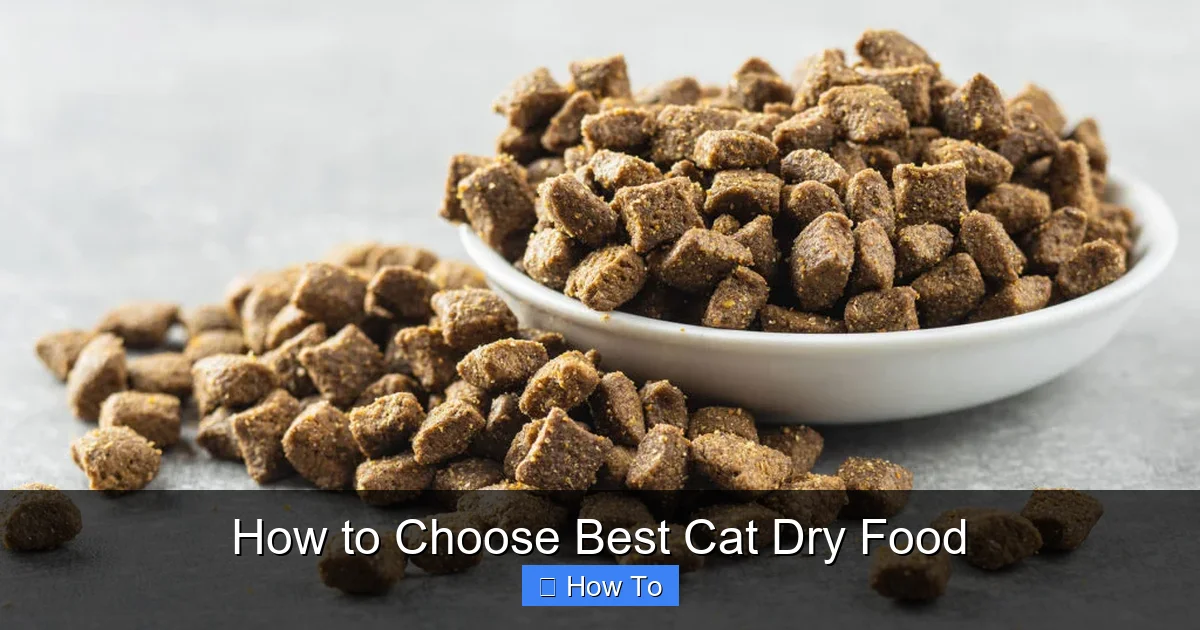
Choosing the best cat dry food doesn’t have to be overwhelming. This guide walks you through key factors like protein content, ingredient quality, and your cat’s age and health needs to help you make a smart, informed decision. Your cat deserves the best—start here.
Key Takeaways
- Prioritize high-quality animal protein: Look for named meat sources like chicken, turkey, or salmon as the first ingredient.
- Check for AAFCO compliance: Ensure the food meets nutritional standards for your cat’s life stage (kitten, adult, senior).
- Avoid fillers and artificial additives: Steer clear of corn, soy, by-products, and artificial colors or preservatives.
- Consider your cat’s health needs: Choose formulas tailored for weight management, urinary health, or sensitive digestion if needed.
- Compare brands and read labels carefully: Not all “premium” brands are equal—ingredient lists and sourcing matter more than marketing.
- Transition gradually: When switching foods, mix the old and new over 7–10 days to avoid digestive upset.
- Monitor your cat’s response: Watch for healthy coat, energy levels, and consistent digestion as signs of a good diet.
How to Choose the Best Cat Dry Food: A Complete Guide
Choosing the best cat dry food might seem simple—just grab a bag off the shelf, right? But with hundreds of brands, flashy labels, and confusing ingredient lists, it’s easy to feel overwhelmed. The truth is, not all dry cat food is created equal. What your cat eats directly impacts their energy, coat health, digestion, and even lifespan. That’s why making an informed choice matters.
In this guide, you’ll learn exactly how to choose the best cat dry food for your feline friend. We’ll break down what to look for on labels, how to match food to your cat’s age and health, and how to avoid common pitfalls. Whether you’re a new cat parent or a seasoned owner looking to upgrade your pet’s diet, this step-by-step guide will help you make a confident, healthy decision.
Step 1: Understand Your Cat’s Nutritional Needs
Cats are obligate carnivores, which means their bodies are designed to thrive on a meat-based diet. Unlike dogs, cats can’t synthesize certain nutrients on their own—they must get them from food. That’s why high-quality protein is non-negotiable.

Visual guide about How to Choose Best Cat Dry Food
Image source: vetranch.org
Protein: The Foundation of a Healthy Diet
Look for dry cat food where a named animal protein is the first ingredient. “Chicken,” “turkey,” or “salmon” are ideal. Avoid vague terms like “meat meal” or “animal by-products,” which can include low-quality or unspecified sources.
Adult cats need at least 26–30% protein in their diet, while kittens and pregnant cats require even more—around 30–40%. Check the guaranteed analysis on the back of the bag to confirm protein levels.
Fats and Essential Fatty Acids
Healthy fats provide energy and support skin and coat health. Look for sources like chicken fat, fish oil, or flaxseed. Omega-3 and omega-6 fatty acids are especially important for reducing inflammation and promoting a shiny coat.
Avoid foods with excessive fat content (over 20%), which can lead to obesity. Balance is key.
Carbohydrates: Keep Them Low
Cats don’t need carbs. In fact, too many can cause weight gain and digestive issues. While some carbs (like sweet potatoes or peas) are acceptable in small amounts, avoid foods where grains like corn, wheat, or soy dominate the ingredient list.
Vitamins, Minerals, and Taurine
Taurine is an essential amino acid for cats. Without it, they can develop heart disease or vision problems. Most quality dry foods include taurine, but it’s worth checking the label.
Other vital nutrients include vitamin A, vitamin E, calcium, and phosphorus. These should be naturally present or added in balanced amounts.
Step 2: Read the Ingredient List Like a Pro
The ingredient list tells you everything you need to know about a cat food’s quality. Ingredients are listed by weight, so the first few items matter most.
What to Look For
- Named meat sources: “Deboned chicken” or “turkey meal” are excellent. “Chicken meal” is also acceptable—it’s concentrated protein from cooked chicken.
- Whole vegetables and fruits: Carrots, blueberries, or spinach can provide fiber and antioxidants.
- Natural preservatives: Look for mixed tocopherols (vitamin E) instead of BHA, BHT, or ethoxyquin.
What to Avoid
- Fillers: Corn, soy, wheat, and rice bran offer little nutritional value and can trigger allergies.
- By-products: These can include parts of animals not typically eaten by humans. While not always bad, they’re often lower quality.
- Artificial colors and flavors: Cats don’t care about food color. Dyes like Red 40 or Blue 2 serve no purpose and may cause sensitivities.
- Excessive carbohydrates: If grains or starches appear in the top five ingredients, consider a different brand.
Example: A high-quality ingredient list might read: “Deboned chicken, chicken meal, peas, sweet potatoes, chicken fat, flaxseed, natural flavor, taurine…” This shows real meat first, healthy fats, and minimal fillers.
Step 3: Match Food to Your Cat’s Life Stage
Just like humans, cats have different nutritional needs at different ages. Feeding kitten food to an adult cat—or vice versa—can lead to health problems.
Kittens (Under 1 Year)
Kittens grow rapidly and need more calories, protein, and fat. Choose a formula labeled “kitten” or “growth.” These foods support brain development, strong bones, and a healthy immune system.
Look for DHA (an omega-3 fatty acid) for cognitive development. Kittens also benefit from smaller kibble sizes that are easier to chew.
Adult Cats (1–7 Years)
Adult cats need balanced nutrition to maintain weight and energy. Choose a formula labeled “adult” or “maintenance.” These foods focus on sustaining muscle mass, healthy digestion, and a shiny coat.
If your cat is indoor-only, consider an “indoor formula” with slightly fewer calories and added fiber to support digestion and reduce hairballs.
Senior Cats (7+ Years)
Older cats often have slower metabolisms and may develop health issues like kidney disease or arthritis. Senior formulas typically have lower phosphorus (to support kidney function), added joint support (like glucosamine), and higher fiber for digestion.
Some senior foods are also lower in calories to prevent weight gain, but don’t switch too early—some active seniors still need adult food.
Step 4: Consider Health Conditions and Special Needs
Your cat’s health should guide your food choice. If your vet has diagnosed a condition, they may recommend a therapeutic diet. But even without a diagnosis, certain formulas can help prevent common issues.
Weight Management
Over 60% of cats in the U.S. are overweight or obese. If your cat needs to slim down, choose a “light” or “weight control” formula. These foods are lower in fat and calories but still high in protein to preserve muscle.
Look for added L-carnitine, which helps convert fat into energy. Avoid “diet” foods that are just filled with fiber—they may leave your cat hungry and unsatisfied.
Urinary Health
Urinary tract issues are common in cats, especially males. Foods labeled “urinary health” or “pH balanced” help maintain proper urine acidity and reduce crystal formation.
These formulas often have controlled mineral levels (magnesium, phosphorus) and increased moisture content—even in dry food, some brands use added water or broth.
Digestive Sensitivity
If your cat has frequent vomiting, diarrhea, or gas, they may have a sensitive stomach. Look for “sensitive digestion” formulas with easily digestible proteins (like turkey or duck) and prebiotic fibers (like beet pulp or chicory root).
Some cats benefit from limited-ingredient diets, which use only one or two protein sources to reduce the risk of allergies.
Hairball Control
Long-haired cats or frequent groomers often struggle with hairballs. Hairball formulas include extra fiber (like psyllium or cellulose) to help move hair through the digestive tract.
Regular brushing and hydration also help—dry food alone won’t solve the problem.
Step 5: Check for AAFCO Compliance
The Association of American Feed Control Officials (AAFCO) sets nutritional standards for pet food. While not a government agency, AAFCO guidelines are widely accepted as the benchmark for quality.
What AAFCO Means
Look for a statement on the bag like: “This product is formulated to meet the nutritional levels established by the AAFCO Cat Food Nutrient Profiles for [life stage].”
This means the food has been tested or analyzed to meet minimum requirements for that life stage. Without this, the food may be incomplete or unbalanced.
Two Types of AAFCO Statements
- Formulated to meet AAFCO standards: The recipe was designed to meet guidelines, but not necessarily tested in feeding trials.
- Animal feeding tests substantiate: The food was actually tested on cats over time to ensure it supports health. This is the gold standard.
While both are acceptable, foods that have undergone feeding trials offer extra assurance of quality.
Step 6: Compare Brands and Price Points
Not all “premium” brands are worth the price—and not all budget brands are bad. The key is to compare based on ingredients, not marketing.
Super-Premium Brands
Brands like Orijen, Acana, and Wellness CORE use high-quality, human-grade ingredients and often include fresh meat. They’re typically more expensive but offer excellent nutrition.
These foods are great for cats with allergies or picky eaters, but they may not be necessary for every cat.
Mid-Range Brands
Brands like Blue Buffalo, Hill’s Science Diet, and Royal Canin offer balanced nutrition at a more affordable price. Many are vet-recommended and widely available.
Some mid-range brands have both standard and therapeutic lines, so you can choose based on your cat’s needs.
Store Brands and Budget Options
Store brands (like Purina ONE or Iams) can be good choices if they meet AAFCO standards and have quality ingredients. However, read labels carefully—some store brands use more fillers or by-products.
Avoid the cheapest options, which often rely on corn, soy, and artificial additives.
Price vs. Value
Higher price doesn’t always mean better food. Focus on ingredient quality and your cat’s response. A $30 bag that your cat thrives on is a better value than a $50 bag they won’t eat.
Also consider cost per pound and feeding guidelines. Some high-protein foods require smaller portions, which can offset the higher price.
Step 7: Transition to New Food Gradually
Switching cat food too quickly can cause vomiting, diarrhea, or refusal to eat. Cats are creatures of habit, and sudden changes upset their digestive system.
How to Switch Safely
Follow a 7–10 day transition plan:
- Days 1–2: 75% old food, 25% new food
- Days 3–4: 50% old food, 50% new food
- Days 5–6: 25% old food, 75% new food
- Day 7+: 100% new food
Monitor your cat’s stool, appetite, and behavior during the transition. If they show signs of digestive upset, slow down the process.
Tips for Picky Eaters
- Warm the food slightly to enhance aroma.
- Mix in a small amount of wet food or broth (make sure it’s cat-safe).
- Offer the new food at the same time each day to build routine.
- Be patient—some cats take weeks to adjust.
Step 8: Monitor Your Cat’s Response
The best way to know if a food is working is to observe your cat. A healthy diet shows up in their coat, energy, and digestion.
Signs of a Good Diet
- Shiny, soft coat with minimal shedding
- Clear eyes and clean ears
- Consistent, well-formed stools
- Healthy weight and muscle tone
- High energy and playfulness
- Good breath and dental health
Signs to Reconsider the Food
- Frequent vomiting or diarrhea
- Dull coat or excessive shedding
- Weight loss or gain
- Lethargy or lack of interest in food
- Bad breath or dental issues
- Allergic reactions (itching, ear infections, hot spots)
If you notice any of these signs, consult your vet. They may recommend a different formula or further testing.
Troubleshooting Common Issues
My Cat Won’t Eat the New Food
Try mixing in a small amount of their favorite wet food or a sprinkle of freeze-dried meat toppers. Offer the food at room temperature, and avoid leaving it out too long (cats prefer fresh food).
If they still refuse, go back to the old food and try a slower transition or a different brand.
The Food Causes Digestive Upset
Some cats are sensitive to certain proteins or grains. Try a limited-ingredient diet or a different protein source (e.g., switch from chicken to duck).
Probiotics or digestive enzymes (available as supplements) can also help ease the transition.
My Cat Is Gaining Weight
Even healthy food can lead to weight gain if portions are too large. Follow feeding guidelines on the bag, and adjust based on your cat’s activity level.
Use a measuring cup—don’t free-feed. And consider switching to a weight management formula if needed.
The Food Is Too Expensive
Look for sales, subscribe-and-save options, or buy in bulk. Some brands offer discounts for auto-delivery. You can also mix a high-quality food with a mid-range option to balance cost and nutrition.
Conclusion
Choosing the best cat dry food is one of the most important decisions you’ll make for your pet’s health. It’s not just about picking the most expensive bag or the one with the cutest packaging. It’s about understanding your cat’s unique needs and reading labels like a pro.
Start by focusing on high-quality animal protein, avoiding fillers and artificial additives, and matching the food to your cat’s age and health. Check for AAFCO compliance, compare brands thoughtfully, and transition slowly to avoid digestive issues. Most importantly, pay attention to how your cat responds—because the best food is the one that keeps them happy, healthy, and thriving.
Your cat depends on you for their nutrition. With the knowledge from this guide, you’re now equipped to make the best choice. Here’s to many more years of purrs, playtime, and perfect meals!