
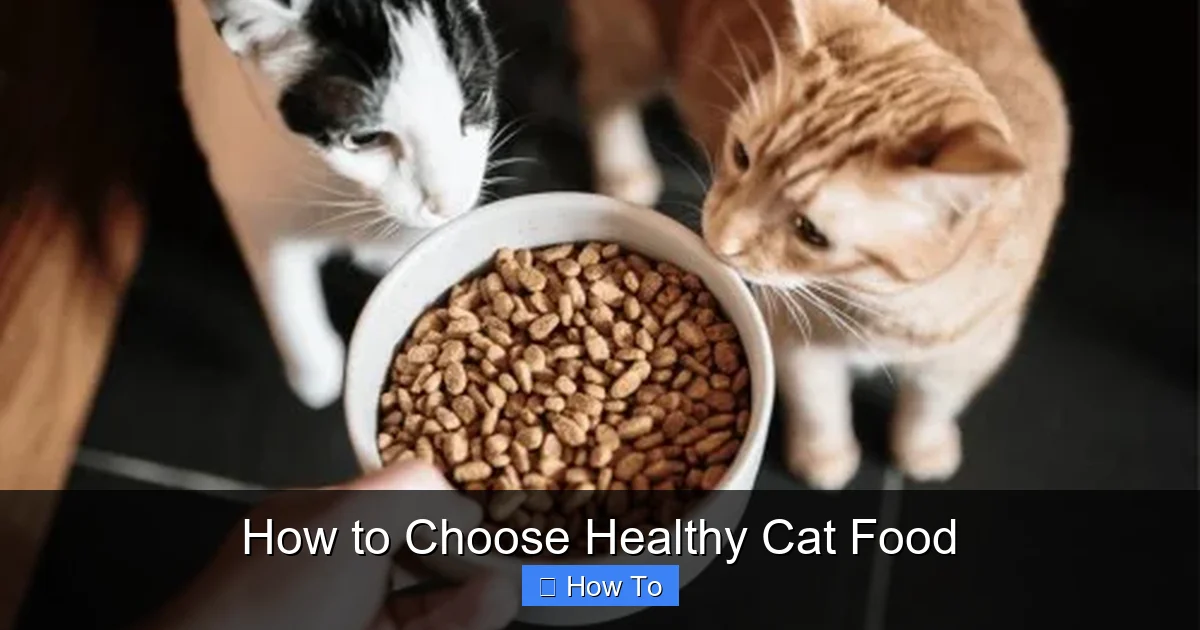
Choosing the right cat food is essential for your pet’s long-term health and happiness. This guide walks you through everything you need to know—from reading labels to understanding nutritional needs—so you can make confident, informed decisions. Whether you’re feeding kibble, wet food, or raw, we’ve got you covered.
Key Takeaways
- Prioritize high-quality animal protein: Cats are obligate carnivores, so the first ingredient should always be a named meat source like chicken, turkey, or salmon.
- Read labels carefully: Look for whole ingredients, avoid fillers like corn and soy, and steer clear of artificial additives, colors, and preservatives.
- Match food to life stage: Kittens, adults, and senior cats have different nutritional needs—choose a formula designed for your cat’s age and health status.
- Wet vs. dry food matters: Wet food supports hydration and urinary health, while dry food can help with dental care—many owners use a combination.
- Consult your vet for special needs: Cats with allergies, kidney issues, or obesity may require prescription or therapeutic diets.
- Transition slowly when switching foods: Sudden changes can upset your cat’s stomach—gradually mix new food with old over 7–10 days.
- Store food properly: Keep dry food sealed and cool, and refrigerate opened wet food to maintain freshness and prevent spoilage.
How to Choose Healthy Cat Food: A Complete Guide
Choosing the right food for your cat might seem simple—after all, they’ll eat just about anything, right? But the truth is, not all cat food is created equal. With so many brands, formulas, and marketing claims on the market, it’s easy to feel overwhelmed. The good news? You don’t need a degree in animal nutrition to make smart choices. This guide will walk you through every step of selecting healthy cat food, from understanding ingredients to matching diets to your cat’s unique needs.
By the end of this guide, you’ll know how to read labels like a pro, spot red flags, and choose foods that support your cat’s energy, coat, digestion, and long-term wellness. Whether you’re feeding a playful kitten, a senior cat with health concerns, or a finicky adult, these tips will help you feel confident in your decisions. Let’s dive in!
Step 1: Understand Your Cat’s Nutritional Needs
Before you even look at a bag of kibble or a can of wet food, it’s important to understand what your cat actually needs to thrive. Cats are obligate carnivores, which means their bodies are designed to get essential nutrients from animal-based proteins. Unlike dogs or humans, cats can’t synthesize certain nutrients on their own—they must get them from food.

Visual guide about How to Choose Healthy Cat Food
Image source: i2.wp.com
Essential Nutrients for Cats
- Taurine: An amino acid critical for heart health, vision, and immune function. A deficiency can lead to blindness or heart disease.
- Arachidonic acid: A fatty acid found only in animal fats. It supports skin, coat, and kidney function.
- Vitamin A: Cats can’t convert plant-based beta-carotene into vitamin A like humans can. They need preformed vitamin A from meat.
- Protein: High-quality animal protein should be the foundation of every meal. Adult cats need at least 26% protein, while kittens need 30% or more.
- Water: Cats have a low thirst drive and often don’t drink enough. Wet food helps keep them hydrated.
Knowing these basics helps you evaluate whether a food meets your cat’s biological needs. Always look for foods that meet the standards set by the Association of American Feed Control Officials (AAFCO). You’ll usually see a statement like “Formulated to meet the nutritional levels established by the AAFCO Cat Food Nutrient Profiles” on the label. This ensures the food has been tested for completeness and balance.
Step 2: Read the Ingredient List Like a Pro
The ingredient list on cat food packaging is your best friend—and your first line of defense against low-quality products. Ingredients are listed by weight, so the first few items make up the bulk of the food. Here’s how to decode what you’re really feeding your cat.
Look for High-Quality Animal Protein First
The first ingredient should always be a named animal protein source—something like “chicken,” “turkey,” “salmon,” or “lamb.” Avoid vague terms like “meat meal” or “poultry by-product meal” unless they’re clearly defined (e.g., “chicken meal” is acceptable).
Why does this matter? Because cats need real meat, not just “animal digest” or “meat by-products.” While by-products aren’t inherently bad (they can include nutrient-rich organs like liver), they should be clearly identified. If the label says “chicken by-product meal,” that’s better than just “by-product meal,” which could come from any animal.
Avoid Fillers and Low-Value Ingredients
Fillers like corn, wheat, soy, and rice are often used to bulk up food cheaply. While small amounts of carbohydrates aren’t harmful, they shouldn’t dominate the ingredient list. Cats don’t need grains—they’re not natural parts of their diet.
Watch out for “splitting” tactics, where manufacturers list multiple forms of the same filler to make it appear lower on the list. For example, instead of listing “corn” once, they might write “corn gluten meal,” “ground corn,” and “corn starch”—all essentially the same thing. This can make meat appear higher on the list even if grains are a major component.
Steer Clear of Artificial Additives
Avoid foods with artificial colors, flavors, or preservatives like BHA, BHT, and ethoxyquin. These chemicals have been linked to health issues in pets over time. Instead, look for natural preservatives like mixed tocopherols (a form of vitamin E) or rosemary extract.
Some brands use “natural flavors,” which is acceptable—but be wary of vague terms like “flavor enhancers” or “digest” without further explanation.
Step 3: Choose the Right Type of Food
Once you understand ingredients, it’s time to decide between wet, dry, or raw food—or a combination. Each has pros and cons, and the best choice depends on your cat’s health, preferences, and your lifestyle.
Wet Food: Hydration and Palatability
Wet food typically contains 70–80% water, making it an excellent way to keep your cat hydrated. This is especially important for cats prone to urinary tract issues or kidney disease. The high moisture content also helps prevent constipation.
Wet food is often more palatable, which is great for picky eaters or senior cats with reduced appetites. It’s usually higher in protein and lower in carbohydrates than dry food, aligning better with a cat’s natural diet.
Downsides? It’s more expensive per serving, spoils quickly once opened, and doesn’t help with dental health the way dry food can. Store opened cans in the fridge and use within 3–5 days.
Dry Food: Convenience and Dental Benefits
Dry kibble is convenient, cost-effective, and has a long shelf life. Many owners appreciate that it can be left out for free-feeding (though portion control is still important). Some dry foods are designed to reduce plaque and tartar, thanks to their crunchy texture.
However, dry food is typically lower in moisture and higher in carbohydrates. Some cats eat it quickly without chewing, which doesn’t provide the same dental benefits. Also, low-quality dry foods may contain more fillers and artificial preservatives.
Raw and Homemade Diets: Pros and Cons
Raw diets—whether commercially prepared or homemade—mimic what cats would eat in the wild. Advocates say they improve coat quality, energy, and digestion. However, raw diets come with risks: bacterial contamination (like Salmonella or E. coli), nutritional imbalances if not properly formulated, and higher costs.
If you’re considering raw food, consult your vet or a veterinary nutritionist to ensure it’s balanced. Never feed raw meat without proper handling and storage precautions.
Combination Feeding: The Best of Both Worlds
Many cat owners use a mix of wet and dry food. For example, you might feed wet food in the morning for hydration and dry food at night for convenience. This approach can satisfy picky eaters, support urinary health, and keep costs manageable.
Step 4: Match Food to Your Cat’s Life Stage and Health
Not all cats have the same nutritional needs. A growing kitten, an active adult, and a senior cat with arthritis all require different formulas. Choosing age-appropriate food ensures your cat gets the right balance of nutrients.
Kittens (0–12 months)
Kittens need more calories, protein, and fat to support rapid growth. Look for food labeled “kitten” or “growth” that meets AAFCO standards for growth. These formulas are richer in DHA (an omega-3 fatty acid) for brain and vision development.
Feed kittens 3–4 small meals a day until they’re about 6 months old, then reduce to 2–3 meals.
Adult Cats (1–7 years)
Adult cats need balanced nutrition to maintain weight, muscle mass, and overall health. Choose a formula labeled “adult” or “maintenance.” Avoid overfeeding—obesity is a leading cause of diabetes, joint problems, and reduced lifespan in cats.
Monitor your cat’s body condition. You should be able to feel their ribs without seeing them, and they should have a visible waist when viewed from above.
Senior Cats (7+ years)
Senior cats often have slower metabolisms and may develop health issues like kidney disease, arthritis, or dental problems. Look for “senior” or “mature” formulas that are lower in phosphorus (to support kidneys), higher in fiber (for digestion), and enriched with joint-supporting nutrients like glucosamine.
Some senior cats lose their sense of smell or have trouble chewing. Wet food or softened kibble can help. Always consult your vet before switching to a senior diet.
Special Health Conditions
Cats with medical issues may need therapeutic diets prescribed by a veterinarian. For example:
- Kidney disease: Low-phosphorus, low-protein diets to reduce kidney workload.
- Urinary crystals: Prescription diets that adjust pH and increase water intake.
- Food allergies: Limited-ingredient or hypoallergenic diets with novel proteins like duck or venison.
- Obesity: Weight management formulas with fewer calories and more fiber.
Never switch to a therapeutic diet without veterinary guidance—these foods are formulated for specific conditions and may not be suitable for healthy cats.
Step 5: Evaluate Brand Transparency and Quality
Not all pet food companies are equally trustworthy. Some prioritize marketing over nutrition. Here’s how to spot brands that genuinely care about your cat’s health.
Look for Transparency
Reputable brands clearly list ingredient sources, manufacturing locations, and nutritional testing methods. They should be willing to answer questions about their sourcing and quality control.
Avoid brands that use vague language like “real meat” without specifying the type. Also, be cautious of “grain-free” claims—while some cats benefit from grain-free diets, it’s not necessary for all, and some grain-free foods use legumes that may be linked to heart issues in rare cases.
Check for Recalls and Safety Records
Research the brand’s history. Have they had recalls? Were they due to contamination, mislabeling, or nutritional imbalances? You can check the FDA’s pet food recall database online.
Brands that conduct regular third-party testing and publish nutritional analyses are generally more reliable.
Consider Where the Food Is Made
Food manufactured in countries with strict pet food regulations (like the U.S., Canada, or the EU) tends to be safer. Avoid brands that don’t disclose their manufacturing locations.
Step 6: Transition to New Food Gradually
Even the healthiest food won’t do your cat any good if they refuse to eat it—or if it upsets their stomach. Cats are creatures of habit, and sudden diet changes can cause vomiting, diarrhea, or loss of appetite.
How to Switch Foods Safely
Follow a 7–10 day transition plan:
- Days 1–2: 25% new food, 75% old food
- Days 3–4: 50% new food, 50% old food
- Days 5–6: 75% new food, 25% old food
- Day 7+: 100% new food
Monitor your cat for signs of digestive upset. If they show persistent vomiting, diarrhea, or lethargy, slow the transition or consult your vet. Some cats may need even longer to adjust.
If your cat refuses the new food, try warming it slightly (to enhance aroma) or mixing in a small amount of tuna juice or bone broth (unsalted and cat-safe). Never force-feed or starve your cat into eating—this can lead to serious liver issues.
Step 7: Store Food Properly
Even the best food can go bad if stored incorrectly. Proper storage preserves nutrients, prevents spoilage, and keeps your cat safe.
Dry Food Storage Tips
- Keep kibble in its original bag inside an airtight container.
- Store in a cool, dry place away from sunlight.
- Don’t buy more than your cat can eat in 6–8 weeks to avoid rancidity.
- Wash the storage container regularly to prevent bacterial buildup.
Wet Food Storage Tips
- Refrigerate opened cans immediately.
- Use within 3–5 days.
- Transfer leftovers to a sealed container if not using the original can.
- Never leave wet food out for more than 2 hours (or 1 hour in hot weather).
Troubleshooting Common Issues
My Cat Won’t Eat the New Food
Try mixing in a topper like freeze-dried chicken or a small amount of wet food. Some cats prefer pâté over chunks, or vice versa. Offer small portions multiple times a day.
My Cat Is Gaining Weight
Switch to a weight management formula and measure portions carefully. Increase playtime and consider puzzle feeders to slow eating and stimulate activity.
My Cat Has Diarrhea or Vomiting
This could be due to a sudden diet change, food intolerance, or an underlying health issue. Slow the transition, offer bland food (like boiled chicken and rice), and consult your vet if symptoms persist.
My Cat Is Drinking Less Water
Switch to more wet food, add water to kibble, or use a cat water fountain to encourage drinking. Dehydration can lead to urinary and kidney problems.
Conclusion
Choosing healthy cat food doesn’t have to be complicated. By focusing on high-quality animal protein, reading labels carefully, and matching food to your cat’s life stage and health, you can make decisions that support their long-term well-being. Remember, every cat is unique—what works for one may not work for another. Stay observant, consult your vet when in doubt, and don’t be afraid to experiment (safely!) until you find the perfect fit.
Your cat relies on you for their nutrition, and with the knowledge from this guide, you’re well-equipped to give them the best. A healthy diet leads to a happier, more energetic, and longer life—so every bite truly counts.