
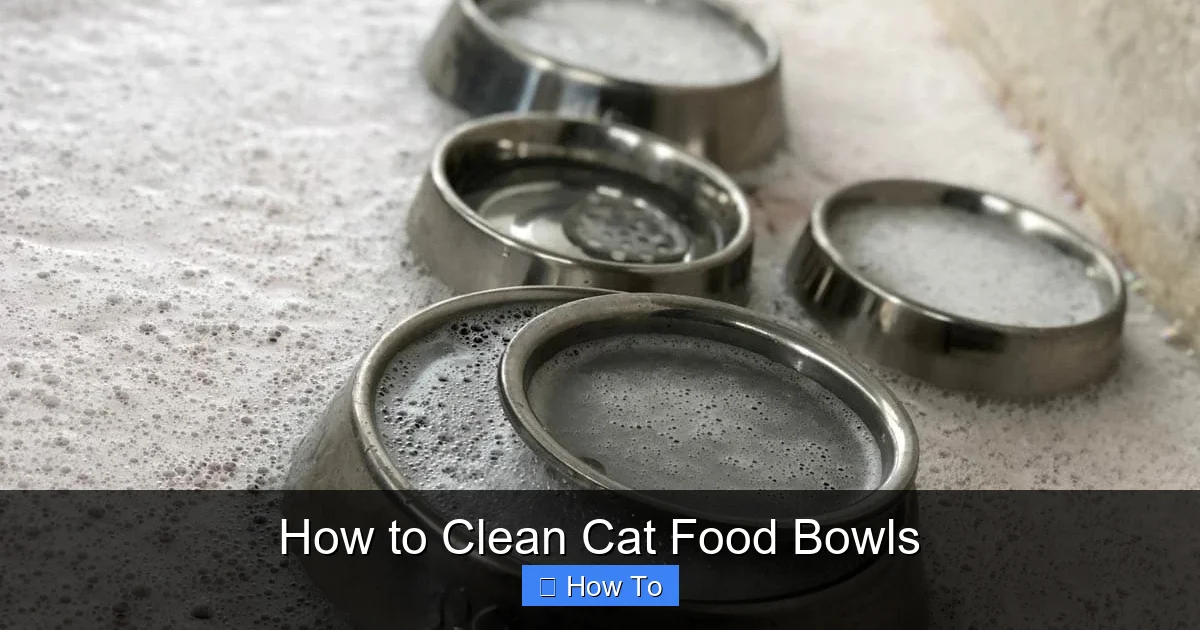
Keeping your cat’s food bowls clean is essential for their health and well-being. Dirty bowls can harbor bacteria, cause bad breath, and even lead to illness. This guide walks you through the best practices for cleaning cat food bowls safely and effectively.
Key Takeaways
- Clean bowls daily: Wash your cat’s food and water bowls every day to prevent bacteria buildup and food residue.
- Use hot, soapy water: Always wash bowls with hot water and mild dish soap to remove grease and germs effectively.
- Avoid harsh chemicals: Never use bleach or strong cleaners unless properly diluted and rinsed—your cat’s sensitive nose and mouth can be harmed.
- Choose the right material: Stainless steel and ceramic bowls are easier to clean and less likely to harbor bacteria than plastic.
- Dry thoroughly: Let bowls air-dry completely or dry with a clean towel to prevent moisture that encourages mold and bacteria.
- Deep clean weekly: Soak bowls in a vinegar solution once a week to remove stubborn residue and odors.
- Replace when needed: Discard cracked or deeply scratched bowls, as they can trap bacteria even after cleaning.
How to Clean Cat Food Bowls: A Complete Guide
Keeping your cat’s food and water bowls clean might seem like a small task, but it plays a big role in your pet’s health. Just like humans, cats can get sick from bacteria, mold, or leftover food particles in their dishes. In fact, dirty bowls are one of the most common—and easily preventable—sources of illness in household cats.
In this guide, you’ll learn exactly how to clean cat food bowls the right way. We’ll cover daily cleaning routines, deep-cleaning methods, the best materials for bowls, and tips to keep your cat happy and healthy. Whether you’re a new cat parent or a seasoned pet lover, these steps will help you maintain a clean, safe eating environment for your furry friend.
Let’s dive in.
Why Cleaning Cat Food Bowls Matters
You might be wondering, “How bad can a little leftover kibble really be?” The truth is, even small amounts of food residue can become a breeding ground for harmful bacteria like Salmonella, E. coli, and Listeria. These bacteria can cause vomiting, diarrhea, and other digestive issues in cats.
Water bowls aren’t safe either. Stagnant water, saliva, and food particles can lead to biofilm—a slimy layer of bacteria that clings to surfaces. Biofilm is tough to remove and can make your cat sick over time.
Additionally, some cats are picky eaters. If their bowl smells or tastes off, they may refuse to eat or drink, which can lead to dehydration or malnutrition.
Cleaning your cat’s bowls regularly isn’t just about hygiene—it’s about showing love and care. A clean bowl means a healthier, happier cat.
What You’ll Need to Clean Cat Food Bowls
Before we get into the steps, let’s gather the supplies. You don’t need fancy tools—just a few basics you probably already have at home.
Essential Cleaning Supplies
- Hot water
- Mild dish soap (unscented and non-toxic)
- A clean sponge or brush
- A drying rack or clean towel
- White vinegar (for deep cleaning)
- Baking soda (optional, for tough stains)
- Rubber gloves (optional, for sensitive skin)
Optional but Helpful Tools
- Dishwasher (if bowls are dishwasher-safe)
- Soft-bristle toothbrush (for hard-to-reach spots)
- Pet-safe disinfectant (only if recommended by your vet)
Always check the manufacturer’s instructions on your cat’s bowls. Some materials, like certain plastics or painted ceramics, may not be safe for dishwashers or harsh cleaners.
Step-by-Step Guide to Cleaning Cat Food Bowls
Now that you have your supplies, let’s walk through the cleaning process. Whether you’re cleaning after every meal or doing a weekly deep clean, these steps will keep your cat’s bowls spotless.
Step 1: Empty and Rinse the Bowls
Start by removing any leftover food or water. Dump uneaten wet food into the trash—don’t leave it sitting, even for a few hours. Wet food spoils quickly and attracts bacteria.
Next, give the bowls a quick rinse under warm water. This helps remove loose food particles and makes the next step easier. Don’t skip this—rinsing first prevents food from sticking during washing.
Step 2: Wash with Hot, Soapy Water
Fill your sink with hot water—hot enough to comfortably wash dishes, but not scalding. Add a small amount of mild dish soap. Avoid antibacterial soaps unless they’re pet-safe, as residues can be harmful if ingested.
Place the bowls in the water and let them soak for 5–10 minutes if they’re particularly dirty. This softens dried food and grease.
Use a clean sponge or brush to scrub every surface—inside, outside, and around the rim. Pay special attention to corners and edges where food can hide. For narrow or deep bowls, a soft-bristle toothbrush works great.
Step 3: Rinse Thoroughly
Once the bowls are scrubbed, rinse them under hot running water. Make sure all soap is removed. Leftover soap can irritate your cat’s mouth or cause stomach upset if ingested.
Hold the bowl up to the light to check for any slippery or soapy spots. If you feel any residue, rinse again.
Step 4: Dry Completely
Drying is just as important as washing. Moisture left in the bowl can encourage mold and bacteria growth.
You have two options:
- Air-dry: Place the bowls on a clean drying rack upside down. This allows air to circulate and prevents dust from settling inside.
- Towel-dry: Use a clean, dry towel to wipe the bowls. Make sure the towel hasn’t been used for other cleaning tasks—this prevents cross-contamination.
Never put a damp bowl back in use. Always wait until it’s completely dry.
Step 5: Store or Refill
Once dry, you can either refill the bowl with fresh food and water or store it in a clean cabinet. If you’re storing it, keep it covered or in a dust-free area.
For water bowls, refill with fresh, cool water daily—even if it looks clean. Cats prefer fresh water, and stagnant water can develop odors quickly.
How Often Should You Clean Cat Food Bowls?
Frequency depends on what your cat eats and how often they eat.
Daily Cleaning (Recommended)
- Wet food bowls: Clean after every meal. Wet food spoils fast and can grow bacteria within hours.
- Water bowls: Wash and refill daily. Even if your cat drinks all the water, saliva and dust can accumulate.
- Dry food bowls: Clean at least once a day, even if food remains. Kibble can absorb oils and odors over time.
Weekly Deep Cleaning
Once a week, give your bowls a deeper clean to remove buildup and odors. This is especially important if you notice any sliminess, discoloration, or lingering smells.
We’ll cover deep-cleaning methods in the next section.
Deep Cleaning Cat Food Bowls: Removing Stubborn Residue and Odors
Even with daily washing, bowls can develop a film or smell over time. This is often caused by biofilm, mineral deposits, or leftover fats from food.
Here’s how to deep clean your cat’s bowls safely and effectively.
Method 1: Vinegar Soak
White vinegar is a natural cleaner that kills bacteria and dissolves mineral buildup.
- Mix equal parts white vinegar and water in a container large enough to submerge the bowls.
- Soak the bowls for 15–30 minutes.
- Scrub with a brush or sponge to remove any remaining residue.
- Rinse thoroughly with hot water.
- Dry completely before use.
Vinegar is safe for cats as long as it’s rinsed well. The strong smell fades quickly once the bowl dries.
Method 2: Baking Soda Paste (for Stains and Odors)
Baking soda is gentle yet effective at lifting stains and neutralizing odors.
- Make a paste with 2–3 tablespoons of baking soda and a little water.
- Apply the paste to stained or smelly areas.
- Let it sit for 10–15 minutes.
- Scrub gently with a sponge or toothbrush.
- Rinse thoroughly and dry.
This method works well for plastic bowls that have absorbed odors over time.
Method 3: Dishwasher Cleaning (If Safe)
If your bowls are labeled dishwasher-safe, you can use your dishwasher for a deep clean.
- Place bowls on the top rack to prevent warping.
- Use a regular cycle with hot water and mild detergent.
- Avoid using heated dry if the bowls are plastic—this can cause melting or warping.
- Check for cleanliness after the cycle. Some dishwashers may not remove all biofilm.
Note: Not all bowls are dishwasher-safe. Check the manufacturer’s instructions first.
Choosing the Right Bowls for Easy Cleaning
The material of your cat’s bowl affects how easy it is to clean and how likely it is to harbor bacteria.
Stainless Steel Bowls
- Pros: Durable, non-porous, easy to clean, resistant to scratches and bacteria.
- Cons: Can be noisy if your cat moves them around.
- Best for: Most cats, especially those with sensitive stomachs or allergies.
Stainless steel is the top choice for hygiene and longevity.
Ceramic Bowls
- Pros: Heavy, stable, and often stylish. Non-porous if glazed properly.
- Cons: Can chip or crack, which creates hiding spots for bacteria.
- Best for: Indoor cats who don’t tip over bowls.
Choose ceramic bowls labeled “lead-free” and “food-safe.” Avoid handmade or unglazed ceramics.
Plastic Bowls
- Pros: Lightweight, inexpensive, and come in many colors.
- Cons: Scratch easily, absorb odors, and can harbor bacteria in micro-scratches.
- Best for: Temporary use or kittens—but not recommended long-term.
If you must use plastic, replace it frequently and avoid abrasive scrubbers that cause scratches.
Glass Bowls
- Pros: Non-porous, easy to clean, and resistant to odors.
- Cons: Can break if dropped, and some cats dislike the sound.
- Best for: Calm cats in quiet homes.
Glass is safe and hygienic but less common due to fragility.
Common Mistakes to Avoid When Cleaning Cat Bowls
Even well-meaning pet owners can make mistakes that reduce cleaning effectiveness or harm their cat.
Using Harsh Chemicals
Avoid bleach, ammonia, or strong disinfectants unless specifically labeled safe for pet items. These chemicals can leave toxic residues that harm your cat if ingested.
If you must use a disinfectant, choose a pet-safe option and rinse thoroughly.
Not Rinsing Soap Completely
Leftover dish soap can cause vomiting or diarrhea in cats. Always rinse bowls until the water runs clear and there’s no slippery feel.
Using the Same Sponge for Dishes and Cat Bowls
Your kitchen sponge may contain bacteria from raw meat or other foods. Use a separate sponge or brush just for your cat’s bowls.
Ignoring Cracks or Scratches
Even small cracks in ceramic or deep scratches in plastic can trap bacteria. Inspect bowls regularly and replace damaged ones.
Letting Bowls Air-Dry Upside Down
Always dry bowls upside down or with a clean towel. Drying right-side up can trap moisture and dust inside.
Troubleshooting Common Cleaning Issues
Sometimes, cleaning doesn’t go as planned. Here’s how to handle common problems.
Problem: Bowls Still Smell After Washing
This usually means biofilm or odor has built up in scratches or pores. Try a vinegar soak or baking soda scrub. If the smell persists, it may be time to replace the bowl—especially if it’s plastic.
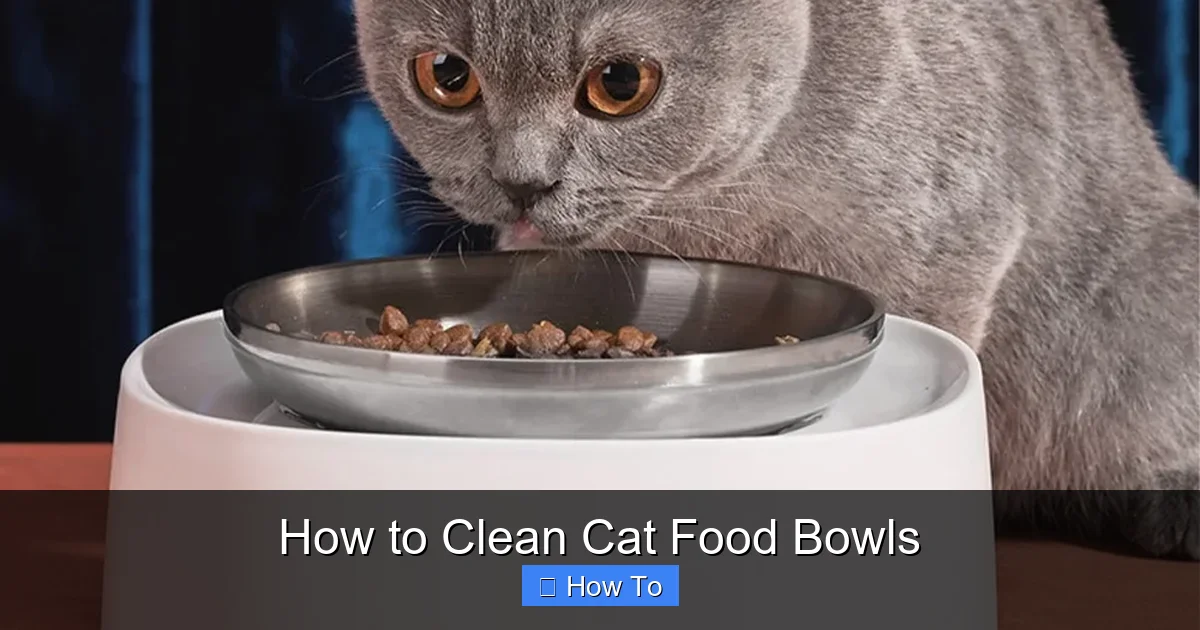
Visual guide about How to Clean Cat Food Bowls
Image source: i5.walmartimages.com
Problem: White Film on Bowls
This is often mineral buildup from hard water. Soak in vinegar water for 30 minutes, then scrub. Using filtered water for your cat’s bowl can help prevent this.
Problem: Bowls Are Sticky or Slimy
This is a sign of biofilm. Wash with hot, soapy water and scrub thoroughly. Follow with a vinegar soak. Avoid using the bowl until it’s completely clean.
Problem: Cat Refuses to Eat from Clean Bowl
Some cats are sensitive to smells or textures. Try switching to a different material (e.g., from plastic to stainless steel) or washing bowls with unscented soap. Also, ensure the bowl is completely dry before use.
Tips for Maintaining Clean Bowls Long-Term
Consistency is key. Here are a few habits to make cleaning easier and more effective.
- Set a routine: Clean bowls at the same time each day—like after breakfast or before bedtime.
- Use multiple sets: Have two sets of bowls so you can rotate them while one is being cleaned.
- Wash hands first: Always wash your hands before handling your cat’s food or bowls to prevent contamination.
- Keep bowls elevated: Use a stand or mat to reduce dust and dirt from the floor.
- Monitor your cat’s health: If your cat has recurring digestive issues, dirty bowls could be a factor.
Conclusion
Cleaning your cat’s food and water bowls might seem like a small task, but it has a big impact on their health and happiness. By washing bowls daily with hot, soapy water, deep cleaning weekly with vinegar, and choosing the right materials, you can prevent bacteria, odors, and illness.
Remember: a clean bowl is more than just tidy—it’s a sign of love and care for your feline friend. Follow the steps in this guide, avoid common mistakes, and your cat will thank you with purrs, good health, and a clean bowl every time.
Make bowl cleaning a priority, and you’ll enjoy many happy, healthy years with your cat.