
Stop your cat from begging at the table by establishing a reliable feeding routine, using puzzle feeders, and reinforcing positive behavior. This guide shows you how to create a stress-free mealtime environment for both you and your feline friend.
Key Takeaways
- Consistency is key: Feed your cat at the same times every day to reduce anxiety and begging.
- Portion control matters: Follow vet-recommended serving sizes to prevent overfeeding and hunger-driven behavior.
- Use interactive feeders: Slow down eating and engage your cat’s mind with puzzle toys or timed dispensers.
- Ignore begging behavior: Never reward begging with food—this reinforces the habit.
- Create a feeding zone: Designate a quiet, distraction-free area for meals to build routine.
- Monitor health changes: Sudden increases in appetite could signal medical issues—consult your vet.
- Positive reinforcement works: Reward calm behavior near mealtime with praise or play, not food.
How to Deal with Cat Begging for Food: A Complete Feeding Schedule Guide for 2026
If your cat meows relentlessly at 5 a.m., jumps on the kitchen counter during dinner, or stares at you with those big, pleading eyes every time you open the pantry, you’re not alone. Cat begging for food is one of the most common behavioral challenges pet owners face—especially in 2026, where busy lifestyles and remote work have blurred the lines between human and feline routines. But the good news? You can stop the begging for good with a structured feeding schedule, smart habits, and a little patience.
In this comprehensive guide, you’ll learn how to create a feeding routine that satisfies your cat’s nutritional needs while eliminating unwanted mealtime antics. We’ll cover everything from setting consistent meal times to using high-tech feeders, managing portion sizes, and training your cat to stay calm during human meals. Whether you have a kitten with boundless energy or a senior cat with changing appetites, these strategies are designed to work for cats of all ages and personalities.
By the end of this guide, you’ll have a clear, actionable plan to reduce—or completely stop—your cat’s food begging. You’ll also gain peace of mind knowing your cat is eating healthily and on a schedule that supports their long-term well-being. Let’s get started.
Why Do Cats Beg for Food?
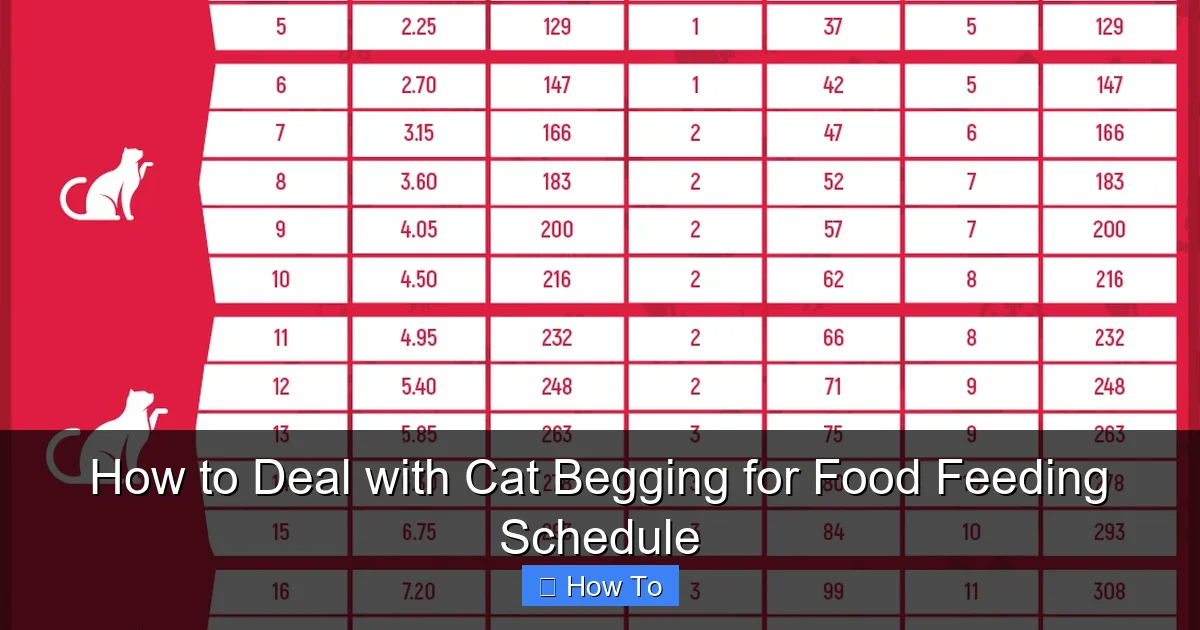
Visual guide about How to Deal with Cat Begging for Food Feeding Schedule
Image source: pawmaw.com
Before we dive into solutions, it’s important to understand why your cat begs in the first place. Cats are natural hunters, and in the wild, they eat multiple small meals throughout the day. This instinct drives their desire to seek food frequently. But domestication has changed their environment—now, food is often available on demand, and human routines can unintentionally teach cats that begging works.
Here are the most common reasons cats beg:
- Learned behavior: If you’ve ever given in to your cat’s meows with a treat or scrap of food, you’ve reinforced the behavior. Cats are smart—they quickly learn that persistence pays off.
- Inconsistent feeding times: Cats thrive on routine. If meals are unpredictable, they may beg out of anxiety or confusion about when their next meal is coming.
- Boredom or lack of stimulation: Indoor cats, especially those without enrichment, may beg simply because they’re looking for something to do.
- Medical issues: Conditions like diabetes, hyperthyroidism, or parasites can increase appetite. If your cat’s begging is sudden or extreme, a vet visit is essential.
- Attention-seeking: Some cats beg not for food, but for interaction. If they’ve learned that meowing gets your attention, they’ll keep doing it—even if they’re not hungry.
Understanding the root cause is the first step to solving the problem. Once you know why your cat is begging, you can tailor your approach to address it effectively.
Step 1: Establish a Consistent Feeding Schedule
The foundation of stopping food begging is consistency. Cats are creatures of habit, and a predictable routine helps them feel secure. A structured feeding schedule reduces anxiety and teaches your cat when to expect food—so they’re less likely to pester you at random times.
Choose the Right Number of Meals
Most adult cats do well with two meals per day—once in the morning and once in the evening. This mimics their natural hunting rhythm and aligns with typical human schedules. However, some cats, especially younger or more active ones, may benefit from three smaller meals.
- Kittens (under 6 months): Feed 3–4 times daily. Their fast metabolism requires frequent fuel.
- Adult cats (1–7 years): Two meals per day are usually sufficient.
- Senior cats (8+ years): May prefer smaller, more frequent meals due to slower digestion.
Set Fixed Meal Times
Pick two (or three) specific times each day and stick to them—even on weekends. For example:
– 7:00 a.m. and 6:00 p.m.
– 8:00 a.m., 1:00 p.m., and 7:00 p.m.
Use an alarm or phone reminder to stay on track. Over time, your cat will internalize the schedule and stop expecting food outside those windows.
Use a Timer or Smart Feeder
In 2026, technology makes consistency easier than ever. Smart automatic feeders like the PetSafe Smart Feed or the SureFeed Microchip Feeder can dispense meals at preset times—even when you’re not home. These devices:
– Release food at exact times
– Allow portion control
– Can be controlled via smartphone apps
– Some models include cameras so you can check in
Using a smart feeder not only ensures consistency but also removes you as the “food source,” which can reduce begging behavior.
Step 2: Measure Portions Accurately
Overfeeding is a common cause of begging. If your cat finishes their meal too quickly and still seems hungry, they may beg for more—even if they’ve already eaten enough. Conversely, underfeeding can lead to constant hunger and increased begging.
Follow Feeding Guidelines
Check the packaging of your cat food for recommended serving sizes based on your cat’s weight and age. However, these are general guidelines. Your vet can provide a more personalized recommendation.
For example:
– A 10-pound adult cat typically needs about 200–250 calories per day.
– This might translate to ½ to ¾ cup of dry food or one 5.5-oz can of wet food, depending on the brand.
Use a Measuring Cup
Never “eyeball” portions. Use a dedicated measuring cup to ensure accuracy. Over time, you’ll get used to the correct amount, but consistency starts with precision.
Adjust Based on Activity and Health
If your cat is highly active, pregnant, nursing, or recovering from illness, their caloric needs may increase. Conversely, less active or overweight cats may need fewer calories. Monitor your cat’s body condition:
– You should be able to feel their ribs with light pressure.
– Their waist should be visible when viewed from above.
– No excess fat should hang over their belly.
If you’re unsure, consult your vet for a body condition score assessment.
Step 3: Use Interactive Feeders to Slow Down Eating
Many cats eat too quickly, which can lead to digestive issues and the false impression that they’re still hungry. Interactive feeders—also known as puzzle feeders or slow feeders—make mealtime more engaging and slow down consumption.
Types of Interactive Feeders
- Puzzle bowls: These have ridges or mazes that force your cat to work around obstacles to reach food. Great for dry kibble.
- Treat balls: Rolling the ball releases kibble gradually. Encourages movement and mental stimulation.
- Timed dispensers: Release food at intervals, mimicking natural foraging behavior.
- Wet food puzzles: Silicone mats with grooves hold wet food, requiring licking and digging to access.
Benefits of Interactive Feeders
– Slows eating to prevent vomiting and bloating
– Reduces boredom and destructive behavior
– Mimics natural hunting instincts
– Helps with weight management
– Distracts from human mealtime
Start with simple puzzles and gradually increase difficulty as your cat learns. Most cats adapt within a few days.
Step 4: Create a Dedicated Feeding Zone
Where you feed your cat matters. A consistent, quiet feeding area helps establish routine and reduces distractions that can trigger begging.
Choose the Right Location
Pick a spot that’s:
– Away from high-traffic areas (like the kitchen during dinner)
– Free from loud noises (e.g., washing machines, TVs)
– Easy to clean (tile or laminate flooring works best)
Avoid feeding near your dining table—this reinforces the idea that human food is accessible.
Use a Feeding Mat or Bowl Stand
A designated feeding mat or elevated bowl stand signals to your cat that this is “mealtime zone.” It also keeps bowls from sliding and makes cleanup easier.
Keep It Clean
Wash food and water bowls daily. Cats are sensitive to smells and may avoid dirty bowls—or beg for food elsewhere.
Step 5: Ignore Begging Behavior—Don’t Reward It
This is perhaps the most important—and hardest—step. To stop begging, you must stop rewarding it. Every time you give your cat food or even attention when they beg, you’re teaching them that the behavior works.
The “No Reaction” Rule
When your cat begs:
– Do not make eye contact
– Do not speak to them
– Do not pet them
– Do not give food—no matter how sad they look
Stay calm and consistent. It may take days or even weeks, but eventually, your cat will learn that begging doesn’t work.
Redirect Their Attention
Instead of giving food, redirect your cat with a toy or a short play session. This satisfies their need for interaction without reinforcing begging.
Reward Calm Behavior
When your cat sits quietly during your meal or waits patiently near their feeding zone, reward them with praise, a gentle pet, or a non-food treat like a new toy. This reinforces the behavior you want.
Step 6: Enrich Your Cat’s Environment
Boredom is a major driver of food begging. A mentally and physically stimulated cat is less likely to focus on food as entertainment.
Provide Daily Playtime
Aim for at least 10–15 minutes of active play twice a day. Use wand toys, laser pointers, or feather teasers to mimic hunting. This burns energy and satisfies instincts.
Rotate Toys
Keep toys fresh by rotating them weekly. A “new” toy feels exciting and engaging, even if it’s one they’ve seen before.
Add Vertical Space
Cat trees, shelves, and window perches give your cat places to explore and observe. A stimulated cat is a content cat.
Consider a Catio or Window Perch
In 2026, many pet owners are investing in safe outdoor spaces like catios or high-tech window perches with bird feeders. These provide mental stimulation and reduce food-focused behavior.
Step 7: Monitor for Health Issues
Sudden changes in appetite—especially increased hunger—can signal underlying medical conditions. If your cat’s begging behavior changes dramatically, consult your vet.
Common Health Causes of Increased Appetite
- Hyperthyroidism: Common in older cats; causes weight loss despite increased eating.
- Diabetes: Leads to excessive hunger, thirst, and urination.
- Intestinal parasites: Worms can steal nutrients, making your cat feel constantly hungry.
- Cushing’s disease: Rare but possible; causes increased appetite and thirst.
A simple blood test or fecal exam can rule out these issues. Early detection improves outcomes.
Troubleshooting Common Challenges
Even with the best plan, you may run into obstacles. Here’s how to handle common issues:
My Cat Still Begs After Meals
This could mean:
– The portion is too small—consult your vet to adjust.
– The cat is bored—increase play and enrichment.
– They’re seeking attention—redirect with toys or cuddles (without food).
My Cat Wakes Me Up at 4 a.m. for Food
This is often due to an inconsistent schedule or the cat associating early mornings with food. Try:
– Feeding the last meal later in the evening.
– Using a timed feeder to dispense a small portion at 6 a.m.
– Ignoring early meows completely—no matter how persistent.
My Cat Refuses the New Feeder
Some cats are hesitant to try new things. Ease the transition:
– Place a few favorite treats in the new feeder.
– Let them explore it during playtime.
– Gradually increase the amount of food inside.
Multiple Cats, Different Appetites
If you have more than one cat, they may have different feeding needs. Solutions include:
– Feeding in separate rooms.
– Using microchip-activated feeders that open only for specific cats.
– Scheduling meals at slightly different times.
Conclusion
Dealing with cat begging for food doesn’t have to be a daily battle. By establishing a consistent feeding schedule, controlling portions, using interactive feeders, and reinforcing positive behavior, you can create a peaceful mealtime environment for both you and your cat. Remember: patience and consistency are your greatest tools. It may take a few weeks for your cat to adjust, but the long-term benefits—better health, reduced stress, and a happier home—are well worth the effort.
In 2026, with smart feeders, enriched environments, and a deeper understanding of feline behavior, managing your cat’s eating habits has never been easier. Stick to the plan, stay calm, and soon you’ll enjoy meals without the constant meowing. Your cat will thank you—with purrs, not pleas.