
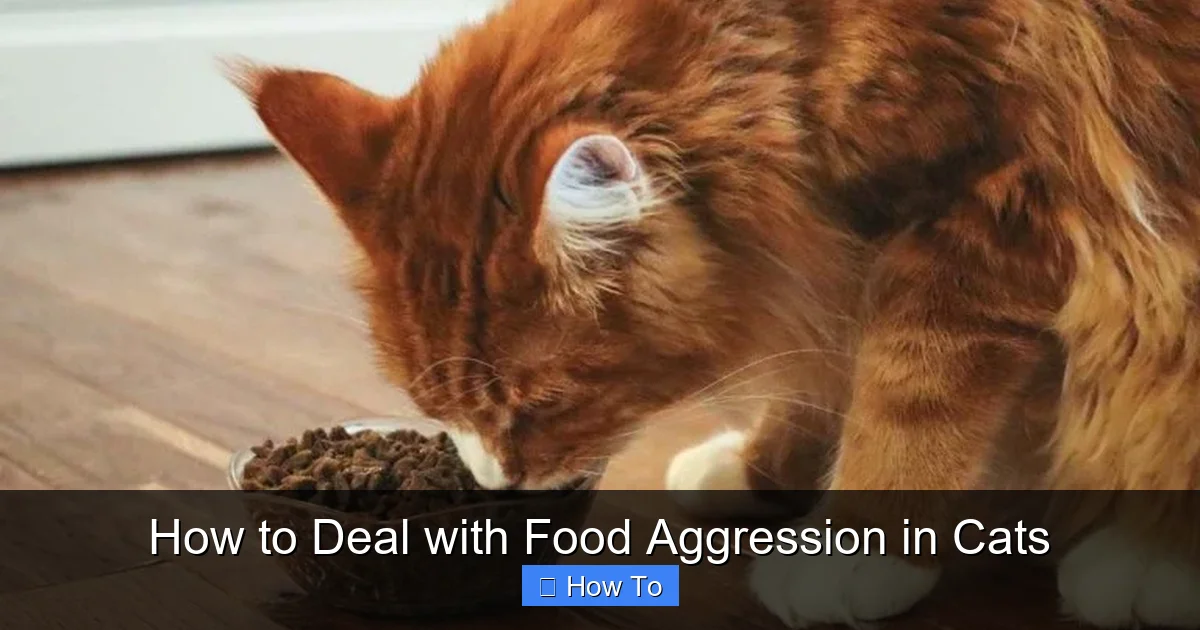
Food aggression in cats can be stressful for both pets and owners, but it’s manageable with patience and the right approach. This guide walks you through step-by-step strategies to reduce aggression, build trust, and create a calm feeding environment.
Key Takeaways
- Understand the root cause: Food aggression often stems from fear, competition, or past trauma—identifying the trigger is the first step to solving it.
- Never punish your cat: Yelling or physical correction increases anxiety and worsens aggression. Always use positive reinforcement instead.
- Feed in separate spaces: If you have multiple cats, feed them in different rooms to eliminate competition and reduce stress.
- Use gradual desensitization: Slowly introduce your presence during meals to help your cat associate you with safety, not threat.
- Stick to a consistent routine: Predictable feeding times and locations help reduce anxiety and build trust over time.
- Consult a vet or behaviorist: Rule out medical issues and get professional guidance if aggression persists or escalates.
- Be patient and consistent: Change takes time—most cats show improvement within weeks with steady, compassionate training.
How to Deal with Food Aggression in Cats
If your cat growls, hisses, or swats when you approach their food bowl, you’re not alone. Food aggression in cats is more common than many pet owners realize—and while it can be alarming, it’s also highly manageable. Whether your cat is new to your home, shares space with other pets, or has a history of scarcity, food-related aggression often stems from deep-seated instincts or past experiences. The good news? With patience, consistency, and the right techniques, you can help your cat feel safe and secure during mealtime.
In this comprehensive guide, updated for 2026, you’ll learn how to identify food aggression, understand its causes, and implement proven strategies to reduce or eliminate it. We’ll cover everything from environmental changes and feeding routines to behavioral training and when to seek professional help. By the end, you’ll have a clear action plan to transform mealtime from a stressful event into a peaceful, positive experience for both you and your feline friend.
What Is Food Aggression in Cats?
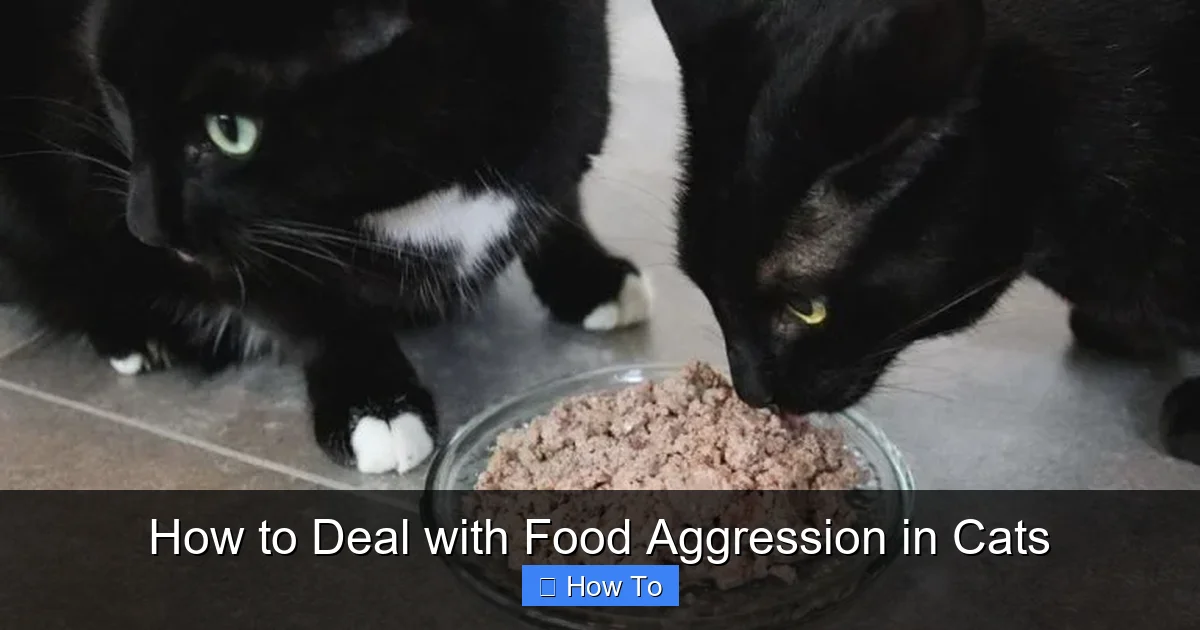
Visual guide about How to Deal with Food Aggression in Cats
Image source: cats.com
Food aggression—also known as resource guarding—occurs when a cat becomes defensive or hostile around food. This behavior can range from subtle signs like stiff body posture or staring to more obvious actions like growling, swatting, or even biting when someone approaches their food bowl.
It’s important to note that food aggression is not the same as general irritability or hunger. It’s a specific response tied to the presence of food and the perceived threat of losing it. Cats are naturally territorial animals, and in the wild, access to food can mean the difference between survival and starvation. Even domesticated cats retain these instincts, which can surface in multi-cat households, shelters, or homes where food has been inconsistent in the past.
Common signs of food aggression include:
- Growling or hissing when you approach during meals
- Staring intensely or blocking access to the food bowl
- Swatting or lunging at people or other pets
- Eating very quickly or hiding food
- Tensing up or flattening ears when near the feeding area
Recognizing these behaviors early is key. The sooner you address food aggression, the easier it is to correct before it becomes a deeply ingrained habit.
Why Do Cats Develop Food Aggression?
Understanding the root cause of your cat’s food aggression is essential for effective treatment. While every cat is different, most cases fall into one or more of the following categories:
Past Trauma or Scarcity
Cats who were strays, rescued from shelters, or lived in environments where food was limited often develop food aggression as a survival mechanism. If they’ve experienced hunger or competition for meals, they may guard their food fiercely to ensure they won’t go without again.
Multi-Cat Household Dynamics
In homes with multiple cats, competition for resources—especially food—can trigger aggression. Even if all cats are fed at the same time, one may feel the need to protect their portion from others. This is especially common if cats eat in the same area or if one cat eats significantly faster than the others.
Medical Issues
Pain or discomfort during eating can make a cat irritable and defensive. Dental problems, gastrointestinal issues, or other health conditions may cause a cat to associate food with pain, leading to aggression when approached. Always rule out medical causes with a vet before assuming the behavior is purely psychological.
Lack of Routine or Predictability
Cats thrive on routine. If feeding times are irregular or the location of the food bowl changes frequently, your cat may feel anxious and guard their food as a way to control their environment.
Fear of Humans or Other Pets
Some cats are naturally more fearful or anxious. If they don’t trust people or other animals, they may see any approach during mealtime as a threat—even if the intention is harmless.
Learned Behavior
If a cat has successfully guarded food in the past—by growling and having others back off—they may continue the behavior because it works. Over time, this can become a habit, even in safe environments.
Step-by-Step Guide to Reducing Food Aggression
Now that you understand what food aggression is and why it happens, let’s dive into actionable steps to help your cat feel safe and secure during meals. The goal is to rebuild trust, reduce anxiety, and create a positive association with food and your presence.
Step 1: Rule Out Medical Causes
Before starting any behavioral training, schedule a vet visit. A thorough check-up can identify underlying health issues that might be contributing to your cat’s aggression. Dental pain, for example, is a common but often overlooked cause of food-related stress.
Your vet may recommend:
- A dental exam
- Blood work to check for gastrointestinal or metabolic issues
- Pain management if needed
If a medical issue is found and treated, you may see immediate improvement in your cat’s behavior. Even if no physical cause is identified, ruling out health problems gives you a solid foundation for behavioral intervention.
Step 2: Establish a Consistent Feeding Routine
Cats feel more secure when they know what to expect. A predictable feeding schedule reduces anxiety and helps your cat understand that food will always be available.
Here’s how to create a routine:
- Feed at the same times every day (e.g., 7 a.m. and 6 p.m.)
- Use the same bowl and place it in the same quiet location
- Avoid free-feeding if your cat shows aggression—scheduled meals give you more control
- Stick to the routine even on weekends or holidays
Consistency signals safety. When your cat knows food comes reliably, they’re less likely to guard it out of fear.
Step 3: Feed in Separate, Safe Spaces
If you have multiple cats, feeding them together can trigger competition and aggression—even if they get along otherwise. The safest approach is to feed each cat in a separate room.
How to do it:
- Close doors so cats can’t see or reach each other during meals
- Use baby gates or pet barriers if separate rooms aren’t available
- Feed at the same time to maintain routine
- Gradually increase distance between feeding areas if space is limited
This eliminates the need to compete and allows each cat to eat in peace. Over time, as aggression decreases, you can slowly reintroduce supervised shared feeding—but only if your cats show calm behavior.
Step 4: Use Positive Reinforcement
Positive reinforcement is the cornerstone of effective cat training. Instead of punishing aggressive behavior, reward calm, relaxed actions around food.
Techniques to try:
- Stand at a distance while your cat eats and toss a high-value treat (like cooked chicken or freeze-dried liver) toward them
- Gradually decrease the distance over several days or weeks
- Praise softly and calmly when your cat remains relaxed
- Avoid direct eye contact, which cats may perceive as threatening
The goal is to help your cat associate your presence with good things—not danger. Never force interaction or reach toward the bowl while they’re eating. Let your cat come to you on their terms.
Step 5: Practice Desensitization and Counter-Conditioning
Desensitization means gradually exposing your cat to the thing that triggers aggression—your approach during meals—at a low intensity. Counter-conditioning changes their emotional response from fear to positivity.
Here’s a sample plan:
- Day 1–3: Stand 10 feet away while your cat eats. Toss a treat every 30 seconds.
- Day 4–6: Move to 8 feet. Continue tossing treats.
- Day 7–10: Move to 6 feet. Add soft praise.
- Continue until you can stand right next to the bowl without triggering aggression
Go slowly. If your cat shows signs of stress (flattened ears, tail flicking, growling), increase the distance and try again later. Progress may take weeks, but consistency pays off.
Step 6: Use Puzzle Feeders and Slow Feeders
Fast eating can contribute to food aggression, especially in multi-cat homes. When a cat finishes quickly, they may feel the need to guard their bowl or steal from others.
Slow feeders and puzzle toys encourage mindful eating and reduce the urge to rush:
- Use a slow feeder bowl with ridges or mazes
- Try food-dispensing toys that require pawing or nudging
- Hide small portions of food around the room for foraging
These tools not only slow down eating but also provide mental stimulation, which can reduce overall anxiety.
Step 7: Manage the Environment
A calm environment supports calm behavior. Make sure your cat’s feeding area is:
- Quiet and free from loud noises
- Located away from high-traffic areas
- Safe from other pets or children during meals
- Comfortable and at floor level (cats prefer to eat at ground level)
Consider using a baby gate or screen door to create a “safe zone” where your cat can eat without interruption.
Troubleshooting Common Challenges
Even with the best plan, you may run into setbacks. Here’s how to handle common issues:
Your Cat Still Growls When You Approach
This is normal in the early stages. Go back to an earlier step in your desensitization plan. Increase the distance and slow your progress. Remember: patience is key.
One Cat Steals Food from Another
Feed cats in separate rooms until the behavior stops. Once both cats eat calmly in isolation, you can try supervised shared feeding—but only if both remain relaxed.
Your Cat Eats Too Fast and Then Vomits
Switch to a slow feeder or divide meals into smaller portions. Puzzle feeders also help regulate eating speed.
Aggression Worsens Instead of Improving
This could signal an underlying medical issue or that your approach is too intense. Pause training and consult a vet or certified cat behaviorist.
You Have a Large Household with Kids or Other Pets
Teach children to stay away during mealtime. Use baby gates or closed doors to protect the feeding area. Supervise all interactions until your cat is fully comfortable.
When to Seek Professional Help
While many cases of food aggression improve with home training, some require expert support. Consider consulting a professional if:
- Your cat has bitten or scratched someone
- Aggression occurs outside of mealtime (e.g., guarding toys or spaces)
- Behavior hasn’t improved after 4–6 weeks of consistent training
- You suspect a medical issue that hasn’t been diagnosed
A certified cat behaviorist (CCBC or IAABC certified) can create a customized plan and provide hands-on guidance. In some cases, your vet may recommend anti-anxiety medication to support behavioral therapy—especially for cats with severe fear or trauma.
Long-Term Success: Maintaining a Peaceful Mealtime
Once your cat’s food aggression has improved, the work isn’t over. Maintenance is key to preventing relapse.
Tips for long-term success:
- Continue the feeding routine—don’t skip or change times
- Keep feeding areas separate if you have multiple cats
- Use positive reinforcement occasionally to reinforce good behavior
- Monitor for signs of stress or regression
- Celebrate small wins—every calm meal is progress
Remember, your cat’s behavior change is a sign of trust. By creating a safe, predictable environment, you’re not just solving food aggression—you’re strengthening your bond.
Conclusion
Dealing with food aggression in cats can feel overwhelming, but it’s absolutely possible to create a peaceful, stress-free mealtime. Start by understanding the cause—whether it’s past trauma, competition, or medical issues—and rule out health problems with your vet. Then, focus on consistency, safety, and positive reinforcement.
Feed in separate spaces, use slow feeders, and gradually desensitize your cat to your presence during meals. Be patient, go at your cat’s pace, and never punish aggressive behavior. With time and compassion, most cats learn to relax and enjoy their food without fear.
By 2026, more pet owners are embracing humane, science-based training methods—and the results speak for themselves. Your cat doesn’t have to live in fear of their next meal. With the right approach, you can help them feel secure, loved, and truly at home.