

If your cat is constantly begging, stealing food, or acting obsessed with meals, you’re not alone. This guide offers proven, vet-approved strategies to manage food obsession in cats while keeping them healthy and happy. From feeding routines to mental stimulation, we cover everything you need to regain control of mealtime.
Key Takeaways
- Establish a consistent feeding schedule: Cats thrive on routine. Feeding at the same times daily reduces anxiety and food fixation.
- Use portion control and high-quality food: Overfeeding or low-nutrient diets can trigger obsessive eating. Choose balanced, protein-rich meals.
- Incorporate food puzzles and slow feeders: These tools slow eating, boost mental stimulation, and mimic natural hunting behaviors.
- Avoid feeding human food: Table scraps reinforce begging and can lead to obesity or digestive issues.
- Increase play and environmental enrichment: Boredom often fuels food obsession. Daily interactive play redirects focus away from food.
- Consult your vet if behavior persists: Underlying medical issues like hyperthyroidism may cause excessive hunger.
- Be patient and consistent: Changing behavior takes time. Stick with your plan for lasting results.
How to Deal with a Food Obsessed Cat in 2026
Does your cat stare at you during every meal? Do they meow incessantly, jump on the counter, or raid the pantry the moment you turn your back? If so, you’re dealing with a food obsessed cat—and you’re not alone. In 2026, more pet owners than ever are reporting cats with intense food fixation, driven by a mix of instinct, environment, and modern feeding habits.
While it’s natural for cats to love food—after all, they’re obligate carnivores with strong hunting instincts—obsessive behavior can lead to obesity, digestive problems, and stress for both you and your feline friend. The good news? With the right strategies, you can help your cat develop healthier eating habits and reduce their food-driven anxiety.
In this comprehensive guide, you’ll learn how to deal with a food obsessed cat using science-backed, practical methods. We’ll cover everything from setting up a consistent feeding routine to using food puzzles, managing begging behavior, and knowing when to consult a vet. By the end, you’ll have a clear action plan to help your cat feel more secure, satisfied, and less fixated on food.
Understanding Why Cats Become Food Obsessed
Before we dive into solutions, it’s important to understand why your cat might be acting this way. Food obsession isn’t just about being “greedy”—it’s often rooted in biology, psychology, or environment.
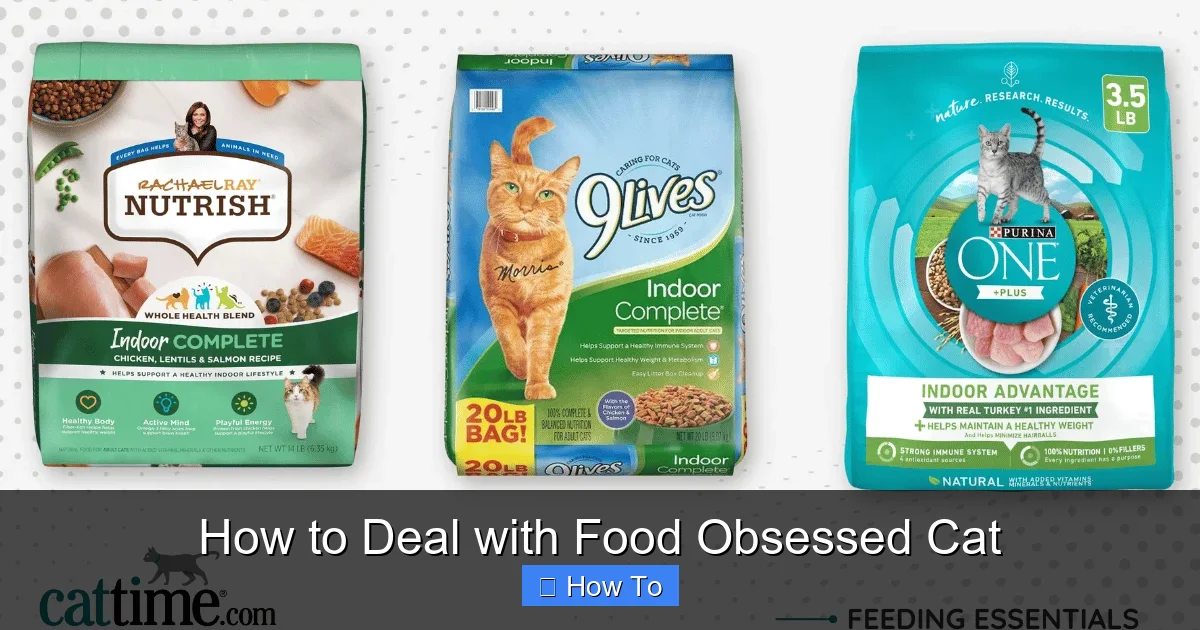
Visual guide about How to Deal with Food Obsessed Cat
Image source: cattime.com
Instinctual Hunting Behavior
Cats are natural hunters. In the wild, they eat multiple small meals throughout the day, catching prey whenever possible. This “graze-and-hunt” lifestyle means they’re wired to seek food frequently. When domesticated cats don’t get enough mental or physical stimulation, they may redirect that hunting energy toward food—begging, scavenging, or fixating on mealtime.
Boredom and Lack of Stimulation
Indoor cats, especially those without enough playtime or environmental enrichment, often turn to food for entertainment. If your cat spends most of the day sleeping and has little to do, food becomes a focal point. This is especially common in single-cat households or homes where the cat doesn’t get enough interactive play.
Poor Feeding Routines
Free-feeding (leaving food out all day) or inconsistent meal times can confuse your cat’s internal clock. Without a predictable schedule, they may become anxious about when their next meal is coming—leading to constant food-seeking behavior. Additionally, if meals are too small or infrequent, your cat might feel unsatisfied and keep looking for more.
Medical Conditions
In some cases, food obsession is a symptom of an underlying health issue. Conditions like hyperthyroidism, diabetes, or gastrointestinal problems can increase appetite or cause malabsorption of nutrients. If your cat’s food fixation is sudden or extreme, it’s essential to rule out medical causes with a vet.
Learned Behavior
Cats are smart—and they learn quickly. If you’ve ever given in to begging by offering a treat or scrap of food, your cat now associates meowing or staring with getting what they want. Over time, this reinforces the behavior, making it harder to break.
Step 1: Establish a Consistent Feeding Schedule
One of the most effective ways to deal with a food obsessed cat is to create a predictable feeding routine. Cats feel more secure when they know what to expect, and a structured schedule reduces anxiety around food.
Choose the Right Number of Meals
Most adult cats do well with two meals per day—once in the morning and once in the evening. However, some cats, especially younger or more active ones, may benefit from three smaller meals. Avoid free-feeding, as it encourages constant grazing and makes it harder to monitor intake.
Stick to the Same Times Every Day
Feed your cat at the same times each day, ideally within a 15-minute window. For example, feed at 7:00 AM and 6:00 PM daily. Use an alarm or phone reminder to stay consistent. Over time, your cat will learn to anticipate meals, reducing the urge to beg or scavenge.
Use a Timer or Automatic Feeder (Optional)
If you’re away during meal times, consider using an automatic feeder. These devices dispense food at set times, helping maintain routine even when you’re not home. In 2026, many smart feeders come with apps, portion control, and even camera features so you can monitor your cat remotely.
Example Routine
- 7:00 AM: Breakfast (measured portion)
- 12:00 PM: Optional small snack or puzzle toy (if needed)
- 6:00 PM: Dinner (measured portion)
- Before bed: 5–10 minutes of interactive play
Consistency is key. Even on weekends or holidays, try to keep meal times as close to normal as possible.
Step 2: Practice Proper Portion Control
Overfeeding or underfeeding can both contribute to food obsession. Too much food leads to weight gain and boredom; too little leaves your cat feeling hungry and unsatisfied.
Calculate the Right Amount
Check the feeding guidelines on your cat food packaging, but remember—these are estimates. Your cat’s ideal portion depends on age, weight, activity level, and metabolism. A healthy adult cat typically needs 20–30 calories per pound of body weight per day. For example, a 10-pound cat needs about 200–300 calories daily.
Use a Measuring Cup
Never “eyeball” portions. Use a dedicated measuring cup or kitchen scale to ensure accuracy. This prevents overfeeding and helps track intake if your vet recommends monitoring.
Choose High-Quality, Protein-Rich Food
Not all cat food is created equal. Look for brands with real meat as the first ingredient, minimal fillers (like corn or soy), and balanced nutrients. High-protein, low-carb diets help cats feel fuller longer and support muscle health. In 2026, many premium brands offer vet-formulated options tailored to specific needs like weight management or sensitive digestion.
Avoid Frequent Treats
Treats should make up no more than 10% of your cat’s daily caloric intake. While it’s tempting to reward your cat with snacks, too many treats can disrupt their diet and reinforce food-seeking behavior. Instead, use treats strategically—during training or as part of a puzzle toy.
Step 3: Use Food Puzzles and Slow Feeders
Food puzzles and slow feeders are game-changers for food obsessed cats. They slow down eating, provide mental stimulation, and tap into your cat’s natural hunting instincts.
What Are Food Puzzles?
Food puzzles are interactive toys that require your cat to work for their food—rolling, pawing, or nudging to release kibble or treats. They come in many forms: balls, mazes, sliding panels, and even DIY options.
Benefits of Food Puzzles
- Slows down fast eaters, reducing the risk of vomiting or bloating
- Provides mental enrichment, reducing boredom
- Mimics natural foraging behavior
- Helps with weight management by increasing activity
Types of Puzzle Feeders
- Kong Wobbler: A weighted ball that dispenses kibble as your cat bats it around.
- Nina Ottosson Puzzle Toys: Multi-level puzzles with sliding compartments and hidden chambers.
- Slow Feed Bowls: Bowls with ridges or mazes that force your cat to eat around obstacles.
- DIY Puzzles: Turn a cardboard box into a maze or hide kibble in crumpled paper.
How to Introduce Puzzles
Start simple. Place a few pieces of kibble in a puzzle toy and let your cat explore. Reward them with praise when they figure it out. Gradually increase the difficulty as they get the hang of it. Some cats may need a few days to adapt, so be patient.
Rotate Puzzles Regularly
To keep things interesting, rotate different puzzle toys every few days. This prevents boredom and keeps your cat engaged.
Step 4: Increase Play and Environmental Enrichment
A tired cat is a happy cat—and a less food-obsessed one. Daily play sessions help burn off energy, reduce stress, and redirect your cat’s focus away from food.
Schedule Daily Interactive Play
Aim for at least 10–15 minutes of active play, twice a day. Use toys that mimic prey, like feather wands, laser pointers, or motorized mice. Let your cat “hunt” and catch the toy to satisfy their instincts.
Try Different Play Styles
Some cats prefer stalking and pouncing, while others enjoy chasing or batting. Observe your cat’s preferences and tailor playtime accordingly. In 2026, many pet owners use smart toys that move on their own or respond to motion, providing solo entertainment when you’re busy.
Create a Stimulating Environment
Beyond play, enrich your cat’s environment with:
- Cat trees and perches near windows
- Scratching posts and pads
- Hiding spots (boxes, tunnels)
- Rotating toys to prevent boredom
- Cat-safe plants like catnip or wheatgrass
Use Food as a Reward During Play
Instead of feeding right after play, use a small portion of kibble as a “reward” at the end of a session. This reinforces the idea that food comes after activity, not just on demand.
Step 5: Stop Reinforcing Begging Behavior
If your cat begs, it’s likely because they’ve learned it works. The key to breaking this habit is consistency—never give in.
Ignore the Behavior
When your cat meows, stares, or jumps on the table during your meals, do not make eye contact, speak to them, or give them food. Any response—even a scolding—can be seen as attention and reinforce the behavior.
Feed Your Cat Before Your Meals
To reduce begging during your dinner, feed your cat 15–30 minutes before you eat. A full cat is less likely to pester you for scraps.
Use a “No Food Zone”
Designate certain areas—like the kitchen table or dining room—as off-limits. Use baby gates or closed doors if necessary. Consistency teaches your cat that food doesn’t come from these places.
Teach the “Leave It” Command
Train your cat to respond to a “leave it” cue. Start with a treat in your closed hand. Say “leave it,” and wait until they stop trying to get it. Reward with a different treat from your other hand. Practice daily until they understand.
Step 6: Rule Out Medical Issues
If your cat’s food obsession is sudden, extreme, or accompanied by other symptoms, it’s time to see the vet.
Signs to Watch For
- Sudden increase in appetite
- Weight loss despite eating more
- Vomiting, diarrhea, or changes in litter box habits
- Lethargy or excessive thirst
Common Medical Causes
- Hyperthyroidism: A common condition in older cats that increases metabolism and appetite.
- Diabetes: Causes excessive hunger and thirst due to insulin issues.
- Intestinal parasites: Can interfere with nutrient absorption.
- Pancreatic disorders: May lead to malabsorption and increased hunger.
What to Expect at the Vet
Your vet will likely perform a physical exam, blood tests, and possibly a urinalysis. If a medical issue is found, treatment (like medication or a special diet) can often resolve the food obsession.
Troubleshooting Common Challenges
My Cat Still Begs After Meals
This could mean they’re not getting enough food or the food isn’t satisfying. Try increasing portion size slightly or switching to a higher-protein diet. Also, ensure they’re getting enough play and stimulation.
My Cat Hates Puzzle Toys
Start with easier puzzles and make them more appealing by using treats or wet food. Some cats prefer puzzles they can bat around (like balls) over stationary ones.
My Cat Steals Food When I’m Not Looking
Keep counters clear, store food in sealed containers, and avoid leaving meals unattended. Consider feeding in a separate room during your meals to prevent temptation.
My Cat Is Overweight and Still Hungry
Work with your vet to create a weight-loss plan. Use portion control, low-calorie food, and increase activity. Avoid crash diets—slow, steady weight loss is safest.
Conclusion
Dealing with a food obsessed cat can be frustrating, but with patience and the right approach, you can help your feline friend develop healthier habits. Start by establishing a consistent feeding schedule, controlling portions, and using food puzzles to slow eating and boost mental stimulation. Increase daily play and environmental enrichment to reduce boredom, and never reward begging behavior.
Remember, food obsession isn’t just about hunger—it’s often a sign of unmet physical or emotional needs. By addressing the root causes and staying consistent, you’ll not only improve your cat’s relationship with food but also strengthen your bond. And if the behavior persists or seems extreme, don’t hesitate to consult your vet. In 2026, with the right tools and knowledge, every cat can enjoy a balanced, happy life—one meal at a time.