
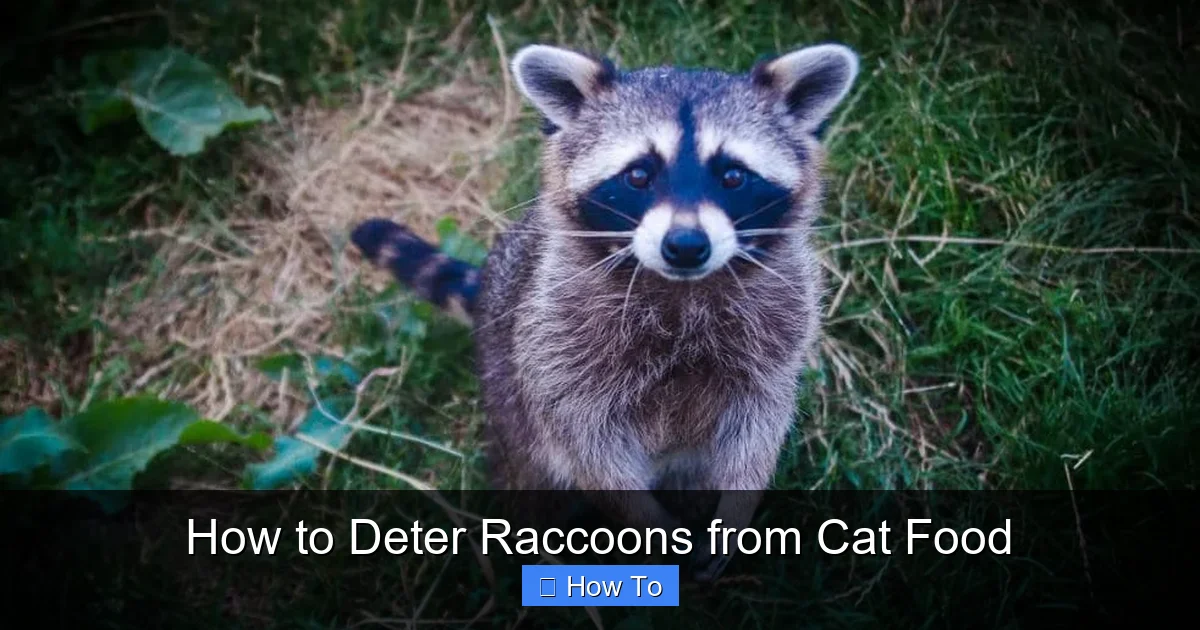
Discover effective, humane ways to stop raccoons from raiding your cat’s outdoor food. This guide covers smart feeding routines, secure storage solutions, motion-activated deterrents, and natural repellents—all updated for 2026. Protect your pets and property with simple, science-backed strategies.
Key Takeaways
- Feed your cat indoors or bring food in immediately after meals to eliminate the scent trail that attracts raccoons.
- Use raccoon-proof feeders with locking lids or weight-sensitive mechanisms to prevent access while allowing your cat to eat freely.
- Install motion-activated sprinklers or lights to startle raccoons without harming them or your pets.
- Store dry cat food in airtight, heavy-duty containers and keep it indoors to reduce odors that draw wildlife.
- Apply natural repellents like citrus peels, cayenne pepper, or commercial eco-friendly sprays around feeding areas to discourage visits.
- Trim tree branches and secure trash cans to remove alternative food sources and easy access points.
- Stay consistent with deterrents and monitor results—raccoons are smart and may adapt, so rotating strategies helps long-term success.
How to Deter Raccoons from Cat Food: A Complete 2026 Guide
If you’ve ever woken up to find your cat’s food bowl overturned, half-eaten, and surrounded by tiny paw prints, you’re not alone. Raccoons are clever, opportunistic animals with an incredible sense of smell—and they love pet food. In 2026, urban and suburban wildlife encounters are more common than ever, thanks to habitat loss and abundant human food sources. But the good news? You can protect your cat’s meals without harming these masked bandits.
This guide will walk you through practical, humane, and effective strategies to keep raccoons away from your cat’s food. Whether you feed your cat outdoors, on a porch, or near a window, these tips are designed for real-world use—tested by pet owners and wildlife experts alike. We’ll cover feeding routines, secure storage, high-tech deterrents, natural repellents, and environmental changes that make your yard less inviting to raccoons.
By the end of this guide, you’ll have a clear action plan to safeguard your cat’s food, reduce nighttime disturbances, and coexist peacefully with local wildlife. Let’s get started.
Why Raccoons Are Drawn to Cat Food

Visual guide about How to Deter Raccoons from Cat Food
Image source: birdsandwild.com
Before we dive into solutions, it’s important to understand why raccoons target cat food in the first place. Raccoons are omnivores with a strong preference for high-protein, fatty foods—exactly what’s in most commercial cat kibble and wet food. Their sense of smell is up to 10 times stronger than a human’s, allowing them to detect food from hundreds of feet away, even through sealed containers.
In 2026, raccoon populations are thriving in residential areas. With natural food sources like berries, insects, and small animals becoming scarcer due to urban sprawl, raccoons turn to easier meals—like your cat’s dinner. They’re also nocturnal, so they often raid food bowls under cover of darkness, when your cat is asleep and you’re not around to intervene.
Another factor? Raccoons are highly intelligent and adaptable. Once they find a reliable food source, they’ll return night after night—and teach their young to do the same. That’s why a one-time fix won’t work. You need a consistent, multi-layered approach to break the habit.
Step 1: Change Your Feeding Routine
The simplest and most effective way to deter raccoons is to eliminate the food source when your cat isn’t eating. Raccoons aren’t just attracted to the food—they’re attracted to the scent. Leaving food out all day or overnight creates a beacon for wildlife.
Feed Your Cat Indoors Whenever Possible
If your cat is comfortable eating inside, do it. Indoor feeding removes the temptation entirely. Use a quiet, low-traffic area of your home, like a kitchen corner or laundry room, and establish a consistent mealtime routine. Most cats adapt quickly to indoor feeding, especially if you make it a positive experience with praise or a favorite toy afterward.
Use Timed Feeders for Outdoor Cats
If your cat must eat outside—due to behavior, health, or multi-pet dynamics—consider a timed automatic feeder. These devices release food at set times and can be programmed to open only during daylight hours. Some 2026 models even include microchip recognition, so only your cat can access the food.
Look for feeders with secure lids that lock after dispensing. Brands like PetSafe and SureFeed now offer raccoon-resistant models with reinforced hinges and tamper-proof designs. Place the feeder in a well-lit area, away from bushes or fences raccoons could climb.
Remove Food Immediately After Eating
If you feed your cat outdoors, never leave food out for more than 20–30 minutes. Scoop up any leftovers and wash the bowl thoroughly. Raccoons can smell residual grease and crumbs, so a quick rinse isn’t enough—use hot, soapy water or a pet-safe disinfectant.
Pro tip: Store the clean bowl indoors overnight. This breaks the scent trail and signals to raccoons that food isn’t available after dark.
Step 2: Upgrade to Raccoon-Proof Feeders
Even with a strict feeding schedule, raccoons may still attempt to access food. That’s where raccoon-proof feeders come in. These specialized devices are designed to keep wildlife out while allowing your cat to eat in peace.
Choose a Weight-Sensitive Feeder
Weight-sensitive feeders use sensors to detect the size and weight of the animal approaching. When a raccoon (which typically weighs 10–30 pounds) steps on the platform, the lid locks shut. Your cat, usually under 15 pounds, can still access the food.
In 2026, models like the CatMate C500 and the newer PetGuard Pro feature improved sensitivity and faster response times. They’re battery-powered, weather-resistant, and easy to clean. Place the feeder on a flat, stable surface to ensure accurate readings.
Opt for a Locking Lid Design
Some feeders use manual or electronic locks that only open with a key, code, or RFID tag. While more expensive, these are nearly impossible for raccoons to defeat. The SureFeed Microchip Feeder, for example, only opens when it detects your cat’s implanted microchip or a compatible collar tag.
This option is ideal if you have multiple outdoor pets or live in an area with high raccoon activity. Just make sure your cat wears the tag consistently—otherwise, they won’t be able to eat.
DIY Raccoon-Proof Feeder (Budget-Friendly Option)
If you’re handy, you can build a simple raccoon-proof feeder using a large plastic storage bin. Cut a small entrance hole (just big enough for your cat), then place the food bowl inside. Add a heavy lid or secure it with bungee cords. Raccoons can’t open it, but your cat can push through the hole.
For extra security, place the bin on a raised platform or inside a dog crate with the door removed. This adds height and limits access from climbing animals.
Step 3: Use Motion-Activated Deterrents
Raccoons are cautious by nature. A sudden burst of water, light, or sound can startle them and discourage return visits. Motion-activated devices are a humane, effective way to protect your cat’s food area.
Install Motion-Activated Sprinklers
These devices detect movement and spray a short burst of water. They’re safe for pets and people but startling enough to send raccoons running. The Orbit Yard Enforcer and the newer Gardena Smart Sprinkler are popular choices in 2026, with adjustable sensitivity and range.
Place the sprinkler near the feeding area, but not so close that it soaks your cat. Aim it slightly upward to create a curtain of water that raccoons must cross to reach the food. Most models run on batteries or solar power, making them eco-friendly and low-maintenance.
Try Motion-Activated Lights or Sounds
Raccoons prefer dark, quiet spaces. Bright lights or unexpected noises can make them feel exposed and unsafe. Motion-activated LED lights, like the Mr. Beams MB983, illuminate the area when movement is detected. Pair them with ultrasonic repellents that emit high-frequency sounds inaudible to humans but irritating to raccoons.
Avoid using loud alarms or flashing strobes near your home, as they may disturb neighbors or stress your cat. Opt for subtle, consistent deterrents instead.
Combine Deterrents for Maximum Effect
For best results, use more than one type of deterrent. A sprinkler paired with a light creates a multi-sensory barrier that’s harder for raccoons to ignore. Rotate devices every few weeks to prevent habituation—raccoons are smart and may learn to avoid a single trigger over time.
Step 4: Secure Food Storage
Even if you don’t feed outdoors, raccoons can be drawn to the smell of stored cat food. Proper storage reduces odors and prevents accidental spills that attract wildlife.
Use Airtight, Heavy-Duty Containers
Store dry cat food in sealed plastic or metal bins with tight-fitting lids. Avoid thin bags or cardboard boxes—raccoons can tear through them easily. Look for containers labeled “bear-proof” or “wildlife-resistant,” as they’re designed to withstand strong claws and teeth.
Popular options include the Gamma2 Vittles Vault and the IRIS USA Airtight Pet Food Bin. These are stackable, easy to clean, and come in sizes from 5 to 50 pounds. Keep the container in a garage, shed, or indoor pantry—never on an open porch or patio.
Clean Spills Immediately
If you scoop food outdoors or near a door, wipe up any crumbs or kibble right away. A single piece of food can leave a scent trail that leads raccoons straight to your home. Use a damp cloth or pet-safe cleaner to remove grease and residue.
Wash Food Bowls Daily
Residual food oils can linger on bowls, even after a quick rinse. Wash your cat’s dishes with hot, soapy water every day, and dry them thoroughly before refilling. Consider using stainless steel or ceramic bowls—they’re easier to clean and less likely to absorb odors than plastic.
Step 5: Use Natural and Commercial Repellents
Repellents work by creating an unpleasant sensory experience for raccoons—without causing harm. In 2026, both natural and eco-friendly commercial options are widely available and highly effective.
Natural Repellents You Can Make at Home
– Citrus Peels: Raccoons dislike the strong smell of citrus. Scatter orange, lemon, or lime peels around the feeding area. Replace them every few days to maintain potency.
– Cayenne Pepper: Sprinkle a thin line of cayenne around the food bowl. It irritates raccoons’ sensitive noses but won’t hurt them. Reapply after rain.
– Ammonia-Soaked Rags: Place rags soaked in household ammonia in open containers near the feeding zone. The fumes repel raccoons but dissipate quickly. Keep away from pets and children.
– Predator Urine: Available at garden centers, fox or coyote urine mimics the scent of a natural predator. Sprinkle it around the perimeter of your yard. Use sparingly and reapply weekly.
Eco-Friendly Commercial Repellents
Look for repellents labeled “non-toxic,” “biodegradable,” and “safe for pets.” In 2026, brands like EcoGuard and Wildlife Shield offer sprays and granules made from plant-based ingredients like capsaicin (from chili peppers) and essential oils.
Apply these products around the feeding area, not directly on the food or bowl. Follow the instructions carefully—overuse can reduce effectiveness or harm plants. Reapply after rain or heavy dew.
DIY Repellent Spray Recipe
Mix 1 cup of water, 1 tablespoon of cayenne pepper, and 1 teaspoon of dish soap in a spray bottle. Shake well and spray around the feeding zone. The soap helps the solution stick to surfaces. Test on a small area first to ensure it won’t damage plants or siding.
Step 6: Modify Your Yard Environment
Raccoons are more likely to visit yards that offer food, shelter, and easy access. By making your property less inviting, you reduce the chances of an encounter.
Trim Overhanging Branches
Raccoons are excellent climbers. They often use tree branches to jump onto roofs, fences, or porches. Trim any branches within 6–8 feet of your home to block their path.
Secure Trash Cans and Compost Bins
Open trash and compost are major attractants. Use bins with locking lids or bungee cords to keep them closed. Store bins in a garage or shed when not in use. Avoid putting out food scraps until the morning of trash day.
Remove Other Food Sources
Bird feeders, fallen fruit, and pet water bowls can all draw raccoons. Clean up fruit from trees, bring in bird feeders at night, and empty water dishes after dark. A clean yard is a less tempting yard.
Install Fencing (Optional)
For persistent problems, consider installing a raccoon-proof fence. Use 3–4 feet of chicken wire or hardware cloth, buried 6 inches underground to prevent digging. Add an outward-facing overhang at the top to stop climbers.
Electric fencing is another option, but it requires caution and local permits. Consult a wildlife expert before installation.
Troubleshooting Common Problems
Even with the best plans, raccoons can be stubborn. Here’s how to handle common issues:
Raccoons Keep Returning Despite Deterrents
Raccoons are intelligent and may adapt to single deterrents. Rotate strategies every 1–2 weeks. For example, switch from a sprinkler to a light, or change the type of repellent. Consistency and variety are key.
Your Cat Is Afraid of the Deterrents
If your cat is startled by motion-activated devices, place them farther away or use quieter options like lights instead of sprinklers. Gradually introduce new devices during the day so your cat can get used to them.
Neighbors Are Feeding Wildlife
Talk to your neighbors politely. Explain how feeding raccoons or other wildlife can lead to property damage and health risks. Suggest community-wide solutions, like secure trash bins or shared deterrents.
You See a Sick or Aggressive Raccoon
Do not approach. Contact your local animal control or wildlife rehabilitation center immediately. Raccoons can carry diseases like rabies and distemper.
Conclusion
Keeping raccoons away from your cat’s food doesn’t have to be a nightly battle. With the right combination of feeding habits, secure storage, deterrents, and environmental changes, you can protect your pet’s meals and enjoy a peaceful yard.
Remember: raccoons aren’t “bad” animals—they’re just doing what comes naturally. By removing food sources and using humane deterrents, you’re helping them find natural food instead of relying on yours. In 2026, coexistence is not only possible—it’s essential.
Start with one or two changes, like bringing food in at night or using a motion-activated sprinkler. Monitor the results, adjust as needed, and stay consistent. Over time, you’ll see fewer raccoon visits and more peaceful nights.
Your cat—and your sanity—will thank you.