

Discover effective, humane ways to stop raccoons from raiding your cat’s food. This guide covers secure feeding routines, smart storage, and eco-friendly deterrents to protect your pet’s meals and keep wildlife at bay.
Key Takeaways
- Feed cats indoors whenever possible: The simplest and most effective way to prevent raccoons from accessing cat food is to bring meals inside, especially at night when raccoons are most active.
- Use raccoon-proof feeders with timers: Automatic feeders with locking lids or motion sensors can dispense food only during safe hours and close immediately after eating.
- Store food in sealed, heavy containers: Keep dry cat food in airtight, metal or thick plastic bins with secure lids to prevent raccoons from breaking in and spreading mess.
- Remove outdoor food sources promptly: Never leave uneaten food outside—clean bowls immediately after your cat finishes to avoid attracting raccoons and other wildlife.
- Install motion-activated deterrents: Sprinklers, lights, or ultrasonic devices can startle raccoons without harming them, encouraging them to avoid your yard.
- Secure trash and compost bins: Raccoons are drawn to food odors—keeping garbage tightly sealed reduces the chance they’ll stick around and discover your cat’s food.
- Use natural repellents like citrus or peppermint: Spraying these scents around feeding areas can discourage raccoons, who dislike strong, pungent smells.
How to Deter Raccoons from Eating Cat Food
If you’ve ever woken up to find your cat’s food bowl overturned and half-eaten—or worse, discovered a masked bandit rummaging through your pet’s dinner—you’re not alone. Raccoons are clever, persistent, and surprisingly strong animals that can easily break into outdoor feeding areas. In 2026, with urban wildlife becoming more accustomed to human environments, protecting your cat’s food from raccoons is more important than ever.
The good news? You don’t need harsh chemicals or expensive gadgets to keep raccoons away. With a few smart habits, secure tools, and natural deterrents, you can enjoy peace of mind knowing your cat’s meals are safe—and your yard remains raccoon-free.
In this guide, you’ll learn practical, humane, and effective strategies to stop raccoons from eating your cat’s food. From adjusting feeding routines to using high-tech feeders and natural repellents, we’ll walk you through every step. Whether you live in a suburban neighborhood or a rural area, these tips will help you protect your pet, reduce wildlife conflicts, and maintain a clean, safe outdoor space.
Let’s dive in.
Understand Why Raccoons Are Attracted to Cat Food
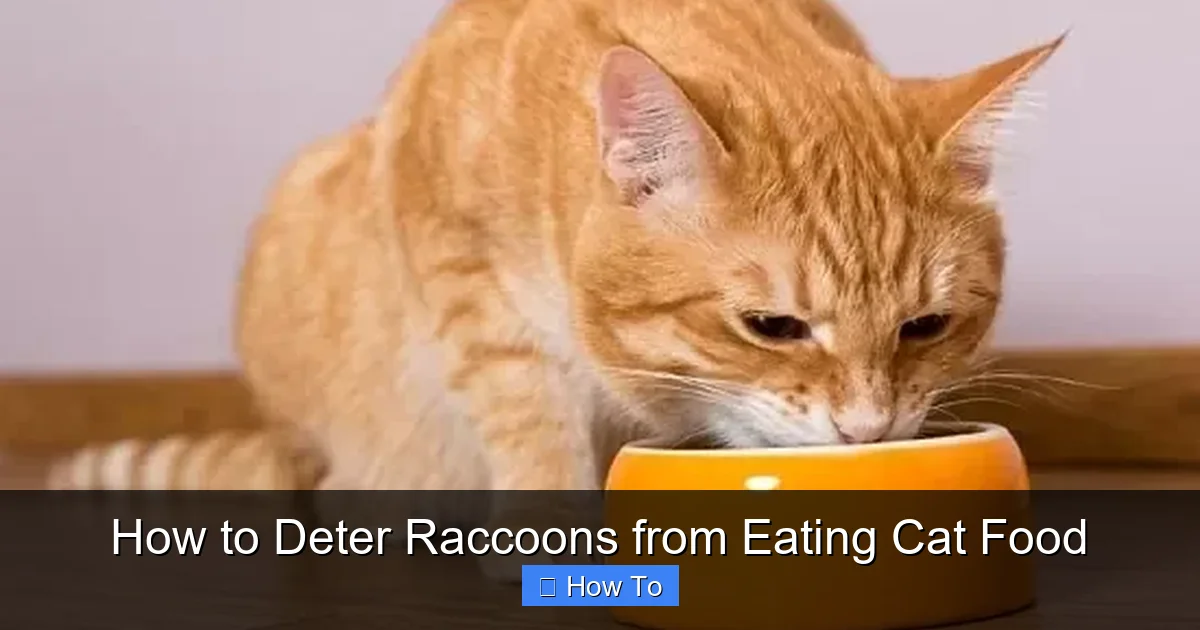
Visual guide about How to Deter Raccoons from Eating Cat Food
Image source: catlovesbest.com
Before we talk about solutions, it helps to understand the problem. Raccoons are omnivores with a strong sense of smell and an even stronger appetite. They’re naturally drawn to high-protein, high-fat foods—exactly what’s in most commercial cat foods. Dry kibble, in particular, emits a strong odor that can travel far, especially at night when raccoons are most active.
Raccoons are also highly intelligent and adaptable. Once they discover a reliable food source—like your cat’s outdoor bowl—they’ll return night after night. They can even learn to open latches, knock over containers, or dig under fences to get to food. And because they’re nocturnal, they often raid feeding areas when you’re asleep, leaving behind a mess and potentially spreading bacteria.
In 2026, raccoon populations in urban and suburban areas continue to grow. With natural habitats shrinking and human food sources abundant, these clever critters are becoming bolder. That’s why proactive prevention is key.
Step 1: Feed Your Cat Indoors (The Gold Standard)
The most effective way to stop raccoons from eating cat food is simple: don’t leave it outside.
Indoor feeding eliminates the opportunity for raccoons to access your pet’s meals. It’s safe, clean, and gives you full control over when and how your cat eats.
How to Transition to Indoor Feeding
If your cat is used to eating outside, don’t make the switch overnight. Gradual changes work best.
- Start by bringing the food bowl inside during the day. Feed your cat in a quiet room where they feel safe. Use the same bowl and food to maintain familiarity.
- Gradually reduce outdoor feeding times. If your cat eats outside in the evening, move the bowl inside 15 minutes earlier each night until it’s fully indoors.
- Use positive reinforcement. Praise your cat and offer a small treat when they eat inside. This builds a positive association with indoor meals.
Benefits of Indoor Feeding
- No raccoon access: Your cat’s food stays protected 24/7.
- Better portion control: You can monitor how much your cat eats and prevent overeating.
- Healthier digestion: Eating in a calm environment reduces stress and improves digestion.
- Fewer pests: No food outside means fewer flies, ants, and other insects.
What If Your Cat Refuses to Eat Indoors?
Some cats are stubborn. If your cat refuses to eat inside, try these tips:
- Create a cozy feeding nook: Use a soft mat, familiar blanket, or a covered cat tent to make the space inviting.
- Feed near a window: Let your cat watch birds or squirrels while eating—this mimics outdoor stimulation.
- Try puzzle feeders: These slow down eating and make mealtime more engaging, which can encourage indoor eating.
Remember: patience is key. Most cats adapt within a week or two.
Step 2: Use a Raccoon-Proof Automatic Feeder
If indoor feeding isn’t an option—maybe you have a barn cat or a multi-cat household with outdoor access—consider investing in a raccoon-proof automatic feeder.
These smart devices are designed to dispense food at specific times and lock securely when not in use. In 2026, newer models come with advanced features like motion sensors, weight-activated lids, and smartphone controls.
Top Features to Look For
- Locking lid or door: Prevents raccoons from prying open the feeder.
- Timer-based dispensing: Releases food only during daylight or safe hours.
- Motion or weight sensors: Opens only when your cat approaches (some models recognize microchips or RFID tags).
- Durable construction: Made from metal or thick, chew-resistant plastic.
- Weatherproof design: Protects food from rain, snow, and humidity.
Recommended Models for 2026
- PawSense Pro 3: Uses AI to detect your cat’s presence and locks automatically. App-controlled and solar-powered.
- FeedGuard Outdoor Feeder: Heavy-duty steel body with a spring-loaded lid that only opens under your cat’s weight.
- SmartBowl Eco: RFID-enabled—only opens for cats with registered tags. Great for multi-pet homes.
Installation Tips
- Place the feeder in a visible, open area. Raccoons prefer cover, so avoid placing it near bushes or fences.
- Elevate it off the ground. Use a stand or mount it on a post to make it harder to tip over.
- Test it before relying on it. Make sure your cat can access it easily and that the lid locks properly.
Step 3: Store Cat Food Securely
Even if you feed indoors, raccoons might still be drawn to the smell of stored food. Improper storage can lead to infestations, spoiled kibble, and even structural damage.
Use Airtight, Raccoon-Proof Containers
Store dry cat food in sealed containers made of metal or thick, heavy-duty plastic. Avoid thin plastic bins—raccoons can chew through them.
- Metal trash cans with locking lids: Affordable and highly effective. Look for ones with bungee cords or clamp seals.
- Heavy-duty plastic bins with gasket seals: Brands like Gamma2 Vittles Vault or IRIS USA offer pet food containers designed to resist pests.
- Food-grade buckets with gamma seals: Easy to open for humans, nearly impossible for raccoons.
Where to Store the Container
- Indoors: A garage, basement, or pantry is ideal. Keep it off the floor if possible.
- Outdoors: If you must store food outside, use a locked shed or metal cabinet. Never leave containers on porches or patios.
Bonus Tip: Freeze Opened Bags
To reduce odor, transfer opened cat food into airtight containers and store them in the freezer. This slows spoilage and makes the smell less detectable to wildlife.
Step 4: Remove Food Immediately After Meals
One of the biggest mistakes pet owners make? Leaving uneaten food outside.
Even a few kibbles left in the bowl can attract raccoons. And once they find food, they’ll keep coming back.
Best Practices for Outdoor Feeding
- Feed only what your cat will eat in one sitting. Use portion control to minimize leftovers.
- Remove the bowl within 15–30 minutes. Don’t let food sit out all day or overnight.
- Clean the bowl daily. Wash it with hot, soapy water to remove grease and odor.
- Rinse the feeding area. Wipe down the spot where the bowl sits to eliminate food residue.
What About Free-Feeding?
Free-feeding (leaving food out all day) is convenient but risky. It increases the chance of raccoon visits and can lead to overeating or spoiled food.
Instead, consider timed feeding: offer meals at set times, twice a day. This mimics natural hunting behavior and reduces waste.
Step 5: Use Motion-Activated Deterrents
If raccoons are already visiting your yard, motion-activated devices can help scare them away—humanely and effectively.
Types of Deterrents
- Motion-activated sprinklers: These spray a burst of water when they detect movement. Raccoons hate getting wet and will avoid the area. Models like the Orbit Yard Enforcer are popular in 2026.
- Motion-sensor lights: Bright LED lights that turn on at night can startle raccoons. Choose solar-powered models for eco-friendliness.
- Ultrasonic repellents: Emit high-frequency sounds that humans can’t hear but disturb raccoons. Place them near feeding areas or entry points.
Placement Tips
- Aim sprinklers at common raccoon paths. Watch where they enter your yard and position the device accordingly.
- Use multiple devices for large areas. One sprinkler may not cover everything.
- Test during the day. Make sure the sensors are working and not triggered by wind or pets.
Important Note
These devices work best as part of a broader strategy. Use them alongside secure feeding and storage for maximum effectiveness.
Step 6: Eliminate Other Food Sources
Raccoons are opportunists. If your yard has multiple food sources, they’ll keep returning—even if you protect your cat’s food.
Secure Trash and Compost
- Use raccoon-proof trash cans: Look for models with locking lids or bungee cords. Brands like BearSaver and Toter offer wildlife-resistant options.
- Store bins in a garage or shed: Don’t leave them on the curb overnight.
- Clean bins regularly: Rinse with vinegar or bleach to remove food smells.
- Compost safely: Use a sealed compost bin and avoid adding meat, dairy, or oily foods.
Other Attractants to Watch For
- Pet water bowls: Change water daily and bring bowls inside at night.
- Bird feeders: Raccoons love birdseed. Use squirrel-proof feeders or take them down at dusk.
- Fallen fruit: Pick up apples, berries, or other fruit from trees regularly.
By removing these temptations, you make your yard far less appealing to raccoons.
Step 7: Use Natural Repellents
If you prefer chemical-free solutions, natural repellents can help deter raccoons without harming them or the environment.
Effective Natural Scents
Raccoons have a strong sense of smell and dislike certain odors. Use these to your advantage.
- Citrus peels or essential oil: Soak cotton balls in lemon, orange, or grapefruit oil and place them near feeding areas.
- Peppermint oil: Mix 10–15 drops with water in a spray bottle and mist around the yard. Reapply after rain.
- Ammonia: Soak rags in ammonia and place them in open containers near entry points. Use with caution—keep away from pets and children.
- Hot pepper spray: Blend cayenne pepper, garlic, and water. Strain and spray on surfaces. Reapply frequently.
DIY Repellent Recipe
Spicy Citrus Spray
- 1 cup water
- 1/4 cup lemon juice
- 1 tablespoon cayenne pepper
- 1 teaspoon dish soap (helps it stick)
Mix in a spray bottle and apply to feeding areas, trash cans, and fences. Reapply every few days or after rain.
Important Reminders
- Reapply often: Natural repellents fade quickly, especially in rain or sunlight.
- Test on small areas first: Make sure the spray doesn’t damage plants or surfaces.
- Don’t spray directly on food or bowls: Only use around the perimeter.
Step 8: Modify Your Yard Layout
Raccoons prefer areas with cover and easy access. By making your yard less inviting, you can discourage visits.
Landscaping Tips
- Trim tree branches: Keep limbs at least 6–8 feet away from roofs and fences. Raccoons use them to climb and jump.
- Clear brush and debris: Remove piles of leaves, wood, or clutter where raccoons might hide.
- Install fencing: Use 3–4 foot tall hardware cloth or chicken wire. Bury it 6–12 inches underground to prevent digging.
- Add a roller bar: Install a spinning bar on top of fences to prevent raccoons from gripping and climbing over.
Lighting Matters
Bright, motion-activated lights can make raccoons feel exposed. Install them near feeding areas, trash cans, and entry points.
Troubleshooting Common Problems
Even with the best plans, raccoons can be persistent. Here’s how to handle common issues.
Problem: Raccoons Keep Breaking Into Feeders
- Upgrade to a heavier model: Choose metal over plastic.
- Add a bungee cord: Secure the lid with a strong cord or lock.
- Place the feeder inside a locked cage: Use a wire mesh enclosure with small openings.
Problem: My Cat Still Eats Outside and I Can’t Stop It
- Use a microchip-activated feeder: Only opens for your cat.
- Feed during daylight hours: Raccoons are less active during the day.
- Supervise outdoor meals: Stay outside while your cat eats, then remove the bowl immediately.
Problem: Repellents Aren’t Working
- Rotate scents: Raccoons can get used to one smell. Switch between citrus, peppermint, and hot pepper.
- Combine methods: Use sprinklers with repellent sprays for better results.
- Be consistent: It can take 1–2 weeks for raccoons to stop visiting.
Conclusion
Keeping raccoons away from your cat’s food doesn’t have to be a battle. With the right strategies—indoor feeding, secure storage, smart feeders, and natural deterrents—you can protect your pet’s meals and enjoy a peaceful, wildlife-free yard.
In 2026, as urban wildlife continues to adapt, proactive prevention is more important than ever. Start with the simplest step: bring your cat’s food inside. If that’s not possible, use a raccoon-proof feeder and remove food immediately after meals. Combine these with motion-activated sprinklers, natural repellents, and yard modifications for the best results.
Remember, raccoons are smart—but you’re smarter. By staying consistent and using humane, effective methods, you can outsmart these clever critters and keep your cat happy, healthy, and well-fed.
Your cat deserves a safe meal. And your yard deserves to be raccoon-free. Start today.