
Struggling to get your cat to eat wet food? This guide reveals practical, vet-approved methods to make mealtime exciting and nutritious. From warming the food to rotating flavors, learn how to entice even the pickiest feline in 2026.
Key Takeaways
- Warm the food slightly: Cats are drawn to body-temperature meals—microwave for 10–15 seconds to release aroma.
- Introduce gradually: Mix wet food with dry kibble at first, slowly increasing the wet portion over 7–10 days.
- Offer variety: Rotate proteins (chicken, salmon, turkey) and textures (pâté, shreds, gravy) to prevent boredom.
- Use high-value toppings: Sprinkle freeze-dried liver or a dab of tuna juice to spark interest.
- Serve fresh and timely: Offer small portions twice daily; discard uneaten food after 30–60 minutes to maintain freshness.
- Create a calm environment: Feed in a quiet, low-traffic area to reduce stress and encourage eating.
- Consult your vet if needed: Sudden refusal to eat may signal dental pain, illness, or food sensitivities.
How to Entice Cat to Eat Wet Food: A Complete 2026 Guide
If you’ve ever stared at your cat pushing a perfectly good bowl of wet food around like it’s a science experiment, you’re not alone. In 2026, more cat parents are making the switch to wet food—thanks to its superior hydration, palatability, and health benefits—but getting your feline friend onboard can be tricky. The good news? With the right approach, even the most stubborn kitty can learn to love wet food.
This guide will walk you through proven, science-backed strategies to entice your cat to eat wet food. Whether your cat is a lifelong dry food devotee, a senior with changing tastes, or just a finicky eater, these steps will help you make the transition smooth, stress-free, and successful. By the end, you’ll know exactly how to turn mealtime into a moment your cat looks forward to—not avoids.
Why Wet Food Matters for Cats in 2026

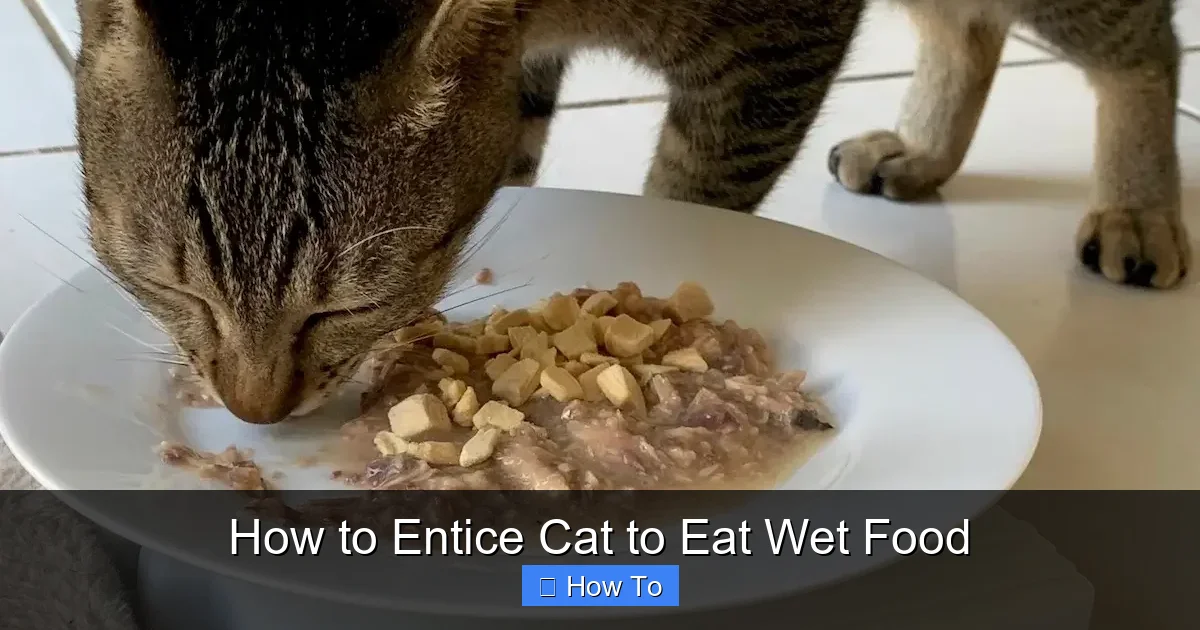
Visual guide about How to Entice Cat to Eat Wet Food
Image source: shutterstock.com
Before we dive into the “how,” let’s talk about the “why.” Wet food isn’t just a trend—it’s a nutritional upgrade. In 2026, veterinarians and pet nutritionists agree that wet food should be a staple in every cat’s diet. Here’s why:
- Hydration: Cats are naturally low-thirst drinkers. Wet food is 70–80% water, helping prevent urinary tract issues, kidney disease, and dehydration—especially common in indoor cats.
- Protein-rich: High-quality wet foods are packed with animal-based protein, supporting muscle health and energy levels.
- Lower carbohydrates: Unlike many dry kibbles, wet food contains fewer fillers and starches, aligning better with a cat’s carnivorous biology.
- Weight management: The moisture and protein help cats feel full longer, reducing overeating and obesity risks.
Despite these benefits, many cats resist wet food—often because they’re creatures of habit. But with patience and the right techniques, you can help your cat embrace this healthier option.
Step 1: Choose the Right Wet Food
Not all wet foods are created equal. The first step to enticing your cat is selecting a high-quality product that appeals to their senses.
Look for High Meat Content
Cats are obligate carnivores, meaning they need meat to thrive. Check the ingredient list: the first ingredient should be a named animal protein like “chicken,” “turkey,” or “salmon”—not “meat by-products” or “animal digest.”
Consider Texture and Form
Cats have texture preferences just like humans. Some love smooth pâté, while others prefer chunky shreds or food in gravy. Try a variety pack to see what your cat enjoys. In 2026, brands like Wellness CORE, Royal Canin, and Tiki Cat offer diverse textures to suit different tastes.
Avoid Artificial Additives
Skip foods with artificial colors, flavors, or preservatives like BHA or BHT. These can affect taste and long-term health. Opt for natural, limited-ingredient recipes, especially if your cat has sensitivities.
Check the Expiration and Storage
Always buy fresh cans or pouches with clear expiration dates. Store unopened wet food in a cool, dry place, and refrigerate leftovers for up to 5 days in an airtight container.
Step 2: Warm the Food Slightly
One of the easiest and most effective ways to entice your cat is to warm the food. Cats have a highly developed sense of smell—up to 14 times stronger than humans—and warmth enhances aroma, making the food more appealing.
How to Warm Wet Food Safely
- Place the desired amount in a small bowl.
- Microwave for 10–15 seconds (never overheat—hot spots can burn your cat’s mouth).
- Stir well to distribute heat evenly.
- Test the temperature on your wrist—it should feel lukewarm, not hot.
Alternatively, place the sealed can or pouch in a bowl of warm water for a few minutes. Avoid boiling or using high heat, as it can destroy nutrients and create unpleasant odors.
Why This Works
In the wild, cats eat prey at body temperature (around 100°F). Warming wet food mimics this natural preference, triggering your cat’s instinct to eat. Many cats who ignore cold food will eagerly dig into a warmed bowl.
Step 3: Introduce Wet Food Gradually
Sudden changes can scare off even the most food-motivated cats. The key is a slow, steady transition.
Start with a 7–10 Day Plan
- Days 1–3: Mix 10% wet food with 90% dry kibble. Serve at mealtime.
- Days 4–6: Increase to 25% wet, 75% dry.
- Days 7–10: Move to 50% wet, 50% dry.
- Days 11+: Serve 100% wet food, or a mix your cat prefers.
This gradual approach helps your cat adjust to the new texture, smell, and taste without feeling overwhelmed.
Use the “Topper” Method
If your cat still resists, try placing a small amount of wet food on top of their usual dry kibble. Let them eat the wet bits first, then the dry. Over time, increase the wet portion.
Be Patient with Senior or Picky Cats
Older cats or those with dental issues may need extra time. Try softer pâtés or blending the food slightly. Some cats prefer food at room temperature—experiment to find what works.
Step 4: Rotate Flavors and Textures
Boredom is a major reason cats turn up their noses at food. In 2026, pet food companies offer more variety than ever—use it to your advantage.
Offer a Rotation Schedule
Rotate between 3–4 different proteins (chicken, beef, fish, duck) and textures weekly. For example:
- Monday: Chicken pâté
- Wednesday: Salmon in gravy
- Friday: Turkey shreds
This keeps meals exciting and reduces the chance of food aversion.
Try Limited-Edition or Seasonal Flavors
Brands like Hill’s Science Diet and Purina Pro Plan now release seasonal wet food lines (e.g., “Winter Salmon Medley” or “Summer Chicken Feast”). These limited runs can spark curiosity and make mealtime feel special.
Introduce Novel Proteins
If your cat is bored with chicken, try rabbit, venison, or duck. Novel proteins can reignite interest and are great for cats with food sensitivities.
Step 5: Use High-Value Toppings
Sometimes, all it takes is a little incentive. Toppings can turn a “meh” meal into a “wow” moment.
Freeze-Dried Treats
Sprinkle a few pieces of freeze-dried chicken, liver, or fish on top. These are highly aromatic and packed with flavor. Brands like PureBites and Stella & Chewy’s are popular in 2026.
Liquid Enhancers
Add a teaspoon of tuna juice (from water-packed tuna, not oil), bone broth (low-sodium, no onions/garlic), or cat-safe gravy. These liquids boost smell and taste.
Homemade Boosters
Try grating a tiny bit of hard cheese (like Parmesan) or offering a dab of plain, cooked egg yolk. Use sparingly—these are treats, not meal replacements.
Interactive Feeders
Use puzzle feeders or lick mats to make eating fun. Spread a thin layer of wet food on a silicone mat and let your cat “hunt” it with their tongue. This engages their natural instincts and slows eating.
Step 6: Serve Fresh, Small Portions
Cats prefer fresh food. Large portions can spoil quickly, and stale food loses its appeal.
Feed Twice Daily
Most adult cats do well with two meals per day. Offer a small portion (1/4 to 1/2 can, depending on size) in the morning and evening.
Discard Uneaten Food Promptly
Remove uneaten wet food after 30–60 minutes to prevent bacterial growth and maintain freshness. Cats are more likely to eat food that smells and tastes fresh.
Use Clean Bowls
Wash food bowls daily with hot, soapy water. Residue from old food can affect taste and smell. Some cats are sensitive to plastic—try stainless steel or ceramic bowls.
Step 7: Create a Calm Feeding Environment
Stress can kill appetite. A peaceful setting helps your cat feel safe and relaxed during meals.
Choose a Quiet Spot
Feed your cat in a low-traffic area away from loud appliances, children, or other pets. A corner of the kitchen or a cozy nook works well.
Maintain a Routine
Serve meals at the same time each day. Cats thrive on predictability, and a consistent schedule encourages healthy eating habits.
Minimize Distractions
Turn off the TV, avoid loud noises, and keep other pets at a distance during mealtime. A calm cat is a hungry cat.
Step 8: Monitor and Adjust
Every cat is different. Pay attention to your cat’s reactions and adjust your approach as needed.
Track Eating Habits
Keep a simple log:
- What food was served?
- How much was eaten?
- Any signs of interest or refusal?
This helps identify patterns and preferences.
Watch for Health Signs
If your cat suddenly stops eating, shows weight loss, vomiting, or lethargy, consult your vet. These could signal dental pain, kidney issues, or other medical conditions.
Be Flexible
Some cats never fully give up dry food—and that’s okay. A mix of wet and dry can still provide hydration and nutrition. The goal is progress, not perfection.
Troubleshooting Common Issues
My Cat Sniffs and Walks Away
Try warming the food, adding a topper, or switching to a different flavor. Some cats need multiple exposures (up to 10–15 tries) before accepting new food.
My Cat Eats Only the Gravy
This is common with gravy-loving cats. Try mixing the gravy with pâté or using a food processor to blend the texture. Gradually reduce the gravy ratio over time.
My Cat Vomits After Eating Wet Food
This could be due to eating too fast, food intolerance, or a sudden diet change. Slow the transition, try smaller portions, or switch to a hypoallergenic formula.
My Senior Cat Won’t Eat
Senior cats may have reduced smell, dental pain, or medical issues. Try softer foods, warming, or vet-recommended senior formulas. Always rule out health problems first.
Conclusion: Make Mealtime a Joy in 2026
Enticing your cat to eat wet food doesn’t have to be a battle. With warmth, variety, patience, and a little creativity, you can transform mealtime into a positive experience. Remember: every cat is unique. What works for one may not work for another—so stay flexible and keep experimenting.
By following these steps, you’re not just feeding your cat—you’re supporting their long-term health, hydration, and happiness. In 2026, more than ever, wet food is a smart, science-backed choice for feline wellness.
Start small, stay consistent, and celebrate every nibble. Soon, your cat will be the one reminding you it’s dinner time.