

Is your cat turning up their nose at canned food? This guide reveals practical, vet-approved strategies to entice even the pickiest feline. From warming the food to mixing textures, you’ll learn how to make canned meals irresistible and nutritious in 2026.
Key Takeaways
- Warm the food slightly: Cats are more attracted to food at body temperature (around 98–100°F), which enhances aroma and mimics fresh prey.
- Introduce gradually: Mix small amounts of canned food with your cat’s current diet to ease the transition and avoid digestive upset.
- Experiment with textures and flavors: Some cats prefer pâté, others shreds or gravy—try different brands and proteins to find their favorite.
- Use food toppers and enhancers: Freeze-dried liver, broth (cat-safe), or a sprinkle of nutritional yeast can make meals more appealing.
- Feed at consistent times: Establishing a routine helps regulate appetite and reduces food anxiety.
- Rule out health issues: Sudden refusal to eat may signal dental pain, illness, or stress—consult your vet if changes persist.
- Be patient and persistent: It can take 10–15 exposures for a cat to accept a new food, so don’t give up too soon.
How to Entice My Cat to Eat Canned Food: A Complete Guide for 2026
If you’ve ever stared in frustration as your cat sniffs their canned food, gives it a disdainful lick, and walks away, you’re not alone. In 2026, more cat owners than ever are turning to high-moisture, nutrient-rich canned food to support their feline’s health—yet getting cats to eat it can feel like a mission impossible. The good news? With the right approach, even the most finicky feline can learn to love wet food.
Canned food offers significant benefits: it’s packed with protein, low in carbohydrates, and helps keep cats hydrated—especially important for those prone to urinary tract issues. But cats are creatures of habit, and their senses of smell and taste are far more sensitive than ours. What smells delicious to you might be underwhelming—or even off-putting—to your cat.
This guide will walk you through proven, science-backed methods to entice your cat to eat canned food. Whether you’re transitioning from kibble, introducing wet food for the first time, or dealing with a picky eater, these steps are designed to work in 2026’s evolving pet care landscape. We’ll cover everything from food prep and presentation to behavioral tips and troubleshooting common hurdles.
By the end, you’ll have a toolkit of strategies to make canned food a tasty, regular part of your cat’s diet—without stress or mealtime battles.
Why Cats May Resist Canned Food
Before diving into solutions, it’s important to understand why your cat might be avoiding canned food. Cats are natural skeptics. In the wild, they rely on scent and texture to determine if something is safe to eat. A sudden change in diet can trigger caution—even if the new food is healthier.
Here are the most common reasons cats refuse canned food:
- Scent sensitivity: Cats have up to 200 million scent receptors (compared to our 5 million). If the food doesn’t smell “right” to them, they won’t eat it.
- Texture aversion: Some cats hate pâté, others can’t stand gravy. Texture preferences are deeply personal and often formed early in life.
- Temperature issues: Cold food straight from the fridge lacks aroma and feels unnatural. Cats prefer food warmed to body temperature.
- Routine dependence: Cats thrive on predictability. A sudden switch from kibble to wet food can feel disruptive.
- Health concerns: Dental pain, gastrointestinal issues, or stress can suppress appetite. Always rule out medical causes first.
- Negative associations: If a cat once ate canned food during illness or medication, they may link it with discomfort.
Understanding these factors helps you tailor your approach. The goal isn’t to force your cat to eat—it’s to make canned food so appealing that they choose it willingly.
Step 1: Choose the Right Canned Food
Not all canned foods are created equal. In 2026, the pet food market offers more variety than ever—organic, grain-free, high-protein, limited-ingredient, and even lab-grown meat options. But more choices mean more confusion.
Start by selecting a high-quality canned food that meets your cat’s nutritional needs. Look for:
- Named animal protein as the first ingredient: “Chicken” or “Salmon” is better than “meat by-products” or “animal digest.”
- Low or no carbohydrates: Cats are obligate carnivores and don’t need grains or fillers.
- Moisture content above 75%: This supports kidney and urinary health.
- No artificial additives: Avoid BHA, BHT, and carrageenan, which may cause sensitivities.
Try a Few Brands and Flavors
Don’t commit to a full case right away. Buy single cans or small packs of 3–5 different brands and flavors. Popular options in 2026 include:
- Chicken pâté: A classic, mild flavor most cats accept.
- Salmon in gravy: Strong aroma appeals to scent-driven cats.
- Turkey and duck shreds: Texture variety for picky eaters.
- Novel proteins (rabbit, duck, venison): Great for cats with food sensitivities.
Let your cat sample each one over several days. Observe which they sniff longest, lick first, or show interest in—even if they don’t eat it fully. This gives you clues about their preferences.
Check Expiration Dates and Storage
Old or improperly stored food can lose flavor and smell. Always check expiration dates and store unopened cans in a cool, dry place. Once opened, refrigerate leftovers in an airtight container and use within 3–4 days.
Step 2: Warm the Food to Enhance Aroma
One of the simplest—and most effective—ways to entice your cat is to warm the food slightly. Cold food has less aroma, and cats rely heavily on smell to decide what’s edible.
How to Warm Canned Food Safely
- Use warm water: Place the opened can (lid removed) in a bowl of warm water for 5–10 minutes. Avoid microwaving, which can create hot spots.
- Target temperature: Aim for 98–100°F (36–38°C)—close to a live mouse’s body temperature. Test on your wrist; it should feel warm, not hot.
- Stir well: Mix the food to distribute heat evenly and release aroma.
Why This Works
Warming activates volatile compounds in the food, making it smell more like fresh prey. Many cats will go from ignoring a cold dish to devouring a warmed one. In 2026, some smart feeders even come with warming trays—perfect for busy pet parents.
Pro Tip: Add a Drizzle of Warm Broth
Enhance the scent further by adding a teaspoon of low-sodium, onion-free chicken or bone broth. Brands like Feline Feast Broth or Bone Broth for Cats are popular in 2026 and come in convenient single-serve packets. Heat the broth separately and mix it in just before serving.
Step 3: Introduce Canned Food Gradually
Sudden dietary changes can upset your cat’s stomach and increase resistance. The key is a slow, positive transition.
Mix with Current Food
Start by mixing a small amount of canned food—about 10%—into your cat’s regular kibble or wet food. Gradually increase the ratio over 7–10 days:
- Days 1–3: 90% old food, 10% new canned food
- Days 4–6: 70% old, 30% new
- Days 7–10: 50% old, 50% new
- Days 11+: 100% canned food (if tolerated)
This method allows your cat’s digestive system to adjust and reduces the chance of diarrhea or vomiting.
Use Positive Reinforcement
Pair the new food with something your cat loves. Offer it after playtime, when they’re most hungry. Praise them calmly when they approach or sniff the bowl. Avoid forcing or hovering—this can create anxiety.
Feed Small, Frequent Meals
Cats prefer to eat little and often. Instead of one large meal, offer 2–3 small portions throughout the day. This mimics their natural hunting behavior and keeps them interested.
Step 4: Experiment with Textures and Presentations
Cats have strong texture preferences. What one cat loves, another may reject. In 2026, pet food companies offer more texture options than ever—pâté, shreds, mousse, chunks in gravy, and even jelly-based formulas.
Try Different Textures
- Pâté: Smooth and uniform—great for mixing with toppers.
- Shreds: Mimics meat fibers; appeals to cats who like to “chew.”
- Chunks in gravy: High moisture, aromatic, and easy to eat.
- Mousse: Light and airy—ideal for senior cats or those with dental issues.
Rotate textures every few days to see what your cat prefers. Some cats even enjoy a mix—try layering shreds over pâté.
Serve in the Right Bowl
Believe it or not, the bowl matters. Many cats dislike deep or narrow bowls that press against their whiskers (a condition called “whisker fatigue”). Use a wide, shallow ceramic or stainless steel dish. Avoid plastic, which can absorb odors and cause chin acne.
Try Hand-Feeding or Food Puzzles
For extra motivation, offer a small amount of canned food from your fingers. This builds trust and makes eating more interactive. Alternatively, use a food puzzle or lick mat to turn mealtime into a game. Spread a thin layer of pâté on a silicone mat and let your cat lick it off—this stimulates their senses and encourages eating.
Step 5: Use Food Toppers and Enhancers
Sometimes, a little extra flavor is all it takes. Food toppers can transform a bland meal into a gourmet experience.
Popular Toppers in 2026
- Freeze-dried meat treats: Crumble a small amount of freeze-dried chicken, duck, or salmon over the food. These are high-value and intensely aromatic.
- Cat-safe nutritional yeast: A sprinkle adds a cheesy, umami flavor many cats love. Brands like Yeowww! NutriBoost are vet-recommended.
- Bonito flakes: Dried fish flakes are a classic Japanese treat. Use sparingly—they’re strong!
- Probiotic sprinkles: Some 2026 products combine flavor with gut health support, like Feline Flora Boost.
DIY Toppers
- Homemade broth: Simmer chicken (no bones, skin, or seasoning) in water for 20 minutes. Strain and cool. Add a teaspoon to meals.
- Egg yolk: A tiny bit of cooked, plain egg yolk adds richness and protein.
- Pumpkin puree: A pea-sized amount of plain (not pie filling) pumpkin can aid digestion and add texture.
Always introduce toppers gradually and in small amounts to avoid digestive upset.
Step 6: Establish a Feeding Routine
Cats are creatures of habit. A consistent schedule reduces anxiety and increases appetite.
Set Regular Meal Times
Feed your cat at the same times each day—ideally morning and evening. Avoid free-feeding kibble if you’re trying to encourage wet food. Withholding dry food for a few hours before offering canned food can increase hunger and willingness to try something new.
Create a Calm Environment
Feed your cat in a quiet, low-traffic area. Turn off loud appliances, and avoid feeding near the litter box. Some cats prefer eating alone—if you have multiple pets, consider separate feeding zones.
Use a Designated Feeding Spot
Place the food bowl in the same spot every time. This creates a sense of safety and routine. Clean the area after each meal to remove lingering odors that might deter future eating.
Step 7: Monitor Health and Behavior
If your cat continues to refuse canned food despite your efforts, it’s time to consider underlying health issues.
Signs to Watch For
- Weight loss or gain
- Excessive drooling or pawing at the mouth (signs of dental pain)
- Vomiting, diarrhea, or constipation
- Lethargy or hiding
- Bad breath or visible tartar
When to See a Vet
Schedule a check-up if your cat:
- Refuses food for more than 24–48 hours
- Shows signs of illness
- Has a history of urinary or kidney issues (canned food is especially important for these conditions)
Your vet can rule out conditions like gingivitis, pancreatitis, or hyperthyroidism—all of which can affect appetite.
Troubleshooting Common Problems
Even with the best plan, challenges may arise. Here’s how to handle common issues:
Problem: My Cat Eats a Little, Then Walks Away
This is normal, especially during transitions. Cats often eat in small bursts. Leave the food out for 20–30 minutes, then remove it. Offer fresh food at the next meal. Avoid leaving wet food out too long—it can spoil or dry out.
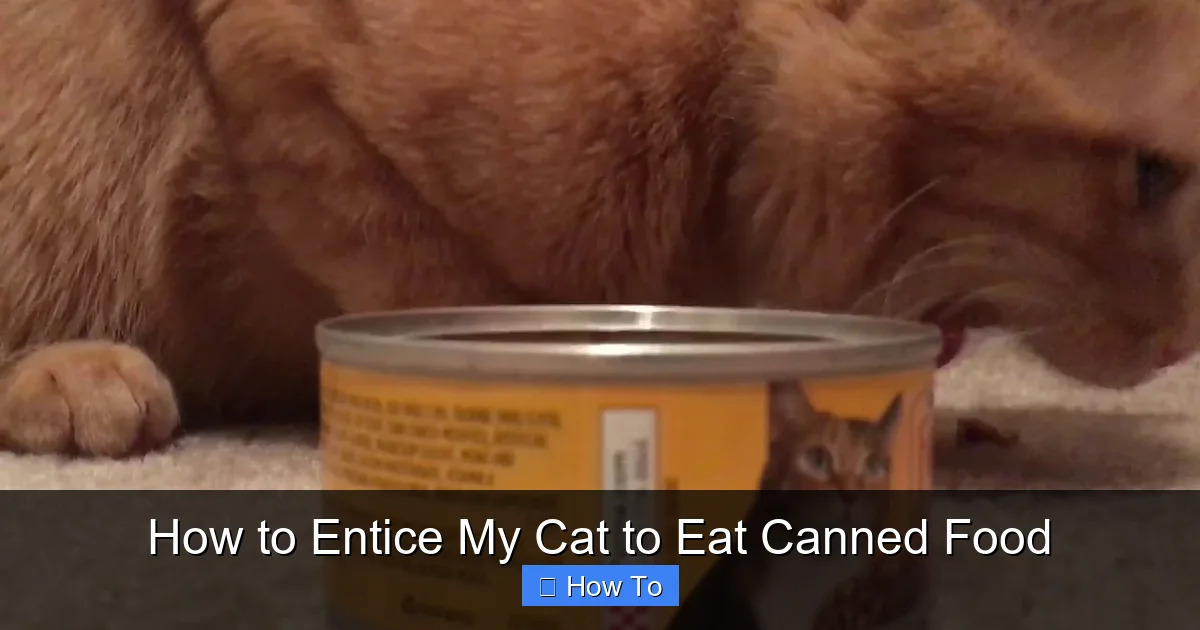
Visual guide about How to Entice My Cat to Eat Canned Food
Image source: i.ytimg.com
Problem: My Cat Only Licks the Gravy
Some cats prefer the liquid portion. Try mixing the gravy back into the solids, or offer a gravy-only topper. You can also blend the food into a smoother consistency.
Problem: My Cat Vomits After Eating
This could be due to eating too fast, food intolerance, or a sudden diet change. Slow the transition, feed smaller portions, and consider a sensitive stomach formula. Consult your vet if vomiting persists.
Problem: My Cat Prefers Kibble
Kibble is crunchy and convenient, but it’s often high in carbs and low in moisture. Try soaking kibble in warm water or broth to mimic wet food texture. Gradually increase the liquid ratio over time.
Problem: My Cat Is Overweight
Canned food can help with weight management due to its high protein and low carb content. Work with your vet to calculate portion sizes and avoid overfeeding, even if your cat seems hungry.
Final Tips for Success in 2026
The pet care world is evolving rapidly. In 2026, innovations like AI-powered feeding apps, personalized nutrition plans, and sustainable packaging are making it easier than ever to care for your cat. But the basics remain the same: patience, consistency, and observation.
- Track preferences: Keep a simple journal of what foods your cat likes, dislikes, or tolerates.
- Rotate flavors: Prevent boredom by rotating proteins every few weeks.
- Stay hydrated: Even with canned food, provide fresh water daily. Consider a cat water fountain to encourage drinking.
- Involve the whole family: Make sure everyone follows the same feeding routine to avoid confusion.
- Celebrate small wins: Every sniff, lick, or bite is progress.
Conclusion
Enticing your cat to eat canned food doesn’t have to be a battle. With the right approach—warming the food, introducing it slowly, experimenting with textures, and using tasty toppers—you can make wet food a delicious and healthy part of your cat’s diet. Remember, every cat is unique. What works for one may not work for another, so stay flexible and observant.
In 2026, we have more tools and knowledge than ever to support feline health. Canned food isn’t just a treat—it’s a vital source of hydration and nutrition. By following this guide, you’re not just feeding your cat; you’re investing in their long-term wellness.
So go ahead—warm that can, sprinkle on some freeze-dried chicken, and watch your cat’s nose twitch with curiosity. With patience and love, mealtime can become the highlight of their day.