
Understanding how to factor protein in cat food is essential for your cat’s health, energy, and longevity. This guide walks you through evaluating protein quality, reading labels, and choosing the right diet for your feline friend in 2026.
Key Takeaways
- Protein is non-negotiable for cats: As obligate carnivores, cats require high levels of animal-based protein to thrive—plant proteins don’t meet their nutritional needs.
- Not all protein is equal: Look for named animal sources (e.g., chicken, salmon) as the first ingredient, not vague terms like “meat meal” or “animal by-products.”
- Crude protein percentages can be misleading: Always check the moisture content and calculate dry matter protein to get an accurate picture.
- Life stage matters: Kittens, adults, and senior cats have different protein requirements—choose food formulated for your cat’s age.
- Digestibility is key: High-quality protein sources are more easily absorbed, meaning better nutrition and less waste.
- Watch for hidden fillers: Some brands use plant proteins like corn gluten or soy to boost protein numbers without providing real value.
- Consult your vet: Individual health conditions (e.g., kidney disease) may require adjusted protein intake—always get professional advice.
How to Factor Protein in Cat Food: A Complete Guide for 2026
If you’re a cat parent in 2026, you already know that your feline friend isn’t just a pet—they’re family. And like any family member, their health starts with what they eat. One of the most important—and often misunderstood—components of cat nutrition is protein. But how do you truly factor protein in cat food? How do you know if your cat is getting enough, and more importantly, the *right kind*?
This guide will walk you through everything you need to know about evaluating protein in cat food. From decoding ingredient lists to understanding dry matter calculations, we’ll break it down step by step. By the end, you’ll be confident in choosing a diet that supports your cat’s energy, coat, muscle health, and overall well-being.
Let’s dive in.
Why Protein Matters So Much for Cats

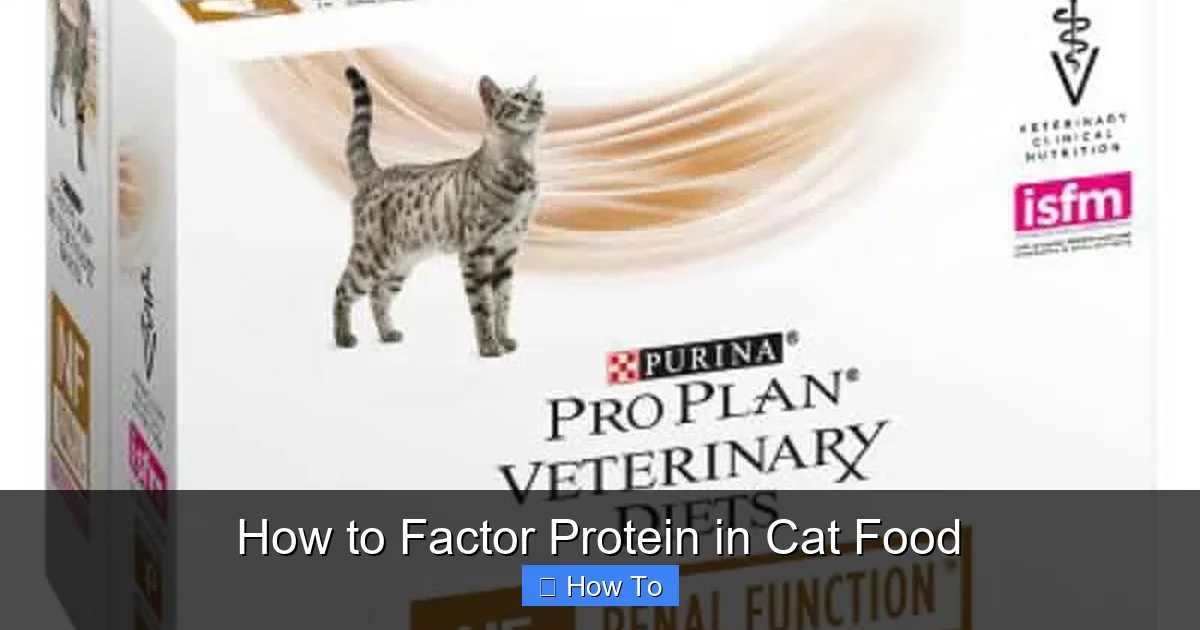
Visual guide about How to Factor Protein in Cat Food
Image source: kohapet.com
Cats are obligate carnivores. That means their bodies are biologically designed to thrive on a meat-based diet. Unlike dogs or humans, cats can’t efficiently convert plant-based nutrients into the essential amino acids they need. They require specific nutrients—like taurine, arachidonic acid, and vitamin A—that are only found in animal tissue.
Protein isn’t just about building muscle. It fuels your cat’s metabolism, supports immune function, maintains healthy skin and fur, and helps regulate blood sugar. Without enough high-quality protein, cats can suffer from muscle wasting, lethargy, poor coat condition, and even organ failure.
In 2026, with more pet owners seeking natural, species-appropriate diets, the demand for protein-rich, biologically suitable cat food has never been higher. But not all protein is created equal—and that’s where the confusion begins.
Step 1: Understand the Difference Between Protein Quantity and Quality
When you look at a bag of cat food, you’ll see a guaranteed analysis that lists “crude protein” as a percentage. For example, a food might say “32% crude protein.” At first glance, that sounds impressive. But here’s the catch: that number doesn’t tell you *what kind* of protein it is—or how digestible it is.
Crude Protein vs. Digestible Protein
Crude protein is a measure of the total nitrogen content in the food, which is then converted to a protein estimate. It includes both animal and plant proteins, and it doesn’t account for how well your cat can actually use that protein.
Digestible protein, on the other hand, refers to the portion of protein that your cat’s body can break down and absorb. High-quality animal proteins—like chicken, turkey, or fish—are typically 80–90% digestible. Plant proteins, like corn gluten meal or soy, are often less than 60% digestible for cats.
So, a food with 35% crude protein from chicken is far more beneficial than one with 38% crude protein from soy and wheat.
Look for Named Animal Proteins First
The ingredient list on cat food is ordered by weight. That means the first ingredient makes up the largest portion of the food. Ideally, you want to see a named animal protein—like “chicken,” “salmon,” or “turkey”—as the first ingredient.
Avoid vague terms like “meat meal,” “poultry by-product meal,” or “animal digest.” These can come from unspecified sources and may include parts of animals not typically consumed by humans (like beaks, feet, or diseased tissue). While some by-products are nutritious (like liver or heart), they should be clearly labeled.
In 2026, many premium brands now use “human-grade” or “whole prey” ingredients, meaning the meat is fit for human consumption and sourced from reputable farms. These foods often have higher digestibility and fewer fillers.
Step 2: Calculate Dry Matter Protein
Here’s where things get a little technical—but don’t worry, it’s easier than it sounds. The guaranteed analysis on cat food labels includes moisture. Wet food can be up to 80% water, which skews the protein percentage. To compare foods fairly, you need to calculate the dry matter protein.
Why Dry Matter Matters
Imagine two foods:
– Food A: 10% crude protein, 78% moisture (wet food)
– Food B: 32% crude protein, 10% moisture (dry food)
At first glance, Food B seems much higher in protein. But when you remove the water, the numbers change.
How to Calculate Dry Matter Protein
Follow these steps:
1. Find the moisture percentage on the label.
2. Subtract that from 100 to get the dry matter percentage.
3. Divide the crude protein percentage by the dry matter percentage.
4. Multiply by 100 to get the dry matter protein.
Let’s use Food A as an example:
– Crude protein: 10%
– Moisture: 78%
– Dry matter = 100 – 78 = 22%
– Dry matter protein = (10 / 22) × 100 = 45.5%
Now Food A looks much better! Even though it’s a wet food, it has a higher protein content on a dry matter basis than many dry foods.
Try it with Food B:
– Crude protein: 32%
– Moisture: 10%
– Dry matter = 90%
– Dry matter protein = (32 / 90) × 100 = 35.6%
Now you can see that Food A actually has more usable protein, even though it’s wet food.
Quick Reference: Ideal Dry Matter Protein Levels
– Kittens: 50% or higher
– Adult cats: 40–50%
– Senior cats: 35–45% (unless advised otherwise by a vet)
These ranges ensure your cat gets enough amino acids for growth, maintenance, and immune support.
Step 3: Evaluate Protein Sources and Digestibility
Not all animal proteins are equal. Some are more bioavailable—meaning your cat can use them more efficiently—than others.
Top-Quality Protein Sources
Look for these named, whole proteins:
– Chicken
– Turkey
– Duck
– Salmon
– Tuna
– Lamb
– Rabbit
These are typically high in essential amino acids like taurine, which cats cannot synthesize on their own. Taurine deficiency can lead to blindness, heart disease, and reproductive issues.
Avoid These Red Flags
– “Meat meal” or “animal meal” without a species name
– “By-product meal” (unless specified as chicken by-product meal)
– Plant proteins listed before animal proteins (e.g., corn gluten meal, soy protein isolate)
– Artificial preservatives like BHA, BHT, or ethoxyquin (common in lower-quality foods)
In 2026, many brands now use novel proteins like venison, duck, or insect-based protein (yes, bugs!) for cats with allergies. While insect protein is still emerging, early studies show it’s highly digestible and sustainable.
Check the Amino Acid Profile
If you’re feeding a high-end or prescription diet, some labels now include amino acid breakdowns. Look for:
– Taurine (minimum 0.1% for dry food, 0.2% for wet)
– Arginine (essential for urea cycle)
– Methionine and cysteine (for coat and skin health)
These are non-negotiable for feline health.
Step 4: Match Protein Needs to Life Stage and Health
Your cat’s protein needs change over time. What’s perfect for a kitten might be too much—or too little—for a senior cat.
Kittens (0–12 months)
Kittens are growing rapidly and need more protein and calories than adult cats. Look for food labeled “kitten” or “growth” with:
– Minimum 30% crude protein (wet) or 35% (dry)
– High fat content (15–20%) for energy
– DHA for brain and vision development
Avoid adult maintenance formulas—they won’t support proper development.
Adult Cats (1–7 years)
Adult cats need consistent, high-quality protein to maintain muscle mass and energy. Aim for:
– 30–40% crude protein (wet)
– 35–45% crude protein (dry)
– Balanced fat and fiber
Indoor cats may need slightly less protein if they’re less active, but never drop below species-appropriate levels.
Senior Cats (7+ years)
There’s a myth that senior cats need low-protein diets. In reality, most healthy seniors benefit from *maintaining* or even *increasing* protein to prevent muscle loss (sarcopenia).
However, cats with kidney disease may need reduced phosphorus and moderate protein. Always consult your vet before making changes.
In 2026, many veterinary diets now offer “senior support” formulas with high-quality protein, joint supplements (like glucosamine), and antioxidants.
Special Health Conditions
– **Kidney disease:** Moderate protein, low phosphorus
– **Hyperthyroidism:** High protein to prevent muscle wasting
– **Diabetes:** High protein, low carbohydrate
– **Food allergies:** Novel protein sources (e.g., duck, rabbit)
Your vet can help tailor a diet that balances protein with other health needs.
Step 5: Read Labels Like a Pro
Ingredient lists can be confusing, but with practice, you’ll learn to spot the good from the bad.
What to Look For
– First ingredient: Named animal protein (e.g., “deboned chicken”)
– Second/third ingredients: Additional animal proteins or organs (e.g., chicken liver, salmon meal)
– Minimal fillers: No corn, wheat, soy, or artificial colors
– Natural preservatives: Mixed tocopherols (vitamin E), rosemary extract
What to Avoid
– “Meat by-products” or “animal digest”
– Corn gluten meal, soybean meal, or pea protein as primary ingredients
– Artificial flavors or colors (e.g., Red 40, Blue 2)
– Excessive carbohydrates (cats don’t need grains or starches)
AAFCO Statement
Check for an AAFCO (Association of American Feed Control Officials) statement on the label. It should say the food is “complete and balanced” for your cat’s life stage (e.g., “for growth” or “for maintenance”).
Avoid foods that say “not intended for long-term feeding” or “for intermittent feeding only.”
Step 6: Consider Wet vs. Dry Food
Both wet and dry food can be high in protein, but they have different benefits.
Wet Food Advantages
– Higher moisture content (70–80%)—great for hydration
– Often higher in animal protein and lower in carbs
– More palatable for picky eaters
– Lower risk of urinary tract issues
Dry Food Advantages
– Convenient and cost-effective
– Can help with dental health (though not a substitute for brushing)
– Long shelf life
Best of Both Worlds?
Many cat parents in 2026 are feeding a combination: wet food for meals and dry for grazing. This ensures hydration and variety.
If you feed dry food, choose a high-protein, low-carb formula with named animal proteins. Avoid “meat meal” as the first ingredient.
Step 7: Monitor Your Cat’s Response
The best way to know if a food is working is to observe your cat.
Signs of Good Protein Intake
– Shiny, soft coat
– Healthy weight and muscle tone
– Bright eyes and high energy
– Normal stool (firm, not overly frequent)
– Good appetite
Signs of Poor Protein Quality or Quantity
– Dull, flaky coat
– Weight loss or muscle wasting
– Lethargy or weakness
– Digestive issues (diarrhea, vomiting)
– Increased thirst or urination (could indicate kidney issues)
If you notice any of these, consult your vet. They may recommend a diet change or blood work.
Troubleshooting Common Protein-Related Issues
My Cat Is Overweight—Should I Reduce Protein?
No. Cats need protein to maintain muscle. Instead, reduce portion sizes or switch to a lower-calorie, high-protein food. Avoid high-carb fillers that contribute to weight gain.
My Cat Has Kidney Disease—Can They Still Eat High-Protein Food?
It depends. Early-stage kidney disease may benefit from moderate protein. Advanced cases may need restricted protein and phosphorus. Always follow your vet’s advice.
My Cat Is a Picky Eater—How Do I Get Them to Eat High-Protein Food?
Try warming wet food slightly (to body temperature), mixing in broth (make sure it’s onion-free), or rotating proteins (chicken, salmon, turkey). Gradual transitions over 7–10 days help avoid digestive upset.
Is Raw or Homemade Food Better for Protein?
Raw and homemade diets can be high in protein, but they require careful balancing to avoid deficiencies (like taurine or calcium). If you choose this route, work with a veterinary nutritionist to formulate a complete diet.
Conclusion: Make Protein a Priority in 2026
Factoring protein in cat food isn’t just about reading a percentage on a label. It’s about understanding your cat’s biology, evaluating ingredient quality, and matching their diet to their life stage and health.
In 2026, with more options than ever—from sustainable insect protein to vet-formulated renal diets—you have the tools to make informed choices. Remember: high-quality, animal-based protein is the foundation of feline health.
Start by checking your current food’s ingredient list. Calculate the dry matter protein. Talk to your vet about your cat’s specific needs. And most importantly, trust your instincts—you know your cat best.
With the right protein, your cat will have the energy to pounce, purr, and live their best nine lives.