
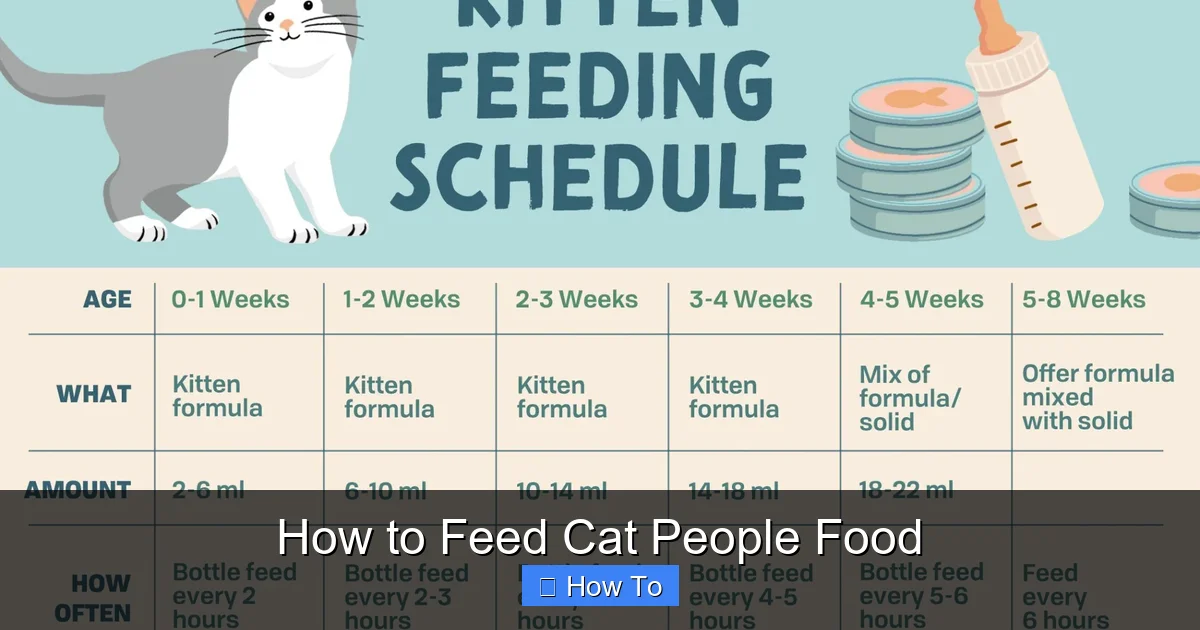
Feeding your cat small amounts of safe human food can be a fun way to bond and add variety to their diet—but only when done correctly. This guide covers which foods are safe, how to prepare them, and what to avoid to keep your cat healthy and happy in 2026.
Key Takeaways
- Not all human food is safe for cats: Many common foods like chocolate, onions, and garlic are toxic and must be avoided at all costs.
- Moderation is key: Human food should never exceed 10% of your cat’s daily caloric intake—treats and extras should complement, not replace, a balanced cat diet.
- Cooking matters: Always serve human food plain, without salt, spices, oils, or seasonings that can upset your cat’s stomach.
- Introduce new foods slowly: Start with tiny portions and monitor for digestive upset or allergic reactions over 24–48 hours.
- Consult your vet first: Especially if your cat has health conditions like diabetes, kidney disease, or food sensitivities.
- Hydration is crucial: Cats often don’t drink enough water—pair wet human foods (like cooked fish) with fresh water to support kidney health.
- Use human food as enrichment: Puzzle feeders or lick mats with safe purees can stimulate your cat mentally and physically.
How to Feed Cat People Food: A Complete 2026 Guide
Welcome, cat lover! If you’ve ever looked at your dinner plate and wondered, “Can my cat have a bite of this?”—you’re not alone. In 2026, more pet parents than ever are curious about safely sharing human food with their feline companions. And while commercial cat food is scientifically formulated to meet all your cat’s nutritional needs, occasional human food treats can add flavor, variety, and even mental stimulation to their routine.
But here’s the catch: cats are obligate carnivores. Their bodies are designed to thrive on animal-based proteins, and they lack the enzymes to safely process many plant-based or heavily processed human foods. That means feeding your cat the wrong “people food” can lead to digestive upset, toxicity, or long-term health issues.
The good news? With the right knowledge, you can safely offer your cat small amounts of certain human foods as occasional treats. This guide will walk you through everything you need to know—from which foods are safe, how to prepare them, how much to give, and what red flags to watch for. Whether you’re a new cat parent or a seasoned pro looking to expand your pet’s palate, this 2026 update covers the latest vet recommendations, food safety tips, and creative ways to make mealtime more engaging.
By the end of this guide, you’ll feel confident knowing exactly how to feed cat people food—responsibly, safely, and with your furry friend’s health at the center.
Why Consider Feeding Human Food to Cats?
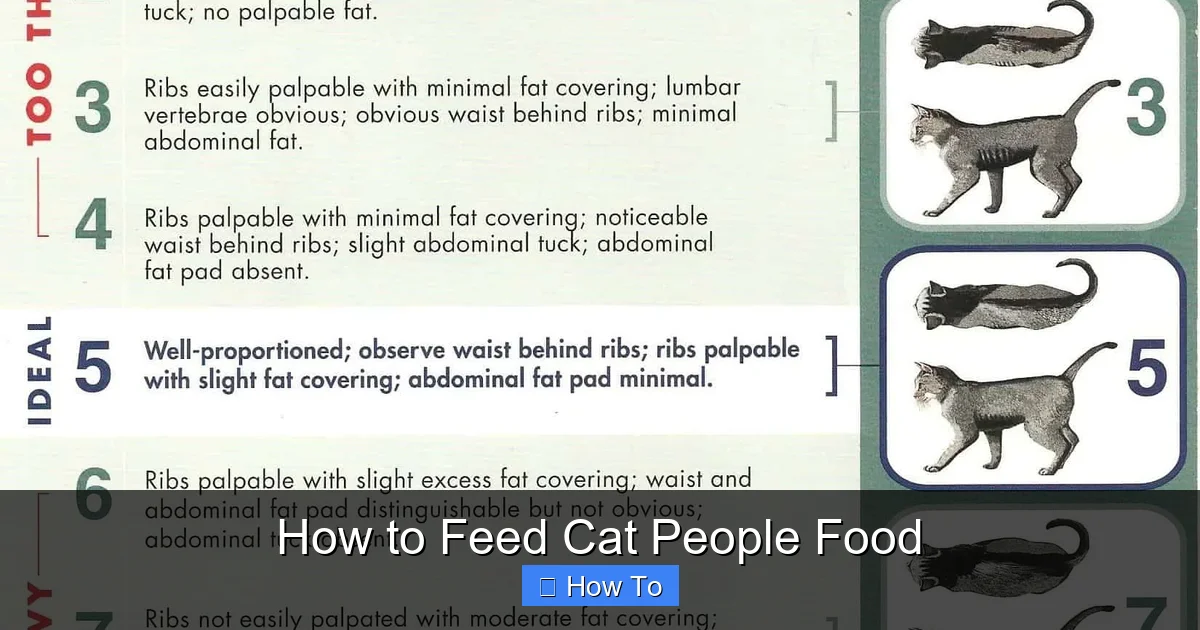
Visual guide about How to Feed Cat People Food
Image source: thehousingforum.com
You might be wondering: if commercial cat food exists, why bother with human food at all? After all, high-quality kibble and wet food are formulated by veterinarians and nutritionists to provide complete and balanced nutrition.
And you’re right—those foods should form the foundation of your cat’s diet. But there are several compelling reasons why some cat owners choose to supplement with safe human foods:
- Variety and enrichment: Just like us, cats can get bored with the same meal every day. Introducing new textures and flavors (safely!) can make eating more exciting.
- Bonding opportunities: Sharing a tiny piece of cooked chicken or a lick of plain yogurt can strengthen your connection with your cat.
- Health support: Certain human foods, like cooked salmon or pumpkin puree, offer added benefits—omega-3 fatty acids for skin health or fiber for digestion.
- Training and behavior: Small pieces of safe human food can be used as high-value rewards during training or to encourage shy cats to interact.
- Emergency situations: If you run out of cat food unexpectedly, knowing which human foods are safe can be a lifesaver (literally).
That said, human food should never replace a nutritionally complete cat diet. Think of it as the feline equivalent of dessert—enjoyable in small doses, but not a meal replacement.
Safe Human Foods for Cats in 2026
Not all human food is created equal when it comes to cats. Some are perfectly safe and even beneficial in moderation, while others are downright dangerous. Below is a list of vet-approved human foods that you can safely offer your cat in 2026—along with preparation tips.
Cooked Meat (Chicken, Turkey, Beef)
Plain, cooked, unseasoned meat is one of the safest and most nutritious human foods for cats. It’s rich in protein, which is essential for muscle maintenance, energy, and overall health.
- How to prepare: Boil, bake, or grill without oil, salt, garlic, onion, or spices. Remove all bones, skin, and fat.
- Serving size: A small cube (about the size of a pea to a dime) per treat. No more than 1–2 treats per day.
- Tip: Shred finely for kittens or senior cats with dental issues.
Avoid raw meat unless you’re following a vet-supervised raw diet. Raw meat can carry bacteria like Salmonella or E. coli, which pose risks to both cats and humans.
Cooked Fish (Salmon, Tuna, Sardines)
Fish is a favorite among cats—and for good reason. It’s packed with protein and omega-3 fatty acids, which support healthy skin, coat, and brain function.
- How to prepare: Bake or steam without added oils, salt, or seasonings. Remove all bones.
- Serving size: A small flake (no larger than your fingernail) once or twice a week.
- Tip: Canned tuna in water (not oil or brine) is acceptable in tiny amounts—but avoid daily feeding due to mercury concerns.
Avoid raw fish, especially if your cat has a weakened immune system. Raw fish can contain parasites and an enzyme called thiaminase, which breaks down thiamine (vitamin B1)—an essential nutrient for cats.
Cooked Eggs
Eggs are a great source of protein and biotin, a B vitamin that supports healthy skin and fur.
- How to prepare: Scramble or hard-boil without butter, oil, salt, or pepper.
- Serving size: A teaspoon of cooked egg, once or twice a week.
- Tip: Mix into wet food for added flavor and texture.
Never feed raw eggs. They contain avidin, a protein that can interfere with biotin absorption over time.
Pumpkin Puree (Plain, Unsweetened)
Plain pumpkin puree (not pumpkin pie filling!) is excellent for digestive health. It’s high in fiber and can help with both constipation and diarrhea.
- How to prepare: Use 100% pure canned pumpkin or cook and mash fresh pumpkin. No spices, sugar, or additives.
- Serving size: 1/4 to 1/2 teaspoon mixed into wet food, once or twice a week.
- Tip: Store leftovers in the fridge for up to 5 days.
Pumpkin is especially helpful for cats with hairballs or mild digestive upset.
Plain Yogurt (in Moderation)
Plain, unsweetened yogurt with live cultures can support gut health—but only if your cat tolerates dairy.
- How to prepare: Choose full-fat, plain yogurt with no added sugar, artificial sweeteners (especially xylitol, which is toxic), or fruit.
- Serving size: 1/2 to 1 teaspoon, once or twice a week.
- Tip: Many cats are lactose intolerant, so start with a tiny amount and watch for diarrhea or vomiting.
If your cat reacts poorly, skip dairy altogether.
Cooked Vegetables (Carrots, Green Beans, Zucchini)
While cats don’t need vegetables in their diet, small amounts of cooked, soft veggies can add fiber and variety.
- How to prepare: Steam or boil until soft. No butter, oil, salt, or seasonings.
- Serving size: A few tiny pieces, no more than once a week.
- Tip: Mash or puree for easier digestion.
Avoid raw vegetables—they’re hard for cats to digest and may cause choking or blockages.
Cheese (in Tiny Amounts)
Some cats enjoy cheese, but it should be given sparingly due to lactose content.
- How to prepare: Use plain, low-sodium cheese like mozzarella or cheddar. Avoid blue cheese, processed cheese, or anything with added flavors.
- Serving size: A tiny crumb (no bigger than a grain of rice), once in a while.
- Tip: Use as a high-value training treat—just don’t overdo it.
Monitor for digestive upset. If your cat shows signs of intolerance, avoid cheese entirely.
Foods That Are Toxic to Cats (Avoid at All Costs)
Now for the important part: what NOT to feed your cat. Some human foods are extremely dangerous—even in small amounts. Here’s a list of common culprits to avoid in 2026:
- Chocolate: Contains theobromine, which is toxic to cats and can cause vomiting, seizures, or death.
- Onions, Garlic, and Chives: These destroy red blood cells, leading to anemia. This includes powdered, cooked, or raw forms.
- Grapes and Raisins: Even small amounts can cause kidney failure in cats.
- Alcohol: Just a teaspoon can cause severe liver and brain damage.
- Caffeine: Found in coffee, tea, energy drinks, and some medications—can be fatal.
- Xylitol: A sugar substitute in gum, candy, and some peanut butter—causes rapid insulin release and liver failure.
- Raw Dough: Expands in the stomach and can produce alcohol, leading to bloating and toxicity.
- Bones (Cooked or Raw): Can splinter and cause choking, internal injuries, or blockages.
If you suspect your cat has eaten any of these, contact your vet or an emergency pet poison hotline immediately.
How to Safely Introduce Human Food to Your Cat
Introducing new foods to your cat requires patience and caution. Here’s a step-by-step process to follow:
Step 1: Consult Your Veterinarian
Before offering any human food, especially if your cat has health issues (like diabetes, kidney disease, or food allergies), talk to your vet. They can advise which foods are safe and appropriate for your cat’s specific needs.
Step 2: Choose One Food at a Time
Introduce only one new food at a time. This helps you identify any adverse reactions and ensures your cat tolerates it well.
Step 3: Prepare Properly
Cook the food plainly—no salt, oil, spices, or seasonings. Remove bones, skin, and excess fat. Cut into tiny, bite-sized pieces.
Step 4: Start with a Tiny Amount
Offer a pea-sized portion. Watch your cat closely over the next 24–48 hours for signs of digestive upset, such as vomiting, diarrhea, lethargy, or loss of appetite.
Step 5: Monitor and Adjust
If your cat tolerates the food well, you can offer it occasionally as a treat. If there’s any reaction, stop immediately and avoid that food in the future.
Portion Control and Frequency
Even safe human foods should be given in moderation. The general rule is:
Human food should not exceed 10% of your cat’s total daily caloric intake.
For an average 10-pound cat, that’s about 20–30 calories per day from treats—including human food.
Here’s a quick reference:
- 1 small cube of cooked chicken = ~5 calories
- 1 teaspoon of plain yogurt = ~10 calories
- 1 flake of cooked salmon = ~8 calories
- 1/2 teaspoon pumpkin puree = ~2 calories
Use a calorie calculator or ask your vet to determine your cat’s daily needs. Overfeeding treats—even healthy ones—can lead to obesity, diabetes, and other health problems.
Creative Ways to Serve Human Food to Cats
Make mealtime fun and engaging with these creative serving ideas:
Use a Lick Mat
Spread a thin layer of plain pumpkin puree or mashed cooked chicken on a silicone lick mat. Freeze for 30 minutes. The slow licking provides mental stimulation and helps with hydration.
Stuff a Puzzle Feeder
Place tiny pieces of cooked meat or fish into a treat-dispensing toy. Your cat will work to get the reward, which satisfies their natural hunting instincts.
Mix into Wet Food
Stir a small amount of cooked egg or shredded chicken into your cat’s regular wet food for a flavor boost.
Make Homemade Treats
Bake simple treats using cat-safe ingredients. For example:
- 1 cup cooked chicken (shredded)
- 1/4 cup plain pumpkin puree
- 1 egg
- 1/4 cup whole wheat flour (optional)
Mix, roll into small balls, and bake at 350°F (175°C) for 15–20 minutes. Store in the fridge for up to 1 week.
Troubleshooting Common Issues
Even with the best intentions, things can go wrong. Here’s how to handle common problems:
My Cat Won’t Eat the Human Food
Not all cats will be interested—and that’s okay! Cats are notoriously picky. Try warming the food slightly (to room temperature or slightly above) to enhance the aroma. Offer it by hand or mix with a favorite wet food.
My Cat Has Diarrhea After Eating Human Food
Stop feeding that food immediately. Offer plain water and a bland diet (like boiled chicken and rice) for 24 hours. If symptoms persist, contact your vet.
My Cat Is Gaining Weight
Reassess treat portions. Even healthy treats add calories. Switch to lower-calorie options like pumpkin or green beans, and increase playtime to burn extra energy.
My Cat Seems Lethargic After Eating
This could indicate an allergic reaction or toxicity. Monitor closely. If lethargy continues for more than a few hours, seek veterinary care.
Final Tips for 2026 and Beyond
As pet nutrition science evolves, so do our understanding of feline dietary needs. In 2026, here are a few forward-thinking tips:
- Prioritize hydration: Cats evolved from desert animals and often don’t drink enough water. Pair human food treats with fresh water or use wet food bases to boost intake.
- Choose sustainable options: Opt for human-grade, ethically sourced meats and fish when possible.
- Stay updated: Pet food guidelines change. Follow reputable sources like the ASPCA, AVMA, or your vet for the latest advice.
- Use tech wisely: Smart feeders and pet cameras can help you monitor treat frequency and your cat’s behavior.
- Know your cat: Every cat is different. What works for one may not work for another. Pay attention to your cat’s preferences and reactions.
Conclusion
Feeding your cat safe human food can be a rewarding way to enrich their diet, strengthen your bond, and add a little excitement to their day. But it must be done with care, knowledge, and moderation. In 2026, with advances in pet nutrition and growing awareness of feline health, we’re better equipped than ever to make smart choices.
Remember: human food is a treat, not a meal. Always prioritize a balanced, vet-approved cat diet. Introduce new foods slowly, avoid toxic ingredients, and keep portions small. And when in doubt, consult your veterinarian.
By following this guide, you’re not just sharing a bite—you’re showing your cat love, respect, and responsibility. So go ahead, offer that tiny piece of cooked chicken or a lick of pumpkin. Just make sure it’s safe, simple, and served with care.
Your cat will thank you—with purrs, head bumps, and maybe even a slow blink.