
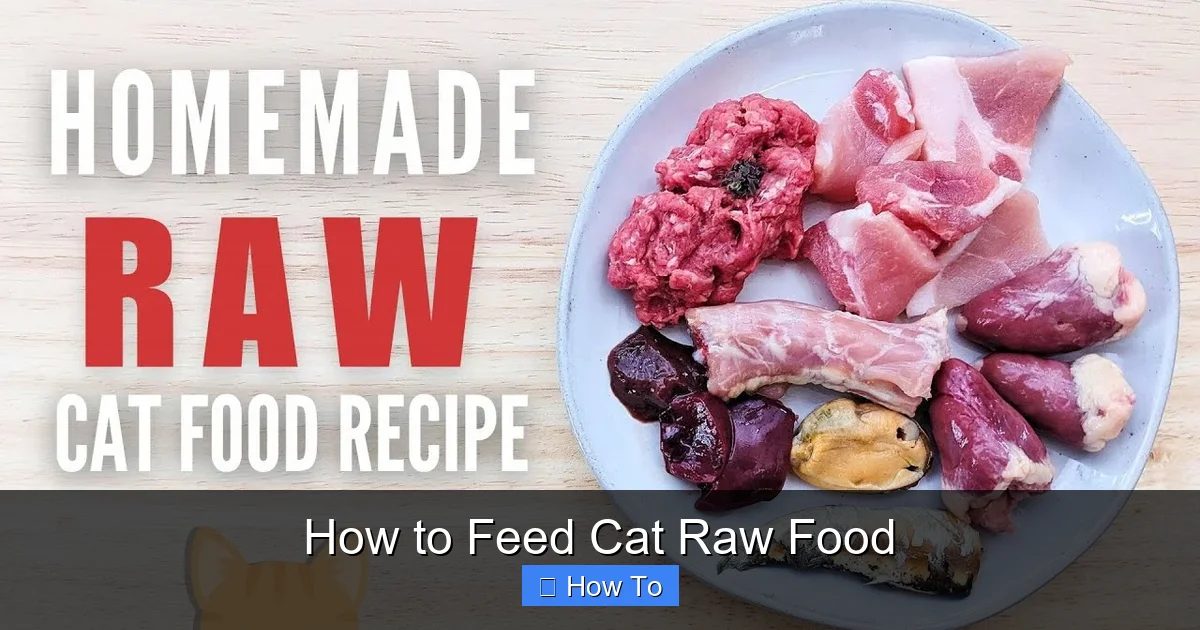
Switching your cat to a raw food diet can boost energy, coat health, and digestion—when done right. This guide walks you through safe preparation, balanced recipes, and common pitfalls to avoid in 2026.
Key Takeaways
- Start slow: Introduce raw food gradually over 7–10 days to avoid digestive upset.
- Balance is key: A complete raw diet includes muscle meat, organ meat, bone, and supplements like taurine and omega-3s.
- Choose quality ingredients: Use human-grade, fresh or frozen raw meat from trusted sources to reduce contamination risk.
- Practice strict hygiene: Wash hands, bowls, and surfaces thoroughly to prevent bacterial cross-contamination.
- Monitor your cat’s response: Watch for changes in energy, coat, stool, and weight to adjust the diet as needed.
- Consult your vet: Especially if your cat has health issues, get professional guidance before starting a raw diet.
- Freeze meat before use: Freezing at -4°F (-20°C) for 72+ hours reduces parasite risk in raw meat.
How to Feed Cat Raw Food: A Complete 2026 Guide
If you’re considering switching your cat to a raw food diet, you’re not alone. In 2026, more pet owners than ever are turning to raw feeding as a way to mimic what cats would naturally eat in the wild. Advocates say it leads to shinier coats, cleaner teeth, better digestion, and higher energy levels. But raw feeding isn’t just about tossing some chicken in a bowl—it requires knowledge, planning, and care.
This guide will walk you through everything you need to know about how to feed cat raw food safely and effectively. You’ll learn how to choose the right ingredients, prepare balanced meals, avoid common mistakes, and keep your cat healthy and happy. Whether you’re a first-time raw feeder or looking to refine your approach, this step-by-step guide has you covered.
Why Feed Your Cat Raw Food?
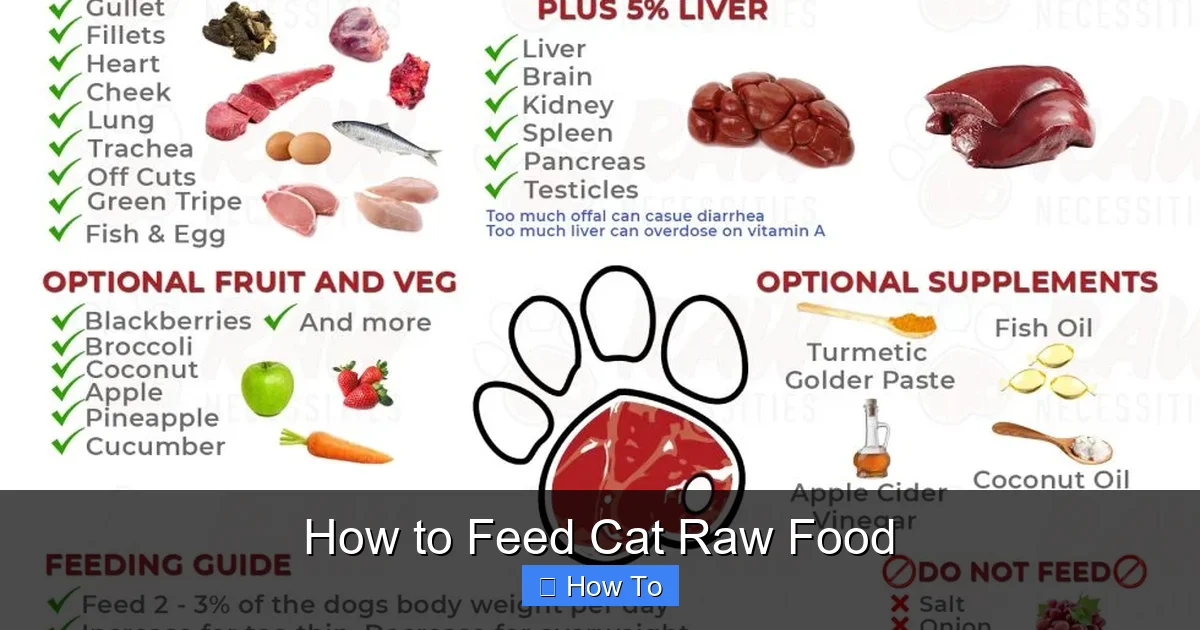
Visual guide about How to Feed Cat Raw Food
Image source: rawnecessities.co.za
Cats are obligate carnivores, which means their bodies are built to thrive on animal-based proteins and fats. Unlike dogs, they can’t efficiently process plant matter, and they need specific nutrients—like taurine, arachidonic acid, and vitamin A—that are only found in animal tissues.
Commercial dry kibble often contains fillers, carbohydrates, and preservatives that don’t align with a cat’s natural diet. Wet food is better, but even high-quality canned food may lack the freshness and texture of raw meat.
Raw feeding aims to replicate what a wild cat would eat—small prey like mice, birds, or rabbits—which typically includes muscle meat, organs, and bones. When done correctly, this diet can lead to:
– Improved digestion and smaller, less smelly stools
– Shinier, softer fur
– Healthier teeth and gums (raw bones can help reduce plaque)
– Increased energy and lean muscle mass
– Better hydration (raw food has high moisture content)
But raw feeding isn’t without risks. Improper balance, poor hygiene, or contaminated meat can lead to nutritional deficiencies or illness. That’s why it’s essential to follow a structured, informed approach.
Is Raw Feeding Right for Your Cat?
Before you start, ask yourself: Is my cat a good candidate for raw food?
Most healthy adult cats can thrive on a raw diet. However, there are some situations where caution is needed:
– **Kittens:** They need extra calcium and phosphorus for growth. Raw diets must be carefully balanced.
– **Senior cats:** May have weaker immune systems or dental issues. Soft raw meals or minced food may be better.
– **Cats with health conditions:** Those with kidney disease, pancreatitis, or compromised immune systems should only go raw under veterinary supervision.
– **Indoor-only cats:** Less exposure to parasites, but still need parasite prevention.
If your cat is currently on medication or has a chronic illness, talk to your vet before making any dietary changes. In 2026, many veterinarians are more open to raw feeding—especially with the rise of veterinary nutritionists who specialize in species-appropriate diets.
Types of Raw Diets for Cats
There are three main approaches to raw feeding. Each has pros and cons, so choose the one that fits your lifestyle and your cat’s needs.
1. Prey Model Raw (PMR)
This diet mimics the whole prey a cat would catch in the wild—typically 80% muscle meat, 10% raw edible bone, and 10% organ meat (half of which is liver).
Example: A mouse is about 70% muscle, 10% bone, and 20% organs. PMR adjusts slightly for safety and balance.
Pros:
– Simple ratio-based approach
– Encourages natural chewing and jaw exercise
– No need for measuring supplements (if using whole prey or balanced cuts)
Cons:
– Hard to source whole prey (like mice or quail)
– Risk of choking or digestive upset from large bones
– May lack certain nutrients if not varied enough
Tip: Use chicken necks, duck feet, or rabbit parts for bone content. Avoid weight-bearing bones (like beef femur)—they’re too hard.
2. Biologically Appropriate Raw Food (BARF)
Developed by Dr. Ian Billinghurst, BARF includes raw meat, bones, organs, and added supplements like eggs, vegetables, and oils. The typical ratio is 70% meat, 10% bone, 10% organs, and 10% other (veggies, dairy, etc.).
Example meal:
– 70g chicken thigh (meat + bone)
– 10g chicken liver
– 5g chicken heart (counts as organ)
– 5g pumpkin puree
– 1 tsp fish oil
– 1/4 tsp taurine supplement
Pros:
– More customizable
– Can include digestive aids like pumpkin or probiotics
– Easier to balance with supplements
Cons:
– More complex to prepare
– Vegetables aren’t necessary for cats (they can’t digest cellulose well)
– Risk of over-supplementation
Tip: In 2026, many raw feeders are moving away from veggies in cat diets. Focus on meat, organs, bone, and essential supplements.
3. Commercial Raw Food
Pre-made raw diets are available frozen or freeze-dried from brands like Primal, Stella & Chewy’s, or Northwest Naturals. These are formulated to meet AAFCO standards and often come in convenient patties or nuggets.
Pros:
– Convenient and balanced
– Tested for pathogens
– Great for beginners or busy pet parents
Cons:
– More expensive than DIY
– Limited variety
– Some cats refuse processed textures
Tip: Look for brands that use human-grade ingredients and avoid synthetic preservatives. Check the ingredient list—meat should be first.
How to Start Feeding Raw Food: Step-by-Step
Ready to begin? Follow these steps to transition your cat safely.
Step 1: Consult Your Veterinarian
Even if your cat is healthy, it’s wise to get a vet’s opinion. Ask about:
– Current health status
– Any dietary restrictions
– Recommended supplements
– How to monitor progress
In 2026, many vets offer nutritional consultations, especially for raw feeders. Some even partner with pet nutritionists to create custom plans.
Step 2: Choose Your Diet Type
Decide whether you’ll go DIY (PMR or BARF) or use commercial raw food. If you’re new, start with commercial to learn your cat’s preferences, then consider making your own.
Step 3: Gather Supplies
You’ll need:
– High-quality raw meat (chicken, turkey, rabbit, duck)
– Organ meats (liver, kidney, heart)
– Raw edible bones (chicken necks, wings)
– Supplements (taurine, fish oil, vitamin E)
– Food processor or meat grinder (optional)
– Freezer-safe containers or bags
– Digital kitchen scale
– Stainless steel or ceramic bowls
Tip: Use separate cutting boards and utensils for raw meat to avoid cross-contamination.
Step 4: Source Safe, Quality Ingredients
Not all meat is created equal. For raw feeding, choose:
– **Human-grade meat:** Look for labels like “USDA inspected” or “suitable for human consumption.”
– **Fresh or frozen:** Avoid meat that’s been treated with preservatives or irradiated.
– **Diverse proteins:** Rotate between chicken, turkey, rabbit, duck, and beef to prevent allergies and ensure nutrient variety.
Where to buy:
– Local butcher shops
– Farmers markets
– Online raw pet food suppliers (e.g., Hare Today, Sojourner Farms)
– Grocery stores (check labels carefully)
Warning: Avoid pork and wild game unless you’re certain they’re parasite-free. Freeze all meat at -4°F (-20°C) for at least 72 hours before feeding to kill parasites like Toxoplasma.
Step 5: Prepare the First Meal
Start simple. A basic PMR meal might look like:
– 80g chicken thigh (with bone)
– 10g chicken liver
– 5g chicken heart
– 5g pumpkin (optional)
Weigh everything carefully. Use a digital scale—eyeballing leads to imbalances.
If grinding, use a meat grinder to combine ingredients into a uniform mix. Some cats prefer whole pieces, while others like minced food.
Supplements to consider:**
– **Taurine:** Essential for heart and eye health. Add 250–500 mg per pound of food.
– **Fish oil:** For omega-3s. Use 100–200 mg EPA/DHA per 10 lbs of body weight.
– **Vitamin E:** Helps balance fish oil. Add 1–2 IU per pound of food.
– **Calcium:** If not using bone, add ground eggshell or calcium carbonate (1000 mg per pound of boneless meat).
Step 6: Introduce Raw Food Gradually
Don’t switch cold turkey. Mix raw food with your cat’s current diet and increase the ratio over 7–10 days.
Sample transition schedule:
– Days 1–2: 25% raw, 75% current food
– Days 3–4: 50% raw, 50% current food
– Days 5–6: 75% raw, 25% current food
– Day 7+: 100% raw
Watch for vomiting, diarrhea, or refusal to eat. If symptoms occur, slow the transition or consult your vet.
Step 7: Feed the Right Amount
Cats need about 20–30 calories per pound of body weight daily. A 10-pound cat needs roughly 200–300 calories.
Raw food is calorie-dense, so portion control is key. Use this formula:
– Daily intake = (Body weight in lbs × 20) to (Body weight in lbs × 30)
For example, a 10-lb cat needs 200–300 calories/day. If your raw patty has 150 calories per 100g, feed 130–200g daily, split into 2 meals.
Tip: Adjust based on activity level. Indoor cats may need less; active or outdoor cats may need more.
Step 8: Store and Handle Raw Food Safely
Raw meat can harbor bacteria like Salmonella and E. coli. Follow these safety rules:
– **Thaw safely:** In the fridge, not on the counter.
– **Use within 2 days:** Of thawing.
– **Freeze extras:** In portion-sized bags for up to 6 months.
– **Clean everything:** Wash bowls, utensils, and surfaces with hot, soapy water after each use.
– **Wash hands:** Before and after handling raw food.
Bonus tip: Use a dedicated raw feeding area (like a tile floor) that’s easy to sanitize.
Common Mistakes to Avoid
Even experienced raw feeders make errors. Watch out for these:
1. Skipping Supplements
Taurine deficiency can cause blindness and heart disease. Always add taurine unless using a complete commercial diet.
2. Overdoing Organ Meat
Too much liver can lead to vitamin A toxicity. Stick to 5–10% of the diet.
3. Using the Wrong Bones
Cooked bones splinter. Only use raw, soft bones like chicken necks or duck feet.
4. Ignoring Hydration
Even though raw food has moisture, always provide fresh water. Some cats prefer running water—try a pet fountain.
5. Not Rotating Proteins
Feeding only chicken long-term can cause sensitivities. Rotate every 2–4 weeks.
Troubleshooting Common Issues
My Cat Won’t Eat Raw Food
Try:
– Warming the food slightly (to body temperature)
– Adding a sprinkle of freeze-dried liver powder
– Mixing with a small amount of favorite wet food
– Offering different textures (whole pieces vs. ground)
Some cats take weeks to adjust. Be patient.
My Cat Has Diarrhea
This is common during transition. Possible causes:
– Too much organ meat
– Sudden diet change
– Bacterial imbalance
Solutions:
– Slow the transition
– Add a probiotic (like FortiFlora)
– Temporarily reduce organ content
If diarrhea lasts more than 2 days, see your vet.
My Cat Is Gaining or Losing Weight
Adjust portion sizes. Weigh your cat monthly. A healthy weight gain or loss is 5–10% over 4–6 weeks.
My Cat Is Choking on Bones
Switch to ground bone or boneless meals. Use chicken wings (tips removed) or duck feet for safer chewing.
Monitoring Your Cat’s Health
Keep a feeding journal. Track:
– Food type and amount
– Stool quality (firm, brown, minimal odor)
– Energy levels
– Coat condition
– Weight
Schedule regular vet checkups. Blood tests can catch deficiencies early.
In 2026, some vets offer “raw feeding wellness panels” that check taurine levels, kidney function, and gut health.
Conclusion
Feeding your cat raw food can be one of the most rewarding choices you make as a pet parent. When done correctly, it supports natural health, vitality, and longevity. But it’s not a one-size-fits-all solution—it requires research, preparation, and ongoing attention.
Start slow, prioritize safety, and listen to your cat. Whether you choose DIY meals or commercial raw food, the key is balance, hygiene, and consistency. With the right approach, your cat can thrive on a raw diet in 2026 and beyond.
Remember: You’re not just feeding your cat—you’re nourishing their wild spirit.