
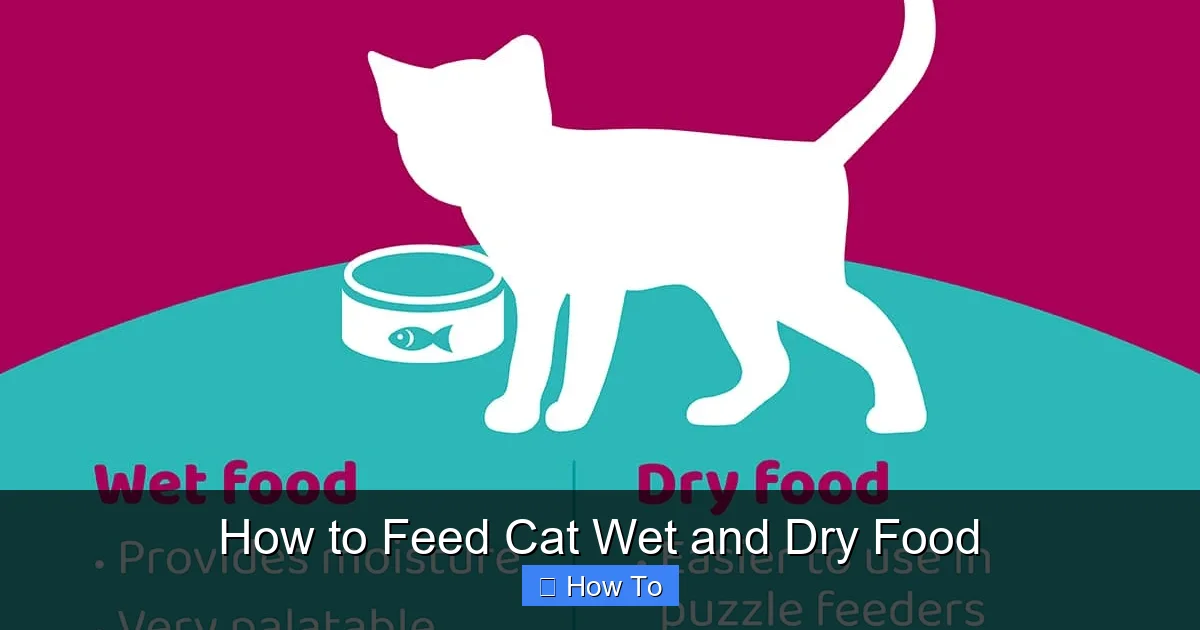
Feeding your cat a balanced mix of wet and dry food supports hydration, dental health, and overall wellness. This guide walks you through portion sizes, feeding schedules, and tips to transition your cat smoothly in 2026.
Key Takeaways
- Mix wet and dry food for balanced nutrition: Wet food boosts hydration and urinary health, while dry food supports dental hygiene and convenience.
- Follow age-appropriate portion guidelines: Kittens, adults, and senior cats have different caloric needs—adjust portions based on weight and activity level.
- Establish a consistent feeding schedule: Feed at the same times daily to regulate digestion and prevent overeating.
- Store food properly to maintain freshness: Keep dry food sealed and refrigerate opened wet food to prevent spoilage and bacterial growth.
- Monitor your cat’s weight and behavior: Regular check-ins help detect health issues early and ensure your cat is thriving on their diet.
- Transition gradually when changing food: Mix old and new food over 7–10 days to avoid digestive upset.
- Consult your vet for personalized advice: Every cat is unique—your veterinarian can recommend the best feeding plan for your pet’s health needs.
How to Feed Cat Wet and Dry Food: A Complete 2026 Guide
Welcome to your go-to guide on how to feed cat wet and dry food the right way in 2026! Whether you’re a new cat parent or looking to improve your current feeding routine, this step-by-step guide will help you create a balanced, healthy diet for your furry friend. Cats are unique creatures with specific nutritional needs, and combining wet and dry food offers the best of both worlds—hydration, dental support, and convenience.
In this guide, you’ll learn how to choose the right foods, determine proper portion sizes, establish a feeding schedule, and avoid common mistakes. We’ll also cover how to transition your cat to a new diet, store food safely, and recognize signs that your cat’s diet might need adjustment. By the end, you’ll feel confident feeding your cat a diet that supports long-term health and happiness.
Why Combine Wet and Dry Food?
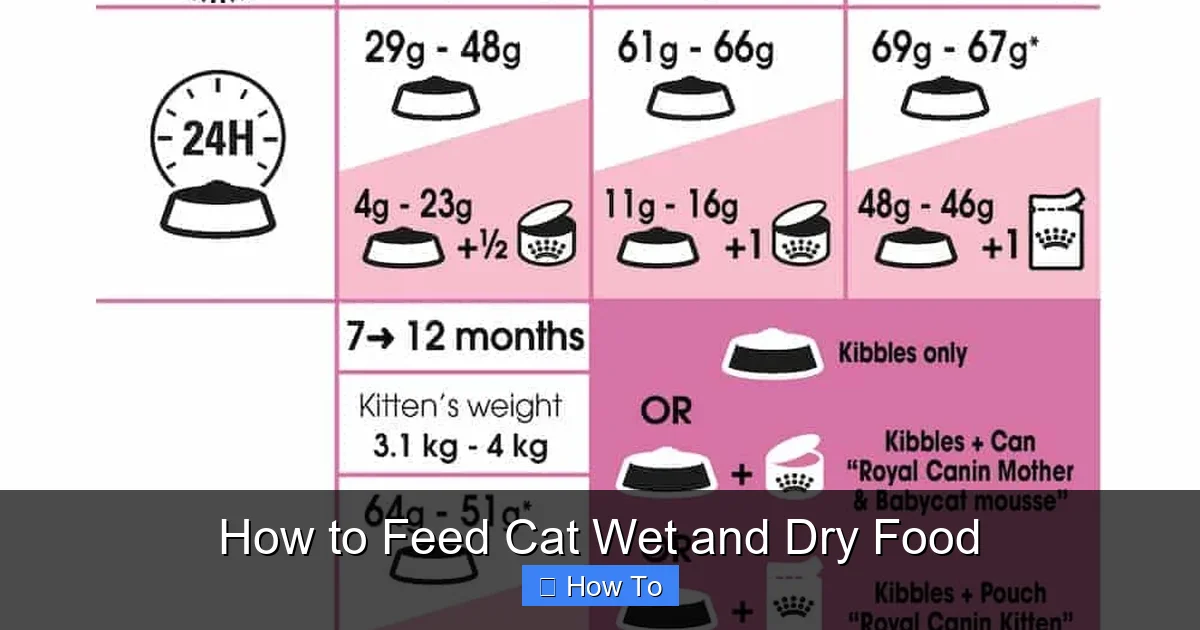
Visual guide about How to Feed Cat Wet and Dry Food
Image source: petisha.com
Many cat owners wonder whether to feed wet food, dry food, or both. The truth is, a combination approach is often the most beneficial for your cat’s health. Here’s why:
Wet food is high in moisture—typically 70–80% water—which helps keep your cat hydrated. This is especially important because cats have a low thirst drive and often don’t drink enough water on their own. Proper hydration supports kidney and urinary tract health, reducing the risk of common issues like urinary crystals or infections.
Dry food, on the other hand, is convenient, cost-effective, and can help maintain dental health. The crunchy texture may reduce plaque buildup, though it’s not a substitute for regular dental care. Dry kibble also stays fresh longer when left out, making it ideal for free-feeding or busy households.
By combining both types, you give your cat the hydration benefits of wet food and the practicality of dry food. This balanced approach supports overall wellness and can prevent picky eating habits.
Step 1: Choose High-Quality Wet and Dry Foods
Not all cat foods are created equal. To ensure your cat gets the nutrition they need, start by selecting high-quality wet and dry options.
Look for Complete and Balanced Labels
Check the packaging for a statement from the Association of American Feed Control Officials (AAFCO). It should say the food is “complete and balanced” for your cat’s life stage—kitten, adult, or senior. This means the food meets the minimum nutritional requirements for healthy growth and maintenance.
Prioritize Protein-Rich Ingredients
Cats are obligate carnivores, which means they need animal-based protein to thrive. Look for foods that list a named meat source—like chicken, turkey, or salmon—as the first ingredient. Avoid products with vague terms like “meat by-products” or “animal digest.”
Limit Fillers and Artificial Additives
Steer clear of foods with excessive grains, corn, soy, or artificial colors, flavors, and preservatives. These offer little nutritional value and may contribute to allergies or digestive issues.
Consider Special Dietary Needs
If your cat has health conditions like diabetes, kidney disease, or food sensitivities, consult your vet before choosing a food. There are prescription and therapeutic diets designed to manage these issues.
Step 2: Determine the Right Portion Sizes
Overfeeding is a common problem that can lead to obesity, while underfeeding can cause malnutrition. Getting portion sizes right is crucial.
Use the Feeding Guidelines as a Starting Point
Most cat food packages include a feeding chart based on weight. For example, a 10-pound adult cat might need about 1/2 to 3/4 cup of dry food and one 5.5-ounce can of wet food per day. These are general estimates—adjust based on your cat’s activity level and body condition.
Monitor Your Cat’s Body Condition
Feel your cat’s ribs—you should be able to feel them with a slight fat covering, but not see them. If you can’t feel the ribs, your cat may be overweight. If the ribs are very prominent, they may be underweight. Adjust portions accordingly and consult your vet if you’re unsure.
Split Meals Throughout the Day
Instead of one large meal, divide your cat’s daily intake into two or three smaller meals. This mimics their natural hunting behavior and helps prevent overeating. For example, feed half the wet food in the morning and half at night, and leave dry food available for grazing.
Step 3: Establish a Consistent Feeding Schedule
Cats thrive on routine. A consistent feeding schedule helps regulate their digestion, reduces anxiety, and prevents begging or overeating.
Feed at the Same Times Daily
Choose morning and evening times that fit your schedule. For example, feed at 7 a.m. and 6 p.m. Stick to these times as closely as possible, even on weekends.
Use Meal Times to Bond
Feeding time is a great opportunity to interact with your cat. Sit nearby, talk softly, or offer a treat after the meal. This builds trust and makes feeding a positive experience.
Avoid Free-Feeding Dry Food Indiscriminately
While leaving dry food out all day is convenient, it can lead to overeating and obesity. Instead, measure out the daily portion and divide it into scheduled meals. If you must free-feed, use an automatic feeder with portion control.
Step 4: Transition to a New Food Gradually
If you’re switching brands or types of food, do it slowly to avoid digestive upset like vomiting or diarrhea.
Mix Old and New Food Over 7–10 Days
Start by mixing 25% new food with 75% old food for days 1–3. Increase to 50% new food for days 4–6. Then, use 75% new food for days 7–9. By day 10, your cat should be eating 100% new food.
Watch for Signs of Discomfort
If your cat shows signs of digestive distress—such as loose stools, gas, or refusal to eat—slow down the transition. Extend each phase by a day or two. If symptoms persist, consult your vet.
Be Patient with Picky Eaters
Some cats are hesitant to try new foods. Try warming wet food slightly to enhance aroma, or mix in a small amount of tuna juice (in moderation). Never force-feed—this can create negative associations.
Step 5: Serve Food Safely and Hygienically
Proper food handling keeps your cat safe from bacteria and spoilage.
Use Clean Bowls Daily
Wash food and water bowls with hot, soapy water every day. Bacteria can grow quickly, especially in wet food residue. Avoid plastic bowls if your cat develops chin acne—stainless steel or ceramic are better options.
Serve Wet Food at Room Temperature
Cold food from the fridge can be unappealing. Let wet food sit for 10–15 minutes after opening, or warm it slightly in a bowl of warm water. Never microwave pet food—it can create hot spots.
Discard Uneaten Wet Food After 4 Hours
Bacteria multiply rapidly at room temperature. If your cat doesn’t finish their wet food within 4 hours, throw it away. For dry food, replace it every 24 hours to maintain freshness.
Step 6: Store Food Properly
Proper storage preserves nutrients and prevents spoilage.
Keep Dry Food Sealed
Transfer dry food to an airtight container after opening the bag. Store in a cool, dry place away from sunlight. Avoid the garage or basement if temperatures fluctuate.
Refrigerate Opened Wet Food
Cover opened cans or pouches with a lid or plastic wrap and store in the fridge for up to 5 days. Label with the date to track freshness.
Check Expiration Dates
Always check “best by” dates before feeding. Expired food may lose nutritional value or become unsafe.
Step 7: Monitor Your Cat’s Health and Adjust as Needed
Your cat’s dietary needs can change over time due to age, activity level, or health conditions.
Weigh Your Cat Monthly
Use a pet scale or visit your vet for regular weigh-ins. Sudden weight loss or gain can signal health issues.
Observe Eating and Drinking Habits
Note changes in appetite, water intake, or litter box habits. Increased thirst, for example, could indicate diabetes or kidney disease.
Adjust Portions for Life Stages
Kittens need more calories for growth, while senior cats may need fewer. Pregnant or nursing cats also have higher energy needs. Consult your vet for life-stage-specific advice.
Troubleshooting Common Feeding Issues
Even with the best plan, you might run into challenges. Here’s how to handle common problems.
My Cat Won’t Eat Wet Food
Some cats are used to dry food and resist change. Try offering small amounts of high-value wet food as a topper. Gradually increase the portion over time. Ensure the food is fresh and at room temperature.
My Cat Overeats Dry Food
If your cat eats too much kibble, switch to scheduled meals instead of free-feeding. Use a slow feeder bowl to extend eating time and reduce gulping.
My Cat Vomits After Eating
This could be due to eating too fast, food intolerance, or an underlying health issue. Try smaller, more frequent meals. If vomiting persists, see your vet.
My Cat Is Gaining Weight
Reduce portion sizes and increase playtime. Choose lower-calorie foods if recommended by your vet. Avoid giving too many treats—limit them to 10% of daily calories.
My Cat Is Losing Weight
Weight loss can signal illness. Increase calorie intake temporarily and schedule a vet visit. Conditions like hyperthyroidism or dental pain can affect appetite.
Special Considerations for 2026
As we move through 2026, pet nutrition continues to evolve. Here are a few trends and tips to keep in mind:
Focus on Sustainable and Ethical Brands
More cat owners are choosing eco-friendly brands that use responsibly sourced ingredients and recyclable packaging. Look for certifications like MSC (for seafood) or B Corp status.
Consider Novel Proteins
If your cat has food allergies, novel proteins like duck, rabbit, or insect-based food may be worth exploring. These are less common and less likely to trigger reactions.
Use Smart Feeders and Apps
Technology can help manage feeding. Smart feeders dispense precise portions at set times, and apps track intake and send reminders. Some even sync with vet records.
Stay Informed About Recalls
Check the FDA’s pet food recall list regularly. Sign up for alerts from trusted sources to stay updated on safety issues.
Conclusion
Feeding your cat a balanced mix of wet and dry food is one of the best things you can do for their health and happiness. By choosing high-quality ingredients, portioning correctly, and maintaining a consistent routine, you’re setting your cat up for a long, vibrant life.
Remember, every cat is different. What works for one may not work for another. Stay observant, be flexible, and don’t hesitate to consult your veterinarian for personalized advice. With the right approach, feeding time can be a joyful part of your daily routine—and a powerful way to show your cat how much you care.
In 2026 and beyond, keep learning, stay proactive, and enjoy every purr, meow, and head bump along the way.