

Ferrets thrive on high-protein, meat-based diets, and while ferret-specific food is ideal, high-quality cat food can be a safe alternative when chosen carefully. This guide walks you through selecting, transitioning, and feeding cat food to your ferret in 2026, ensuring optimal nutrition and digestive health.
Key Takeaways
- Choose high-protein, low-carb cat food: Look for formulas with 35-40% protein and under 10% carbohydrates, made primarily from animal sources like chicken, turkey, or lamb.
- Avoid fillers and artificial additives: Steer clear of foods containing corn, soy, wheat, by-products, or artificial colors and preservatives, which can harm ferrets.
- Transition slowly to prevent digestive upset: Gradually mix cat food with your ferret’s current diet over 7–10 days to allow their system to adapt.
- Supplement with taurine and healthy fats: Ferrets need taurine for heart and eye health—ensure the food contains at least 0.1% taurine or add a supplement if needed.
- Feed small, frequent meals: Offer food 3–4 times daily in small portions to match your ferret’s fast metabolism and prevent overeating.
- Monitor your ferret’s health closely: Watch for signs of digestive issues, weight changes, or lethargy, and consult a vet if concerns arise.
- Use cat food as a supplement, not a permanent solution: Whenever possible, transition to a ferret-specific diet for long-term health.
How to Feed Ferret Cat Food: A Complete 2026 Guide
Ferrets are energetic, curious, and adorable pets—but they also have very specific dietary needs. As obligate carnivores, their bodies are built to thrive on a diet rich in animal protein and fat, with minimal carbohydrates. While the ideal food for ferrets is a high-quality, ferret-specific kibble, life happens. Maybe you’re traveling, your local pet store is out of stock, or you’re introducing a new ferret who’s used to cat food. In 2026, many ferret owners find themselves asking: Can I feed my ferret cat food? And if so, how?
The short answer is yes—you can feed your ferret cat food, but only under the right conditions and with careful selection. Not all cat foods are created equal, and some can actually be harmful to ferrets if fed long-term. This comprehensive guide will walk you through everything you need to know about feeding ferret cat food safely and effectively in 2026. You’ll learn how to choose the best options, transition your ferret smoothly, avoid common pitfalls, and ensure your fuzzy friend stays healthy and happy.
By the end of this guide, you’ll be equipped with practical, vet-approved strategies to make informed decisions about your ferret’s diet—even when ferret food isn’t available. Whether you’re a new ferret parent or a seasoned owner facing a temporary shortage, this step-by-step plan will help you navigate the world of cat food for ferrets with confidence.
Why Ferrets Need a High-Protein Diet
Before diving into how to feed cat food to ferrets, it’s important to understand why their dietary needs are so unique. Ferrets are obligate carnivores, meaning their bodies are designed to digest and absorb nutrients almost exclusively from animal sources. Unlike dogs or even cats (who are also carnivores but more adaptable), ferrets have a very short digestive tract and a rapid metabolism. This means they process food quickly—often within 3–4 hours—and need constant access to energy-rich meals.
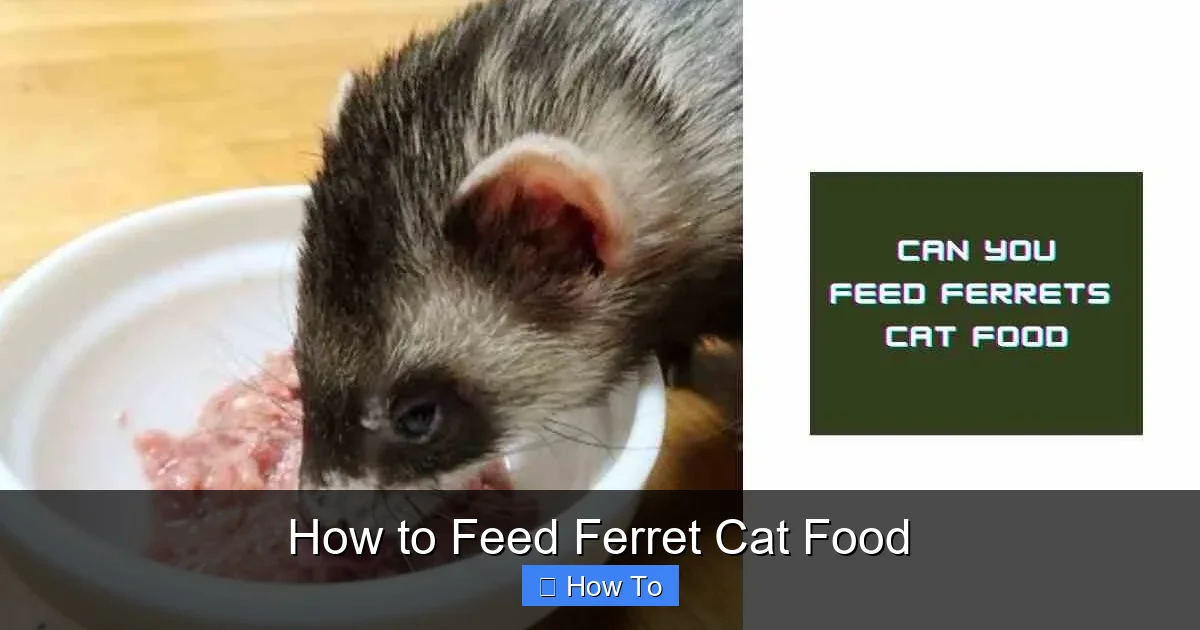
Visual guide about How to Feed Ferret Cat Food
Image source: ferretadviser.com
In the wild, ferrets would eat small prey like mice, birds, and insects—foods that are high in protein, moderate in fat, and virtually free of carbohydrates. In captivity, we aim to replicate this as closely as possible. A proper ferret diet should contain:
- 35–40% protein from animal sources (not plant-based)
- 15–20% fat for energy and coat health
- Less than 10% carbohydrates (ferrets can’t digest carbs efficiently)
- Taurine (an essential amino acid for heart and vision)
- No grains, fillers, or artificial additives
Unfortunately, many commercial cat foods—even high-end ones—don’t meet these standards. Some contain too many carbohydrates, use plant-based proteins, or include ingredients that can cause gastrointestinal upset in ferrets. That’s why it’s crucial to read labels carefully and choose only the best options when using cat food as a temporary or supplemental diet.
Can Ferrets Eat Cat Food? The 2026 Perspective
In 2026, the pet food industry has evolved significantly, with more brands offering grain-free, high-protein formulas that closely mimic a ferret’s natural diet. However, cat food should never be the first choice for ferrets—it’s a backup plan, not a long-term solution. Ferret-specific diets are formulated with the precise nutrient balance, kibble size, and digestibility that ferrets need.
That said, high-quality cat food can be a safe and effective alternative in certain situations:
- You’re traveling and can’t bring ferret food
- Your ferret is picky and refuses ferret kibble
- You’re fostering a ferret whose previous owner fed cat food
- There’s a temporary shortage of ferret food in your area
The key is to use cat food strategically—not as a permanent replacement. Think of it like a bridge: it gets you from point A to point B, but you still want to reach the ideal destination (ferret food) as soon as possible.
Step 1: Choose the Right Type of Cat Food
Not all cat foods are safe for ferrets. The first and most important step is selecting a formula that meets your ferret’s nutritional needs. Here’s what to look for in 2026:
High Animal Protein Content
Check the ingredient list. The first ingredient should be a named animal protein like chicken, turkey, lamb, or duck—not “meat meal” or “poultry by-product.” Avoid foods where plant proteins (like soy or corn gluten meal) appear early in the list. Aim for at least 35% protein on the guaranteed analysis.
Low Carbohydrates
Ferrets can’t digest carbs well, and excess carbs can lead to insulinoma (a common ferret cancer). Look for foods with less than 10% carbohydrates. You can estimate this by subtracting the percentages of protein, fat, moisture, and ash from 100%. For example, if a food has 40% protein, 20% fat, 10% moisture, and 6% ash, the remaining 24% is mostly carbs—too high for ferrets.
No Grains or Fillers
Avoid foods containing corn, wheat, soy, rice, or potatoes. These are common fillers that offer little nutritional value and can cause digestive issues. In 2026, many premium cat foods are grain-free, but always double-check the label.
Taurine Inclusion
Taurine is essential for ferret health. Look for a food that lists taurine in the ingredients or guarantees at least 0.1% taurine on the label. Deficiency can lead to heart disease and blindness.
Minimal Additives
Skip foods with artificial colors, flavors, or preservatives like BHA, BHT, or ethoxyquin. These chemicals can be harmful over time. Opt for natural preservatives like mixed tocopherols (vitamin E) instead.
Recommended Cat Food Brands for Ferrets (2026):
- Wellness CORE Grain-Free Original – High in protein, low in carbs, made with real turkey and chicken.
- Blue Buffalo Wilderness Chicken Recipe – Grain-free, high-protein, with added taurine.
- Instinct Original Grain-Free Recipe – Made with cage-free chicken, no fillers, and high bioavailability.
- Merrick Purrfect Bistro Grain-Free – Real deboned meat first, low carbohydrate content.
Avoid budget brands like Friskies, 9Lives, or Fancy Feast—these often contain high levels of carbs, fillers, and artificial ingredients.
Step 2: Transition Gradually to Prevent Digestive Issues
Even the best cat food can cause stomach upset if introduced too quickly. Ferrets have sensitive digestive systems, and sudden changes in diet can lead to diarrhea, vomiting, or refusal to eat. To avoid this, follow a slow transition plan over 7–10 days.
Day 1–3: 25% Cat Food, 75% Current Diet
Mix a small amount of the new cat food into your ferret’s regular food. For example, if you feed 1 tablespoon per meal, use ¼ tablespoon of cat food and ¾ tablespoon of ferret food. This allows your ferret’s gut to begin adapting to the new ingredients.
Day 4–6: 50% Cat Food, 50% Current Diet
Increase the ratio to half and half. Monitor your ferret closely for any signs of digestive distress, such as loose stools, gas, or reduced appetite. If everything looks good, proceed to the next phase.
Day 7–10: 75% Cat Food, 25% Current Diet
Gradually increase the cat food to 75%. By now, your ferret should be tolerating the new food well. If you notice any issues, slow down the transition or consult your vet.
Day 11+: 100% Cat Food (Temporary)
Once your ferret is eating the cat food without problems, you can feed it exclusively—but only as a temporary measure. Continue to look for ferret-specific food and transition back as soon as possible.
Pro Tip: If your ferret refuses to eat the mixture, try warming the food slightly or adding a small amount of ferret-safe broth (like plain chicken broth with no onions or garlic) to enhance the smell and flavor.
Step 3: Feed the Right Amount and Frequency
Ferrets have fast metabolisms and need to eat frequently. Unlike cats, who can graze throughout the day, ferrets benefit from structured meals to maintain stable blood sugar and energy levels.
How Much to Feed
The exact amount depends on your ferret’s age, weight, and activity level, but a general guideline is:
- Adult ferrets: 2–4 tablespoons of kibble per day, divided into 3–4 meals
- Kits (under 6 months): Unlimited access to food (they grow quickly and need constant nutrition)
- Senior ferrets: Slightly reduced portions if less active, but still high-protein
Use a small measuring spoon to ensure consistency. Overfeeding can lead to obesity, while underfeeding can cause muscle wasting and hypoglycemia.
How Often to Feed
Feed your ferret 3–4 times per day. A sample schedule might look like:
- 7:00 AM – Morning meal
- 1:00 PM – Midday snack
- 7:00 PM – Evening meal
- 11:00 PM – Late-night snack (optional, especially for active ferrets)
Always remove uneaten food after 30–60 minutes to prevent spoilage and bacterial growth.
Fresh Water Is Essential
Alongside food, provide fresh, clean water at all times. Use a heavy ceramic bowl or a sipper bottle to prevent spills. Change the water daily and clean the bowl regularly to avoid algae or bacteria buildup.
Step 4: Supplement for Optimal Health
Even the best cat food may not provide everything your ferret needs. In 2026, many ferret owners use supplements to fill nutritional gaps, especially when relying on cat food.
Taurine Supplement
If your chosen cat food doesn’t list taurine or guarantees less than 0.1%, consider adding a taurine supplement. Look for a liquid or powder form designed for small animals. The typical dose is 250–500 mg per day, but consult your vet for personalized advice.
Healthy Fats
Ferrets need fat for energy and a shiny coat. If your cat food is lower in fat (under 15%), you can add a small amount of ferret-safe oil like salmon oil or coconut oil. Use no more than ¼ teaspoon per day, mixed into the food.
Probiotics
To support digestive health, especially during diet transitions, consider a probiotic supplement made for ferrets or small carnivores. These can help maintain gut flora and reduce the risk of diarrhea.
Never give human supplements or vitamins unless specifically recommended by a veterinarian. Ferrets are highly sensitive to certain compounds, and overdosing can be dangerous.
Step 5: Monitor Your Ferret’s Health
Once your ferret is on cat food, keep a close eye on their overall health. Early detection of problems can prevent serious issues down the line.
Signs of a Healthy Ferret on Cat Food
- Bright, alert eyes
- Soft, shiny coat
- Regular bowel movements (firm, dark, and frequent)
- High energy and playfulness
- Healthy weight (no sudden gain or loss)
Warning Signs to Watch For
- Diarrhea or soft stools – Could indicate poor digestion or food intolerance
- Vomiting – May signal an allergic reaction or ingestion of harmful ingredients
- Lethargy or weakness – Could be a sign of hypoglycemia or illness
- Loss of appetite – May indicate stress, dental pain, or digestive issues
- Weight loss – Especially concerning in kits or seniors
- Bad breath or drooling – Could point to dental problems or oral irritation
If you notice any of these signs, stop feeding the cat food immediately and consult a veterinarian experienced with ferrets. Don’t wait—ferrets can deteriorate quickly when ill.
Troubleshooting Common Issues
Even with the best intentions, problems can arise when feeding cat food to ferrets. Here’s how to handle common challenges:
My Ferref Won’t Eat the Cat Food
Some ferrets are picky eaters. Try these tips:
- Warm the food slightly to enhance aroma
- Crush the kibble and mix with a bit of water or broth
- Offer it by hand or use a syringe (for very reluctant eaters)
- Try a different brand or flavor of high-protein cat food
My Ferret Has Diarrhea
This is often due to a sudden diet change or high carbohydrate content. Solutions include:
- Slowing down the transition process
- Switching to a lower-carb cat food
- Adding a probiotic
- Offering plain, cooked chicken as a temporary meal
The Cat Food Contains Grains or Fillers
If you’ve already bought a bag with unwanted ingredients, don’t panic. Use it sparingly and mix with ferret food if available. Avoid feeding it long-term, and transition to a better option as soon as possible.
My Ferret Is Gaining Weight
Overfeeding or high-fat content can lead to obesity. Adjust portion sizes, reduce treats, and increase playtime. Avoid “free-feeding” unless your ferret is a growing kit.
When to Switch Back to Ferret Food
Cat food is a temporary solution. As soon as ferret-specific food becomes available, begin transitioning back using the same 7–10 day method. Ferret food is formulated with the right kibble size, nutrient balance, and digestibility for long-term health.
In 2026, many pet stores and online retailers offer subscription services for ferret food, making it easier than ever to stay stocked. Consider setting up auto-delivery to avoid future shortages.
Conclusion
Feeding your ferret cat food isn’t ideal—but it is possible and safe when done correctly. In 2026, with more high-quality, grain-free cat food options available, ferret owners have better tools than ever to support their pets’ health during temporary diet changes. The key is to choose wisely, transition slowly, feed appropriately, and monitor closely.
Remember: cat food is a bridge, not a destination. Always aim to return your ferret to a species-specific diet for optimal long-term health. With the tips and strategies in this guide, you can confidently navigate the challenges of feeding cat food to your ferret—keeping them happy, healthy, and full of energy, no matter what life throws your way.