

Feeding your cat properly after surgery is crucial for a smooth and speedy recovery. This guide walks you through safe feeding techniques, recommended foods, and warning signs to watch for, ensuring your furry friend gets the nutrition they need without complications.
Key Takeaways
- Start with small, frequent meals: After surgery, your cat’s appetite may be low. Offer tiny portions every 2–3 hours to avoid overwhelming their digestive system.
- Choose easily digestible food: Opt for wet, high-protein, low-fat options like prescription recovery diets or vet-recommended pâté-style foods to support healing.
- Hydration is essential: Encourage water intake by offering fresh water, broth (unsalted and onion-free), or a pet water fountain to prevent dehydration.
- Follow your vet’s instructions closely: Medications, feeding schedules, and dietary restrictions are tailored to your cat’s specific surgery and health needs.
- Monitor for warning signs: Watch for vomiting, refusal to eat for over 24 hours, lethargy, or swelling at the incision site—contact your vet immediately if these occur.
- Use appetite stimulants only if prescribed: Never give human medications or supplements without veterinary approval, as they can be harmful.
- Gradually return to normal diet: Once your cat is eating well and energy levels improve, slowly transition back to their regular food over 5–7 days.
How to Feed Food After Surgery Cat: A Complete 2026 Guide
Welcoming your cat home after surgery can be both a relief and a source of anxiety. You’re happy they’re safe, but now you’re faced with the important responsibility of helping them recover—starting with what and how you feed them. Proper nutrition plays a vital role in healing, immune function, and overall well-being. In this comprehensive guide, updated for 2026, you’ll learn exactly how to feed your cat after surgery, from the first meal at home to returning to their normal diet.
Whether your cat had a routine spay/neuter, dental work, tumor removal, or a more complex procedure, their nutritional needs shift during recovery. This guide will walk you through every step—what to feed, how much, how often, and what to avoid. You’ll also find practical tips, troubleshooting advice, and answers to common concerns so you can support your feline friend with confidence.
By the end of this guide, you’ll know how to create a safe, nurturing feeding routine that promotes healing, prevents complications, and helps your cat bounce back stronger than ever.
Understanding Your Cat’s Post-Surgery Needs
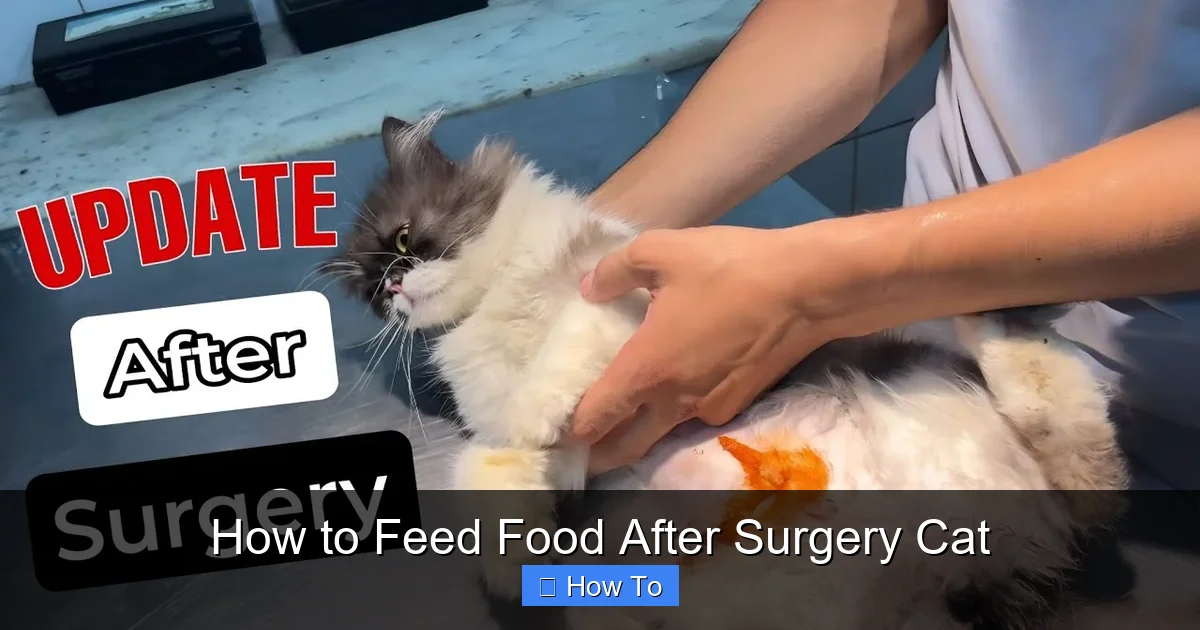
Visual guide about How to Feed Food After Surgery Cat
Image source: i.ytimg.com
After surgery, your cat’s body is in repair mode. Tissues are healing, inflammation is decreasing, and the immune system is working overtime. All of this requires energy and specific nutrients. However, surgery—and the anesthesia used during the procedure—can leave your cat feeling nauseous, groggy, or uninterested in food.
In 2026, veterinary medicine continues to emphasize the importance of early nutritional support in post-operative recovery. Studies show that cats who begin eating within 24 hours of surgery have faster healing times, fewer complications, and shorter hospital stays. That’s why knowing how to feed food after surgery cat is so critical.
Your cat may not feel like eating right away, and that’s normal. But prolonged refusal to eat—especially in cats—can lead to a dangerous condition called hepatic lipidosis (fatty liver disease). This makes timely, appropriate feeding essential.
Why Nutrition Matters After Surgery
Nutrition fuels the healing process. Proteins help rebuild tissues, vitamins like A and C support immune function, and fats provide concentrated energy. After surgery, your cat needs:
– High-quality protein to repair muscles and skin
– Easily digestible fats for energy without straining the digestive system
– Moisture to stay hydrated, especially if they’re not drinking much
– Minimal fiber to avoid upsetting a sensitive stomach
Wet food is often preferred post-surgery because it’s easier to eat, more palatable, and contains up to 80% water—helping with hydration. Dry kibble, while convenient, can be harder to chew and digest, especially if your cat has had dental surgery or is still groggy.
Common Post-Surgery Challenges
Even with the best intentions, feeding a recovering cat can come with hurdles. Here are some common issues and how to prepare:
– Loss of appetite: Anesthesia, pain, and stress can suppress hunger. This is temporary but needs gentle encouragement.
– Nausea or vomiting: Some medications or anesthesia can cause stomach upset. Feeding too much too soon can worsen this.
– Difficulty eating: If your cat had oral surgery, they may struggle to chew or swallow.
– Dehydration: Cats are prone to dehydration, especially when not eating or drinking normally.
– Medication interactions: Some drugs must be taken with food, while others require an empty stomach.
Being aware of these challenges helps you respond quickly and effectively.
Step-by-Step Guide to Feeding Your Cat After Surgery
Now that you understand why feeding matters, let’s dive into the practical steps. Follow this step-by-step guide to ensure your cat gets the nutrition they need—safely and comfortably.
Step 1: Wait for the Vet’s Clearance
Before you even think about food, make sure your vet has given the green light. Most cats are discharged with specific feeding instructions. These may include:
– When to offer the first meal (usually 2–4 hours after returning home)
– What type of food to use
– Whether to withhold food before certain medications
Never feed your cat immediately after bringing them home unless instructed. Anesthesia can still affect their coordination and digestion. Rushing food too soon can lead to choking or vomiting.
Step 2: Start with Small, Frequent Meals
Your cat’s stomach may be sensitive, so large meals can cause discomfort or rejection. Instead, offer tiny portions—about 1–2 tablespoons of wet food—every 2 to 3 hours.
For example:
– Morning: 1 tablespoon of pâté-style wet food
– Mid-morning: Another small portion
– Afternoon: Repeat
– Evening: Final small meal before bed
This approach reduces pressure on the digestive system and increases the chances your cat will eat something.
Step 3: Choose the Right Food
Not all cat food is created equal—especially after surgery. Here’s what to look for:
– Wet food (canned or pouch): Preferred for its moisture content and soft texture. Look for pâté-style, as it’s easier to eat than chunks in gravy.
– High protein, low fat: Supports healing without overloading the liver or pancreas.
– Prescription recovery diets: Brands like Hill’s Prescription Diet a/d, Royal Canin Recovery, or Purina Pro Plan Veterinary Diets EN are formulated for post-surgical cats. These are often recommended by vets.
– Homemade options (if approved): Some vets allow bland, cooked foods like boiled chicken (no skin, no seasoning) or plain white fish. Always check first.
Avoid:
– Dry kibble (unless specifically advised)
– Treats or table scraps
– Foods with artificial flavors, colors, or preservatives
– High-fat or spicy foods
Step 4: Make Food More Appealing
If your cat turns up their nose, try these tricks to spark their appetite:
– Warm the food slightly: Heat a small portion in the microwave for 5–10 seconds (test temperature on your wrist). Warm food releases aroma, which can entice eating.
– Add low-sodium broth: Use bone broth made for pets (no onions, garlic, or salt). Mix a teaspoon into their food.
– Hand-feed or use a syringe (if needed): Gently place a small amount on their lip or tongue. Never force-feed, as this can cause stress or aspiration.
– Use a favorite bowl or plate: Some cats prefer shallow dishes or ceramic bowls over metal or plastic.
Step 5: Encourage Hydration
Dehydration is a serious risk after surgery. Even if your cat isn’t eating much, they still need water. Here’s how to help:
– Offer fresh water in a clean bowl multiple times a day.
– Use a pet water fountain—many cats prefer running water.
– Add water or broth to their wet food to increase fluid intake.
– Offer ice chips (made from pet-safe broth) as a fun, hydrating treat.
If your cat refuses water for more than 12–24 hours, contact your vet. They may recommend subcutaneous fluids (administered under the skin) to prevent dehydration.
Step 6: Administer Medications Correctly
Many post-surgery cats need pain relievers, antibiotics, or anti-inflammatories. How you give these matters:
– With food: Most medications should be given with a small meal to reduce stomach irritation. Ask your vet if this applies.
– Hidden in food: Use a pill pocket or hide the pill in a tiny ball of wet food. Ensure your cat swallows it—don’t assume they’ll eat the whole thing.
– Liquid medications: Use a syringe to gently squirt into the side of their mouth, between the cheek and teeth.
Never crush pills unless instructed—some medications lose effectiveness or become toxic when altered.
Step 7: Monitor Eating and Behavior
Keep a close eye on your cat’s habits. Track:
– How much they eat each day
– Whether they’re drinking water
– Litter box activity (urination and bowel movements)
– Energy levels and interest in surroundings
A healthy recovery includes gradual improvement in appetite and activity. If your cat refuses food for more than 24 hours, contact your vet immediately.
Troubleshooting Common Feeding Problems
Even with the best care, issues can arise. Here’s how to handle the most common post-surgery feeding challenges.
My Cat Won’t Eat at All
This is alarming but not uncommon. Try these steps:
1. Offer highly palatable food: Try tuna water (from a can, no salt), plain cooked chicken, or a prescription recovery diet.
2. Warm the food to enhance smell.
3. Feed in a quiet, stress-free area.
4. Hand-feed small amounts.
5. If no improvement in 24 hours, call your vet. They may prescribe an appetite stimulant like mirtazapine (a common 2026 option for cats).
My Cat Vomits After Eating
Vomiting can be caused by eating too fast, too much, or sensitivity to food or medication.
– Wait 2–3 hours after vomiting before offering a tiny meal.
– Feed smaller portions more frequently.
– Ensure food is room temperature—not cold.
– Ask your vet if anti-nausea medication (like Cerenia) is appropriate.
My Cat Has Diarrhea or Constipation
Digestive upset can result from anesthesia, medications, or dietary changes.
– For diarrhea: Offer a bland diet (boiled chicken and rice) for 24–48 hours, then slowly return to normal food.
– For constipation: Ensure hydration, add a teaspoon of plain canned pumpkin (not pie filling), and encourage movement.
– Contact your vet if symptoms last more than 24 hours or include blood.
My Cat Is Lethargic and Not Drinking
Lethargy combined with lack of eating/drinking is a red flag. Possible causes include infection, pain, or dehydration.
– Check the incision site for redness, swelling, or discharge.
– Feel your cat’s gums—dry or sticky gums indicate dehydration.
– Offer water frequently and try broth.
– Seek veterinary care immediately if no improvement.
When to Call the Vet
While some post-surgery discomfort is normal, certain signs require urgent attention. Contact your vet if your cat:
– Refuses food for more than 24 hours
– Vomits repeatedly or has blood in vomit
– Shows signs of pain (hiding, growling when touched, vocalizing)
– Has a swollen, red, or leaking incision
– Is extremely lethargic or unresponsive
– Has difficulty breathing or pale gums
Early intervention can prevent serious complications.
Transitioning Back to Normal Diet
Once your cat is eating well, drinking, and showing energy, it’s time to return to their regular food. But don’t rush it.
How to Transition Safely
1. Wait for full recovery: Ensure your cat is off pain meds, incision is healed, and vet gives approval.
2. Mix foods gradually: Over 5–7 days, slowly increase the amount of regular food while decreasing the recovery diet.
– Days 1–2: 75% recovery food, 25% regular
– Days 3–4: 50% recovery, 50% regular
– Days 5–6: 25% recovery, 75% regular
– Day 7: Full regular diet
3. Monitor for digestive upset: If diarrhea or vomiting returns, slow the transition.
Maintain Good Habits
Even after recovery, keep these practices:
– Provide fresh water daily
– Feed high-quality, species-appropriate food
– Avoid sudden diet changes
– Schedule regular vet check-ups
Final Thoughts
Feeding your cat after surgery is one of the most important ways you can support their healing. By starting slowly, choosing the right foods, encouraging hydration, and staying alert to warning signs, you’re giving your feline friend the best chance at a full and speedy recovery.
Remember, every cat is different. What works for one may not work for another. Always follow your veterinarian’s advice and trust your instincts. If something feels off, don’t hesitate to reach out.
With patience, love, and the right nutrition, your cat will be back to chasing toys and napping in sunbeams before you know it.