
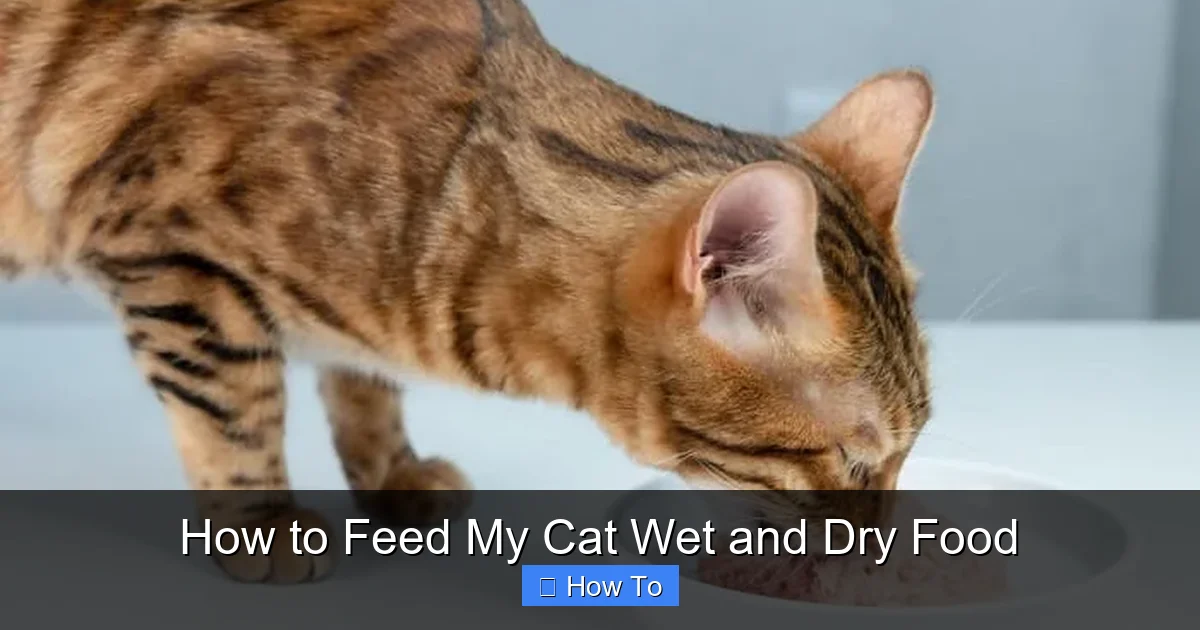
Discover the best way to combine wet and dry food for your cat’s optimal health. This guide covers feeding schedules, portion sizes, hydration benefits, and expert tips to keep your feline happy and healthy in 2026.
Key Takeaways
- Wet food boosts hydration: Cats naturally drink less water, so wet food helps prevent urinary tract issues and supports kidney health.
- Dry food supports dental health: Chewing kibble can reduce plaque buildup, but it shouldn’t replace regular vet dental care.
- Mix both for balanced nutrition: Combining wet and dry food gives your cat the benefits of moisture and texture variety.
- Follow portion guidelines: Overfeeding leads to obesity—use feeding charts and adjust based on age, weight, and activity level.
- Feed on a consistent schedule: Cats thrive on routine—stick to set meal times for better digestion and behavior.
- Store food properly: Keep dry food sealed and refrigerate opened wet food to maintain freshness and prevent spoilage.
- Monitor your cat’s response: Watch for changes in weight, energy, or litter box habits to fine-tune their diet.
How to Feed My Cat Wet and Dry Food: A Complete 2026 Guide
If you’re a cat parent in 2026, you’ve probably heard the debate: wet food or dry food? The good news is, you don’t have to choose. In fact, the best approach for most cats is a combination of both. Feeding your cat wet and dry food together gives them the hydration benefits of wet food and the convenience and dental support of dry food. But how do you do it right?
This guide will walk you through everything you need to know about feeding your cat a balanced mix of wet and dry food. You’ll learn how to choose quality products, determine the right portions, create a feeding schedule, and avoid common mistakes. Whether you’re a new cat owner or looking to improve your current routine, this step-by-step guide will help you keep your feline friend healthy, happy, and well-nourished.
Let’s dive in.
Why Combine Wet and Dry Food?

Visual guide about How to Feed My Cat Wet and Dry Food
Image source: azure.wgp-cdn.co.uk
Cats are unique eaters. In the wild, they consume small, frequent meals rich in moisture—think mice and birds, which are about 70% water. Domestic cats, however, often eat dry kibble that contains only 10% moisture. This can lead to chronic dehydration, especially since cats don’t have a strong thirst drive.
That’s where wet food comes in. It’s typically 70–80% water, helping your cat stay hydrated and supporting urinary and kidney health. Wet food is also highly palatable, which can encourage picky eaters to eat more.
On the other hand, dry food is convenient, cost-effective, and can help reduce plaque buildup when chewed. It’s also easier to leave out for free-feeding, though this isn’t always recommended.
By combining both, you give your cat the best of both worlds: hydration, nutrition, dental support, and variety. It’s like giving them a gourmet meal with a side of crunchy snacks—only better for their health.
Step 1: Choose High-Quality Wet and Dry Food
Not all cat food is created equal. In 2026, the pet food industry has advanced significantly, with more focus on clean labels, sustainable sourcing, and species-appropriate nutrition. Here’s how to pick the best options.
Look for Complete and Balanced Labels
Always check the packaging for a statement from the Association of American Feed Control Officials (AAFCO). It should say the food is “complete and balanced” for your cat’s life stage—kitten, adult, or senior. This ensures the food meets all nutritional requirements.
Prioritize Animal-Based Protein
Cats are obligate carnivores, meaning they need meat to thrive. The first ingredient should be a named animal protein like chicken, turkey, or salmon—not “meat by-products” or “animal digest.”
Check the Moisture Content in Wet Food
Wet food should have a high moisture content—ideally 70% or more. Avoid products with excessive fillers like corn, wheat, or soy, which offer little nutritional value.
Choose Dry Food with Limited Ingredients
For dry food, look for formulas with real meat as the first ingredient and minimal artificial preservatives, colors, or flavors. Grain-free options are fine, but grains aren’t inherently bad—some cats digest them well.
Consider Your Cat’s Age and Health
Kittens need more calories and protein for growth. Senior cats may benefit from lower-calorie, joint-supporting formulas. Cats with health issues like diabetes or kidney disease may need prescription diets—always consult your vet.
Step 2: Determine the Right Portion Sizes
Overfeeding is one of the biggest mistakes cat owners make. Obesity in cats is on the rise, leading to diabetes, arthritis, and shorter lifespans. Underfeeding can also be harmful. The key is balance.
Use Feeding Guidelines as a Starting Point
Most cat food packages include a feeding chart based on weight. For example, a 10-pound adult cat might need about 1/2 cup of dry food and one 5.5-ounce can of wet food per day. But these are estimates—your cat’s needs may vary.
Adjust Based on Activity Level
An indoor cat who naps all day needs fewer calories than an outdoor explorer or a playful kitten. If your cat is gaining weight, reduce portions slightly. If they’re losing weight or seem hungry, increase them.
Weigh Your Cat Regularly
Use a pet scale or visit your vet every few months to track weight changes. A healthy adult cat should maintain a stable weight. Sudden changes could signal health issues.
Split Meals into Smaller Portions
Instead of one large meal, feed two to three smaller meals per day. This mimics natural eating behavior and helps prevent overeating.
Step 3: Create a Feeding Schedule
Cats love routine. A consistent feeding schedule helps regulate digestion, reduces anxiety, and prevents begging or overeating.
Feed Wet Food at Set Times
Wet food should be served fresh and removed after 30–60 minutes to prevent spoilage. Most cats do well with two wet meals per day—morning and evening. For example:
– 7:00 AM: Wet food
– 6:00 PM: Wet food
Offer Dry Food Strategically
You can leave dry food out for free-feeding, but this can lead to overeating. A better option is timed dry meals or using a timed feeder. For example:
– 8:00 AM: 1/4 cup dry food
– 12:00 PM: 1/4 cup dry food
– 7:00 PM: 1/4 cup dry food
Alternatively, use a puzzle feeder or slow feeder to make dry food more engaging and prevent gobbling.
Adjust for Kittens and Seniors
Kittens need 3–4 small meals daily. Senior cats may prefer smaller, more frequent meals if they have dental issues or reduced appetite.
Step 4: Mix Wet and Dry Food Safely
Combining wet and dry food is safe and beneficial—but there are a few things to keep in mind.
Mix in the Same Bowl (Optional)
Some cats enjoy the texture contrast of wet and dry food mixed together. You can add a small amount of dry kibble to wet food or vice versa. Just make sure the total portion stays within daily limits.
Serve Separately if Preferred
Many cats prefer their foods separate. You can place wet food in one bowl and dry food in another. This also makes it easier to monitor how much they’re eating of each.
Avoid Leaving Wet Food Out Too Long
Wet food spoils quickly at room temperature. Never leave it out for more than an hour in warm weather or two hours in cooler conditions. Bacteria can grow rapidly, leading to foodborne illness.
Clean Bowls Daily
Wash food and water bowls with hot, soapy water every day. Bacteria can build up, especially in wet food residue. Stainless steel or ceramic bowls are best—they’re easy to clean and don’t harbor odors.
Step 5: Monitor Your Cat’s Health and Adjust
Feeding your cat isn’t a “set it and forget it” task. You need to watch for signs that their diet is working—or not.
Watch the Scale
Weigh your cat monthly. A healthy weight means you can feel their ribs but not see them. If your cat is gaining or losing weight, adjust portions or consult your vet.
Check the Litter Box
Healthy stools should be firm and well-formed. Diarrhea or constipation could indicate a food intolerance or health issue. Increased urination or straining may signal a urinary problem—wet food can help, but see a vet if symptoms persist.
Observe Energy and Coat
A well-fed cat has bright eyes, a shiny coat, and steady energy. Dull fur, lethargy, or excessive shedding may point to nutritional deficiencies.
Note Appetite Changes
Sudden loss of appetite or increased hunger can signal illness. Don’t assume it’s just a phase—get it checked.
Troubleshooting Common Feeding Issues
Even with the best plan, problems can arise. Here’s how to handle common challenges.
My Cat Only Eats Wet Food
Some cats become picky and refuse dry food. This isn’t necessarily bad—wet food is great for hydration. But if you want to encourage dry food, try:
– Mixing a few kibbles into wet food and gradually increasing the ratio
– Offering different textures (pate, chunks, shreds)
– Using a food topper like freeze-dried chicken to entice them
My Cat Only Eats Dry Food
If your cat refuses wet food, they may be at risk for dehydration. Try:
– Warming wet food slightly to enhance aroma
– Offering high-moisture broths or toppers
– Gradually introducing wet food by mixing small amounts with dry
My Cat Overeats or Gets Overweight
Switch to scheduled meals instead of free-feeding. Use a measuring cup for portions. Increase playtime to burn calories. Consider a weight-management formula.
My Cat Vomits After Eating
This could be due to eating too fast, food intolerance, or hairballs. Try:
– Feeding smaller, more frequent meals
– Using a slow feeder bowl
– Switching to a sensitive stomach formula
Food Spoils or Gets Stale
Store dry food in an airtight container in a cool, dry place. Use opened wet food within 3–5 days and keep it refrigerated. Don’t leave wet food out for more than an hour.
Special Considerations for 2026
The pet care landscape in 2026 includes new innovations and trends that can enhance your cat’s feeding experience.
Smart Feeders and Apps
Smart feeders allow you to schedule and monitor meals remotely. Some even track eating habits and send alerts if your cat skips a meal. Pair them with pet health apps to log weight, activity, and vet visits.
Sustainable and Ethical Food Options
More brands now offer eco-friendly packaging, insect-based protein, and lab-grown meat. These options reduce environmental impact while providing high-quality nutrition.
Personalized Nutrition
DNA testing and AI-driven diet plans are becoming more accessible. Some companies analyze your cat’s genetics and lifestyle to recommend custom food blends.
Hydration Stations
Consider adding a cat water fountain to encourage drinking. Many cats prefer running water, and it complements the moisture from wet food.
Final Tips for Success
– Be patient: It can take weeks for a cat to adjust to a new food or routine.
– Involve your vet: Regular check-ups ensure your cat’s diet supports their health.
– Rotate flavors: Variety prevents boredom and exposes your cat to different nutrients.
– Stay consistent: Sudden changes can upset your cat’s stomach. Transition new foods over 7–10 days.
Conclusion
Feeding your cat a combination of wet and dry food is one of the best things you can do for their health in 2026. It supports hydration, dental health, and overall well-being. By choosing quality ingredients, measuring portions, sticking to a schedule, and monitoring your cat’s response, you’ll create a feeding routine that works for both of you.
Remember, every cat is different. What works for one may not work for another. Stay observant, stay flexible, and don’t hesitate to consult your veterinarian if you have concerns.
With the right approach, mealtime can be a joyful, healthy part of your cat’s daily life. Here’s to many happy, purr-filled years together!