
Wet food is a great way to keep your cat hydrated and healthy. This guide walks you through choosing the right food, creating a feeding routine, and storing meals safely in 2026. Follow these steps for a happy, well-fed cat.
Key Takeaways
- Choose high-quality wet food: Look for real meat as the first ingredient and avoid fillers like corn or soy.
- Feed on a consistent schedule: Most adult cats do well with two meals a day, but kittens may need three to four.
- Store unopened cans properly: Keep them in a cool, dry place and check expiration dates regularly.
- Refrigerate leftovers safely: Cover and store uneaten food for up to 48 hours in the fridge.
- Monitor your cat’s weight and health: Adjust portion sizes if your cat gains or loses weight unexpectedly.
- Introduce wet food gradually: Mix it with dry food at first if your cat is used to kibble.
- Clean bowls daily: Wash feeding dishes with warm, soapy water to prevent bacteria buildup.
How to Feed My Cat Wet Food: A Complete Guide for 2026
If you’re a cat parent in 2026, you’ve probably heard that wet food is one of the best things you can give your feline friend. It’s packed with moisture, supports kidney health, and often tastes better than dry kibble. But feeding wet food isn’t just about opening a can and plopping it in a bowl. There’s a right way—and a wrong way—to do it.
In this guide, we’ll walk you through everything you need to know about how to feed your cat wet food. From choosing the best brands to storing leftovers and creating a feeding routine, we’ve got you covered. Whether you’re switching from dry food or just starting out, these tips will help your cat stay happy, healthy, and well-nourished.
By the end of this article, you’ll know exactly how much to feed, when to feed, and how to make the transition smooth—even for picky eaters. Let’s dive in!
Why Wet Food Is Great for Cats

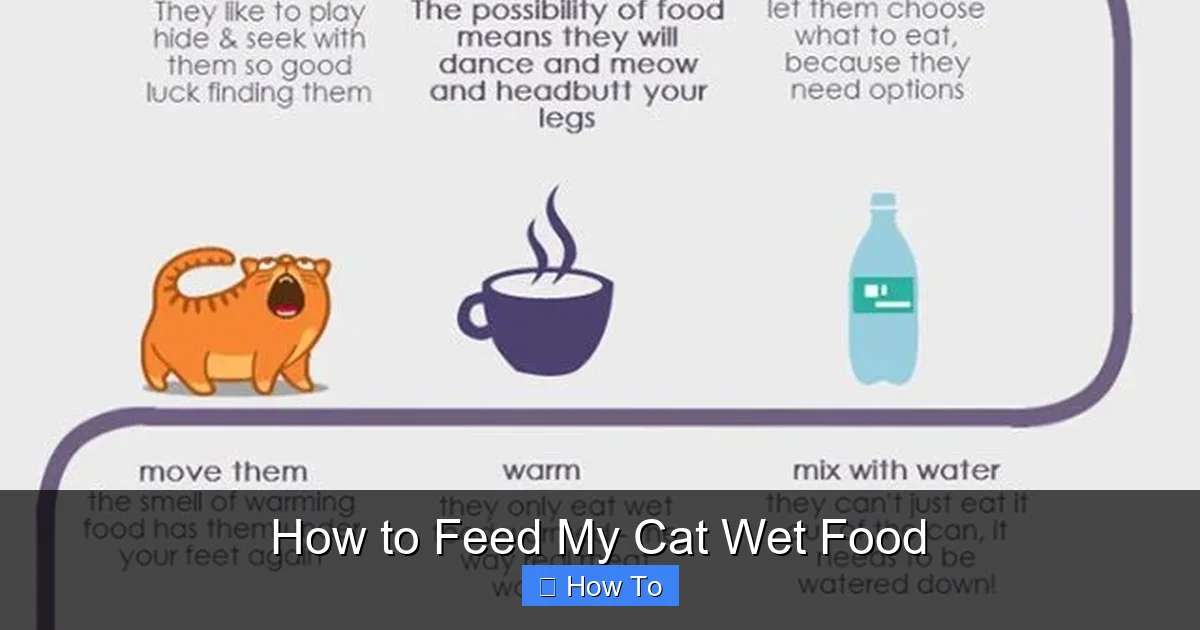
Visual guide about How to Feed My Cat Wet Food
Image source: azure.wgp-cdn.co.uk
Cats are natural carnivores, and their bodies are built to get most of their water from food—not from drinking. In the wild, they eat prey that’s about 70% water. But domestic cats often don’t drink enough water on their own, which can lead to urinary tract issues and kidney problems.
That’s where wet food comes in.
Wet cat food typically contains 70–80% moisture, which helps keep your cat hydrated. It’s also usually higher in protein and lower in carbohydrates than dry food, which aligns better with a cat’s natural diet. Plus, many cats find wet food more appealing because of its strong smell and soft texture.
In 2026, pet nutrition has advanced significantly. Many wet foods now include added vitamins, probiotics, and even functional ingredients like omega-3s for coat health or L-carnitine for weight management. Some brands even offer grain-free, limited-ingredient, or vet-formulated options for cats with allergies or sensitivities.
So, if you’re wondering whether wet food is worth the extra effort—yes, it absolutely is. Your cat’s health will thank you.
Step 1: Choose the Right Wet Food
Not all wet food is created equal. With so many brands and formulas on the market in 2026, it’s important to know what to look for.
Read the Ingredient List
Start by checking the first few ingredients. Look for real meat—like chicken, turkey, salmon, or beef—listed first. Avoid foods that lead with by-products, grains, or fillers like corn, wheat, or soy.
For example, a good ingredient list might read: “Chicken, chicken broth, chicken liver, carrots, peas, vitamins…” A less ideal one might say: “Corn gluten meal, meat by-products, soy protein concentrate…”
Check the Guaranteed Analysis
This section tells you the percentages of protein, fat, fiber, and moisture. For adult cats, aim for:
– Protein: At least 30%
– Fat: 9–20%
– Moisture: 70–80%
– Fiber: Under 5%
Kittens and pregnant/nursing cats need even higher protein and fat levels.
Consider Your Cat’s Needs
Does your cat have allergies? Look for limited-ingredient diets with novel proteins like duck or rabbit. Is your cat overweight? Choose a formula labeled “light” or “weight management.” Senior cats may benefit from foods with added joint support or easier-to-digest proteins.
In 2026, many brands offer personalized nutrition based on your cat’s age, weight, and health. Some even use AI-powered apps to recommend the best food after you answer a few questions about your pet.
Try a Few Brands
Cats can be picky, so don’t be afraid to experiment. Buy small cans or sample packs to test different flavors and textures. Some cats prefer pâté, while others like chunks in gravy or shredded meat.
Popular high-quality brands in 2026 include:
– Wellness CORE
– Royal Canin (veterinary and lifestyle lines)
– Hill’s Science Diet
– Purina Pro Plan
– Open Farm
– The Honest Kitchen
Avoid ultra-cheap brands—they often use low-quality ingredients and fillers.
Step 2: Determine the Right Portion Size
Overfeeding or underfeeding can lead to health problems, so it’s important to get portions right.
Check the Feeding Guidelines
Most wet food cans or pouches include a feeding chart on the label. These are based on your cat’s weight. For example:
– A 5-pound cat might need ½ can per day
– A 10-pound cat might need 1 can per day
– A 15-pound cat might need 1½ cans per day
But remember—these are just starting points. Every cat is different.
Adjust Based on Activity Level and Age
A very active cat may need more food. A senior cat with lower energy might need less. Kittens, pregnant cats, and nursing mothers need significantly more calories.
Use your cat’s body condition as a guide. You should be able to feel their ribs with a light touch, but not see them. If your cat is gaining weight, reduce portions slightly. If they’re losing weight or seem hungry all the time, increase them.
Use a Measuring Spoon or Scale
Eyeballing portions can lead to overfeeding. Use a small kitchen scale or measuring spoon to ensure accuracy. In 2026, some smart feeders even weigh out portions automatically and sync with your phone.
Step 3: Create a Feeding Schedule
Cats thrive on routine. Feeding at the same times each day helps regulate their digestion and reduces anxiety.
How Many Meals Per Day?
Most adult cats do well with two meals a day—once in the morning and once in the evening. This mimics their natural hunting pattern and helps prevent overeating.
Kittens under 6 months may need three to four smaller meals per day. Senior cats or those with medical conditions should follow their vet’s advice.
Stick to a Consistent Time
Try to feed your cat at the same times every day. For example:
– 7:00 AM and 7:00 PM
– 8:00 AM and 6:00 PM
This helps your cat know when to expect food and can reduce begging or meowing at odd hours.
Consider Free-Feeding (With Caution)
Some owners leave wet food out all day, but this isn’t ideal. Wet food spoils quickly at room temperature—usually within 1–2 hours in warm weather. Bacteria can grow fast, which can make your cat sick.
If you want to offer food throughout the day, consider using a timed feeder that dispenses small portions at set times. These are especially helpful for busy households or cats who graze.
Step 4: Serve the Food Properly
How you serve wet food matters just as much as what you serve.
Use Clean Bowls
Wash your cat’s food and water bowls daily with warm, soapy water. Bacteria can build up quickly, especially on plastic bowls. Stainless steel or ceramic bowls are easier to clean and less likely to harbor germs.
Warm the Food Slightly
Cats prefer food at room temperature or slightly warm—around body temperature (100°F). Cold food straight from the fridge can be unappetizing and harder to digest.
To warm it:
– Take the food out of the fridge 15–20 minutes before feeding
– Or place the can in a bowl of warm (not hot) water for a few minutes
– Never microwave wet food—it can create hot spots that burn your cat’s mouth
Serve in a Quiet, Safe Spot
Choose a calm area away from loud noises, other pets, or high-traffic zones. Cats like to eat in peace. If you have multiple cats, consider feeding them in separate rooms to reduce competition.
Step 5: Store Wet Food Correctly
Proper storage keeps food fresh and safe.
Unopened Cans and Pouches
Store in a cool, dry place like a pantry. Avoid direct sunlight or heat. Check expiration dates regularly and rotate stock so older cans are used first.
In 2026, many brands use BPA-free packaging and extended shelf lives, but it’s still best to use food within 2–3 years of the manufacture date.
Opened Cans
If your cat doesn’t finish a can, cover it tightly with a lid or plastic wrap and refrigerate immediately. Use within 48 hours. Don’t leave wet food out at room temperature for more than 1–2 hours.
Pouches
Pouches are convenient but harder to reseal. If your cat doesn’t finish one, transfer the leftovers to an airtight container before refrigerating.
Freezing for Long-Term Storage
Some owners freeze wet food in ice cube trays for portion control. Thaw in the fridge before serving. This works well for homemade or bulk-purchased food.
Step 6: Transitioning from Dry to Wet Food
If your cat has only eaten dry food, switching to wet food should be done gradually.
Start Slowly
Mix a small amount of wet food into their regular kibble. Begin with 10% wet and 90% dry. Over 7–10 days, gradually increase the wet portion while decreasing the dry.
For example:
– Days 1–2: 10% wet, 90% dry
– Days 3–4: 25% wet, 75% dry
– Days 5–6: 50% wet, 50% dry
– Days 7–8: 75% wet, 25% dry
– Day 9+: 100% wet
Be Patient with Picky Eaters
Some cats resist change. If your cat refuses wet food, try:
– Warming it slightly
– Mixing in a bit of tuna juice or bone broth (low-sodium, no onions or garlic)
– Offering different textures or flavors
– Hand-feeding a small amount to build trust
Never force-feed. If your cat goes without food for more than 24–48 hours, contact your vet—cats can develop serious liver issues if they stop eating.
Step 7: Monitor Your Cat’s Health
Feeding wet food is just one part of keeping your cat healthy. Watch for signs that the diet is working—or not.
Positive Signs
– Shiny coat
– Healthy weight
– Regular bowel movements
– Good energy levels
– Increased water intake (even though wet food provides moisture)
Warning Signs
– Vomiting or diarrhea
– Refusing to eat
– Weight loss or gain
– Lethargy
– Bad breath or dental issues
If you notice any of these, talk to your vet. They may recommend a different formula or run tests for underlying conditions.
Troubleshooting Common Issues
My Cat Won’t Eat Wet Food
Try warming it, changing flavors, or mixing with a topper. Some cats prefer pâté over chunks. If refusal continues, consult your vet.
Food Spoils Too Fast
Don’t leave wet food out for more than 1–2 hours. Use smaller portions or a timed feeder. Store leftovers properly in the fridge.
My Cat Is Gaining Weight
Reduce portion sizes slightly. Increase playtime. Switch to a light or weight-management formula if needed.
My Cat Is Losing Weight
Increase portions or switch to a higher-calorie food. Rule out medical issues with a vet visit.
Multiple Cats, Different Diets
Feed cats in separate rooms or use microchip-activated feeders that only open for specific pets.
Final Tips for 2026
Pet care has evolved, and so have feeding tools. In 2026, consider using:
– Smart feeders with portion control and scheduling
– Apps that track your cat’s eating habits and weight
– Subscription services that deliver fresh, customized wet food monthly
– Eco-friendly packaging and compostable trays
Also, stay informed. Follow trusted pet nutrition blogs, join online cat communities, and consult your vet regularly.
Conclusion
Feeding your cat wet food is one of the best things you can do for their health and happiness. It supports hydration, digestion, and overall wellness—especially in 2026, when high-quality, science-backed formulas are more accessible than ever.
By choosing the right food, serving proper portions, maintaining a consistent schedule, and storing meals safely, you’ll give your cat the nutrition they need to thrive. And with a little patience, even the pickiest feline can learn to love wet food.
Remember: every cat is unique. What works for one may not work for another. Stay observant, stay flexible, and always prioritize your cat’s well-being.
Now go open that can, warm it up, and watch your cat enjoy every bite. You’ve got this!