
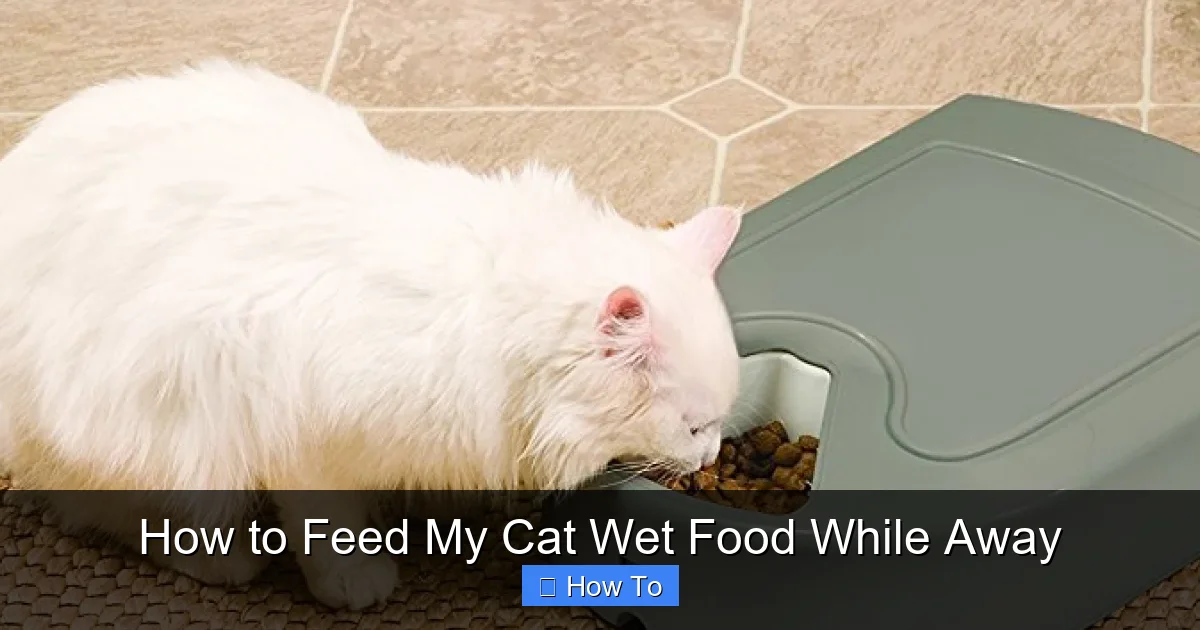
Leaving your cat alone doesn’t mean they have to miss out on fresh wet food. This guide covers reliable, vet-approved methods—from smart feeders to trusted pet sitters—so your feline stays happy, healthy, and well-fed while you’re away. Perfect for short trips or extended travel in 2026.
Key Takeaways
- Automated wet food feeders are game-changers: New 2026 models offer portion control, cooling, and app monitoring for safe, fresh meals.
- Pet sitters ensure consistency and care: A trusted human can maintain feeding routines, monitor health, and provide companionship.
- Freeze-dried or refrigerated wet food extends freshness: These options reduce spoilage risk and work well with timed feeders.
- Never leave open wet food out for more than 4 hours: Bacteria grow quickly at room temperature—safety first!
- Test your setup before traveling: Run a trial for 2–3 days to ensure your cat accepts the method and the equipment works reliably.
- Hydration matters: Always provide fresh water alongside wet food, especially if using automated systems.
- Plan for power outages or tech failures: Have a backup plan like a neighbor check-in or manual feeding option.
How to Feed My Cat Wet Food While Away
Leaving your cat behind when you travel can be stressful—especially if they’re used to daily wet food meals. Unlike dry kibble, wet food spoils quickly, can’t sit out for long, and often requires refrigeration. But thanks to smart technology, better food preservation, and thoughtful planning, feeding your cat wet food while you’re away is not only possible—it’s easier than ever in 2026.
Whether you’re heading out for a weekend getaway or a two-week vacation, this guide will walk you through the best, safest, and most practical ways to ensure your cat enjoys fresh, tasty wet food on schedule—no matter where you are. We’ll cover high-tech solutions like smart feeders, low-tech options like pet sitters, food storage tips, troubleshooting common issues, and how to prepare your cat (and your home) for your absence.
By the end of this guide, you’ll feel confident leaving your furry friend behind, knowing they’re well-fed, safe, and happy.
Why Wet Food Matters—And Why It’s Tricky When You’re Gone
Wet food is a favorite among cats—and for good reason. It’s highly palatable, packed with moisture (great for kidney and urinary health), and often closer to a cat’s natural diet than dry kibble. Many veterinarians recommend wet food as part of a balanced feline diet, especially for cats prone to dehydration or urinary tract issues.
But wet food comes with challenges when you’re not around to serve it fresh:
– It spoils quickly at room temperature—usually within 2–4 hours.
– It requires refrigeration after opening.
– Most cats prefer it served at room temperature or slightly warmed.
– Portion control is harder without human supervision.
That’s why simply leaving a bowl of wet food out before you leave isn’t safe or effective. Bacteria multiply rapidly in moist, protein-rich environments, and spoiled food can cause vomiting, diarrhea, or worse.
The good news? With the right tools and planning, you can replicate your cat’s normal feeding routine—even from hundreds of miles away.
Option 1: Use a Smart Wet Food Feeder (2026 Edition)
In 2026, smart pet feeders have evolved far beyond simple timers. Today’s models are designed specifically for wet food, with built-in cooling, portion control, app connectivity, and even camera monitoring. These devices are the closest thing to having you there to serve dinner.
How Smart Wet Food Feeders Work
Modern smart feeders use vacuum-sealed compartments or chilled trays to keep wet food fresh. You pre-load individual meals into the device, set feeding times via an app, and the feeder dispenses the correct portion at the right time. Some models even warm the food slightly before serving—just like you would.
Popular 2026 models include the PetTech ProFeed 5, WhiskerSafe CoolServe, and MeowMatic 360. These feeders typically hold 3–7 days’ worth of meals, depending on your cat’s portion size.
Step-by-Step: Setting Up a Smart Feeder
- Choose the right model: Look for features like ice packs or built-in refrigeration, app alerts, portion customization, and battery backup. Avoid feeders that only work with dry food.
- Prep the food in advance: Portion out each meal into the feeder’s trays the night before you leave. Use airtight containers if your model requires it.
- Set feeding times: Use the app to schedule meals at your cat’s usual times. Most cats eat twice a day, but adjust based on their routine.
- Test the feeder: Run a 2–3 day trial at home. Make sure your cat approaches the feeder, eats from it, and doesn’t get startled by the dispensing mechanism.
- Monitor remotely: Use the built-in camera and app notifications to check if your cat is eating. Some apps even let you record a voice message to play at mealtime.
Pro Tips for Smart Feeder Success
– Keep it familiar: Place the feeder in the same spot where your cat normally eats. Sudden changes can cause stress.
– Use familiar food: Stick to your cat’s regular brand and flavor. Avoid introducing new foods before travel.
– Check power and Wi-Fi: Ensure your home has stable electricity and internet. Choose a feeder with a battery backup (at least 24 hours).
– Clean thoroughly: Wash all parts after each use to prevent bacterial growth. Most 2026 models are dishwasher-safe.
Option 2: Hire a Pet Sitter or Ask a Trusted Friend
Sometimes, the best technology is human care. A pet sitter—whether a professional or a trusted neighbor—can provide the most natural feeding experience for your cat.
Why Pet Sitters Are Ideal for Wet Food
– They can serve food fresh, at the right temperature.
– They can monitor your cat’s appetite, behavior, and health.
– They provide companionship, reducing stress and anxiety.
– They can adjust portions or routines if needed (e.g., if your cat seems off).
How to Choose the Right Pet Sitter
- Ask for recommendations: Check with your vet, local pet groups, or apps like Rover or Care.com.
- Interview candidates: Ask about experience with cats, familiarity with wet food, and availability during your travel dates.
- Do a trial run: Have the sitter visit once or twice before you leave. Watch how they interact with your cat and follow your instructions.
- Provide clear instructions: Leave a detailed feeding schedule, food storage info, emergency contacts, and your vet’s number.
Sample Feeding Instructions for a Pet Sitter
“Feed Luna 1/2 can of Fancy Feast Salmon at 7 AM and 6 PM. Store opened cans in the fridge. Warm slightly in warm water before serving. Leave fresh water out at all times. If she doesn’t eat within 30 minutes, remove the food and try again at the next meal. Call me or the vet if she skips two meals in a row.”
Cost Considerations
Professional pet sitters typically charge $20–$40 per visit, depending on location and services. For a 5-day trip with two visits per day, expect to pay $200–$400. While more expensive than automated feeders, the peace of mind and personalized care are often worth it—especially for anxious or senior cats.
Option 3: Use Freeze-Dried or Refrigerated Wet Food
Not all wet food spoils at the same rate. In 2026, several innovative wet food formats are designed for longer shelf life and easier storage—perfect for travel scenarios.
Freeze-Dried Wet Food
Freeze-dried cat food retains the texture and nutrition of fresh wet food but doesn’t require refrigeration until rehydrated. Brands like Stella & Chewy’s, Primal, and The Honest Kitchen offer complete meals that you simply add water to before serving.
How to Use Freeze-Dried Food While Away
- Pre-portion meals: Measure out daily servings and store them in labeled, airtight containers.
- Leave instructions: Tell your pet sitter or neighbor to add warm water 10 minutes before serving.
- Use with a timed water dispenser: Some smart feeders now include hydration stations that add water automatically.
Refrigerated Wet Food (New in 2026)
A growing trend in 2026 is refrigerated wet food sold in grocery stores—similar to human deli meats. These products use natural preservatives and stay fresh for up to 7 days after opening when refrigerated. Brands like FreshFeline and CoolCat Cuisine offer pre-portioned trays that stay cold longer.
Tips for Using Refrigerated Wet Food
– Store in the fridge until the sitter arrives.
– Use within the recommended window (usually 5–7 days).
– Pair with a cooler bag or mini-fridge if power outages are a concern.
Option 4: Combine Methods for Maximum Safety
The smartest approach? Use a hybrid system. For example:
– Use a smart feeder for most meals.
– Have a pet sitter check in every 2–3 days to refresh water, clean litter, and ensure the feeder is working.
– Leave extra food and instructions in case of delays.
This combo gives you the convenience of automation with the reassurance of human oversight.
Preparing Your Cat (and Your Home) for Your Absence
Even the best feeding plan can fail if your cat is stressed or unprepared. Follow these steps to ensure a smooth transition.
1. Gradual Introduction
If you’re using a new feeder or food type, introduce it 1–2 weeks before you leave. Let your cat sniff, explore, and eat from it while you’re home. Reward with praise or treats to build positive associations.
2. Maintain Routine
Cats thrive on consistency. Keep feeding times, play sessions, and litter box cleaning as normal as possible in the days leading up to your trip.
3. Leave Familiar Scents
Leave an unwashed shirt or blanket with your scent. This can comfort your cat and reduce anxiety.
4. Secure the Environment
– Unplug non-essential electronics.
– Close off unsafe areas (e.g., laundry rooms, balconies).
– Ensure windows and doors are secure.
– Leave extra litter boxes (one per cat, plus one extra).
5. Provide Enrichment
Leave puzzle toys, cat trees, or window perches to keep your cat entertained. Bored cats are more likely to develop stress-related behaviors.
Troubleshooting Common Issues
Even with the best plans, things can go wrong. Here’s how to handle common problems.
Problem: Cat Won’t Eat from the Smart Feeder
Solution: Some cats are wary of new devices. Try placing a bit of tuna juice or treats near the feeder to lure them in. Gradually move the treats closer to the dispensing area. If resistance continues, switch to a pet sitter for that meal.
Problem: Feeder Malfunctions or Runs Out of Power
Solution: Always have a backup plan. Leave extra food with a neighbor or hire a sitter for emergency check-ins. Choose feeders with low-battery alerts and battery backups.
Problem: Food Spoils Despite Cooling
Solution: Don’t leave wet food out for more than 4 hours, even if chilled. Use smaller portions or switch to freeze-dried. Check that ice packs are frozen solid before loading.
Problem: Cat Seems Stressed or Stops Eating
Solution: Stress can suppress appetite. Ensure the feeding area is quiet and safe. If your cat skips meals for more than 24 hours, contact your vet—cats can develop serious liver issues if they don’t eat.
Final Tips for 2026 Travelers
– Check local pet tech trends: Some cities now offer pet concierge services that include feeding, grooming, and vet transport.
– Use pet insurance: Many 2026 plans cover emergency care while traveling, including remote vet consultations.
– Download pet apps: Apps like PetParent and FelineFirst let you track feeding, set reminders, and connect with local sitters.
– Pack a travel kit: Include extra food, a portable bowl, a cooling pack, and your cat’s medical records—just in case.
Conclusion
Feeding your cat wet food while away is no longer a guessing game. With today’s smart feeders, reliable pet sitters, and innovative food options, you can ensure your cat enjoys fresh, nutritious meals—even when you’re not there to serve them. The key is planning ahead, testing your method, and choosing a solution that fits your cat’s personality and your travel needs.
Whether you go high-tech with a 2026 smart feeder or opt for the warmth of human care, your cat will thank you with purrs and head bumps when you return. After all, a well-fed cat is a happy cat—and a happy cat makes for a stress-free trip.
So pack your bags with confidence. Your feline friend is in good hands.