
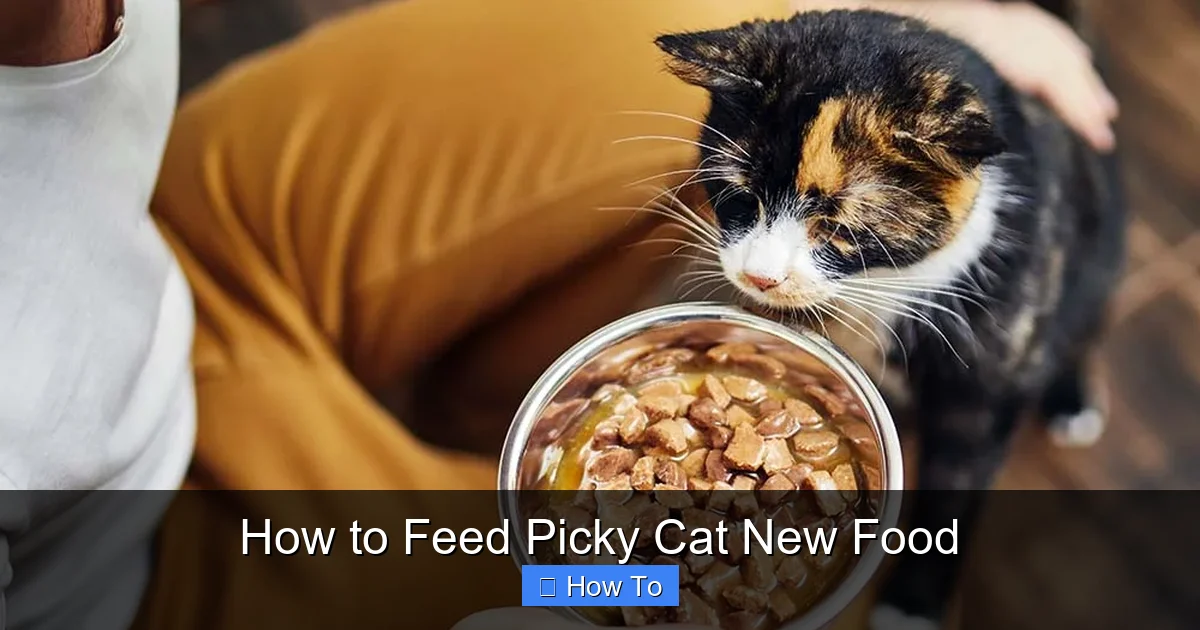
Is your cat turning up its nose at new food? This guide walks you through safe, effective strategies to transition even the pickiest felines in 2026. Discover expert-backed methods that reduce stress and boost acceptance.
Key Takeaways
- Gradual transition is essential: Mix new food with old over 7–14 days to avoid digestive upset and build familiarity.
- Warm the food slightly: Heating to body temperature (around 98–100°F) enhances aroma, making it more appealing to sensitive noses.
- Stick to a consistent feeding schedule: Cats thrive on routine—feed at the same times daily to reduce anxiety and encourage eating.
- Use positive reinforcement: Praise or reward your cat when they show interest in the new food to create positive associations.
- Choose high-quality, species-appropriate ingredients: Cats are obligate carnivores—look for real meat as the first ingredient and avoid fillers like corn or soy.
- Be patient and persistent: Some cats take weeks to accept change; don’t give up after just a few tries.
- Consult your vet if refusal persists: Long-term food avoidance could signal dental issues, illness, or allergies needing professional care.
How to Feed Picky Cat New Food: A Complete 2026 Guide
If you’ve ever stared into your cat’s judgmental eyes as they sniffed their dinner, turned away, and walked off like you’d served them cardboard, you’re not alone. In 2026, even with the most advanced pet nutrition science and gourmet cat food options on the market, picky eaters remain one of the top challenges for cat parents. Whether you’re switching brands, transitioning from wet to dry (or vice versa), or introducing a prescription diet, getting your finicky feline to accept new food can feel like a battle of wills.
But here’s the good news: with patience, strategy, and a little know-how, you can successfully feed your picky cat new food—without stress, digestive issues, or midnight meowing sessions. This comprehensive guide is designed for cat owners in 2026 who want science-backed, practical advice to make the transition smooth, safe, and successful.
You’ll learn why cats are naturally cautious eaters, how to read their cues, and step-by-step methods to introduce new food with confidence. Whether your cat is a senior with changing tastes, a kitten adjusting to solid food, or a lifelong food snob, these techniques will help you win the mealtime war—peacefully.
Why Are Cats So Picky About Food?
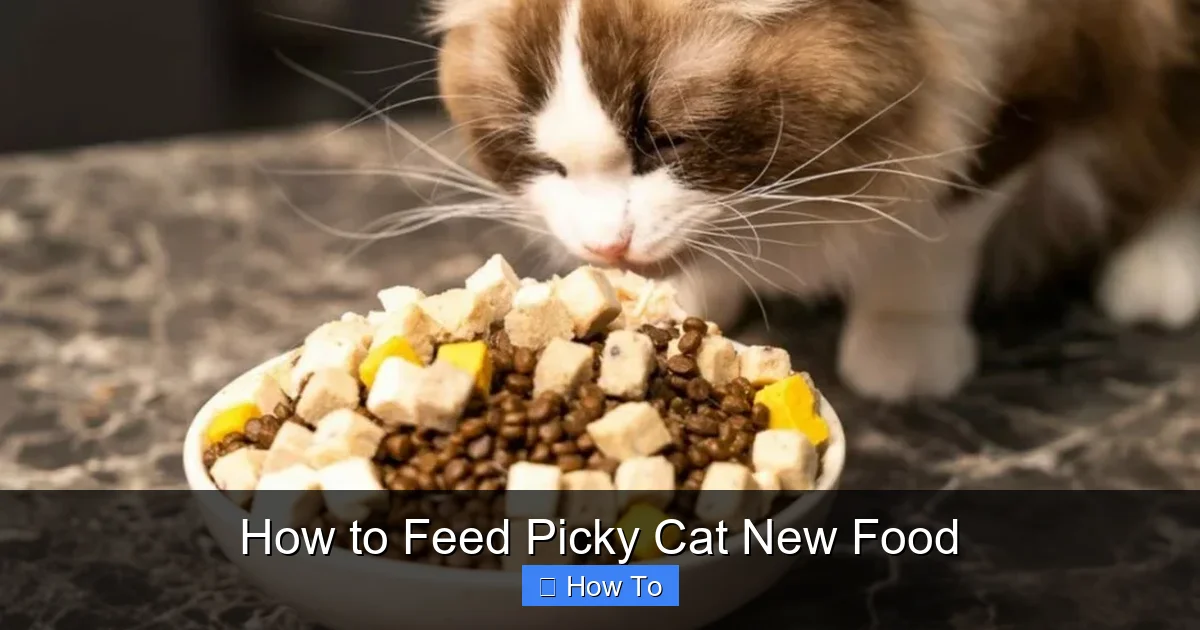
Visual guide about How to Feed Picky Cat New Food
Image source: cdn.kaipet.com
Before we dive into the how-to, it’s important to understand why cats can be so stubborn when it comes to eating. Unlike dogs, who often eat anything that smells vaguely edible, cats are obligate carnivores with highly specialized dietary needs and sensory preferences.
Evolutionary Instincts
Cats evolved as solitary hunters, relying on smell and taste to determine if food is safe. In the wild, eating spoiled or unfamiliar food could be deadly. This survival instinct remains strong in domestic cats—they’re naturally suspicious of new foods, especially if they don’t smell “right.”
Sensitive Senses
A cat’s sense of smell is 14 times stronger than a human’s. They also have taste receptors tuned specifically for amino acids like taurine, which are found in meat. If a food doesn’t smell meaty or familiar, they may reject it outright—even if it’s nutritionally perfect.
Routine Lovers
Cats are creatures of habit. They prefer consistency in texture, temperature, and feeding time. A sudden change—even a small one—can throw off their routine and trigger food refusal.
Health and Age Factors
Dental pain, gastrointestinal issues, or age-related changes in smell and taste can make eating uncomfortable. Senior cats, for example, may lose interest in food simply because they can’t smell it as well.
Understanding these factors helps you approach the transition with empathy—not frustration. Your cat isn’t being difficult on purpose. They’re just being a cat.
When Should You Switch Your Cat’s Food?
Not every food switch is necessary, but there are valid reasons to make a change in 2026:
- Age-related needs: Kittens, adults, and seniors have different nutritional requirements.
- Health conditions: Vet-prescribed diets for kidney disease, diabetes, or food allergies.
- Better ingredients: Upgrading to a higher-quality brand with real meat and no fillers.
- Texture preferences: Some cats prefer pâté over chunks, or wet over dry.
- Availability issues: Your usual brand is discontinued or hard to find.
Always consult your veterinarian before switching, especially if your cat has health issues. They can recommend the best type of food and help you avoid nutritional gaps.
Step-by-Step Guide to Feeding Picky Cats New Food
Now, let’s get into the actionable steps. Follow this proven method to transition your cat with minimal stress.
Step 1: Choose the Right New Food
Not all cat foods are created equal. In 2026, the market is flooded with options—grain-free, raw, freeze-dried, organic, vet-formulated—but not all are suitable for every cat.
- Look for real meat first: The first ingredient should be a named animal protein like “chicken,” “salmon,” or “turkey,” not “meat by-products” or “poultry meal.”
- Avoid fillers: Corn, soy, wheat, and artificial preservatives offer little nutritional value and can trigger allergies.
- Check for AAFCO compliance: This ensures the food meets minimum nutritional standards for your cat’s life stage.
- Consider texture and form: If your cat loves wet food, don’t switch to dry abruptly. Match the texture they prefer.
Pro Tip: If you’re unsure, ask your vet for a recommendation or try a small sample pack before committing to a full bag.
Step 2: Start the Transition Gradually
The golden rule of food transitions: slow and steady wins the race. A sudden switch can cause vomiting, diarrhea, or complete food refusal.
Use the 7–14 day gradual mix method:
- Days 1–3: 25% new food + 75% old food
- Days 4–6: 50% new food + 50% old food
- Days 7–9: 75% new food + 25% old food
- Days 10–14: 100% new food
Mix thoroughly and serve at room temperature or slightly warmed (more on that below).
Example: If you normally feed ½ cup per meal, start with ⅛ cup new food and ⅜ cup old food.
Step 3: Warm the Food Slightly
Cats are more likely to eat food that’s close to body temperature (around 98–100°F). Cold food from the fridge loses its aroma, which is a major turnoff.
- Take wet food out of the fridge 15–20 minutes before serving.
- Or, place the portion in a bowl and warm it in the microwave for 5–10 seconds (never overheat—test it first).
- Stir well to distribute heat and avoid hot spots.
Caution: Never microwave canned food in the can. Use a microwave-safe dish.
Warming enhances the smell of fats and proteins, making the food more enticing—especially for older cats with diminished senses.
Step 4: Maintain a Consistent Feeding Schedule
Cats thrive on routine. Feed at the same times every day—ideally twice daily for adults.
- Set a timer if needed.
- Avoid free-feeding (leaving food out all day), which can reduce motivation to try new meals.
- If your cat doesn’t eat within 20–30 minutes, remove the bowl and try again at the next scheduled meal.
Consistency reduces anxiety and helps your cat associate meal times with positive experiences.
Step 5: Use Positive Reinforcement
Turn mealtime into a positive experience.
- Praise your cat when they sniff or lick the new food.
- Offer a small treat after they eat, not before (to avoid spoiling their appetite).
- Sit nearby and talk softly—your presence can be comforting.
Avoid forcing or chasing your cat. Pressure increases stress and makes them more resistant.
Step 6: Experiment with Presentation
Sometimes, it’s not the food—it’s the bowl.
- Use a shallow, wide bowl to avoid whisker fatigue (when sensitive whiskers touch the sides).
- Try different materials: ceramic, stainless steel, or glass (avoid plastic, which can harbor bacteria and odors).
- Place the bowl in a quiet, low-traffic area away from litter boxes and loud appliances.
Some cats prefer eating alone. If you have multiple pets, feed them in separate rooms.
Step 7: Add Toppers or Enhancers (Sparingly)
If your cat is still hesitant, try a food topper to boost appeal.
- Bone broth (unsalted, no onions/garlic): Warm and pour over food.
- Freeze-dried meat treats: Crumble a small amount on top.
- Cat-safe gravy or sauce: Many brands offer flavor enhancers designed for picky eaters.
- Small bits of cooked chicken or tuna: Use only as a temporary lure.
Important: Toppers should be used temporarily and in small amounts. The goal is to get your cat to eat the new food, not rely on extras.
Step 8: Monitor and Adjust
Keep an eye on your cat’s behavior and health during the transition.
- Watch for vomiting, diarrhea, or lethargy—signs of digestive upset.
- Note appetite changes: Is your cat eating less? More? Ignoring meals?
- Weigh your cat weekly if possible—sudden weight loss is a red flag.
If problems persist beyond a few days, pause the transition and consult your vet.
Troubleshooting Common Problems
Even with the best plan, challenges can arise. Here’s how to handle them.
Problem: My Cat Won’t Eat Anything
This is serious. Cats can develop hepatic lipidosis (fatty liver disease) if they don’t eat for more than 2–3 days.
- Try different textures: switch from pâté to chunks or vice versa.
- Offer high-value foods like plain cooked chicken or baby food (check ingredients—no onion or garlic).
- Hand-feed small amounts or use a syringe (with vet guidance).
- Contact your vet immediately if refusal lasts more than 48 hours.
Problem: My Cat Eats a Little, Then Stops
This is common. They may be curious but not fully committed.
- Reduce portion size—smaller meals feel less intimidating.
- Serve fresh food at each meal—don’t leave it out too long.
- Try a different flavor or protein source (e.g., switch from chicken to duck).
Problem: My Cat Vomits After Eating
This could be due to eating too fast, food intolerance, or the transition being too quick.
- Slow down the transition—go back to a 75/25 mix for a few extra days.
- Feed smaller, more frequent meals.
- Rule out allergies with your vet.
Problem: My Cat Prefers the Old Food
Don’t give in completely—this reinforces picky behavior.
- Continue the gradual mix, even if it takes longer than 14 days.
- Some cats need 3–4 weeks to adjust.
- Avoid keeping the old food available—it becomes a fallback.
Special Considerations for 2026
The pet food landscape in 2026 includes exciting innovations—and new challenges.
Alternative Proteins
Insect-based, lab-grown, and plant-enhanced cat foods are gaining popularity. While some cats adapt well, others reject unfamiliar textures or smells. Introduce these slowly and monitor closely.
Smart Feeders and Apps
Many 2026 smart feeders allow portion control, scheduling, and even food temperature monitoring. Use them to maintain consistency and track eating habits.
Sustainability Concerns
Eco-conscious owners may choose sustainable brands. Just ensure the food still meets your cat’s nutritional needs—don’t sacrifice health for ethics.
Telehealth Vet Consults
If you’re struggling, many vets now offer virtual consultations. Share videos of your cat eating (or not eating) for personalized advice.
When to Call the Vet
Food refusal isn’t always behavioral. Seek professional help if:
- Your cat hasn’t eaten for more than 48 hours.
- They show signs of illness: vomiting, diarrhea, lethargy, weight loss.
- They chew but don’t swallow—could indicate dental pain.
- They eat but lose weight—possible thyroid or metabolic issue.
- You suspect a food allergy (itching, ear infections, digestive issues).
Your vet may recommend blood work, a dental exam, or a prescription diet trial.
Final Tips for Success
- Be patient: Some cats take weeks to adjust. Don’t rush.
- Stay calm: Your stress can transfer to your cat. Keep mealtime peaceful.
- Keep a food journal: Note what works, what doesn’t, and any reactions.
- Celebrate small wins: A sniff, a lick, a single bite—progress is progress.
- Love your cat unconditionally: Even the pickiest eater deserves patience and care.
Conclusion
Feeding a picky cat new food doesn’t have to be a nightmare. With the right approach—gradual transitions, sensory enhancements, consistency, and compassion—you can help your feline friend adapt safely and happily. Remember, every cat is unique. What works for one may not work for another, and that’s okay.
In 2026, we have more tools and knowledge than ever to support our pets’ health and happiness. Use this guide as your roadmap, stay flexible, and don’t hesitate to seek help when needed. Your cat’s well-being is worth the effort.
With time and tenderness, even the most finicky feline can learn to love their new meals.