
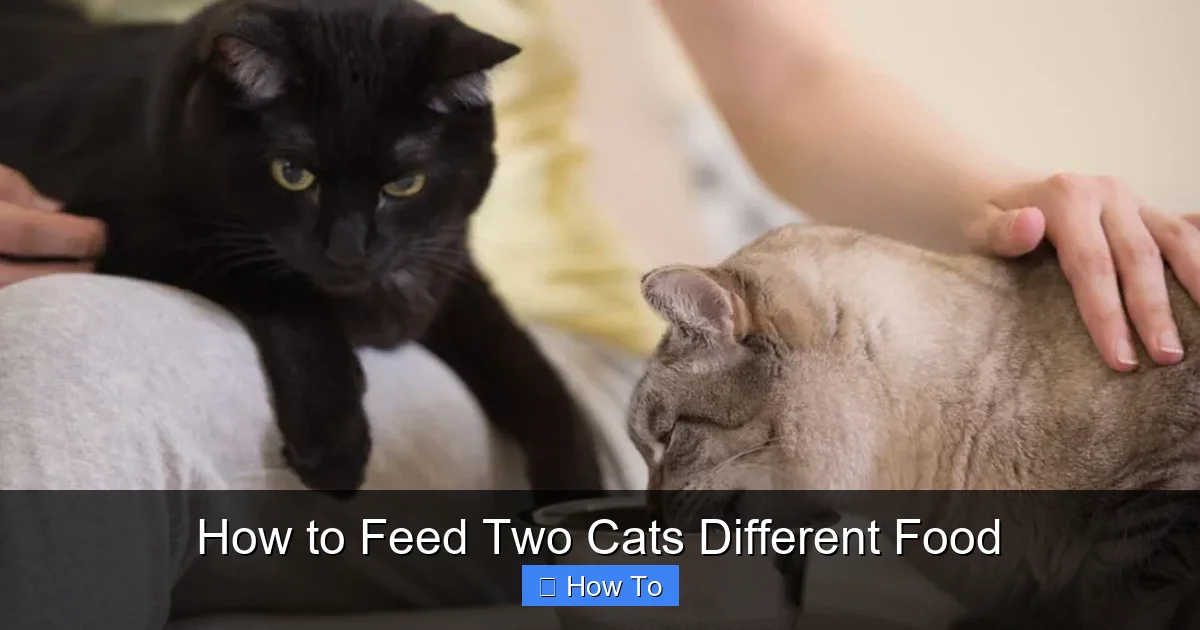
Feeding two cats different food doesn’t have to be stressful. This guide walks you through practical methods—from scheduled feeding to smart bowls—to ensure each cat gets the right diet without conflict or confusion.
Key Takeaways
- Understand why cats need different diets: Age, health, weight, and activity level can all require tailored nutrition.
- Use separate feeding zones: Designate quiet, safe spaces for each cat to eat without competition or stress.
- Invest in smart feeding technology: RFID-enabled bowls and app-controlled feeders help manage portion sizes and access.
- Stick to a consistent schedule: Routine reduces anxiety and helps you monitor each cat’s eating habits.
- Monitor behavior and health: Watch for signs of food guarding, weight changes, or digestive issues.
- Involve your vet in diet planning: Always consult a professional before making major dietary changes.
- Be patient during transitions: Gradual changes and positive reinforcement make mealtime smoother for both cats.
How to Feed Two Cats Different Food in 2026
If you’re a proud parent of two feline friends, you already know that cats aren’t one-size-fits-all. One might be a spry kitten with boundless energy, while the other is a senior cat with sensitive digestion. Or maybe one needs a weight-loss formula, and the other thrives on high-protein kibble. Whatever the case, feeding two cats different food can feel like a logistical puzzle—especially when they’re used to sharing everything, including their food bowls.
The good news? With the right strategy, tools, and a little patience, you can create a peaceful, stress-free mealtime routine that meets both cats’ nutritional needs. In this guide, we’ll walk you through everything you need to know about feeding two cats different food in 2026—from understanding why their diets differ to using the latest smart feeding tech and troubleshooting common issues.
Whether you’re dealing with picky eaters, food aggression, or just want to ensure each cat gets the right nutrients, this step-by-step guide will help you feed your cats with confidence and care.
Why Do Cats Need Different Food?
Before diving into feeding methods, it’s important to understand why your two cats might need different diets. Cats are obligate carnivores, meaning they require a diet rich in animal protein. But beyond that, their nutritional needs can vary significantly based on several factors.

Visual guide about How to Feed Two Cats Different Food
Image source: imgcdn.stablediffusionweb.com
Age and Life Stage
Kittens, adult cats, and seniors all have different nutritional requirements. Kittens need more calories, fat, and protein to support growth, while senior cats may benefit from lower-calorie, joint-supporting formulas. Feeding a senior cat kitten food, for example, could lead to weight gain and health issues.
Health Conditions
Certain medical conditions—like kidney disease, diabetes, or food allergies—require specialized diets. A cat with urinary tract issues might need a prescription diet, while another with sensitive skin could benefit from a hypoallergenic formula. Always follow your vet’s recommendations for medical diets.
Weight and Activity Level
An overweight indoor cat may need a weight-management formula, while an active outdoor cat might require more calories. Feeding both the same food could result in one cat gaining weight and the other not getting enough energy.
Breed and Size
Some breeds, like Maine Coons or Persians, may have unique dietary needs due to size or coat type. Larger cats often need more taurine and joint support, while long-haired breeds benefit from added omega fatty acids for coat health.
Personal Preferences and Digestion
Just like people, cats have preferences. One might love wet food, while the other refuses anything but kibble. Some cats have sensitive stomachs and need easily digestible ingredients, while others can eat almost anything without issue.
Understanding these differences is the first step to feeding your cats appropriately. Once you know why their diets differ, you can create a feeding plan that works for both.
Step 1: Consult Your Veterinarian
Before making any changes to your cats’ diets, schedule a visit with your veterinarian. This is especially important if one or both cats have health issues or you’re considering prescription diets.
Get a Nutritional Assessment
Your vet can assess each cat’s body condition, weight, and overall health to recommend the best food type, portion size, and feeding frequency. They may also suggest blood work or other tests to identify underlying issues.
Discuss Diet Transitions
If you’re switching from one food to another, your vet can guide you on how to do it safely. Sudden changes can cause digestive upset, so a gradual transition over 7–10 days is usually recommended.
Ask About Prescription Diets
If one cat needs a therapeutic diet (e.g., for kidney support or allergies), your vet can prescribe the right formula and explain how to manage it alongside your other cat’s regular food.
Your vet is your best ally in creating a feeding plan that supports both cats’ long-term health. Don’t skip this step—even if your cats seem perfectly healthy.
Step 2: Choose the Right Feeding Method
Once you know what each cat needs to eat, it’s time to decide how to feed them. There are several effective methods, and the best one for you depends on your cats’ personalities, your schedule, and your budget.
Option 1: Separate Feeding Zones
The simplest and most reliable method is to feed your cats in different rooms or areas of your home. This prevents food guarding, reduces stress, and ensures each cat eats only their own food.
- Choose quiet, low-traffic areas: Cats prefer to eat in calm, private spaces. Avoid feeding near litter boxes, loud appliances, or busy hallways.
- Use baby gates or closed doors: If your cats are curious or competitive, a physical barrier can help keep them separated during meals.
- Supervise at first: Stay nearby during the first few feedings to make sure each cat stays in their zone and doesn’t try to sneak over.
Example: Feed your senior cat in the bedroom with the door closed, and your kitten in the kitchen. Use a timer to signal mealtime so both know when to expect food.
Option 2: Scheduled Feeding
Instead of free-feeding (leaving food out all day), switch to scheduled meals. This gives you more control over what and how much each cat eats.
- Feed at the same times daily: Cats thrive on routine. Try feeding twice a day—once in the morning and once in the evening.
- Use timers or alarms: Set a phone alarm or smart speaker reminder so you never miss a meal.
- Remove uneaten food after 20–30 minutes: This prevents one cat from sneaking in later and eating the other’s food.
Scheduled feeding also helps you monitor appetite changes, which can be an early sign of illness.
Option 3: Smart Feeding Technology
In 2026, smart feeders are more advanced and accessible than ever. These devices can help you manage different diets with precision and convenience.
- RFID-enabled bowls: These bowls recognize your cat’s microchip or collar tag and only open for the correct cat. Brands like SureFeed and PetSafe offer models that work with multiple pets.
- App-controlled feeders: Devices like the Petnet SmartFeeder or Wopet allow you to schedule meals, control portions, and monitor eating habits from your phone.
- Camera-integrated feeders: Some models include HD cameras and two-way audio, so you can watch your cats eat and even talk to them remotely.
Smart feeders are ideal for busy households or multi-cat homes where manual supervision isn’t always possible. While they require an upfront investment, they can save time and reduce stress in the long run.
Option 4: Hand-Feeding or Supervised Meals
For cats with strong food preferences or behavioral issues, hand-feeding or close supervision may be necessary—at least temporarily.
- Feed one cat at a time: Start with the more dominant or food-motivated cat, then feed the other once the first is done.
- Use treats as rewards: Praise and reward each cat after they eat their own food to reinforce positive behavior.
- Gradually increase distance: Over time, you can move the bowls farther apart as your cats learn to eat independently.
This method works well during transitions or when introducing new food. It’s more time-consuming but can be very effective.
Step 3: Create a Feeding Routine
Consistency is key when feeding two cats different food. A predictable routine helps reduce anxiety, prevents overeating, and makes it easier to spot changes in behavior or appetite.
Set a Daily Schedule
Decide on feeding times that fit your lifestyle. Most cats do well with two meals a day, spaced about 12 hours apart. For example:
- 7:00 AM – Morning meal
- 7:00 PM – Evening meal
If you work long hours, consider using an automatic feeder for one or both meals.
Prepare Meals in Advance
To save time and reduce stress, portion out each cat’s food the night before. Use labeled containers or scoop directly into their bowls and cover them until mealtime.
For wet food, store portions in the fridge and warm them slightly before serving—most cats prefer food at room temperature.
Use Visual and Auditory Cues
Cats are smart and learn routines quickly. Use the same bowl, the same spot, and even the same sound (like shaking the kibble bag) to signal mealtime.
Example: Every morning, shake the kibble bag and say, “Breakfast time!” Your cats will start to associate the sound and phrase with food.
Rotate Feeding Locations (Optional)
If your cats are curious or competitive, try rotating their feeding spots every few days. This can prevent one cat from claiming a “prime” eating location and reduce territorial behavior.
Just make sure each location is quiet, safe, and free from distractions.
Step 4: Monitor and Adjust
Even the best feeding plan may need tweaks over time. Regular monitoring helps you catch problems early and ensure both cats are thriving.
Watch for Food Guarding
Some cats become protective of their food, especially if they’ve had to compete in the past. Signs include growling, hissing, or blocking access to the bowl.
- Increase distance between bowls: Move them farther apart or feed in separate rooms.
- Use positive reinforcement: Reward calm behavior with treats or praise.
- Consult a behaviorist: If aggression persists, a certified cat behaviorist can help.
Track Eating Habits
Note how much each cat eats at every meal. A sudden increase or decrease in appetite can signal health issues.
Use a simple log or a feeding app to record portions and times. Many smart feeders do this automatically.
Weigh Your Cats Regularly
Use a pet scale or visit your vet for regular weigh-ins. Weight changes can indicate whether a diet is working or if adjustments are needed.
For example, if your overweight cat isn’t losing weight on a diet food, you may need to reduce portion sizes or increase activity.
Check for Digestive Issues
Vomiting, diarrhea, or constipation can be signs of food intolerance or illness. If symptoms persist, contact your vet.
Keep a food diary to track which foods cause issues. This can help your vet diagnose allergies or sensitivities.
Troubleshooting Common Problems
Even with the best plan, challenges can arise. Here’s how to handle some common issues when feeding two cats different food.
One Cat Keeps Eating the Other’s Food
This is one of the most frequent problems. Solutions include:
- Feed at different times: Feed the more food-motivated cat first, then the other once the first is done.
- Use elevated feeding stations: Some cats prefer eating off the ground. Try a cat tree or shelf for one cat.
- Install a microchip bowl: Only the correct cat can access their food.
Cats Refuse to Eat Their Assigned Food
If a cat turns up their nose at their new diet, try these tips:
- Mix with familiar food: Gradually increase the ratio of new food over 7–10 days.
- Add warm water or broth: This enhances aroma and flavor, making the food more appealing.
- Try different textures: Some cats prefer pate, others chunks in gravy. Experiment to find what they like.
Stress or Anxiety During Meals
Mealtime should be calm and enjoyable. If your cats seem stressed:
- Reduce noise and distractions: Turn off TVs, close doors, and avoid loud conversations.
- Use pheromone diffusers: Products like Feliway can help reduce anxiety.
- Feed in separate rooms: Even if they’re not aggressive, some cats feel uneasy eating near others.
One Cat Is Overeating
If one cat is gaining weight while the other is underweight, adjust portions and feeding methods:
- Use a timed feeder: Limit how long food is available.
- Increase playtime: Encourage exercise to burn extra calories.
- Switch to a high-fiber diet: This helps cats feel full longer.
Tips for Long-Term Success
Feeding two cats different food is a long-term commitment. Here are some final tips to keep things running smoothly.
Stay Consistent
Cats thrive on routine. Stick to the same feeding times, locations, and methods as much as possible.
Involve the Whole Family
Make sure everyone in the household knows the feeding plan. Post a schedule on the fridge or use a shared digital calendar.
Keep Bowls Clean
Wash food and water bowls daily to prevent bacteria buildup and keep food tasting fresh.
Rotate Toys and Enrichment
Bored cats may overeat. Provide puzzle feeders, interactive toys, and regular play sessions to keep them mentally and physically active.
Reassess Regularly
As your cats age or their health changes, their dietary needs may shift. Schedule annual vet checkups and adjust their diets as needed.
Conclusion
Feeding two cats different food doesn’t have to be a daily battle. With a clear plan, the right tools, and a little patience, you can ensure both of your feline friends get the nutrition they need—without stress or conflict.
Start by understanding why their diets differ, consult your vet, and choose a feeding method that fits your lifestyle. Whether you use separate rooms, smart feeders, or hand-feeding, consistency and observation are key. Monitor their behavior, adjust as needed, and don’t hesitate to seek professional help if challenges arise.
In 2026, with advances in pet technology and a deeper understanding of feline nutrition, feeding two cats different food is more manageable than ever. Your cats deserve the best care, and with this guide, you’re well on your way to providing it—one meal at a time.