

Switching to wet food can boost your cat’s hydration, support kidney health, and improve overall well-being. This guide walks you through every step—from choosing the right formula to storing leftovers safely—so you can feed wet food with confidence in 2026.
Key Takeaways
- Wet food increases hydration: Cats naturally drink less water, so wet food (70–80% moisture) helps prevent urinary and kidney issues.
- Transition gradually: Mix wet food with dry kibble over 7–10 days to avoid digestive upset and help your cat adjust.
- Portion control is key: Feed age- and weight-appropriate amounts to prevent obesity or underfeeding—most adult cats need 3–5 oz per day.
- Serve at room temperature: Cats prefer food slightly warmer than fridge-cold; it enhances aroma and palatability.
- Store properly: Refrigerate opened cans for up to 5 days in airtight containers; never leave uneaten food out for more than 2 hours.
- Choose high-quality ingredients: Look for real meat as the first ingredient, minimal fillers, and no artificial additives.
- Monitor your cat’s response: Watch for changes in energy, coat condition, litter box habits, and appetite to ensure the diet suits them.
How to Feed Wet Food to Your Cat: A Complete 2026 Guide
If you’re thinking about switching your cat to wet food—or you’ve just started and aren’t sure you’re doing it right—you’re in the right place. In 2026, more pet parents than ever are choosing wet food for their feline friends, and for good reason. Not only does it mimic a cat’s natural prey-based diet, but it also supports better hydration, healthier kidneys, and improved digestion.
But feeding wet food isn’t as simple as opening a can and plopping it in the bowl. There’s timing, temperature, storage, portioning, and even psychology involved. Some cats are picky. Others have sensitive stomachs. And if you’re used to free-feeding dry kibble, the shift to scheduled wet meals can feel confusing.
This guide will walk you through everything you need to know—step by step—so you can feed wet food confidently, safely, and effectively. Whether you’re transitioning from dry food, mixing both, or going 100% wet, we’ve got you covered.
By the end of this guide, you’ll know how to choose the best wet food, introduce it gently, serve it properly, store leftovers safely, and troubleshoot common issues. Let’s get started!
Why Wet Food? The Benefits for Your Cat in 2026
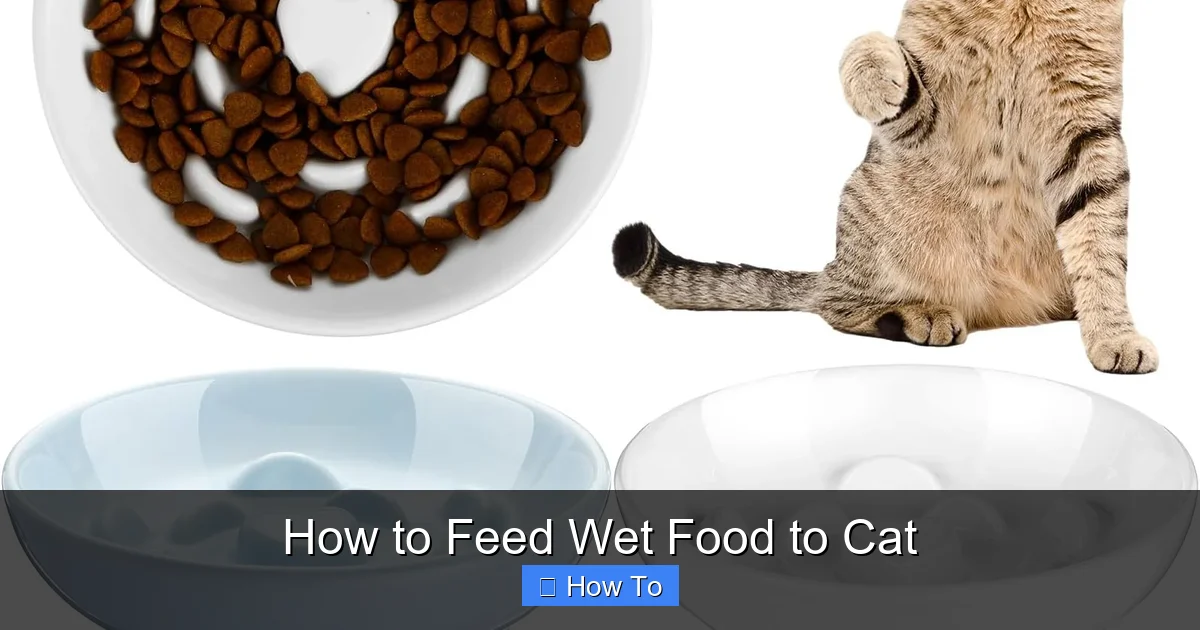
Visual guide about How to Feed Wet Food to Cat
Image source: m.media-amazon.com
Before we dive into the “how,” let’s talk about the “why.” Why are so many veterinarians and pet nutritionists recommending wet food in 2026?
Cats are obligate carnivores, meaning their bodies are designed to thrive on animal-based proteins and fats. In the wild, they get most of their moisture from prey—not from drinking water. Domestic cats, however, often don’t drink enough, which can lead to chronic dehydration, urinary tract infections, and kidney disease.
Wet food solves this problem. With a moisture content of 70–80%, it dramatically increases your cat’s water intake without them even realizing it. This is especially important for older cats or those with a history of urinary issues.
But hydration isn’t the only benefit. Wet food is typically higher in protein and lower in carbohydrates than dry kibble. This aligns better with a cat’s natural metabolism. It can also help with weight management—many wet foods are less calorie-dense, making it easier to control portions and prevent obesity.
In 2026, pet food science has advanced significantly. Many wet foods now include added taurine, omega-3 fatty acids, probiotics, and even functional ingredients like glucosamine for joint health. Some brands offer grain-free, limited-ingredient, or even vet-formulated recipes for cats with allergies or medical conditions.
So whether you’re feeding wet food for health, taste, or convenience, you’re making a smart choice—as long as you do it right.
Step 1: Choose the Right Wet Food for Your Cat
Not all wet food is created equal. With hundreds of brands and formulas on the market in 2026, it’s important to choose one that meets your cat’s specific needs.
Look for High-Quality Ingredients
Start by reading the label. The first ingredient should be a named animal protein—like “chicken,” “salmon,” or “turkey”—not “meat by-products” or “animal digest.” Avoid foods with excessive fillers like corn, wheat, soy, or artificial colors and preservatives.
In 2026, many top brands use human-grade ingredients and transparent sourcing. Look for certifications like AAFCO (Association of American Feed Control Officials) compliance, which ensures the food meets nutritional standards for your cat’s life stage (kitten, adult, senior).
Consider Your Cat’s Age and Health
Kittens need more calories and nutrients for growth, so choose a formula labeled for “growth” or “kitten.” Senior cats may benefit from lower-phosphorus diets to support kidney function. Cats with diabetes or obesity should avoid high-carb recipes.
If your cat has allergies or sensitivities, consider limited-ingredient diets (LID) with novel proteins like duck, rabbit, or venison. Always consult your vet before switching to a therapeutic or prescription diet.
Texture Matters
Cats have preferences—some love pâté, others prefer chunks in gravy or shredded meat. If your cat is picky, try a few different textures to see what they like. Many brands offer sample packs or small cans to test before committing.
Check the Calorie Count
Wet food varies in calorie density. A 3-oz can might have 70 calories or 120—so always check the label. This is crucial for portion control, which we’ll cover next.
Step 2: Determine the Right Portion Size
Overfeeding or underfeeding can lead to health problems, so getting portions right is essential.
Use the Feeding Guidelines as a Starting Point
Most wet food cans include feeding guidelines based on your cat’s weight. For example, a 10-pound adult cat might need about 5–6 ounces of wet food per day, split into two meals.
But these are just estimates. Your cat’s activity level, metabolism, age, and health status all play a role.
Adjust Based on Your Cat’s Body Condition
Feel your cat’s ribs—you should be able to feel them with a slight fat cover, but not see them. If your cat is gaining weight, reduce portions slightly. If they’re losing weight or seem hungry all the time, increase a bit.
Use a kitchen scale for accuracy. Measuring by volume (like “half a can”) can be inconsistent because can sizes and densities vary.
Split Into Multiple Meals
Cats are natural grazers and prefer several small meals throughout the day. Most experts recommend feeding wet food 2–3 times daily. This also helps prevent spoilage—uneaten food should be discarded after 2 hours at room temperature.
Step 3: Transition Gradually from Dry to Wet Food
If your cat has been eating dry food, don’t switch overnight. A sudden change can cause digestive upset, including diarrhea or vomiting.
Start with a 7–10 Day Transition
Begin by mixing a small amount of wet food into their regular dry kibble. Use this schedule as a guide:
- Days 1–2: 75% dry food, 25% wet food
- Days 3–4: 50% dry, 50% wet
- Days 5–6: 25% dry, 75% wet
- Day 7+: 100% wet food (if desired)
Some cats adjust faster; others take longer. Go at your cat’s pace. If they refuse the mix, try warming the wet food slightly or adding a sprinkle of tuna juice to entice them.
Be Patient with Picky Eaters
If your cat turns up their nose, don’t give up. Try different flavors, brands, or textures. Some cats prefer fish, others poultry. You can also try topping the wet food with a few pieces of their favorite dry kibble for familiarity.
Consider a Hybrid Approach
Not all cats need to go 100% wet. Many pet parents in 2026 use a combination: wet food for meals and dry for grazing or dental health. This can be a great compromise, especially if your cat loves their kibble.
Step 4: Serve Wet Food Properly
How you serve wet food matters just as much as what you serve.
Warm It Slightly
Cats have a highly developed sense of smell, and they prefer food at body temperature (around 98–100°F). Cold food from the fridge can be less appealing.
To warm wet food, place the portion in a small bowl and let it sit at room temperature for 10–15 minutes. Or, place the bowl in a larger container of warm (not hot) water for a few minutes. Never microwave pet food—it can create hot spots that burn your cat’s mouth.
Use Clean Bowls
Wash your cat’s food and water bowls daily with hot, soapy water. Bacteria can grow quickly, especially in moist environments. Some cats are sensitive to plastic, which can harbor odors and cause chin acne. Consider stainless steel or ceramic bowls instead.
Serve in a Quiet, Safe Space
Cats prefer to eat in a calm, low-traffic area. Avoid placing the bowl near the litter box, washing machine, or loud appliances. If you have multiple cats, feed them separately to reduce competition and stress.
Step 5: Store Leftovers Safely
One of the biggest challenges with wet food is storage. Unlike dry kibble, wet food spoils quickly once opened.
Refrigerate Promptly
If your cat doesn’t finish their meal, cover the remaining food and refrigerate it immediately. Use an airtight container or press plastic wrap directly onto the surface to prevent drying and odor absorption.
Use Within 5 Days
Most experts recommend using refrigerated wet food within 3–5 days. Label the container with the date you opened it. If the food smells sour, looks slimy, or has changed color, throw it out.
Don’t Leave Food Out Too Long
Never leave uneaten wet food at room temperature for more than 2 hours—especially in warm weather. Bacteria like Salmonella and E. coli can grow rapidly, putting your cat (and your family) at risk.
If your cat is a slow eater, consider feeding smaller portions more frequently, or use a timed feeder that removes the bowl after a set time.
Step 6: Monitor Your Cat’s Response
After switching to wet food, keep an eye on your cat’s health and behavior.
Watch for Digestive Changes
Some cats experience loose stools or gas during the transition. This usually resolves within a few days. If symptoms persist for more than a week, consult your vet—it could indicate a food intolerance.
Check Hydration and Urination
One of the best signs that wet food is working is increased urination. Your cat should be using the litter box more frequently, and the urine should be pale yellow (not dark or concentrated). This indicates better hydration.
Observe Energy and Coat Condition
A healthy diet shows in your cat’s energy levels and coat. Look for shiny fur, clear eyes, and playful behavior. If your cat seems lethargic or their coat becomes dull, it might be time to reassess the food.
Weigh Your Cat Regularly
Use a pet scale or weigh yourself holding your cat, then subtract your weight. Track changes monthly. Sudden weight loss or gain could signal an underlying issue.
Troubleshooting Common Wet Food Feeding Issues
Even with the best planning, problems can arise. Here’s how to handle the most common ones.
My Cat Won’t Eat Wet Food
This is the #1 complaint among new wet food feeders. Try these tips:
- Warm the food slightly to enhance aroma.
- Add a topper like freeze-dried chicken or a splash of tuna juice.
- Mix in a small amount of their favorite dry food.
- Offer different flavors and textures—some cats hate fish, others love it.
- Hand-feed a few bites to build positive associations.
If your cat still refuses after 2–3 weeks, consult your vet. Dental pain or medical issues could be the cause.
My Cat Gets Diarrhea After Switching
This is usually due to a too-fast transition. Slow down the process and give your cat’s gut time to adapt. You can also try adding a probiotic designed for cats to support digestive health.
Food Spoils Before My Cat Eats It
If your cat is a slow eater, feed smaller portions more often. Or, use a timed feeder that removes the bowl after 30–60 minutes. You can also freeze portions in ice cube trays for single-serving meals—just thaw in the fridge before serving.
My Cat Gains Weight on Wet Food
Even though wet food is often lower in calories, overfeeding can still lead to obesity. Double-check portion sizes and limit treats. Some cats eat out of boredom—try interactive feeders or puzzle toys to slow eating and stimulate their minds.
Multiple Cats, Different Diets
If one cat needs a special diet (e.g., kidney support) and another doesn’t, feed them in separate rooms. Use microchip-activated feeders that only open for the right cat. This ensures each pet gets the correct food without stress.
Final Tips for Success in 2026
Feeding wet food in 2026 is easier than ever, thanks to innovations in packaging, formulation, and feeding technology. Here are a few final tips to make it seamless:
- Try subscription services: Many brands now offer auto-delivery of wet food, so you never run out.
- Use smart feeders: Wi-Fi-enabled bowls can track eating habits, send alerts, and even dispense food on schedule.
- Rotate flavors: Prevent food fatigue by rotating between 2–3 different recipes. This also reduces the risk of developing allergies.
- Stay consistent: Cats thrive on routine. Feed at the same times each day to reduce anxiety and digestive issues.
- Consult your vet annually: Even with the best diet, regular check-ups ensure your cat stays healthy.
Conclusion
Feeding wet food to your cat in 2026 is one of the best things you can do for their long-term health. It supports hydration, digestion, weight management, and overall vitality. But success depends on doing it right—choosing quality food, transitioning slowly, serving properly, and storing safely.
Remember, every cat is unique. What works for one may not work for another. Be patient, observant, and flexible. With time and care, your cat will thrive on their new diet.
So go ahead—open that can, warm it up, and watch your feline friend enjoy every bite. You’re not just feeding them food. You’re giving them the gift of better health, one meal at a time.