

Feeding your cat nutritious food doesn’t have to break the bank. This guide shows you practical, budget-friendly ways to choose quality ingredients, compare brands, and even make homemade meals—without sacrificing your cat’s health or your wallet.
Key Takeaways
- Prioritize protein: Look for real meat as the first ingredient—cats are obligate carnivores and need high-protein diets to thrive.
- Compare cost per ounce: Cheaper bags aren’t always better; calculate price per ounce to find true value in wet and dry food.
- Buy in bulk wisely: Stock up during sales or use warehouse clubs, but only if you can store food properly to avoid spoilage.
- Supplement with homemade meals: Simple, vet-approved recipes using affordable ingredients like chicken and pumpkin can stretch your budget.
- Use loyalty programs and coupons: Sign up for pet store rewards, manufacturer rebates, and cashback apps to save consistently.
- Avoid fillers and by-products: Corn, soy, and unnamed meat by-products offer little nutrition and may harm long-term health.
- Consult your vet before switching diets: Sudden changes or homemade diets need professional guidance to ensure balanced nutrition.
Introduction: Good Food Doesn’t Have to Be Expensive
As a cat parent in 2026, you want the best for your furry friend—especially when it comes to food. But with rising costs and endless options at the pet store, it’s easy to feel overwhelmed. The good news? You can feed your cat high-quality, nutritious meals without draining your wallet. This guide will walk you through practical, proven strategies to choose healthy food, stretch your budget, and keep your cat happy and healthy.
Whether you’re feeding a kitten, an adult, or a senior cat, the principles remain the same: prioritize real ingredients, avoid unnecessary fillers, and make smart purchasing decisions. We’ll cover everything from reading labels like a pro to making simple homemade meals, all while keeping costs low. By the end, you’ll feel confident feeding your cat well—on any budget.
Step 1: Understand What “Good Food” Really Means
Before you can save money, you need to know what makes cat food truly nutritious. Not all kibble or cans are created equal. In 2026, pet food labeling has become more transparent, but confusion still exists. Here’s how to cut through the noise.
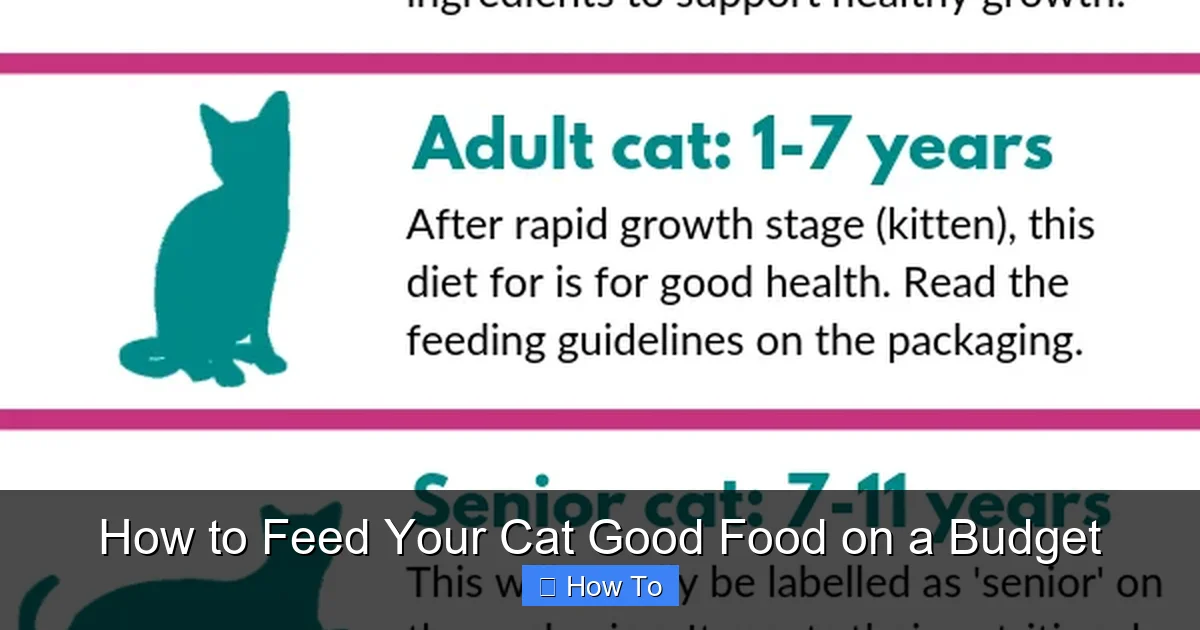
Visual guide about How to Feed Your Cat Good Food on a Budget
Image source: pdsa.org.uk
Look for Real Meat as the First Ingredient
Cats are obligate carnivores, which means they need meat to survive. Their bodies are designed to digest and thrive on animal protein. When reading a label, the first ingredient should be a named meat source—like “chicken,” “turkey,” or “salmon”—not “meat meal” or “by-product meal.”
For example, a can that lists “chicken” first is better than one that starts with “corn gluten meal” or “brewers rice.” These plant-based ingredients are fillers that offer little nutritional value to cats.
Avoid Common Fillers and Artificial Additives
Many budget brands load their food with corn, soy, wheat, and artificial preservatives like BHA or BHT. These ingredients are cheap for manufacturers but can cause allergies, digestive issues, or long-term health problems in cats.
Instead, look for foods with minimal, recognizable ingredients. Natural preservatives like mixed tocopherols (a form of vitamin E) are safer and healthier.
Check the Protein and Fat Content
A good cat food should have at least 30% protein and 9% fat on a dry matter basis. To calculate dry matter, ignore the moisture content in wet food. For example, if a can says 78% moisture and 10% protein, the dry matter protein is about 45%—which is excellent.
Use this simple formula:
(Protein % ÷ (100 – Moisture %)) × 100 = Dry Matter Protein %
This helps you compare wet and dry foods fairly.
Step 2: Compare Prices Smartly—Don’t Just Buy the Cheapest Bag
It’s tempting to grab the lowest-priced option, but that can backfire. A $10 bag of kibble might seem like a steal—until you realize it’s mostly corn and your cat needs to eat twice as much to feel full.
Calculate Cost Per Ounce
To find real value, compare the cost per ounce (or per can). Here’s how:
- Find the total weight of the package (e.g., 15 lbs = 240 oz).
- Divide the price by the total ounces.
- Example: A $25 bag of 15 lbs kibble = $25 ÷ 240 oz = ~$0.10 per ounce.
Do this for wet food too. A $1.50 can of 5.5 oz food costs about $0.27 per ounce. At first glance, dry food seems cheaper—but remember, wet food has higher moisture and often better ingredients.
Consider Feeding Efficiency
High-quality food is more digestible, so your cat absorbs more nutrients and eats less. A cat on premium food might eat 3 oz per day, while one on cheap food eats 5 oz. Over time, the “cheap” option can cost more.
Also, better food means fewer vet bills. Cats on poor diets are more prone to obesity, diabetes, and urinary tract issues—conditions that cost hundreds to treat.
Step 3: Shop Smart—Where and When to Buy
Knowing what to buy is only half the battle. The other half is knowing where and when to buy it. With a few smart strategies, you can save 20–40% on quality cat food.
Use Warehouse Clubs and Bulk Retailers
Stores like Costco, Sam’s Club, and BJ’s Wholesale offer large bags of reputable brands at lower per-unit costs. In 2026, many of these clubs carry premium lines like Wellness, Blue Buffalo, and Purina Pro Plan.
Tip: Split a large bag with a friend or neighbor to avoid spoilage. Store unused portions in airtight containers in a cool, dry place.
Sign Up for Loyalty Programs and Rewards
Pet stores like Chewy, Petco, and PetSmart offer free loyalty programs that give you points, discounts, and early access to sales. Chewy’s Autoship program gives 5–10% off recurring orders and free shipping.
Also, check manufacturer websites. Brands like Royal Canin and Hill’s Science Diet often have digital coupons, rebates, or free sample offers.
Shop During Sales and Use Cashback Apps
Major sales happen around holidays like Black Friday, Memorial Day, and Back-to-School season. Stock up during these times—but only on food your cat already eats and likes.
Use cashback apps like Rakuten, Ibotta, or Fetch Rewards. These apps give you money back on pet food purchases at participating stores. In 2026, many apps now integrate directly with grocery and pet store loyalty accounts.
Consider Online Subscriptions
Online pet food delivery services like Chewy, Amazon Subscribe & Save, and PetPlate offer discounts for recurring orders. Amazon’s program gives up to 15% off when you subscribe to five or more items.
Plus, you save time and gas—no more last-minute runs to the store when you’re down to the last can.
Step 4: Make Homemade Meals (Safely and Affordably)
Homemade cat food can be a budget-friendly way to control ingredients and reduce costs—if done correctly. But it’s not as simple as cooking chicken and calling it a day. Cats have unique nutritional needs that must be met.
Why Homemade Can Save Money
Buying whole chicken thighs, ground turkey, or canned sardines in bulk can be cheaper than premium canned food. A whole chicken from a discount grocer costs around $1.50 per pound—much less than $2–$3 per can of high-end wet food.
Plus, you avoid packaging waste and can tailor meals to your cat’s preferences or allergies.
Essential Nutrients You Can’t Skip
Cats need specific nutrients that aren’t found in meat alone:
- Taurine: Essential for heart and eye health. Found in meat, but cooking can destroy it. Supplement with vet-approved taurine powder.
- Arachidonic acid: An omega-6 fatty acid only found in animal fats. Include liver or egg yolks.
- Vitamin E and B-complex: Needed for immune function. Use a feline multivitamin.
- Calcium: Critical for bone health. Add ground eggshells or a calcium supplement.
Never feed raw meat without proper handling—bacteria like Salmonella can harm both cats and humans.
Simple, Vet-Approved Recipe (Budget-Friendly)
This recipe makes about 4 servings and costs under $3 total.
Ingredients:
- 1 lb ground chicken (or turkey)
- 1/4 cup cooked pumpkin (plain, no spices)
- 1 hard-boiled egg (yolk and white)
- 1/2 tsp fish oil (omega-3 source)
- 1/4 tsp taurine powder (available online or at pet stores)
- 1/4 tsp calcium powder (or 1/2 tsp ground eggshell)
Instructions:
- Cook the ground chicken thoroughly in a skillet. Drain excess fat.
- Mash the hard-boiled egg and mix into the chicken.
- Add cooked pumpkin, fish oil, taurine, and calcium. Stir well.
- Store in airtight containers in the fridge for up to 5 days, or freeze for up to 3 months.
- Serve at room temperature. Feed 2–3 tablespoons per 5 lbs of body weight daily, split into two meals.
Note: This recipe is a supplement, not a complete long-term diet. Always consult your vet before switching to homemade food.
Step 5: Use Supplements and Toppers to Stretch Premium Food
You don’t need to feed 100% premium food to give your cat great nutrition. A smart mix can save money while boosting health.
Add Wet Food as a Topper
Instead of feeding all wet food, use it as a topper on dry kibble. A small amount (1–2 tablespoons) adds moisture, flavor, and protein. Cats often prefer this texture, and it encourages hydration—key for urinary health.
Choose affordable wet food with real meat. Brands like Fancy Feast Classics or Sheba Perfect Portions offer decent quality at low prices.
Use Bone Broth for Hydration and Flavor
Make or buy cat-safe bone broth (no onions, garlic, or salt). Pour it over dry food to soften it and increase water intake. A carton of bone broth costs $3–$5 and lasts weeks.
DIY version: Simmer chicken bones (from cooked meat) in water for 12–24 hours. Strain and cool. Freeze in ice cube trays for easy use.
Rotate Proteins to Prevent Allergies
Feeding the same protein every day can lead to sensitivities. Rotate between chicken, turkey, fish, and rabbit (if available). This also keeps your cat interested in meals.
Buy smaller cans or pouches of different proteins during sales to build a variety without waste.
Step 6: Avoid Common Budget Traps
Even with the best intentions, it’s easy to fall into money-wasting habits. Here’s what to watch out for.
Don’t Overfeed
Obesity is a leading health issue in cats. Follow feeding guidelines on the package, but adjust based on your cat’s activity level and body condition. A slightly lean cat is healthier than a chubby one.
Use a measuring cup—don’t eyeball it. Free-feeding dry food can lead to overeating and wasted money.
Avoid “Grain-Free” Hype
Grain-free doesn’t always mean better. Cats don’t need grains, but they also don’t harm most cats. Grain-free foods are often more expensive and may use legumes (like peas) that have been linked to heart issues in dogs—research in cats is ongoing.
Focus on protein source and ingredient quality, not marketing buzzwords.
Don’t Skip Vet Checkups
A $100 annual checkup can prevent a $1,000 emergency. Your vet can help you choose the right food, spot early signs of illness, and recommend cost-effective diets.
Many clinics offer wellness plans that include exams, vaccines, and discounts on food.
Troubleshooting: What If Your Cat Won’t Eat the New Food?
Switching diets can be tricky. Cats are creatures of habit and may reject new food—even if it’s better.
Transition Slowly
Mix the new food with the old over 7–10 days. Start with 25% new, 75% old, and gradually increase the ratio. This reduces digestive upset and increases acceptance.
Warm the Food
Warming wet food to room temperature or slightly warmer enhances aroma, making it more appealing. Never microwave—use warm water or a food warmer.
Add Toppers or Broth
If your cat is picky, add a sprinkle of freeze-dried chicken, a dash of tuna juice, or a spoonful of bone broth. These are low-cost ways to boost appeal.
Rule Out Health Issues
If your cat refuses food for more than 24 hours, see a vet. Loss of appetite can signal dental pain, illness, or stress.
Conclusion: Healthy Cats, Happy Wallets
Feeding your cat good food on a budget is not only possible—it’s practical and rewarding. By focusing on real ingredients, comparing true costs, shopping strategically, and using smart meal strategies, you can provide excellent nutrition without overspending.
In 2026, with more transparency in labeling and more affordable options than ever, there’s no reason to compromise on quality. Your cat deserves the best, and your wallet deserves a break. Start small—try one new tip this week, like calculating cost per ounce or adding bone broth. Over time, these habits will add up to a healthier cat and a healthier budget.
Remember: a well-fed cat is a happy cat. And a happy cat means fewer vet visits, more purrs, and more years together. That’s priceless.