

Filling a syringe with cat food is a vital skill for pet owners managing sick, elderly, or picky cats. This guide walks you through the process safely, hygienically, and stress-free—ensuring your feline gets the nutrition they need.
Key Takeaways
- Choose the right syringe size: Use a 10–35 mL syringe for most cats to avoid overfeeding or frustration.
- Use wet or softened food: Dry kibble won’t work—opt for pâté-style wet food or mix dry food with water or broth.
- Warm the food slightly: Room-temperature or lukewarm food is more appealing and easier to draw into the syringe.
- Work in a calm environment: Reduce stress by feeding in a quiet, familiar space with minimal distractions.
- Clean tools immediately: Rinse the syringe and feeding equipment right after use to prevent bacterial growth.
- Monitor your cat’s response: Watch for signs of discomfort, gagging, or aspiration during and after feeding.
- Consult your vet first: Always confirm syringe feeding is appropriate for your cat’s health condition.
How to Fill a Syringe with Cat Food: A Complete 2026 Guide
If your cat is recovering from surgery, dealing with dental pain, or simply refusing to eat, you might find yourself needing to hand-feed them using a syringe. While it may seem daunting at first, filling a syringe with cat food is a straightforward process once you know the right steps. In this comprehensive guide, updated for 2026, we’ll walk you through everything you need to know—from choosing the right tools to troubleshooting common issues—so you can support your feline friend with confidence and care.
Whether you’re a new pet parent or an experienced cat caregiver, this step-by-step tutorial will help you master syringe feeding safely and effectively. We’ll cover the best types of food, proper syringe techniques, hygiene practices, and tips to keep your cat calm and comfortable throughout the process. By the end, you’ll be equipped with the knowledge to nourish your cat even when they’re not eating on their own.
Why Use a Syringe to Feed Your Cat?
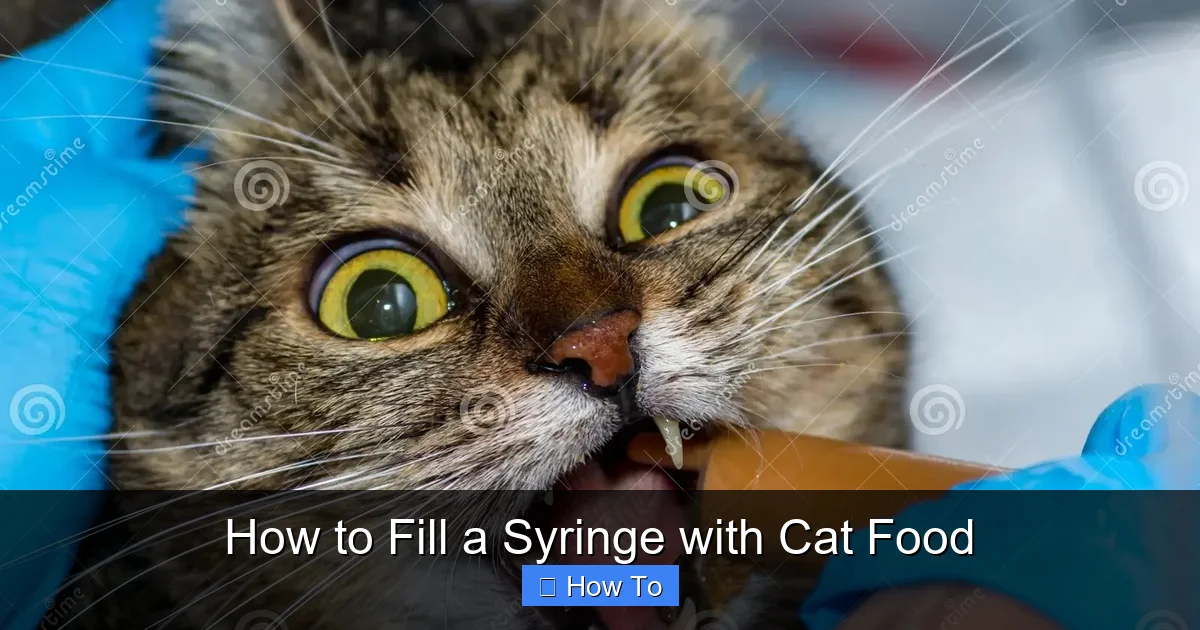
Visual guide about How to Fill a Syringe with Cat Food
Image source: thumbs.dreamstime.com
There are several reasons why a cat might need syringe feeding. Common scenarios include:
- Post-surgical recovery when the cat is weak or unwilling to eat
- Dental issues such as tooth extractions or mouth ulcers
- Illnesses like kidney disease, pancreatitis, or upper respiratory infections that reduce appetite
- Senior cats with diminished sense of smell or energy
- Kittens that are orphaned or underweight and need supplemental feeding
In these situations, maintaining proper nutrition is critical. Cats can develop serious health complications—like hepatic lipidosis (fatty liver disease)—if they go without food for more than 24–48 hours. Syringe feeding ensures they receive essential calories, moisture, and nutrients during recovery.
It’s important to note that syringe feeding should always be done under the guidance of a veterinarian. Your vet can recommend the appropriate type and amount of food, feeding frequency, and any special considerations based on your cat’s condition.
What You’ll Need
Before you begin, gather all the necessary supplies. Having everything ready will make the process smoother and less stressful for both you and your cat.
Essential Supplies
- Syringe: Choose a plastic, oral dosing syringe without a needle. Sizes between 10 mL and 35 mL work best for most adult cats. For kittens, a 1–5 mL syringe is more appropriate.
- Cat food: Use high-quality wet food in pâté form. Avoid chunky or gravy-heavy varieties, as they can clog the syringe.
- Warm water or low-sodium broth: To soften dry food or thin out wet food if needed.
- Small bowl or dish: For mixing and preparing the food.
- Towel or blanket: To gently wrap your cat if they tend to squirm.
- Paper towels or cloth: For cleaning up spills.
- Timer or clock: To track feeding intervals.
Optional but Helpful Items
- Syringe cleaning brush: For thorough cleaning after use.
- Pet-safe disinfectant wipes: To sanitize surfaces.
- Calming spray or pheromone diffuser: To reduce anxiety during feeding.
- Feeding log: To record amounts, times, and your cat’s reactions.
Step-by-Step Guide to Filling a Syringe with Cat Food
Now that you’re prepared, let’s go through the process step by step. Follow these instructions carefully to ensure a safe and successful feeding experience.
Step 1: Prepare the Food
The first step is getting the food into the right consistency. Most cats prefer food that’s easy to swallow and not too thick.
If you’re using wet food, open the can and check the texture. Pâté-style foods are ideal because they’re smooth and uniform. If the food is too thick, add a small amount of warm water or low-sodium chicken or bone broth (make sure it’s onion- and garlic-free). Stir gently until you achieve a pudding-like consistency.
If you’re using dry kibble, you’ll need to soften it. Place the recommended amount of kibble in a bowl and cover it with warm water or broth. Let it sit for 5–10 minutes until fully softened. Then, mash it with a fork or blend it briefly in a food processor to create a smooth paste.
Pro Tip: Always test the temperature before feeding. The food should be lukewarm—never hot. Dip a small amount on your wrist to check. If it feels warm but not hot, it’s ready.
Step 2: Draw the Food into the Syringe
Now it’s time to fill the syringe. Here’s how:
- Remove the plunger from the syringe.
- Place the tip of the syringe into the prepared food mixture.
- Slowly pull back the plunger to draw the food into the barrel. Go slowly to avoid air bubbles.
- If air bubbles form, gently tap the syringe to bring them to the top, then push the plunger slightly to expel the air.
- Continue drawing until the syringe is filled to the desired amount. For most adult cats, 5–15 mL per feeding is typical, but follow your vet’s recommendations.
Important: Do not overfill the syringe. Leave a small air gap at the top to make it easier to control the flow when feeding.
Step 3: Prepare Your Cat
A calm cat is much easier to feed. Choose a quiet, comfortable space where your cat feels safe. Sit on the floor or a low chair to be at their level.
If your cat is nervous or wiggly, gently wrap them in a towel—this is often called “burrito wrapping.” Leave their head exposed so you can access their mouth. This technique helps prevent scratching and keeps them still.
Speak in a soft, soothing voice and offer gentle pets before starting. If your cat is particularly stressed, consider using a calming spray or playing soft music in the background.
Step 4: Position Your Cat Correctly
Proper positioning is key to safe syringe feeding. Never force food into a cat’s mouth while they’re lying flat or struggling.
Instead:
- Hold your cat in your lap or on a stable surface.
- Tilt their head slightly upward—just enough to open the airway, not so much that it causes discomfort.
- Support their chin with one hand while holding the syringe in the other.
Avoid tilting the head too far back, as this can increase the risk of aspiration (food entering the lungs).
Step 5: Administer the Food
Now it’s time to feed:
- Insert the tip of the syringe into the side of your cat’s mouth, between the cheek and teeth. This is the safest entry point.
- Slowly depress the plunger to release small amounts of food—about 0.5 to 1 mL at a time.
- Allow your cat to swallow before giving more. You’ll see their throat move as they swallow.
- Never squirt food directly down the throat or into the back of the mouth, as this can trigger gagging or aspiration.
- Continue until the full amount has been given or your cat shows signs of fullness (turning away, closing mouth, etc.).
Pro Tip: If your cat resists, pause and offer a break. Try again in a few minutes. Forcing food can create negative associations and make future feedings harder.
Step 6: Clean Up and Monitor
After feeding, gently wipe your cat’s mouth with a damp cloth to remove any food residue. Offer fresh water in a bowl—some cats may want to drink after syringe feeding.
Clean the syringe immediately. Rinse it with warm water, then use a syringe cleaning brush to scrub the inside. Soak in pet-safe disinfectant if needed, then air dry.
Monitor your cat for the next 30–60 minutes. Watch for signs of distress, such as coughing, gagging, or difficulty breathing. These could indicate aspiration and require immediate veterinary attention.
Tips for Success in 2026
As pet care evolves, so do best practices. Here are some updated tips for 2026 to make syringe feeding even more effective:
Use High-Moisture, Nutrient-Dense Foods
In 2026, many veterinarians recommend feeding high-moisture, biologically appropriate diets—even during syringe feeding. Look for wet foods with real meat as the first ingredient, no artificial preservatives, and added taurine, omega-3s, and probiotics.
Some pet food brands now offer “recovery formulas” specifically designed for syringe feeding. These are pre-thinned, nutrient-rich, and easy to draw into a syringe.
Consider a Syringe Feeding App
Several pet care apps launched in 2025–2026 now include syringe feeding trackers. These apps let you log feeding times, amounts, and your cat’s behavior. Some even send reminders and sync with your vet’s portal for remote monitoring.
Popular options include PetCare Sync and FelineFeed Pro, which are especially helpful for long-term care.
Try a Syringe Adapter
New in 2026: syringe adapters that attach to food pouches or cans. These allow you to draw food directly from the container without transferring to a bowl, reducing mess and contamination risk. Brands like FeedEase and CatSipper offer FDA-cleared adapters for safe use.
Rotate Feeding Times
To prevent boredom and stress, vary the time of day you feed. Some cats respond better to morning feedings, while others prefer evening. Experiment to find what works best for your pet.
Troubleshooting Common Issues
Even with the best preparation, challenges can arise. Here’s how to handle the most common problems:
Problem: Food is Too Thick
If the food won’t draw into the syringe, it’s too thick. Add more warm water or broth, a teaspoon at a time, until it flows smoothly. Avoid over-thinning, as this can reduce nutrient density.
Problem: Air Bubbles in the Syringe
Air bubbles can make feeding inconsistent and uncomfortable. To remove them, hold the syringe upright and gently tap it. Push the plunger slightly to expel air before feeding.
Problem: Cat Refuses to Eat
If your cat turns away or clamps their mouth shut, don’t force it. Try offering a different flavor or warming the food slightly. Sometimes, a drop of tuna juice or plain yogurt on the lips can stimulate interest.
Problem: Gagging or Coughing
This may indicate the food is going down too fast or the cat is aspirating. Stop immediately. Let your cat rest, then try again with smaller amounts and slower delivery. If coughing persists, contact your vet.
Problem: Syringe Gets Clogged
Chunky food or undissolved kibble can clog the syringe. Always strain the food through a fine mesh sieve if needed. Use only smooth, blended mixtures.
Problem: Cat Becomes Aggressive
Stress can cause some cats to hiss, scratch, or bite. If this happens, stop and try again later. Use a towel wrap for safety, and consider consulting a veterinary behaviorist for long-term solutions.
Safety and Hygiene Best Practices
Keeping your cat safe means practicing good hygiene and following safety guidelines.
Always Use Clean Equipment
Wash the syringe, bowl, and any utensils with hot, soapy water after each use. Sterilize weekly by boiling or using a pet-safe sanitizer.
Store Food Properly
Once opened, wet food should be refrigerated and used within 3–5 days. Label containers with the date. Never leave prepared food at room temperature for more than 2 hours.
Watch for Signs of Illness
Syringe feeding is often a temporary measure. Monitor your cat’s overall health. If they show signs of lethargy, vomiting, diarrhea, or continued refusal to eat, contact your veterinarian immediately.
Avoid Overfeeding
Stick to the amount recommended by your vet. Overfeeding can lead to digestive upset or weight gain, especially in inactive cats.
When to Stop Syringe Feeding
Syringe feeding is usually a short-term solution. As your cat recovers, they should gradually return to eating on their own.
Signs your cat is ready to stop include:
- Consistently eating from a bowl
- Showing interest in food by sniffing or approaching the dish
- Maintaining or gaining weight
- Having normal energy levels
Work with your vet to transition back to regular feeding. You might start by offering small amounts of food in a bowl alongside syringe feedings, then gradually reduce the syringe amount as your cat eats more independently.
Conclusion
Learning how to fill a syringe with cat food is a valuable skill that can make a life-saving difference for your feline companion. Whether you’re caring for a recovering pet, a senior cat, or a tiny kitten, this method ensures they receive the nutrition they need during vulnerable times.
By following the steps in this guide—choosing the right food, using proper technique, maintaining hygiene, and monitoring your cat’s response—you can provide safe, effective, and compassionate care. Remember, always consult your veterinarian before starting syringe feeding, and don’t hesitate to ask for help if you’re unsure.
With patience, love, and the right tools, you can help your cat heal and thrive—one syringe at a time.