
Choosing the right dry cat food can feel overwhelming, but it doesn’t have to be. This guide walks you through everything you need to know—from reading labels to spotting quality ingredients—so you can confidently pick a nutritious, tasty option for your cat in 2026.
Key Takeaways
- Prioritize animal-based protein: Cats are obligate carnivores, so the first ingredient should be a named meat like chicken, turkey, or salmon—not by-products or fillers.
- Check for AAFCO compliance: Look for a statement confirming the food meets AAFCO nutrient profiles for your cat’s life stage (kitten, adult, senior).
- Avoid harmful additives: Steer clear of artificial colors, flavors, preservatives like BHA/BHT, and excessive carbohydrates such as corn, wheat, or soy.
- Consider your cat’s health needs: Special diets may be needed for allergies, urinary issues, weight management, or sensitive digestion—consult your vet if unsure.
- Compare cost per pound, not per bag: A smaller, high-quality bag may offer better value than a large, low-nutrition one when calculated by weight and nutrient density.
- Read reviews and research brands: Trusted companies with transparent sourcing and third-party testing are more likely to deliver consistent quality.
- Transition slowly: When switching foods, mix the old and new over 7–10 days to avoid digestive upset.
How to Find Good Dry Cat Food in 2026: A Complete Guide
As a cat parent in 2026, you want the best for your furry friend—especially when it comes to their diet. With so many dry cat food options lining store shelves and flooding online marketplaces, finding truly good dry cat food can feel like navigating a maze. But don’t worry! This step-by-step guide will help you cut through the noise, understand what really matters in cat nutrition, and choose a high-quality kibble that supports your cat’s health, energy, and longevity.
In this guide, you’ll learn how to decode ingredient labels, spot red flags, identify trustworthy brands, and match your cat’s unique needs to the right formula. Whether you’re feeding a playful kitten, a laid-back adult, or a senior cat with special dietary requirements, these tips will empower you to make informed decisions—no veterinary degree required.
Step 1: Understand What Makes Dry Cat Food “Good”
Before diving into brands or flavors, it’s essential to know what defines quality in dry cat food. Unlike dogs, cats are obligate carnivores—meaning their bodies are biologically designed to thrive on animal-based proteins and fats. They require specific nutrients like taurine, arachidonic acid, and vitamin A, which they can only get efficiently from meat sources.

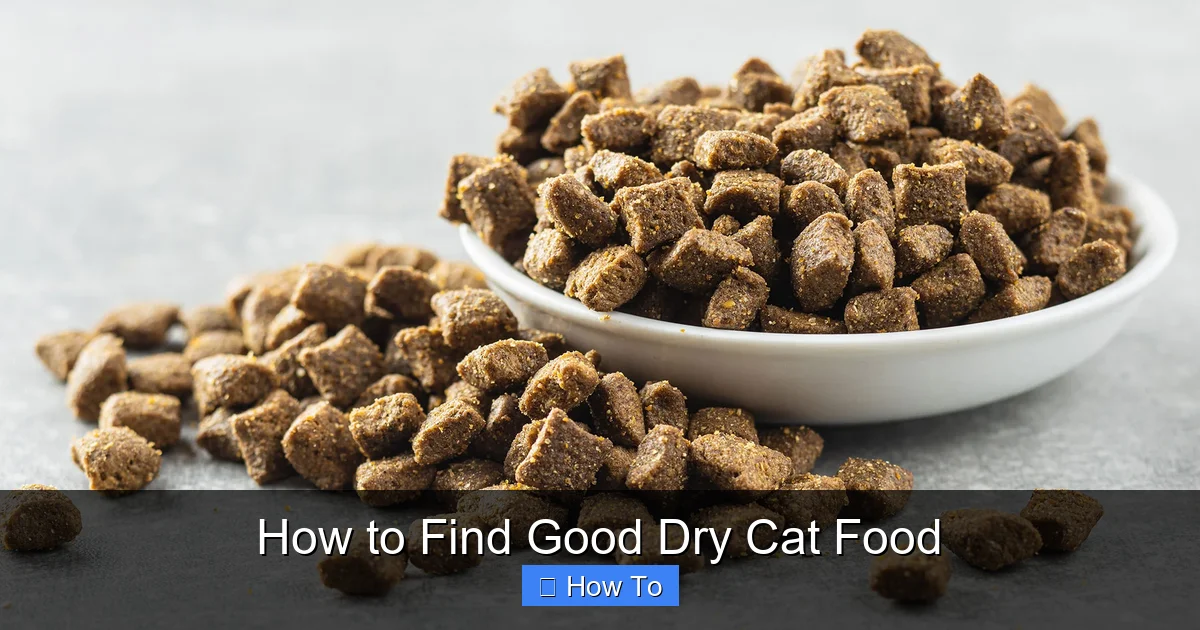
Visual guide about How to Find Good Dry Cat Food
Image source: catfoodhouse.com
Good dry cat food in 2026 should:
- List a named animal protein (e.g., “chicken” or “salmon”) as the first ingredient
- Contain minimal fillers and carbohydrates
- Be free from artificial additives
- Meet AAFCO nutritional standards for your cat’s life stage
- Support overall health—shiny coat, healthy digestion, stable weight, and strong immunity
Keep in mind that “natural” or “premium” on the label doesn’t guarantee quality. These terms aren’t strictly regulated, so always dig deeper into the ingredients and nutritional info.
Step 2: Read the Ingredient List Like a Pro
The ingredient list is your first clue to a food’s quality. Ingredients are listed by weight, so the first few items make up the bulk of the formula. Here’s how to interpret them:
Look for High-Quality Animal Protein First
The ideal dry cat food starts with a whole meat source—like “deboned chicken,” “turkey meal,” or “salmon.” Avoid vague terms like “meat meal” or “poultry by-product meal,” which can include low-quality or unspecified parts. In 2026, many top brands now specify the cut or type of meat (e.g., “free-range chicken breast”), reflecting greater transparency.
Watch Out for Fillers and Carbohydrates
Cats don’t need grains or starches to thrive. Ingredients like corn, wheat, soy, rice, and potatoes often serve as cheap fillers that boost carbohydrate content. While small amounts of digestible carbs (like sweet potato or peas) can be acceptable, they shouldn’t dominate the top five ingredients. Excess carbs can lead to weight gain, diabetes, and urinary issues in cats.
Avoid Artificial Additives
Steer clear of synthetic preservatives such as BHA, BHT, and ethoxyquin—these have been linked to health concerns in pets. Instead, look for natural preservatives like mixed tocopherols (vitamin E) or rosemary extract. Also, skip foods with artificial colors (like Red 40 or Yellow 5) or flavors—cats don’t care about rainbow kibble!
Check for Essential Nutrients
Even if the ingredients look good, the food must provide complete nutrition. Key nutrients to look for include:
- Taurine: Vital for heart and eye health; must be added synthetically in dry foods
- Omega-3 and Omega-6 fatty acids: Support skin, coat, and inflammation control
- Vitamins and minerals: Such as vitamin E, zinc, and calcium
If these aren’t listed or seem insufficient, the food may not meet your cat’s needs.
Step 3: Verify AAFCO Nutritional Adequacy
The Association of American Feed Control Officials (AAFCO) sets nutritional standards for pet food in the U.S. While not a government agency, AAFCO guidelines are widely adopted and respected. In 2026, look for this statement on the packaging:
“[Brand Name] is formulated to meet the nutritional levels established by the AAFCO Cat Food Nutrient Profiles for [life stage].”
This means the food has been tested (either through lab analysis or feeding trials) to ensure it provides complete and balanced nutrition for kittens, adults, or seniors. If the statement says “for all life stages,” it must meet the more demanding kitten profile—which is fine for adult cats but may be overkill.
Avoid foods that only say “intended for intermittent or supplemental feeding” unless you’re using them as treats or mix-ins.
Step 4: Consider Your Cat’s Unique Needs
Not all cats are the same—and neither should their food be. Tailoring your choice to your cat’s age, health, and lifestyle ensures they get the right balance of nutrients.
Kittens (Under 1 Year)
Kittens need extra calories, protein, and DHA for brain and vision development. Choose a formula labeled “kitten” or “growth” that’s rich in animal protein and fat. Avoid adult formulas—they lack the energy density growing cats require.
Adult Cats (1–7 Years)
Adult cats benefit from maintenance formulas that support lean muscle, healthy digestion, and stable weight. Look for moderate protein (30–45%), low to moderate fat (10–20%), and minimal fillers. If your cat is indoor-only, consider a formula with added fiber to help with hairballs and satiety.
Senior Cats (7+ Years)
Older cats often need fewer calories but more easily digestible protein and joint-supporting nutrients like glucosamine. Some senior formulas include antioxidants for immune support and reduced phosphorus to support kidney health. However, don’t switch automatically—some active seniors do fine on adult maintenance food.
Special Health Conditions
If your cat has allergies, urinary tract issues, diabetes, or obesity, consult your vet before choosing a food. Prescription or veterinary-recommended diets (like Hill’s Science Diet, Royal Canin, or Purina Pro Plan Veterinary Diets) may be necessary. In 2026, many over-the-counter brands also offer “wellness” lines for sensitive stomachs, urinary health, or weight control—just ensure they’re backed by science, not just marketing.
Step 5: Evaluate Brand Transparency and Safety
Not all pet food companies are created equal. In recent years, recalls due to contamination, mislabeling, or nutrient imbalances have made brand trust more important than ever. Here’s how to assess a brand’s reliability:
Check for Third-Party Testing
Reputable brands often submit their foods to independent labs for nutritional analysis and safety testing. Look for certifications from organizations like NSF International or the Global Food Safety Initiative (GFSI). Some brands even publish test results online—a sign of confidence in their product.
Research Manufacturing Practices
Ask: Where is the food made? Is it manufactured in facilities that also produce human food? Brands that use human-grade ingredients and facilities (like Open Farm or The Honest Kitchen) often have stricter quality controls. Avoid companies that outsource production to unknown third parties without oversight.
Read Customer and Expert Reviews
Websites like Chewy, Amazon, and Petco offer thousands of customer reviews. Pay attention to recurring themes—positive or negative. Also, consult trusted sources like the Cornell Feline Health Center or Pet Food Institute for unbiased insights. In 2026, AI-powered review aggregators can help filter out fake or biased feedback.
Look for Sustainability and Ethics
Many cat owners now consider environmental impact. Brands like Wild Earth and Bond Pet Foods use lab-grown or plant-based proteins to reduce carbon footprints—though these are still niche. Others, like Wellness and Blue Buffalo, emphasize sustainable sourcing and humane animal treatment. Choose a brand whose values align with yours.
Step 6: Compare Prices Smartly
Good dry cat food doesn’t have to break the bank—but the cheapest option is rarely the best. Instead of comparing bag prices, calculate the cost per pound or cost per 100 kcal to get a fair comparison.
For example:
- Brand A: $25 for a 5-lb bag = $5.00/lb
- Brand B: $40 for a 10-lb bag = $4.00/lb
At first glance, Brand B seems cheaper—but if Brand A has higher nutrient density and your cat eats less due to better satiety, it might actually be more cost-effective long-term.
Also, consider subscription services (like Chewy Autoship or PetPlate) that offer discounts for recurring deliveries. Just make sure you’re not over-ordering and letting food go stale.
Step 7: Introduce New Food Gradually
Even the best dry cat food won’t do your cat any good if they refuse to eat it—or get sick from a sudden switch. Cats have sensitive digestive systems, so always transition slowly over 7–10 days:
Transition Schedule Example
- Days 1–2: 75% old food + 25% new food
- Days 3–4: 50% old food + 50% new food
- Days 5–6: 25% old food + 75% new food
- Day 7+: 100% new food
Watch for signs of digestive upset—vomiting, diarrhea, or loss of appetite. If symptoms persist, pause the transition and consult your vet. Some cats may need even slower changes or a different formula altogether.
Troubleshooting Common Issues
Even with the best intentions, you might run into problems. Here’s how to handle common scenarios:
My Cat Won’t Eat the New Food
Cats can be picky! Try warming the kibble slightly (to enhance aroma), mixing in a small amount of wet food or bone broth, or offering it in a different bowl. If they still refuse after a few days, consider a different protein source or texture.
The Food Causes Digestive Issues
Bloating, gas, or loose stools may indicate an ingredient intolerance. Common culprits include chicken, beef, dairy, or grains. Try a limited-ingredient diet with a novel protein (like duck or rabbit) and consult your vet if issues continue.
My Cat Is Gaining or Losing Weight
Dry food is calorie-dense, so portion control is key. Use a measuring cup—not a scoop—and follow feeding guidelines based on your cat’s ideal weight, not current weight. If your cat is overweight, switch to a weight-management formula and increase playtime. For weight loss, never restrict food drastically without vet guidance.
The Food Seems to Go Stale Quickly
Once opened, dry cat food can lose freshness in 4–6 weeks. Store it in an airtight container in a cool, dry place—not in the original bag. Avoid bulk buying unless you have multiple cats or fast consumption.
Conclusion
Finding good dry cat food in 2026 doesn’t require guesswork—just a little knowledge and attention to detail. By focusing on high-quality animal proteins, avoiding harmful additives, verifying AAFCO compliance, and matching the food to your cat’s unique needs, you can make confident, health-supporting choices. Remember, the best food is one your cat enjoys eating and thrives on—not just what looks good on the label.
Take your time, do your research, and don’t hesitate to ask your veterinarian for guidance. Your cat’s diet is one of the most powerful tools you have to support their long-term health, happiness, and vitality. With the tips in this guide, you’re well-equipped to find a dry cat food that truly delivers.