
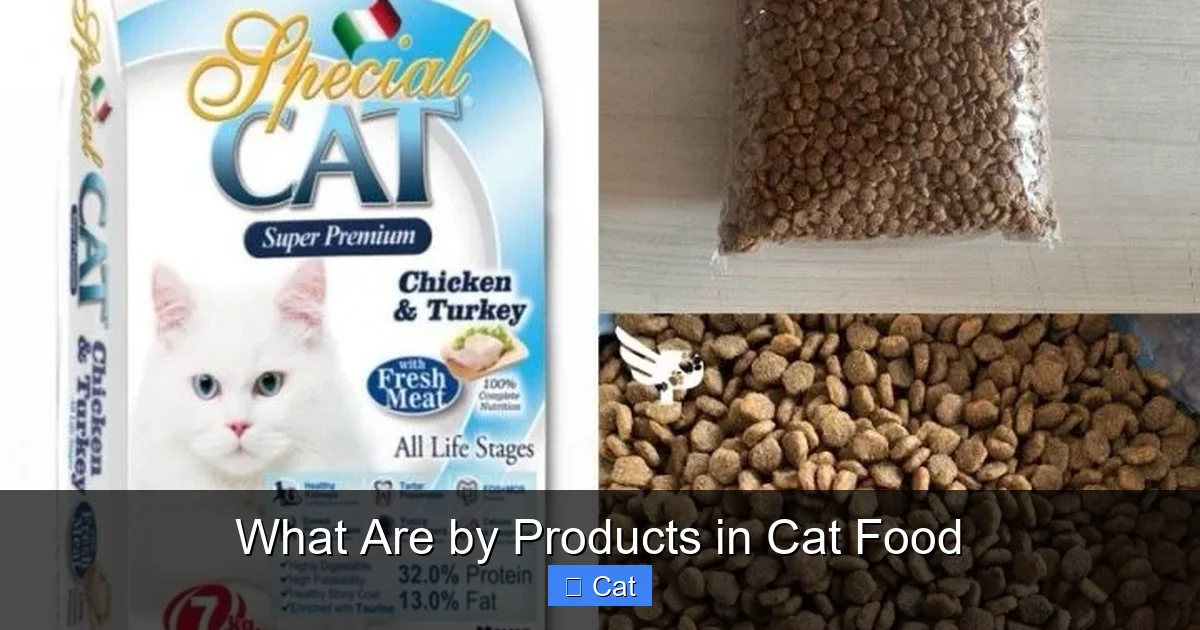
By products in cat food are often misunderstood. While some are nutritious organ meats, others may be low-quality fillers. Learn the truth behind these ingredients and how to choose the best food for your cat in 2026.
Key Takeaways
- By products are not inherently bad: Many by products, like liver and kidneys, are highly nutritious and provide essential vitamins and minerals for cats.
- Quality varies widely: The nutritional value depends on the source and processing—named by products (e.g., chicken liver) are better than vague terms like “meat by products.”
- AAFCO defines by products clearly: The Association of American Feed Control Officials allows certain animal parts not typically consumed by humans but safe and beneficial for pets.
- By products reduce food waste: Using parts like lungs or spleens supports sustainability in the pet food industry.
- Read labels carefully: Look for specific animal sources (e.g., “turkey heart”) rather than generic terms to ensure quality.
- Raw and fresh diets may minimize by products: Premium brands in 2026 increasingly offer whole-meat options, but by products still play a role in balanced nutrition.
- Consult your vet: Every cat is different—your veterinarian can help determine if a by product-rich diet suits your pet’s health needs.
📑 Table of Contents
What Are By Products in Cat Food?
If you’ve ever glanced at the ingredient list on your cat’s food and seen words like “chicken by products” or “beef by products meal,” you’re not alone in feeling a little confused—or even concerned. In 2026, pet parents are more informed than ever, and rightfully so. With the rise of clean-label movements, transparency in sourcing, and a growing emphasis on feline health, understanding what goes into your cat’s bowl has never been more important.
By products in cat food are parts of animals that are not typically consumed by humans but are still safe and nutritious for pets. Think of them as the “other” parts of the animal—like liver, kidneys, lungs, spleen, and sometimes even blood or bone. These ingredients come from the same animals used for human food (like chickens, cows, or fish), but they’re processed separately for pet food. While the term might sound unappealing, many by products are actually rich in protein, vitamins, and minerals that support your cat’s health.
The confusion often stems from the word “by product” itself. It sounds like a waste product or something leftover after the good stuff is taken. But in reality, many of these ingredients are highly digestible and packed with nutrients. For example, chicken liver is a powerhouse of vitamin A, iron, and B vitamins—all essential for a cat’s immune system, vision, and energy levels. So, while it might not be something you’d eat for dinner, your cat can benefit greatly from it.
Why Are By Products Used in Cat Food?
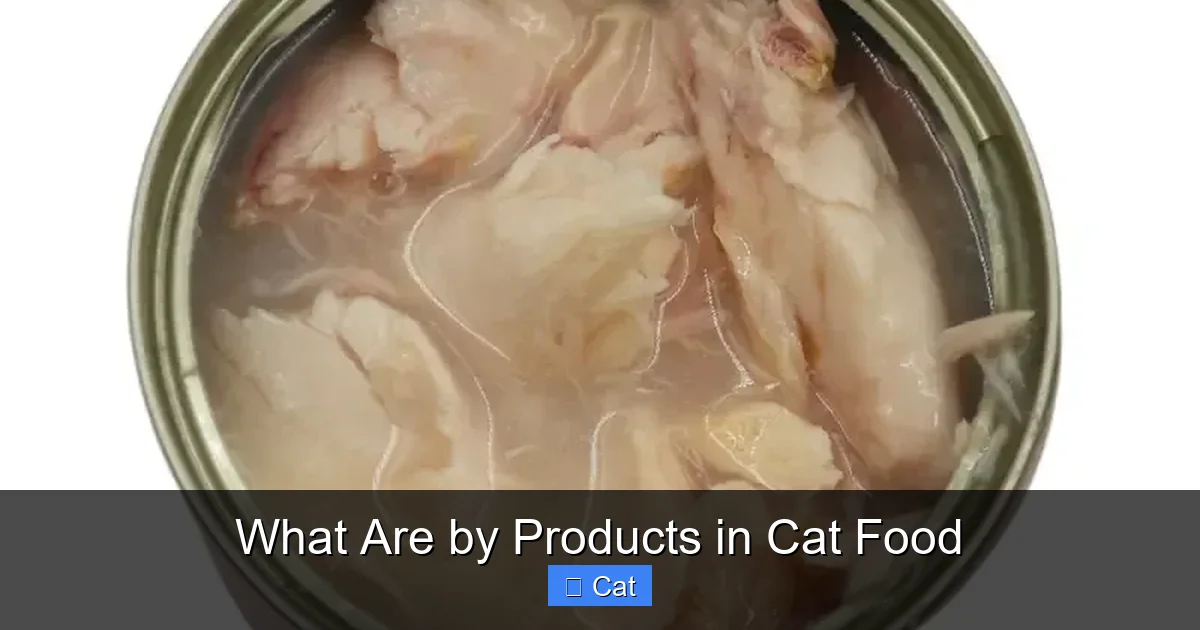
Visual guide about What Are by Products in Cat Food
Image source: cdn.globalso.com
You might be wondering: why use by products at all? Can’t we just feed cats whole muscle meat like chicken breast or fish fillets? The answer lies in nutrition, cost, sustainability, and practicality.
First, cats are obligate carnivores. This means they need animal-based protein to thrive. But they also require specific nutrients that aren’t always abundant in muscle meat alone. For instance, taurine—an amino acid critical for heart and eye health—is found in high concentrations in heart and liver. Without enough taurine, cats can develop serious health issues, including blindness and heart disease. By products like heart and liver naturally provide this nutrient, making them valuable additions to cat food.
Second, using by products helps reduce food waste. The meat industry produces far more animal parts than humans consume. Instead of discarding these, pet food manufacturers can repurpose them into nutritious meals for cats and dogs. This supports a more sustainable food system. In 2026, with growing concerns about environmental impact, this aspect of by product use is gaining recognition as a positive practice.
Third, by products help keep pet food affordable. High-quality whole meats are expensive. If every bag of cat food had to be made entirely from human-grade chicken breast, the cost would skyrocket. By including nutrient-dense by products, manufacturers can create balanced, complete diets at a more accessible price point—without sacrificing nutrition.
Finally, by products allow for greater formulation flexibility. Pet food scientists can blend different animal parts to meet precise nutritional profiles. For example, a food might combine chicken muscle meat with turkey liver and beef kidney to ensure a full amino acid profile, optimal vitamin levels, and balanced minerals. This precision is key to meeting AAFCO (Association of American Feed Control Officials) standards for complete and balanced nutrition.
Are By Products Safe and Nutritious for Cats?
This is the million-dollar question: are by products safe? And more importantly, are they good for your cat?
The short answer is: yes, when sourced and processed properly, by products are not only safe but highly nutritious.
Let’s break it down. The U.S. Department of Agriculture (USDA) and AAFCO have strict guidelines about what can be labeled as “by products” in pet food. These regulations ensure that only clean, edible parts from healthy animals are used. For example, “chicken by products” can include organs like liver, kidneys, lungs, and stomach, but not feathers, beaks, or intestinal contents (unless properly cleaned and processed).
In fact, many veterinarians and pet nutritionists consider certain by products to be superior to muscle meat in some ways. Organ meats are often more nutrient-dense. For instance, beef liver contains significantly more vitamin A, iron, and copper than beef muscle. Similarly, chicken hearts are rich in taurine and coenzyme Q10, which support cardiovascular health.
However, the quality of by products can vary depending on the manufacturer. A reputable brand will use named, high-quality by products—like “chicken liver” or “turby heart”—and avoid vague terms like “meat by products” or “animal digest.” These ambiguous labels can include parts from multiple species and may come from lower-quality sources.
In 2026, transparency is king. Top-tier pet food companies are increasingly listing specific by products and providing sourcing information. Some even partner with human food suppliers to ensure their ingredients meet high safety and quality standards. Look for brands that are open about their supply chain and undergo third-party testing.
It’s also worth noting that raw and fresh pet food diets are gaining popularity. These diets often use whole animal parts, including organs, in their natural state. While this approach appeals to pet owners seeking minimal processing, it’s important to ensure the diet is nutritionally complete. Even in raw feeding, by products play a crucial role in providing essential nutrients that muscle meat alone cannot deliver.
Common Types of By Products in Cat Food
Not all by products are created equal. Some are nutritional powerhouses, while others are best avoided. Let’s explore the most common types you’ll find in cat food and what they mean for your pet’s health.
Organ Meats (Liver, Kidney, Heart)
These are among the most beneficial by products. Liver (from chicken, beef, or turkey) is rich in vitamin A, iron, and B vitamins. Kidneys provide selenium and B12. Hearts are excellent sources of taurine and coenzyme Q10. These organs are highly digestible and support liver function, energy production, and immune health.
Lungs and Spleen
These are less common but still used in some pet foods. Lungs are a source of protein and certain enzymes, while the spleen contains iron and immune-supporting compounds. While not as nutrient-dense as liver or heart, they still contribute to a balanced diet when used appropriately.
Stomach and Tripe
Green tripe (the unbleached stomach lining of ruminants like cows) is especially popular in raw and natural diets. It’s rich in digestive enzymes, probiotics, and healthy fats. Many cats enjoy the strong smell and taste, and it can support gut health.
Blood and Bone Meal
These are more processed forms of by products. Blood meal is a concentrated source of protein and iron, while bone meal provides calcium and phosphorus. However, they should be used in moderation and balanced with other ingredients to avoid mineral imbalances.
Meat By Products and Animal Digest
These terms are more controversial. “Meat by products” can include any non-muscle parts from mammals, but the species must be named (e.g., “chicken by products”). “Animal digest” is a flavoring agent made by breaking down animal tissue—often used to enhance palatability. While not harmful in small amounts, these should not be the primary protein source.
The key takeaway? Look for specific, named by products. “Chicken liver” is far better than “meat by products.” And always check the ingredient order—by products should appear after the main protein source, not dominate the list.
How to Read Cat Food Labels in 2026
In 2026, pet food labeling has evolved. With advancements in digital transparency, many brands now offer QR codes on packaging that link to detailed sourcing and nutritional information. But even without tech, you can make smart choices by learning how to read labels.
Start with the ingredient list. Ingredients are listed by weight, so the first few items should be high-quality proteins. Ideally, you’ll see a named meat (like “chicken” or “salmon”) followed by specific by products (like “chicken liver” or “turkey heart”). Avoid foods where vague terms like “meat meal” or “animal by products” appear early in the list.
Next, check the guaranteed analysis. This section shows the minimum percentages of protein and fat, and maximum percentages of fiber and moisture. For adult cats, look for at least 30% protein and 9% fat. Higher is often better, especially for active or underweight cats.
Also, look for AAFCO statements. These confirm the food meets nutritional standards for a specific life stage (e.g., “growth,” “maintenance,” or “all life stages”). Avoid foods that only say “for intermittent feeding” unless advised by your vet.
Finally, consider the brand’s reputation. In 2026, many pet parents rely on reviews, vet recommendations, and third-party certifications (like USDA Organic, Non-GMO Project, or Global Animal Partnership) to guide their choices. Brands that are transparent about sourcing and processing are more likely to use high-quality by products.
Myths and Misconceptions About By Products
Despite growing awareness, several myths about by products persist. Let’s clear them up.
Myth 1: “By products are just ground-up leftovers and waste.”
Reality: While the term sounds unappealing, by products are clean, edible animal parts that are safe and nutritious. They’re not “waste” in the trash sense—they’re valuable ingredients.
Myth 2: “By products are made from diseased or dead animals.”
Reality: Pet food regulations prohibit the use of animals that died from disease or were euthanized with certain drugs. All ingredients must come from healthy, inspected animals.
Myth 3: “Cats don’t need by products—they only need muscle meat.”
Reality: Cats require a variety of nutrients found in organs. A diet of only muscle meat can lead to deficiencies in taurine, vitamin A, and arachidonic acid.
Myth 4: “All by products are the same.”
Reality: Quality varies. Named, specific by products from trusted sources are far superior to vague, multi-species blends.
Myth 5: “Premium foods don’t use by products.”
Reality: Many high-end brands include by products because they’re nutritious. The difference is in sourcing and transparency.
Choosing the Right Cat Food in 2026
With so many options on the market, how do you pick the best food for your cat? Here are some practical tips.
First, prioritize whole, named proteins. Look for “chicken,” “salmon,” or “turkey” as the first ingredient. Then, check for specific by products like “chicken liver” or “beef kidney.” These add nutritional depth without compromising quality.
Second, avoid artificial additives. In 2026, many brands have eliminated synthetic preservatives, colors, and flavors. Opt for natural preservatives like mixed tocopherols (vitamin E) instead of BHA or BHT.
Third, consider your cat’s life stage and health needs. Kittens need more protein and fat for growth, while senior cats may benefit from joint-supporting ingredients like glucosamine. Cats with kidney issues may need lower phosphorus, so organ meats should be used carefully.
Fourth, rotate proteins occasionally. This reduces the risk of food sensitivities and ensures a broader nutrient intake. For example, alternate between chicken-based and fish-based foods.
Finally, consult your veterinarian. They can help you interpret labels, assess your cat’s nutritional needs, and recommend brands that align with their health profile.
Conclusion
By products in cat food are not the villains they’re often made out to be. When sourced responsibly and used appropriately, they are nutritious, sustainable, and essential components of a balanced feline diet. In 2026, pet parents have more tools than ever to make informed choices—from transparent labeling to vet guidance and digital sourcing info.
The key is to look beyond the term “by product” and focus on specificity, quality, and nutritional value. A food with “chicken liver” is far different from one with “meat by products meal.” By understanding what these ingredients really are, you can confidently choose a diet that supports your cat’s health, vitality, and longevity.
So the next time you’re shopping for cat food, don’t panic at the sight of by products. Instead, read the label, ask questions, and choose wisely. Your cat deserves the best—and that often includes the parts we don’t eat.
Frequently Asked Questions
Are by products in cat food safe?
Yes, when sourced from healthy animals and processed properly, by products are safe and nutritious. Regulatory bodies like AAFCO ensure that only clean, edible parts are used in pet food.
Can by products cause allergies in cats?
It’s possible, but no more likely than with muscle meat. Allergies are usually tied to the protein source (e.g., chicken), not whether it’s a by product. Rotating proteins can help identify sensitivities.
Do all cat foods contain by products?
Not all, but many do. Some premium brands use only whole meats, while others include by products for added nutrition. Check the ingredient list to know for sure.
Are by products the same as fillers?
No. Fillers are low-nutrition ingredients like corn or soy used to bulk up food. By products are nutrient-dense animal parts and serve a functional role in nutrition.
Can I make homemade cat food with by products?
Yes, but it requires careful balancing. Organ meats like liver and heart should make up no more than 10% of the diet to avoid vitamin A toxicity or mineral imbalances. Consult a veterinary nutritionist.
Are by products used in wet and dry cat food?
Yes, both wet and dry foods can contain by products. The form doesn’t affect their safety or nutritional value—what matters is the quality and sourcing of the ingredients.