

Byproducts in cat food are often misunderstood but can be highly nutritious and safe for feline consumption. When sourced responsibly, they provide essential proteins, vitamins, and minerals that support your cat’s overall health. Understanding what byproducts really are helps pet owners make informed, balanced choices about their cat’s diet.
Key Takeaways
- Byproducts are not fillers: They include nutrient-rich organ meats like liver, kidneys, and heart, which are highly digestible and packed with essential amino acids.
- Regulated and safe: In 2026, pet food byproducts must meet strict FDA and AAFCO standards to ensure safety and quality in commercial cat food.
- Environmentally sustainable: Using byproducts reduces food waste by repurposing parts of animals that would otherwise be discarded.
- Not all byproducts are equal: Look for named sources (e.g., “chicken liver”) rather than vague terms like “meat byproducts” to ensure transparency.
- Natural for cats: Wild cats consume whole prey, including organs, making byproducts a biologically appropriate part of their diet.
- Misconceptions persist: Many pet owners avoid byproducts due to myths, but modern pet nutrition science supports their inclusion in balanced diets.
- Read labels carefully: High-quality cat foods list specific byproducts and avoid artificial additives, ensuring better nutrition for your pet.
📑 Table of Contents
- What Are Byproducts in Cat Food?
- Understanding the Definition of Byproducts
- The Nutritional Value of Byproducts
- Debunking Myths About Byproducts
- How to Choose Cat Food with Quality Byproducts
- The Environmental and Ethical Benefits of Using Byproducts
- Conclusion: Byproducts Are a Smart Choice for Your Cat
What Are Byproducts in Cat Food?
When you pick up a bag of cat food in 2026, you might notice ingredients like “chicken byproducts” or “turkey liver” listed near the top. But what exactly are byproducts in cat food, and should you be concerned? The truth might surprise you. Byproducts are not the mysterious, low-quality fillers many pet owners assume they are. In fact, they can be some of the most nutritious components of your cat’s meal.
Byproducts are parts of animals that are not typically consumed by humans but are still edible and highly nutritious. This includes organ meats like liver, kidneys, lungs, spleen, and even parts like necks and feet—depending on the source animal. These ingredients are often sourced from the same animals used in human food production, meaning they come from inspected, healthy livestock. In the context of cat food, byproducts are cooked, ground, and incorporated into kibble or wet food to provide concentrated sources of protein, vitamins, and minerals.
Despite their nutritional value, byproducts have long been stigmatized in the pet food industry. This reputation stems from outdated practices and misleading marketing that portrayed them as “waste” or “scraps.” However, modern pet nutrition science and stricter regulations in 2026 have shifted the narrative. Today, reputable pet food manufacturers use byproducts responsibly, ensuring they meet high safety and quality standards. Understanding what byproducts really are—and how they benefit your cat—can help you make smarter, more informed choices about your pet’s diet.
Understanding the Definition of Byproducts
Official Definitions and Industry Standards
In 2026, the Association of American Feed Control Officials (AAFCO) provides clear definitions for what constitutes a byproduct in pet food. According to AAFCO, animal byproducts are “the non-rendered, clean parts, other than meat, derived from slaughtered mammals.” This includes organs, blood, bone, and certain offal that are not typically sold for human consumption in Western markets. Importantly, these parts must come from animals that were deemed fit for human consumption at the time of slaughter.
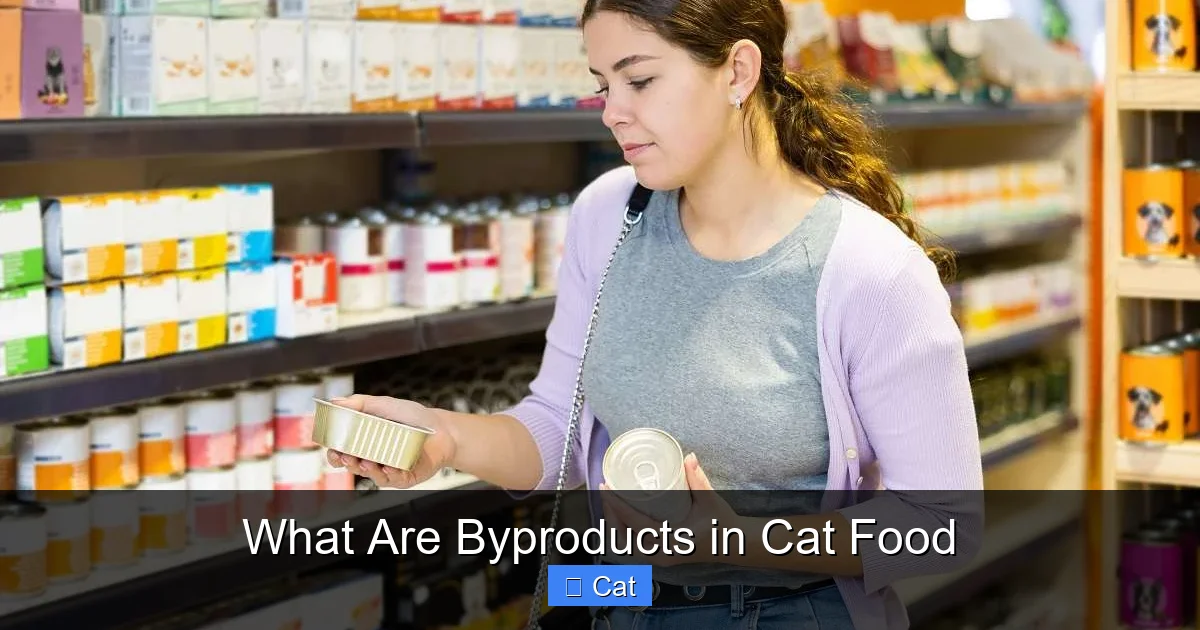
Visual guide about What Are Byproducts in Cat Food
Image source: cats.com
The U.S. Food and Drug Administration (FDA) also regulates the use of byproducts in pet food, ensuring that all ingredients are safe, properly labeled, and free from contaminants. This means that byproducts used in commercial cat food are subject to the same rigorous inspections as human-grade ingredients. In fact, many byproducts are sourced from USDA-inspected facilities, adding an extra layer of safety and transparency.
Human vs. Pet Food Byproducts
It’s important to distinguish between byproducts used in human food and those used in pet food. In many cultures around the world, organ meats like liver, heart, and tripe are considered delicacies and are regularly consumed by people. For example, beef liver is a staple in dishes like pâté and liver and onions, while chicken hearts are popular in Latin American and Asian cuisines. The difference lies not in the quality of the ingredient, but in cultural preferences and market demand.
In Western countries, there’s less demand for organ meats in human diets, so these parts are often redirected to pet food production. This doesn’t make them inferior—it simply reflects differences in culinary traditions. In fact, from a biological standpoint, cats are obligate carnivores, meaning they thrive on a diet rich in animal-based proteins and nutrients found in organs. Byproducts align perfectly with their natural dietary needs.
Common Types of Byproducts in Cat Food
Not all byproducts are the same, and the specific type can vary depending on the protein source. Here are some of the most common byproducts you’ll find in high-quality cat food in 2026:
- Chicken byproducts: These typically include liver, gizzards, necks, and feet. Chicken liver, in particular, is rich in vitamin A, iron, and taurine—essential nutrients for feline health.
- Turkey byproducts: Similar to chicken, turkey byproducts often feature heart, liver, and spleen. These organs are excellent sources of B vitamins and protein.
- Beef byproducts: Commonly include lungs, kidneys, and tripe (the stomach lining). Beef kidney is high in selenium and B12, supporting immune function and energy metabolism.
- Lamb byproducts: Often include heart, liver, and spleen. Lamb organs are especially beneficial for cats with food sensitivities, as they’re less likely to trigger allergies than poultry or beef.
When reading labels, look for specific naming—such as “chicken liver” or “turby heart”—rather than vague terms like “meat byproducts.” Specificity indicates transparency and higher quality sourcing.
The Nutritional Value of Byproducts
High-Quality Protein Sources
One of the biggest misconceptions about byproducts is that they’re low in protein. In reality, many byproducts are richer in protein than muscle meat. For example, chicken liver contains about 17 grams of protein per 100 grams, compared to 15 grams in chicken breast. This makes byproducts an efficient way to boost the protein content of cat food without relying solely on expensive cuts of meat.
Protein is critical for cats because they require a higher intake than dogs or humans. They need essential amino acids like taurine, arginine, and methionine, which are abundant in animal tissues—especially organs. Taurine, for instance, is found in high concentrations in heart and liver and is vital for vision, heart function, and reproduction. A deficiency can lead to serious health issues, including blindness and cardiomyopathy.
Rich in Vitamins and Minerals
Byproducts are nutritional powerhouses, packed with vitamins and minerals that support overall feline health. Organ meats are particularly dense in fat-soluble vitamins like A, D, E, and K, as well as B-complex vitamins. For example, beef liver provides over 1,000% of a cat’s daily vitamin A requirement in just a small serving. Vitamin A is essential for immune function, skin health, and night vision.
Minerals like iron, zinc, selenium, and copper are also abundant in byproducts. Iron from animal sources (heme iron) is more easily absorbed by cats than plant-based iron, making organ meats an ideal source for preventing anemia. Zinc supports skin and coat health, while selenium acts as a powerful antioxidant.
Digestibility and Bioavailability
Another advantage of byproducts is their high digestibility. Cats have short digestive tracts designed to process animal proteins quickly and efficiently. Organ meats are softer and easier to break down than muscle meat or plant-based ingredients, allowing for better nutrient absorption.
Studies in 2026 continue to show that cats digest byproducts at rates comparable to—or even higher than—muscle meat. This means your cat gets more usable nutrition from each bite, supporting energy levels, muscle maintenance, and immune health. High bioavailability also reduces waste, meaning your cat absorbs more and excretes less.
Debunking Myths About Byproducts
Myth: Byproducts Are “Unfit” for Consumption
One of the most persistent myths is that byproducts are made from diseased or unsafe animal parts. This is simply not true in 2026. All byproducts used in commercial pet food must come from animals that passed inspection at the time of slaughter. If an animal was sick or unfit for human consumption, it would be condemned and not used in any food product—human or pet.
Modern processing methods also ensure safety. Byproducts are cooked at high temperatures to eliminate pathogens, and facilities follow strict hygiene protocols. Reputable brands conduct regular testing for contaminants like heavy metals, bacteria, and pesticides, giving pet owners peace of mind.
Myth: Byproducts Are Just “Fillers”
Some pet owners believe byproducts are used to bulk up food without adding nutritional value. However, as we’ve seen, byproducts are nutrient-dense and contribute significantly to a cat’s dietary needs. They are not fillers—fillers are typically low-nutrient ingredients like corn, wheat, or soy, which are used to increase volume or reduce costs.
In contrast, byproducts are included for their nutritional benefits. High-quality cat foods often list byproducts near the top of the ingredient list, indicating they make up a large portion of the formula. This is a sign of a well-balanced, meat-rich diet.
Myth: Cats Don’t Eat Byproducts in the Wild
Another common argument is that wild cats don’t eat organs, so byproducts are unnatural. But this is a misunderstanding of feline biology. In the wild, cats consume entire prey animals—including fur, bones, and internal organs. A mouse, for example, is about 40% organ meat by weight. By eating the whole animal, wild cats naturally consume a diet rich in byproducts.
Domestic cats have the same nutritional needs as their wild ancestors. Feeding them a diet that includes organ meats mimics their natural eating habits and supports optimal health. In fact, many holistic veterinarians recommend incorporating organ meats into homemade cat diets for this very reason.
How to Choose Cat Food with Quality Byproducts
Read the Ingredient List Carefully
Not all byproducts are created equal, so it’s important to know how to read labels. Look for specific, named sources like “chicken liver” or “turkey heart” rather than vague terms like “poultry byproducts” or “meat byproducts.” Specificity indicates transparency and higher quality sourcing.
Avoid foods that list “byproducts meal” without specifying the animal source. While byproduct meal (rendered byproducts) can still be nutritious, it’s harder to verify quality when the source is unclear. Ideally, the first few ingredients should be whole meats or named byproducts.
Check for AAFCO Statements
Reputable cat food brands include an AAFCO statement on the packaging, indicating that the food meets nutritional standards for a specific life stage (e.g., growth, maintenance, or all life stages). This ensures the food is complete and balanced, including the byproducts used.
In 2026, many brands also provide additional certifications, such as “humanely raised,” “sustainably sourced,” or “non-GMO,” which can give you more confidence in the quality of the ingredients.
Consider Your Cat’s Individual Needs
Every cat is different, and their dietary needs can vary based on age, activity level, health conditions, and food sensitivities. For example, kittens and pregnant cats benefit from the high nutrient density of byproducts, while senior cats may need easily digestible proteins to maintain muscle mass.
If your cat has allergies or digestive issues, look for limited-ingredient diets that use novel protein sources like duck or rabbit byproducts. Always consult your veterinarian before making major changes to your cat’s diet.
The Environmental and Ethical Benefits of Using Byproducts
Reducing Food Waste
Using byproducts in cat food is not only nutritionally sound—it’s also environmentally responsible. Every year, millions of pounds of edible animal parts are discarded simply because there’s no market for them in human food. By repurposing these parts for pet food, the industry helps reduce food waste and makes more efficient use of resources.
In 2026, sustainability is a growing concern for pet owners. Choosing cat food that includes byproducts supports a circular economy, where nothing goes to waste. This aligns with broader efforts to reduce the environmental impact of food production.
Supporting Ethical Sourcing
Many pet food companies now partner with farms that practice ethical animal husbandry. By using the entire animal—including byproducts—these brands promote respect for the life of the animal and minimize waste. Some even highlight their sourcing practices on packaging, allowing consumers to make informed choices.
Additionally, using byproducts can help keep pet food prices more affordable. Since organ meats are less expensive than muscle meat, they allow manufacturers to create high-quality, nutritious food without significantly increasing costs. This makes premium nutrition accessible to more pet owners.
Conclusion: Byproducts Are a Smart Choice for Your Cat
In 2026, the conversation around byproducts in cat food has evolved. What was once viewed with suspicion is now recognized as a valuable, sustainable, and nutritious component of feline diets. Byproducts provide essential proteins, vitamins, and minerals that support your cat’s health in ways that plant-based ingredients simply cannot match.
Rather than avoiding byproducts, pet owners should focus on choosing high-quality cat food from transparent, reputable brands. Look for specific ingredient names, AAFCO compliance, and ethical sourcing practices. When included responsibly, byproducts are not just safe—they’re beneficial.
At the end of the day, your cat’s diet should reflect their natural biology as obligate carnivores. By embracing byproducts as part of a balanced, meat-rich diet, you’re giving your feline friend the nutrition they need to thrive. So the next time you see “chicken liver” on a label, don’t panic—smile. You’re feeding your cat exactly what nature intended.
Frequently Asked Questions
Are byproducts in cat food safe?
Yes, byproducts in cat food are safe when sourced from reputable manufacturers. In 2026, all pet food ingredients must meet FDA and AAFCO standards, ensuring they come from inspected, healthy animals and are processed safely.
Do byproducts contain harmful chemicals?
High-quality cat food brands test for contaminants like heavy metals, pesticides, and bacteria. As long as you choose trusted brands with transparent sourcing, byproducts are free from harmful chemicals.
Can kittens eat food with byproducts?
Yes, kittens can safely eat food with byproducts. In fact, the nutrient density of organ meats supports their rapid growth and development, especially when the food is formulated for kittens.
Are byproducts the same as byproduct meal?
Not exactly. Byproducts are fresh or frozen organ meats, while byproduct meal is rendered (cooked and dried). Both can be nutritious, but whole byproducts are generally more bioavailable.
Why do some premium brands avoid byproducts?
Some brands market “byproduct-free” formulas to appeal to consumer misconceptions. However, this doesn’t mean byproducts are inferior—many premium brands actually include them for their nutritional benefits.
Can byproducts cause allergies in cats?
Byproducts themselves are not common allergens. However, if your cat has a protein allergy, the source (e.g., chicken or beef) may be the issue. Look for novel protein byproducts like duck or rabbit if needed.