

Dry, flaky, itchy skin in dogs is more than just a cosmetic concern—it’s often a sign of deeper nutritional imbalances, environmental sensitivities, or underlying health issues. As a pet parent, seeing your dog scratch relentlessly or develop red, irritated patches can be distressing. While veterinary care is essential for diagnosing the root cause, one of the most effective and accessible ways to support your dog’s skin health is through diet. Canned dog food, with its high moisture content and often premium ingredient profiles, can play a pivotal role in improving skin condition, especially when formulated with skin-supportive nutrients.
This comprehensive buyer’s guide is designed to help you navigate the crowded marketplace of canned dog foods and make an informed decision tailored to your dog’s specific needs. Whether you’re dealing with seasonal dryness, allergies, or chronic skin conditions like atopic dermatitis, the right wet food can make a noticeable difference. We’ll walk you through the key factors to consider—from ingredient quality and omega fatty acid content to brand transparency and price points—so you can confidently choose a product that nourishes your dog from the inside out. You’ll also learn how to avoid common pitfalls, understand different product categories, and get expert-backed tips to maximize value without compromising quality.
The market for canned dog food has exploded in recent years, with hundreds of brands offering everything from grain-free formulas to limited-ingredient diets and veterinary-prescribed options. While this variety is great for customization, it can also be overwhelming. Many products claim to support skin health, but not all deliver on that promise. Some rely on marketing buzzwords like “natural” or “holistic” without providing the essential nutrients your dog actually needs. Others may contain fillers, artificial preservatives, or low-quality protein sources that can exacerbate skin issues. Our goal is to cut through the noise and give you a clear, science-based roadmap to finding the best canned dog food for dry skin—whether you’re shopping on a budget or investing in a premium solution.
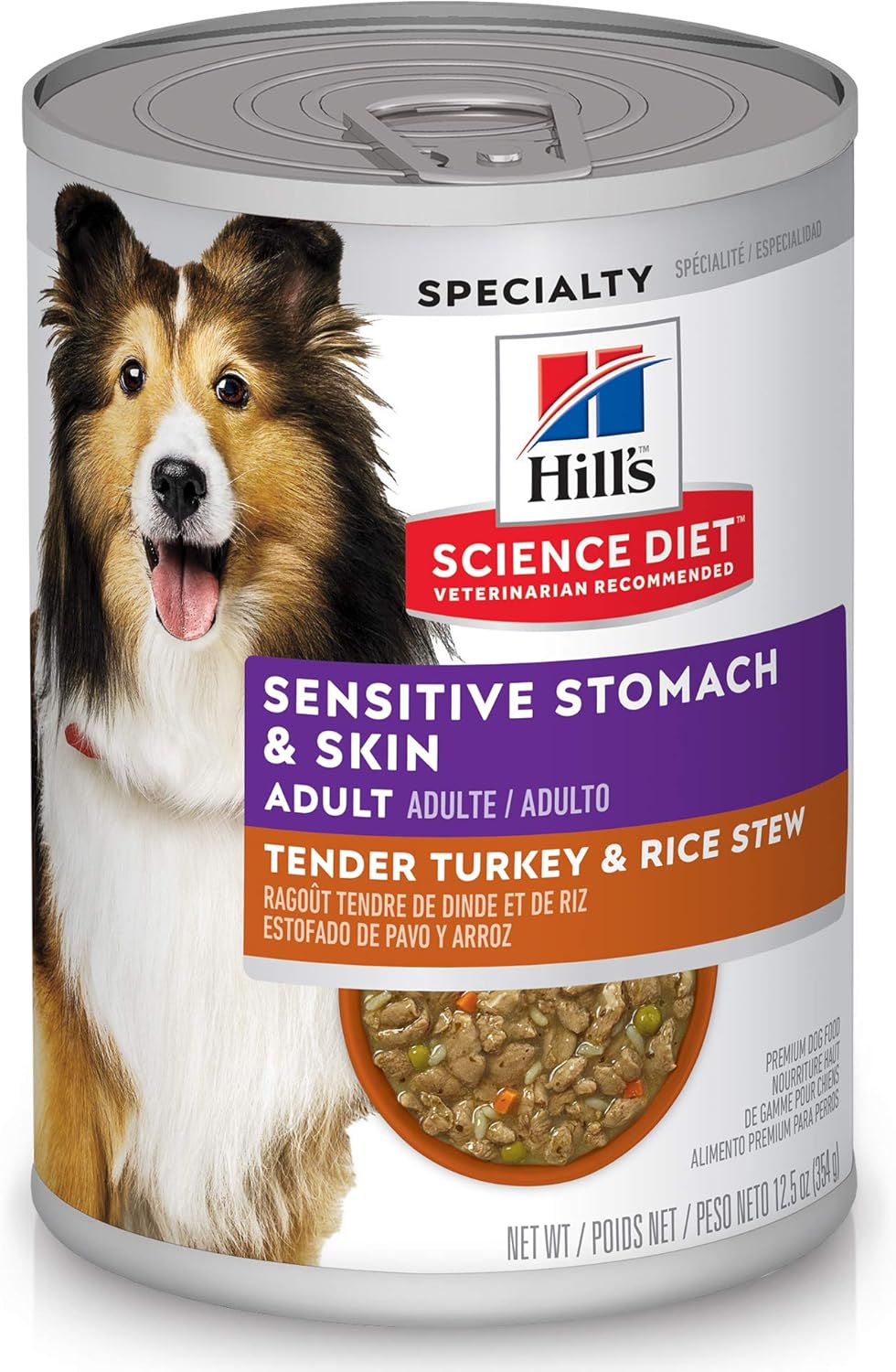
What to Look for When Buying Canned Dog Food for Dry Skin
1. High-Quality Protein Sources
Protein is the foundation of healthy skin and coat. Dogs need a consistent supply of amino acids—especially essential ones like methionine, cysteine, and taurine—to maintain strong skin barriers and promote hair growth. When evaluating canned dog food for dry skin, prioritize products that list a named animal protein as the first ingredient. Look for options like “deboned chicken,” “turkey meal,” or “wild-caught salmon” rather than vague terms like “meat meal” or “animal by-products.” These lower-quality proteins may contain inconsistent nutrient profiles and can trigger allergic reactions in sensitive dogs.
Animal-based proteins are generally more bioavailable than plant-based ones, meaning your dog can absorb and utilize them more efficiently. For dogs with food sensitivities, novel proteins like duck, venison, or rabbit can be excellent alternatives to common allergens like beef or chicken. Additionally, some high-end formulas include hydrolyzed proteins—proteins broken down into smaller molecules—which are less likely to provoke an immune response. Always check the guaranteed analysis on the label to ensure the food meets or exceeds AAFCO (Association of American Feed Control Officials) standards for protein content, typically around 25–30% for adult maintenance diets.
2. Omega-3 and Omega-6 Fatty Acids
Fatty acids are perhaps the most critical nutrients for combating dry, inflamed skin. Omega-3 fatty acids—particularly EPA (eicosapentaenoic acid) and DHA (docosahexaenoic acid)—have potent anti-inflammatory properties that help reduce itching, redness, and flakiness. They also support the skin’s natural barrier function, preventing moisture loss and protecting against environmental irritants. Omega-6 fatty acids, especially linoleic acid, are equally important for maintaining healthy skin and a glossy coat.
Look for canned dog foods that include natural sources of these fatty acids, such as fish oil (from salmon, sardines, or anchovies), flaxseed, chia seeds, or canola oil. The best products will specify the exact type and amount of omega fatty acids, often listing them in the guaranteed analysis. A good rule of thumb is a ratio of omega-6 to omega-3 between 5:1 and 10:1—this balance supports optimal skin health without promoting inflammation. Avoid foods that rely solely on plant-based omega-3s (like flaxseed), as dogs convert these poorly compared to marine-derived sources.
Some premium brands even add supplemental EPA and DHA directly to their formulas, which can be especially beneficial for dogs with chronic skin conditions. For example, foods enriched with algal oil provide a sustainable, vegetarian source of DHA that’s highly bioavailable. If your dog is already on a fish-based diet but still struggling with dry skin, consider asking your vet about adding a high-quality fish oil supplement to their routine.
3. Moisture Content and Hydration Support
One of the biggest advantages of canned dog food over dry kibble is its high moisture content—typically ranging from 70% to 85%. This added hydration is crucial for dogs with dry skin, as dehydration can worsen flakiness and compromise the skin’s elasticity. Dogs, especially seniors or those with kidney issues, often don’t drink enough water on their own, making wet food an excellent way to boost their fluid intake.
When comparing products, check the label for water content. While most canned foods are naturally high in moisture, some brands may use broth or gravy to enhance palatability, which can further increase hydration. However, be cautious of products that rely heavily on thickeners like carrageenan or guar gum, as these can cause digestive upset in some dogs. Opt for formulas with simple, recognizable ingredients and minimal additives.
For dogs with severe dry skin or conditions like seborrhea, combining canned food with fresh water intake is key. Consider using a pet water fountain to encourage drinking, or adding a splash of low-sodium bone broth to their meals for extra flavor and hydration. Some pet owners also rotate between wet and dry food, using kibble as a crunchy topper to stimulate saliva production and aid digestion.
4. Limited and Digestible Ingredients
Simplicity is often the best policy when it comes to managing dry skin, especially if your dog has food sensitivities or allergies. The fewer ingredients a food contains, the easier it is to identify and eliminate potential triggers. Look for canned dog foods with short, transparent ingredient lists—ideally under 15 items—and avoid products with artificial colors, flavors, or preservatives like BHA, BHT, or ethoxyquin.
Common allergens to watch out for include corn, wheat, soy, dairy, and certain proteins like beef or chicken. If your dog has a history of skin issues, consider a limited-ingredient diet (LID) that features a single protein source and a single carbohydrate source, such as lamb and sweet potato or duck and green peas. These formulas are designed to minimize exposure to common irritants while still providing complete nutrition.
Digestibility is another important factor. Even the highest-quality ingredients won’t benefit your dog if they can’t be absorbed properly. Look for foods that include easily digestible carbohydrates like pumpkin, sweet potato, or oats, and avoid those with excessive fillers like corn gluten meal or soybean hulls. Probiotics and prebiotics—such as dried chicory root or lactobacillus—can also support gut health, which is closely linked to skin condition. A healthy gut microbiome helps regulate immune responses and reduces systemic inflammation that can manifest as skin problems.
5. Grain-Free vs. Grain-Inclusive Options
The grain-free debate has been a hot topic in pet nutrition for years, but the truth is more nuanced than many marketing campaigns suggest. While some dogs benefit from grain-free diets—especially those with diagnosed grain allergies—most can tolerate grains just fine. In fact, whole grains like brown rice, oats, and barley provide valuable fiber, B vitamins, and slow-releasing energy that support overall health.
For dogs with dry skin, the decision to go grain-free should be based on individual needs rather than trends. If your dog shows signs of food sensitivity—such as chronic ear infections, gastrointestinal upset, or persistent itching—a grain-free formula may be worth trying. However, it’s important to note that grain-free diets have been linked to an increased risk of dilated cardiomyopathy (DCM) in some dogs, particularly when they rely heavily on legumes like peas, lentils, or chickpeas as primary ingredients.
Instead of focusing solely on grain content, evaluate the overall nutritional profile. A grain-inclusive food with high-quality grains and balanced fatty acids may be more beneficial than a grain-free option filled with low-nutrient fillers. Always consult your veterinarian before making significant dietary changes, especially if your dog has a pre-existing health condition.
6. Brand Reputation and Transparency
Not all pet food brands are created equal. When it comes to your dog’s health, trust matters. Look for companies with a strong track record of quality control, third-party testing, and transparent sourcing practices. Reputable brands will provide detailed information about where their ingredients come from, how their food is manufactured, and whether it’s tested for contaminants like heavy metals or mycotoxins.
Check if the brand conducts feeding trials or follows AAFCO nutrient profiles. While AAFCO compliance is a minimum standard, brands that go beyond it—by publishing nutritional adequacy statements or partnering with veterinary nutritionists—demonstrate a higher level of commitment to pet health. Avoid companies that use vague language like “made with real meat” without specifying the type or percentage.
Reading customer reviews and checking independent ratings from organizations like the Dog Food Advisor or Consumer Reports can also provide valuable insights. Pay attention to feedback about skin improvements, coat shine, and digestive health. However, remember that individual results can vary, and what works for one dog may not work for another.
7. Price and Value for Money
Canned dog food can range from under $1 per can to over $5, depending on the brand, ingredients, and formulation. While it’s tempting to go for the cheapest option, remember that you often get what you pay for. Lower-priced foods may use cheaper protein sources, fillers, or synthetic additives that can worsen skin issues over time.
That said, you don’t need to break the bank to feed your dog a high-quality diet. Many mid-range brands offer excellent value by balancing premium ingredients with reasonable pricing. Look for sales, bulk discounts, or subscription services that can reduce costs over time. Some retailers also offer loyalty programs or cashback rewards for frequent purchases.
When evaluating value, consider the cost per feeding rather than per can. Larger cans may seem more expensive upfront but can be more economical in the long run, especially for medium to large dogs. Additionally, investing in a food that improves your dog’s skin health can reduce the need for expensive vet visits, medicated shampoos, or supplements down the line.
8. Palatability and Acceptance
Even the most nutritious food won’t help if your dog refuses to eat it. Palatability is a crucial factor, especially for picky eaters or dogs with sensitive stomachs. Canned food is generally more aromatic and flavorful than dry kibble, which can encourage reluctant eaters to finish their meals.
When introducing a new food, do so gradually over 7–10 days to avoid digestive upset. Start by mixing a small amount of the new food with the old, increasing the proportion each day. Monitor your dog’s appetite, stool quality, and energy levels during the transition.
If your dog consistently rejects a particular formula, don’t force it. Try a different protein source or texture—some dogs prefer pâté, while others enjoy chunky or shredded varieties. You can also enhance palatability by warming the food slightly or adding a sprinkle of freeze-dried liver powder or bone broth.
Different Types of Canned Dog Food for Dry Skin
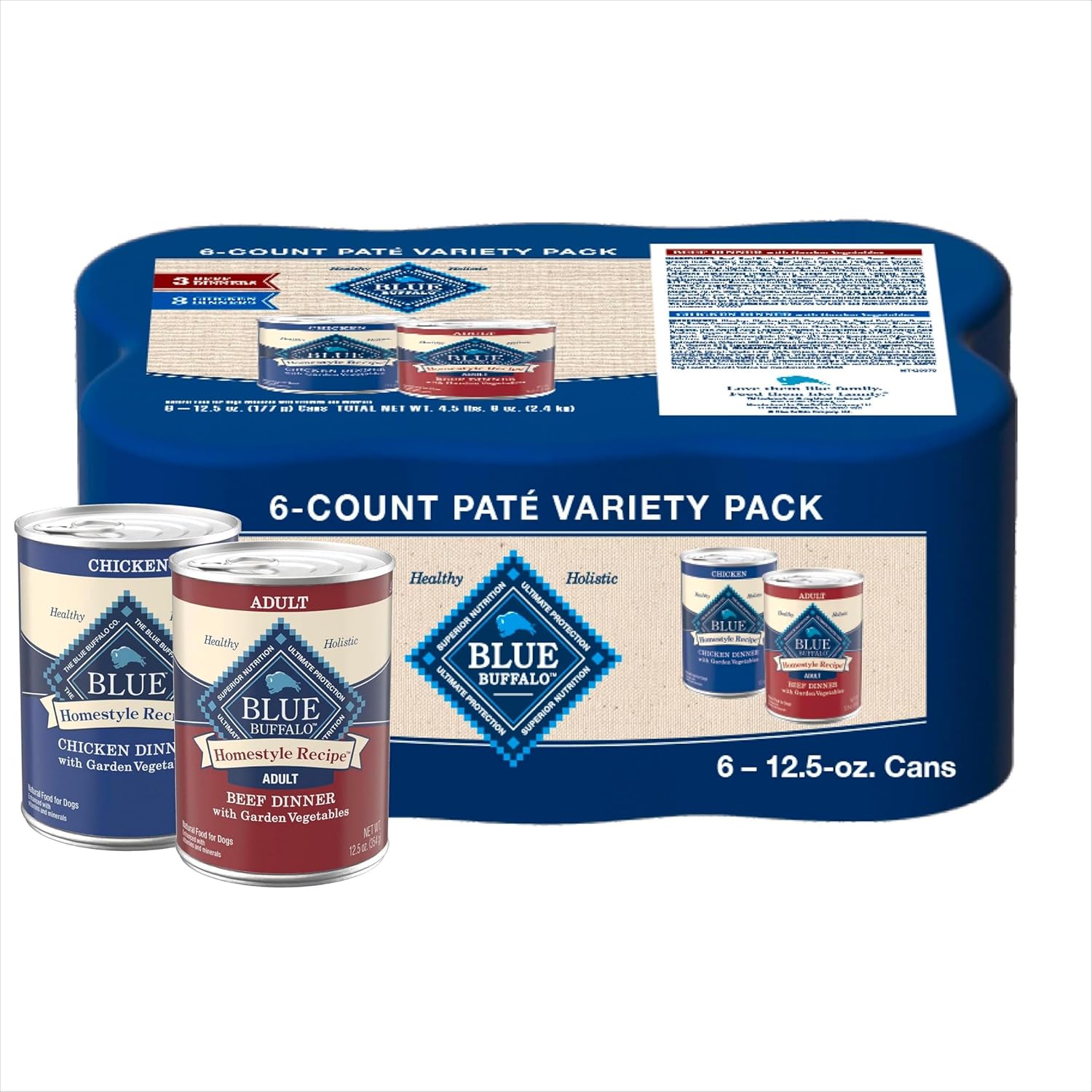
Common Buying Mistakes to Avoid

❌ Mistake: Choosing Based Solely on Marketing Claims
Why it’s bad: Terms like “natural,” “holistic,” or “premium” are not regulated by the FDA or AAFCO, meaning any brand can use them regardless of actual quality. A food labeled “grain-free” might still contain low-quality proteins or excessive legumes that contribute to skin issues.
What to do instead: Always read the ingredient list and guaranteed analysis. Focus on the first five ingredients and look for specific, high-quality components rather than buzzwords.
❌ Mistake: Ignoring Your Dog’s Individual Needs
Why it’s bad: Every dog is different. A food that works wonders for one dog might cause digestive upset or allergic reactions in another. Assuming all dogs with dry skin need the same solution can lead to wasted money and prolonged discomfort.
What to do instead: Consider your dog’s age, breed, activity level, and health history. Consult your vet for personalized recommendations, especially if your dog has chronic conditions.
❌ Mistake: Overlooking Transition Periods
Why it’s bad: Switching foods too quickly can cause diarrhea, vomiting, or refusal to eat. This not only stresses your dog but can also make it harder to determine if the new food is effective.
What to do instead: Gradually transition over 7–10 days, mixing increasing amounts of the new food with the old. Monitor your dog’s response closely.
❌ Mistake: Buying the Cheapest Option Available
Why it’s bad: Low-cost canned foods often use fillers, by-products, and artificial additives that can worsen skin conditions and lead to long-term health problems.
What to do instead: Invest in a mid-range or premium product that prioritizes quality ingredients. Look for sales, bulk discounts, or subscription services to save money.
❌ Mistake: Not Monitoring Results
Why it’s bad: Skin improvements can take 4–8 weeks to become noticeable. Without tracking changes, you might switch foods prematurely or miss signs of improvement.
What to do instead: Keep a journal of your dog’s skin condition, appetite, energy levels, and stool quality. Take photos weekly to document progress.
❌ Mistake: Relying Only on Diet Without Veterinary Input
Why it’s bad: Dry skin can be a symptom of underlying issues like parasites, hormonal imbalances, or infections. Diet alone may not resolve these problems.
What to do instead: Schedule a vet visit to rule out medical causes before making dietary changes. Your vet may recommend diagnostic tests or prescribe medications alongside dietary adjustments.
Budget Guidelines: How Much Should You Spend?
Entry-Level ($1.00 – $2.00 per can): These foods often contain lower-quality proteins, fillers, and minimal omega fatty acids. While they may be suitable for short-term use or dogs with no sensitivities, they’re generally not ideal for managing dry skin. Look for brands that at least list a named meat as the first ingredient and avoid artificial preservatives.
Mid-Range ($2.00 – $3.50 per can): This is the sweet spot for most pet owners. These foods typically feature high-quality proteins, balanced fatty acids, and limited artificial additives. Many include probiotics, natural preservatives, and transparent sourcing. Brands in this range often offer grain-free and limited-ingredient options without the premium price tag.
Premium ($3.50 – $5.00 per can): These products are formulated with top-tier ingredients, including novel proteins, marine-sourced omega-3s, and functional additives like antioxidants and joint support. They’re ideal for dogs with chronic skin issues, food sensitivities, or high energy needs. Many are produced in small batches with rigorous quality control.
Luxury ($5.00+ per can): At this level, you’re paying for cutting-edge nutrition, often including raw or freeze-dried elements, human-grade ingredients, and veterinary oversight. These foods are best for dogs with severe health conditions or owners who prioritize the absolute best. While effective, they may not be necessary for every dog.

Expert Tips for Getting the Best Deal
- Buy in bulk: Many retailers offer discounts when you purchase cases of 12 or 24 cans. This reduces the cost per can and ensures you always have food on hand.
- Sign up for subscriptions: Services like Chewy, Amazon Subscribe & Save, or brand websites often provide 10–20% off recurring orders and free shipping.
- Watch for seasonal sales: Major holidays like Black Friday, Cyber Monday, and pet-specific events (e.g., National Pet Day) often feature deep discounts on premium brands.
- Check return policies: Some stores allow returns on unopened cans if your dog doesn’t like the food. This lets you try new products risk-free.
- Compare unit pricing: Don’t just look at the total price—check the cost per ounce or per feeding to find the best value.
- Use cashback apps: Apps like Rakuten or Honey can earn you money back on pet food purchases at participating retailers.
- Ask your vet for samples: Many veterinary clinics provide free samples of therapeutic diets, which can help you test a product before committing.
- Rotate proteins: Feeding a variety of proteins can prevent sensitivities and keep your dog interested in meals. Just ensure each option supports skin health.

Frequently Asked Questions
Q: How long does it take to see improvements in my dog’s skin after switching foods?
A: Most dogs show noticeable improvements in skin and coat condition within 4 to 8 weeks of consistent feeding. However, dogs with severe allergies or chronic conditions may take longer. Patience and consistency are key.
Q: Can I mix canned food with dry kibble?
A: Yes, many pet owners use a combination of wet and dry food. This can increase hydration and palatability while maintaining dental benefits from kibble. Just adjust portion sizes to avoid overfeeding.
Q: Is grain-free food always better for dogs with dry skin?
A: Not necessarily. While some dogs benefit from grain-free diets, others do well with whole grains. The key is identifying your dog’s specific triggers through elimination or veterinary testing.
Q: Should I avoid foods with carrageenan?
A: Carrageenan is a thickening agent derived from seaweed that has been linked to inflammation in some studies. While the evidence in dogs is limited, many pet owners prefer to avoid it. Look for alternatives like guar gum or xanthan gum, or choose brands that don’t use thickeners.
Q: Can puppies eat the same canned food as adult dogs with dry skin?
A: Puppies have different nutritional needs, especially for growth and development. Choose a formula labeled for “all life stages” or specifically for puppies. Avoid adult maintenance foods, as they may lack sufficient calories and nutrients.
Q: What if my dog still has dry skin after trying multiple foods?
A: Persistent dry skin may indicate an underlying health issue such as hypothyroidism, Cushing’s disease, or environmental allergies. Consult your veterinarian for a thorough evaluation, which may include blood tests, skin scrapings, or allergy testing.
Q: Are homemade diets better than canned food for dry skin?
A: Homemade diets can be beneficial if properly balanced, but they require careful planning to avoid nutritional deficiencies. Most pet owners find it easier and safer to use high-quality commercial foods formulated by veterinary nutritionists.
Q: Can I feed my dog fish-based food every day?
A: Yes, but rotate protein sources occasionally to ensure a broad nutrient profile and reduce the risk of developing sensitivities. Also, be mindful of mercury levels in large fish like tuna—opt for smaller fish like salmon or sardines.
Our Final Recommendations
Best for Budget-Conscious Buyers: Wellness CORE Grain-Free Turkey & Chicken Liver Recipe – Offers high protein, omega fatty acids, and limited ingredients at an affordable price point.
Best Overall Value: Blue Buffalo Wilderness High Protein Grain-Free, Natural Adult Wet Dog Food, Salmon – Combines quality ingredients, palatability, and skin-supportive nutrients without breaking the bank.
Best Premium Option: Royal Canin Veterinary Diet Hydrolyzed Protein Adult HP – Clinically proven for dogs with food allergies and skin conditions, formulated with hydrolyzed soy protein for maximum digestibility.
Best for Beginners: Merrick Grain-Free Real Salmon + Sweet Potato Recipe – Easy to find, widely available, and well-tolerated by most dogs. Great for first-time switchers.
Best for Advanced Users: The Honest Kitchen Human Grade Dehydrated Dog Food, Turkey – While not canned, this rehydratable food offers human-grade ingredients and can be mixed with water to create a wet meal rich in nutrients.
Conclusion: Making the Right Choice
Choosing the best canned dog food for dry skin is about more than just picking a product off the shelf—it’s about understanding your dog’s unique needs and making a thoughtful, informed decision. From prioritizing high-quality proteins and omega fatty acids to avoiding common pitfalls like marketing hype and rushed transitions, every step you take brings your dog closer to healthier, more comfortable skin.
Remember, diet is just one piece of the puzzle. Regular grooming, proper hydration, and veterinary care all play vital roles in maintaining your dog’s overall well-being. While no single food can cure every skin condition, the right canned formula can significantly improve your dog’s quality of life—reducing itching, boosting coat shine, and restoring their natural vitality.
Take the time to evaluate your options, read labels carefully, and monitor your dog’s response. With patience and the right approach, you’ll find a food that not only supports their skin health but also brings joy to mealtime. Your dog deserves nothing less.