

When your dog starts scratching incessantly, develops rashes, or experiences digestive issues like vomiting or diarrhea, it’s not just uncomfortable for them—it’s heartbreaking for you as a pet parent. Food allergies in dogs are more common than many realize, affecting up to 10% of all dogs at some point in their lives. Unlike seasonal allergies triggered by pollen or dust, food allergies stem from an immune system overreaction to specific ingredients in your dog’s diet—most commonly proteins like beef, chicken, dairy, wheat, or soy. Identifying and managing these allergies requires careful attention to what goes into your dog’s bowl, which is why choosing the right dog food is absolutely critical.
This comprehensive buying guide is designed to cut through the noise and help you make an informed decision about the best dog food for allergies in 2026. Whether you’re dealing with a newly diagnosed allergy or looking to switch brands for better symptom control, we’ll walk you through everything you need to know—from understanding ingredient labels and protein sources to evaluating brand transparency and nutritional balance. We’ve analyzed dozens of top-rated hypoallergenic and limited-ingredient dog foods, consulted veterinary nutritionists, and reviewed real-world owner feedback to bring you a trusted, science-backed resource. By the end of this guide, you’ll know exactly what to look for, what to avoid, and how to find a formula that keeps your pup healthy, happy, and itch-free.
The market for allergy-friendly dog food has exploded in recent years, driven by rising awareness of canine food sensitivities and a growing demand for high-quality, transparent pet nutrition. From prescription veterinary diets to over-the-counter limited-ingredient formulas, there’s no shortage of options—but not all are created equal. Some brands use vague labeling like “natural” or “premium” without meaningful standards, while others rely on marketing buzzwords rather than proven efficacy. This guide will help you navigate the crowded landscape with confidence, ensuring you choose a product that truly meets your dog’s unique dietary needs without overspending or compromising on nutrition.

What to Look for When Buying Dog Food for Allergies
1. Limited Ingredient Formulas
One of the most important factors when selecting dog food for allergies is the use of limited ingredient formulas (LIFs). These diets contain fewer components than standard kibble, reducing the number of potential allergens your dog is exposed to. Typically, LIFs feature a single novel protein source—such as duck, venison, kangaroo, or salmon—that your dog hasn’t eaten before, minimizing the risk of triggering an immune response. They also include a single carbohydrate source like sweet potato, peas, or chickpeas, which are less likely to cause reactions than grains like wheat or corn.
When evaluating limited ingredient diets, look for products that clearly list every ingredient on the label and avoid vague terms like “meat meal” or “animal digest.” Transparency is key—brands that disclose full sourcing and manufacturing practices tend to be more reliable. Additionally, ensure the formula doesn’t contain common fillers, artificial preservatives, or by-products, as these can exacerbate sensitivities even if they’re not direct allergens.
2. Novel or Hydrolyzed Protein Sources
Protein is the most common culprit in canine food allergies, accounting for over 80% of cases. That’s why identifying and using novel proteins—those your dog has never consumed—is essential during an elimination diet or long-term management. Novel proteins include exotic meats like rabbit, bison, lamb (if not previously fed), or even insect-based proteins such as black soldier fly larvae, which are gaining traction for their sustainability and hypoallergenic properties.
Alternatively, hydrolyzed protein diets break down intact proteins into peptides so small that the immune system no longer recognizes them as threats. These are typically formulated by veterinary nutritionists and available through your vet. While more expensive, they’re considered the gold standard for diagnosing and managing food allergies because they virtually eliminate the risk of cross-reactivity.
When choosing a novel protein, rotate sources carefully and avoid mixing multiple new proteins at once, as this can complicate allergy identification. Always introduce new foods gradually over 7–10 days to monitor for adverse reactions.
3. Grain-Free vs. Grain-Inclusive Options
The debate around grain-free diets has evolved significantly in recent years. While grains like wheat, barley, and corn were once blamed for many dog allergies, research now shows that true grain allergies are relatively rare—affecting less than 10% of allergic dogs. In fact, legumes and potatoes used as grain substitutes in many “grain-free” formulas have been linked to a rise in diet-associated dilated cardiomyopathy (DCM) in some breeds, prompting the FDA to investigate.
That said, if your dog has been diagnosed with a specific grain allergy—confirmed through an elimination diet—opting for a grain-free formula may be necessary. However, for most dogs with food sensitivities, a grain-inclusive diet with easily digestible whole grains like oats, brown rice, or quinoa can provide beneficial fiber, vitamins, and minerals without triggering symptoms.
The key is to match the grain content to your dog’s individual needs. If you’re unsure, consult your veterinarian before making a switch. Avoid blindly following trends; instead, base your decision on clinical evidence and your dog’s health history.
4. Absence of Common Allergens and Fillers
Beyond proteins and grains, many commercial dog foods contain hidden allergens and low-quality fillers that can worsen symptoms. Common offenders include:
- Artificial additives: Colors, flavors, and preservatives like BHA, BHT, and ethoxyquin may trigger sensitivities.
- Dairy products: Lactose intolerance is common in dogs and can mimic food allergy symptoms like gas, bloating, and diarrhea.
- Soy and corn: These are frequent allergens and often used as cheap protein or carbohydrate sources.
- By-products and meat meals: These can contain inconsistent protein sources and may include parts of animals not intended for human consumption.
Always read the ingredient list thoroughly—not just the marketing claims on the front of the bag. Ingredients are listed by weight, so the first few items should be high-quality proteins and digestible carbs. Avoid products where fillers like “brewer’s rice” or “poultry by-product meal” appear early in the list.
5. Digestive Health Support
Food allergies often manifest through gastrointestinal distress, so choosing a formula that supports digestive health is crucial. Look for dog foods that include prebiotics (like fructooligosaccharides or FOS) and probiotics (such as Enterococcus faecium or Lactobacillus acidophilus), which help maintain a balanced gut microbiome. A healthy gut lining acts as a barrier against allergens and improves nutrient absorption.
Additionally, easily digestible ingredients like pumpkin, ginger, or slippery elm can soothe irritated digestive tracts. Omega-3 fatty acids from sources like fish oil or flaxseed also reduce inflammation throughout the body, including the gut and skin—two areas commonly affected by allergies.
Avoid formulas with excessive fat or hard-to-digest proteins, as these can overwhelm a sensitive digestive system. If your dog has chronic diarrhea or vomiting, consider a highly digestible veterinary therapeutic diet until symptoms stabilize.
6. Brand Transparency and Manufacturing Practices
Not all pet food companies are equally committed to quality and safety. Reputable brands provide detailed information about where their ingredients are sourced, how their food is manufactured, and whether third-party testing is performed. Look for companies that conduct regular pathogen screening, use human-grade ingredients, and avoid co-manufacturing with brands that have had recalls.
Transparency also extends to labeling. Brands that voluntarily disclose country of origin for major ingredients, list guaranteed analysis with clear percentages, and avoid misleading terms (e.g., “natural” without definition) demonstrate greater accountability. Some top-tier brands even publish annual sustainability and safety reports.
Check the brand’s recall history via the FDA’s pet food recall database. Frequent recalls—even for unrelated issues—can indicate poor quality control. Opt for companies with a track record of consistency and responsiveness to consumer concerns.
7. Veterinarian Recommendation and Clinical Backing
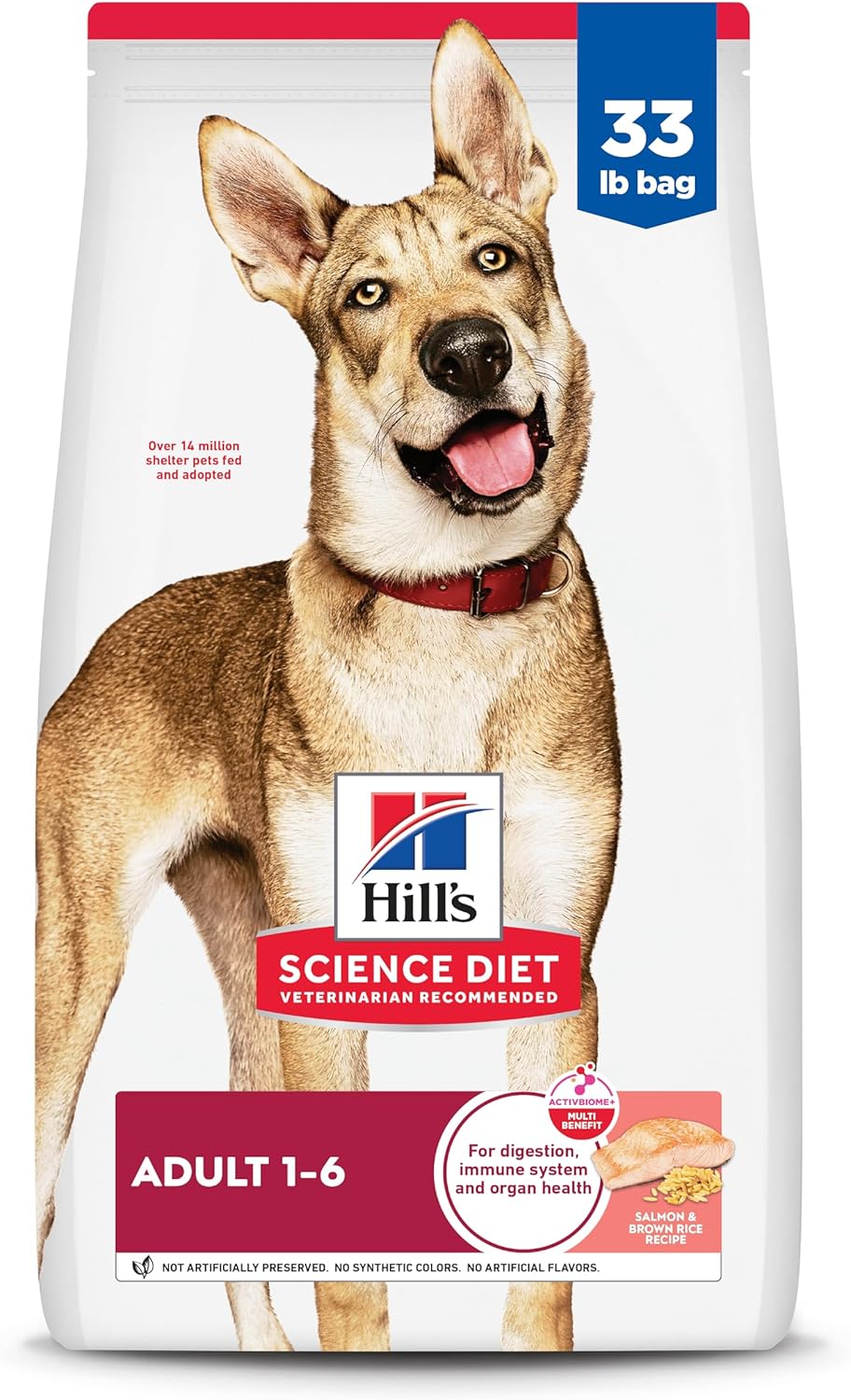
While many over-the-counter limited-ingredient diets are effective, severe or persistent allergies often require veterinary intervention. Prescription diets from brands like Hill’s Science Diet, Royal Canin, or Purina Pro Plan Veterinary Diets are formulated under strict scientific guidelines and backed by clinical trials. These diets are especially valuable during the diagnostic phase of an elimination diet, where accuracy is paramount.
Your vet may recommend a hydrolyzed protein diet or a novel protein formula based on your dog’s medical history, breed predispositions, and symptom severity. Even if you choose an OTC option, it’s wise to involve your veterinarian to rule out other conditions like environmental allergies, parasites, or infections that can mimic food allergies.
Never attempt to diagnose or treat a suspected food allergy without professional guidance. Misdiagnosis can lead to nutritional deficiencies or prolonged discomfort for your dog.
8. Palatability and Acceptance
No matter how nutritionally perfect a diet is, it won’t help if your dog refuses to eat it. Palatability is especially important for dogs with allergies, who may already be experiencing nausea, mouth irritation, or reduced appetite due to discomfort. Look for formulas with natural flavor enhancers like real meat broth, freeze-dried liver coating, or fermented ingredients that boost taste without artificial additives.
Some dogs prefer wet food over dry kibble due to texture or smell sensitivity. Rotisserie-style stews or pâtés with limited ingredients can be excellent alternatives. If your dog is picky, try offering small samples before committing to a full bag—many brands offer trial sizes or money-back guarantees.
Gradual transitions are also key. Sudden diet changes can cause digestive upset, even with hypoallergenic foods. Mix increasing amounts of the new food with the old over 7–10 days to allow your dog’s system to adapt.
Different Types of Dog Food for Allergies

Common Buying Mistakes to Avoid

❌ Mistake: Assuming All “Grain-Free” Foods Are Hypoallergenic
Why it’s bad: Many pet owners mistakenly believe that grain-free automatically means allergy-friendly. However, as noted earlier, grain allergies are uncommon, and grain-free formulas often replace grains with legumes or potatoes—ingredients that can themselves be allergenic or linked to heart issues in some dogs.
What to do instead: Focus on the full ingredient list, not just the absence of grains. Choose a diet based on your dog’s specific allergens, confirmed through veterinary testing or an elimination diet.
❌ Mistake: Switching Brands Too Frequently
Why it’s bad: Constantly rotating dog foods can prevent you from accurately identifying the source of an allergy. It also stresses your dog’s digestive system and may lead to nutrient imbalances.
What to do instead: Stick with one hypoallergenic formula for at least 8–12 weeks to assess its effectiveness. Only change if symptoms persist or worsen.
❌ Mistake: Ignoring Treats and Table Scraps
Why it’s bad: Even if your dog’s main meals are allergy-safe, treats, flavored medications, or human food can contain hidden allergens that undermine your efforts.
What to do instead: Use hypoallergenic treats made with the same novel protein as your dog’s food. Check medication labels for inactive ingredients like beef or wheat derivatives.
❌ Mistake: Relying Solely on Marketing Claims
Why it’s bad: Terms like “natural,” “holistic,” or “premium” are not regulated in pet food and can be used misleadingly. A bag may claim to be “for sensitive skin” but still contain common allergens.
What to do instead: Read the ingredient panel and guaranteed analysis. Prioritize brands with third-party certifications and transparent sourcing.
❌ Mistake: Skipping Veterinary Consultation
Why it’s bad: Food allergies share symptoms with many other conditions, including environmental allergies, flea dermatitis, and bacterial infections. Self-diagnosing can delay proper treatment.
What to do instead: Always consult your vet before starting an elimination diet. They can rule out other causes and recommend the most appropriate diagnostic approach.
❌ Mistake: Overlooking Cross-Contamination Risks
Why it’s bad: Some manufacturers produce multiple formulas in the same facility, risking cross-contact with allergens. This is especially problematic for dogs with severe sensitivities.
What to do instead: Choose brands that state they avoid cross-contamination or produce hypoallergenic lines in dedicated facilities. Look for statements like “made in a facility free of chicken” if your dog is allergic to poultry.
Budget Guidelines: How Much Should You Spend?
- Entry-Level ($1.50–$2.50 per lb): These budgets typically cover basic limited-ingredient formulas from mainstream brands. While affordable, they may use less novel proteins (e.g., lamb, which is common) or include minor fillers. Best for dogs with mild sensitivities or as a short-term trial. Examples include Purina ONE Sensitive Stomach or Iams Limited Ingredient.
- Mid-Range ($2.50–$4.00 per lb): This is the sweet spot for most allergy-prone dogs. You’ll find high-quality novel proteins (duck, salmon, venison), grain-inclusive or thoughtfully grain-free options, and added digestive support. Brands like Wellness Simple, Natural Balance L.I.D., and Canidae Pure fall here. Excellent balance of cost, quality, and efficacy.
- Premium ($4.00–$6.00 per lb): Ideal for dogs with moderate to severe allergies or owners seeking maximum transparency and innovation. Includes hydrolyzed protein diets (often prescription), insect-based proteins, and fresh-prepared options. Brands like Royal Canin Veterinary Diet, Hill’s Prescription Diet, and Open Farm offer exceptional quality but come at a higher price.
- Luxury ($6.00+ per lb): Reserved for customized fresh meals, raw diets formulated by veterinary nutritionists, or boutique brands using human-grade, organic ingredients. While offering unparalleled control and quality, these options require careful handling and may not be necessary for all dogs. Best suited for complex cases or owners with flexible budgets.

Expert Tips for Getting the Best Deal
- Buy in bulk during sales: Many retailers (Chewy, Petco, Amazon) offer discounts on auto-ship orders or during seasonal promotions like Black Friday or National Pet Day. Stock up when prices drop, but only if your dog tolerates the food well.
- Use vet-exclusive coupons: Some prescription diets offer rebates or free trial bags through your veterinarian. Ask if your clinic participates in manufacturer loyalty programs.
- Compare unit pricing: A 10-lb bag may seem cheaper than a 25-lb bag, but check the price per pound. Larger sizes often offer better value, especially for multi-dog households.
- Look for money-back guarantees: Reputable brands like Natural Balance and Blue Buffalo offer satisfaction guarantees. If your dog doesn’t tolerate the food, you can return it for a refund.
- Join brand loyalty programs: Sign up for newsletters from your preferred brands to receive exclusive discounts, early access to new products, and educational content.
- Test before committing: Purchase small bags or sample packs first. Most dogs need 2–4 weeks to show improvement, so don’t judge too quickly—but also don’t persist if symptoms worsen.
- Factor in long-term health savings: Investing in high-quality allergy food now can reduce vet bills, medication costs, and discomfort later. Think of it as preventive healthcare.
Frequently Asked Questions
Q: How long does it take to see improvement after switching to allergy-friendly dog food?
A: Most dogs show noticeable improvement within 2–4 weeks, but full resolution of symptoms can take 8–12 weeks. Skin issues like itching and rashes may improve faster than digestive problems. Consistency is key—avoid giving any other foods during this period.
Q: Can puppies have food allergies?
A: Yes, though less common than in adult dogs. Puppies can develop allergies as early as 6–12 months old. Use age-appropriate limited-ingredient formulas and consult your vet before making dietary changes.
Q: Is raw food better for dogs with allergies?
A: Raw diets can work for some dogs, but they carry risks like bacterial contamination and nutritional imbalances. If considering raw, work with a veterinary nutritionist to ensure completeness and safety. Many owners find success with gently cooked or freeze-dried raw alternatives.
Q: What if my dog is allergic to everything?
A: This is rare but possible. In such cases, hydrolyzed protein diets are usually the best option, as they break proteins down to non-allergenic levels. Your vet may also recommend an elimination diet under strict supervision.
Q: Can I make homemade dog food for allergies?
A: Yes, but it’s challenging to ensure nutritional balance without professional guidance. Use recipes formulated by board-certified veterinary nutritionists and supplement as needed. Homemade diets require regular bloodwork to monitor health.
Q: Do probiotics help with food allergies?
A: Probiotics support gut health and may reduce inflammation, but they don’t treat the root cause of food allergies. They’re best used as a complementary therapy alongside an appropriate diet.
Q: Are grain-free diets linked to heart disease?
A: The FDA has investigated a potential link between certain grain-free diets (especially those high in legumes or potatoes) and DCM in dogs. While not all grain-free foods are risky, it’s wise to discuss this with your vet, especially for breeds predisposed to heart issues.
Q: Can environmental allergies mimic food allergies?
A: Absolutely. Pollen, mold, and dust mites can cause similar skin and ear symptoms. Your vet may recommend allergy testing or a trial of antihistamines before pursuing dietary changes.
Q: Should I rotate proteins to prevent new allergies?
A: Protein rotation is controversial. While variety can reduce the risk of developing new sensitivities, it can also complicate allergy diagnosis. Most experts recommend sticking to one proven-safe protein unless advised otherwise by your vet.
Our Final Recommendations
- Best for Budget-Conscious Buyers: Natural Balance L.I.D. Limited Ingredient Diets Sweet Potato & Fish Formula – Affordable, widely available, and uses a novel protein (fish) with minimal fillers. Great for mild sensitivities.
- Best Overall Value: Wellness Simple Limited Ingredient Diet Salmon & Potato – Combines high-quality salmon, prebiotics, and omega fatty acids at a reasonable price. Excellent palatability and digestive support.
- Best Premium Option: Royal Canin Veterinary Diet Hydrolyzed Protein HP – Clinically proven, highly effective for severe allergies, and available through your vet. Ideal for diagnostic and long-term management.
- Best for Beginners: Blue Buffalo Basics Limited Ingredient Diet Turkey & Potato – Easy to find, clearly labeled, and gentle on sensitive systems. A trustworthy entry point for new allergy management.
- Best for Advanced Users: Open Farm Pasture-Raised Lamb Recipe with Pumpkin – Human-grade ingredients, transparent sourcing, and crafted for dogs with multiple sensitivities. Includes probiotics and no legumes.
Conclusion: Making the Right Choice
Choosing the right dog food for allergies isn’t just about avoiding certain ingredients—it’s about supporting your dog’s overall health, comfort, and quality of life. With so many options available in 2026, the key is to prioritize transparency, scientific backing, and your dog’s individual needs over marketing hype or trends. Remember, what works for one dog may not work for another, so patience and persistence are essential.
Start by consulting your veterinarian to confirm a food allergy and rule out other conditions. Then, select a limited-ingredient or hydrolyzed formula that aligns with your budget and your dog’s sensitivities. Monitor symptoms closely, avoid cross-contamination, and give the diet enough time to work. Over time, you’ll likely see a happier, healthier pup with clearer skin, better digestion, and fewer trips to the vet.
Ultimately, the best dog food for allergies is the one that keeps your furry friend thriving—without guesswork or compromise. Use this guide as your roadmap, trust your instincts as a pet parent, and never hesitate to seek professional advice when in doubt. Your dog deserves nothing less than the very best.