

Pregnancy in dogs is a critical period that demands special attention to nutrition, health, and overall well-being. Unlike routine feeding, nourishing a pregnant dog isn’t just about filling her bowl—it’s about supporting the development of healthy puppies while maintaining the mother’s strength, energy, and immune function. A high-quality, nutrient-dense diet can mean the difference between a smooth pregnancy and delivery or complications that affect both the dam and her litter. Unfortunately, many pet owners unknowingly feed their pregnant dogs standard adult maintenance formulas, which often lack the elevated levels of protein, fat, vitamins, and minerals required during this demanding life stage. This oversight can lead to poor milk production, weak puppies, or even maternal health issues like eclampsia.
That’s why choosing the right dog food for pregnant dogs is one of the most important decisions you’ll make as a responsible breeder or pet parent. With countless brands flooding the market—ranging from budget-friendly kibble to premium, veterinary-formulated diets—it’s easy to feel overwhelmed. Some products claim to be “complete and balanced,” but not all meet the specific nutritional needs of gestation and lactation. This comprehensive buying guide cuts through the noise, offering expert-backed insights to help you select the safest, most effective food for your expectant dog. You’ll learn how to evaluate ingredients, understand labeling claims, compare product types, avoid common pitfalls, and make informed choices based on your dog’s breed, size, and stage of pregnancy.
The market for prenatal canine nutrition has evolved significantly in recent years. Reputable brands now offer scientifically formulated diets designed specifically for breeding females, with enhanced levels of DHA for brain development, calcium for bone health, and digestible proteins to support rapid fetal growth. Meanwhile, raw, freeze-dried, and fresh-food options have gained popularity among holistic-minded owners. However, not all trends are backed by evidence, and some may even pose risks if not properly balanced. Whether you’re preparing for your first litter or managing a seasoned broodmare, this guide will equip you with the knowledge to navigate the options confidently. From budget considerations to ingredient analysis and feeding protocols, we’ve covered every angle to ensure your pregnant dog thrives—and delivers a healthy, vibrant litter.

What to Look for When Buying Buying Guide
1. Nutritional Profile & AAFCO Compliance
The foundation of any quality dog food for pregnant dogs lies in its nutritional profile. During gestation and especially lactation, a female dog’s energy requirements can increase by up to 200%. Look for formulas that are explicitly labeled as meeting AAFCO (Association of American Feed Control Officials) nutrient profiles for “growth” or “reproduction”—not just “adult maintenance.” These standards ensure the food contains adequate levels of protein (minimum 22%, ideally 26–30%), fat (minimum 8%, preferably 15–20%), DHA (docosahexaenoic acid) for neurological development, and essential minerals like calcium and phosphorus in proper ratios (ideally 1.2:1 to 1.4:1). Avoid foods with vague terms like “meat meal” without species specification (e.g., “chicken meal” is acceptable; “meat meal” is not), and prioritize named animal proteins as the first ingredient.
2. Protein Quality and Digestibility
High-quality protein is non-negotiable for pregnant dogs. It supports fetal tissue development, milk production, and maternal muscle maintenance. Opt for foods where real meat (chicken, lamb, turkey, fish) appears as the first ingredient, followed by digestible protein sources like egg, liver, or hydrolyzed proteins. Avoid plant-heavy formulas that rely on soy, corn gluten meal, or wheat gluten as primary protein sources—these are less bioavailable and may not meet the amino acid demands of pregnancy. Digestibility matters too: highly digestible proteins reduce waste volume and ensure maximum nutrient absorption. Look for brands that disclose digestibility scores or use human-grade ingredients, which typically undergo stricter quality controls.
3. Fat Content and Essential Fatty Acids
Fat is the most concentrated source of energy, crucial during late pregnancy and peak lactation when caloric needs soar. However, not all fats are equal. Seek foods rich in omega-3 fatty acids (especially DHA from fish oil or algae) and omega-6 fatty acids (from poultry fat or sunflower oil). DHA supports retinal and brain development in puppies, while balanced omega ratios promote healthy skin and coat in the mother. Avoid excessive saturated fats or unnamed “animal fats,” which can indicate low-quality rendering. A good prenatal formula should list specific fat sources and maintain an omega-6 to omega-3 ratio between 5:1 and 10:1 for optimal health.
4. Calcium and Phosphorus Balance
Calcium is vital for skeletal development in puppies and milk production in the mother. However, both deficiency and excess can be dangerous. Too little calcium can lead to eclampsia (milk fever), a life-threatening condition caused by low blood calcium during lactation. Too much, especially in large-breed dogs, can disrupt bone development and cause skeletal abnormalities. The ideal calcium-to-phosphorus ratio is between 1.2:1 and 1.4:1. Avoid supplementing calcium unless advised by a veterinarian—many owners mistakenly add calcium to already balanced diets, risking toxicity. Choose foods that naturally provide this balance through ingredients like bone meal, dairy, or fortified formulas.
5. Caloric Density and Feeding Flexibility
Pregnant dogs need more calories, but their stomach capacity shrinks in late pregnancy due to uterine expansion. This makes caloric density essential—you want a food that delivers maximum energy in smaller portions. Look for energy-dense kibble or wet foods with higher fat and protein content. Additionally, consider feeding flexibility: some dogs lose appetite in early pregnancy due to nausea, while others become ravenous later. Choose a brand that offers both dry and wet options, or one with rehydratable formulas, so you can adjust texture and volume as needed. Gradual transitions between trimesters are also easier with versatile products.
6. Ingredient Transparency and Sourcing
Trustworthy brands disclose full ingredient lists, sourcing practices, and manufacturing locations. Avoid foods with artificial preservatives (BHA, BHT, ethoxyquin), fillers (corn, wheat, soy), or by-products. Instead, look for natural preservatives like mixed tocopherols (vitamin E) and rosemary extract. Premium brands often use human-grade, non-GMO, or sustainably sourced ingredients. Check if the company conducts feeding trials (not just lab analysis) to verify nutritional adequacy. Transparency extends to recalls and customer service—reputable companies respond promptly to concerns and provide detailed nutritional consultations.
7. Brand Reputation and Veterinary Endorsement
Not all dog food brands are created equal. Research the manufacturer’s history, recall record, and scientific backing. Brands like Royal Canin, Hill’s Science Diet, and Purina Pro Plan have veterinary nutritionists on staff and conduct extensive research. Others, like Wellness, Blue Buffalo, and The Honest Kitchen, emphasize natural ingredients and holistic approaches. While both paths can be valid, prioritize brands with proven track records in breeding nutrition. Veterinary endorsement or recommendation adds credibility—many vets stock or recommend specific prenatal formulas based on clinical experience.
8. Packaging, Shelf Life, and Storage
Practical considerations matter too. Pregnant dogs may eat more frequently, so larger bags (15–25 lbs) can be cost-effective—but only if they stay fresh. Look for resealable bags with oxygen barriers to prevent rancidity, especially in high-fat formulas. Check expiration dates and avoid bulk purchases if your dog won’t consume the food within 6–8 weeks of opening. Freeze-dried or fresh foods require refrigeration or freezing, so consider your storage capacity. For raw diets, ensure the brand follows strict pathogen control protocols (e.g., high-pressure processing) to minimize bacterial risks.
Different Types of Buying Guide

Common Buying Mistakes to Avoid
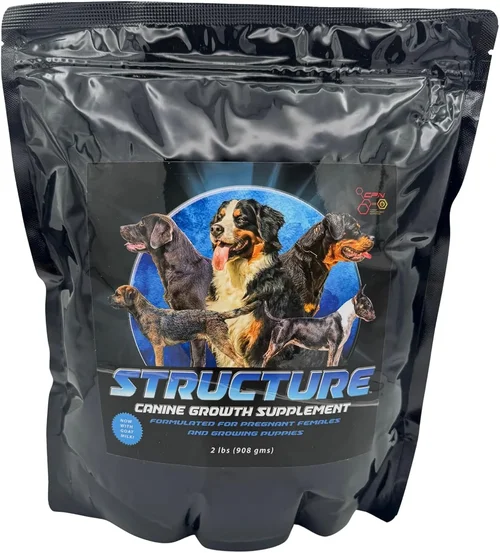
❌ Mistake: Feeding Adult Maintenance Food Throughout Pregnancy
Why it’s bad: Adult maintenance formulas lack the elevated protein, fat, and micronutrients needed for fetal development and milk production. This can lead to poor puppy growth, low birth weights, and maternal exhaustion.
What to do instead: Switch to a growth or reproduction formula by week 5 of pregnancy. Gradually transition over 7–10 days to avoid digestive upset.
❌ Mistake: Over-Supplementing Vitamins and Minerals
Why it’s bad: Adding calcium, vitamin D, or multivitamins to a balanced prenatal diet can cause toxicity, skeletal deformities in puppies, or kidney strain in the mother.
What to do instead: Rely on a complete, AAFCO-compliant formula. Only supplement under direct veterinary guidance—especially during lactation if milk production is insufficient.
❌ Mistake: Choosing Based Solely on Price
Why it’s bad: Cheap foods often use low-quality proteins, fillers, and synthetic additives that compromise nutrition and may cause allergies or digestive issues.
What to do instead: View prenatal nutrition as an investment. Mid-range to premium foods reduce vet bills long-term and support healthier litters.
❌ Mistake: Ignoring Breed-Specific Needs
Why it’s bad: Large breeds (e.g., Great Danes) need controlled calcium to prevent developmental orthopedic disease, while small breeds (e.g., Chihuahuas) require highly digestible, energy-dense food to avoid hypoglycemia.
What to do instead: Select breed-specific formulas when available (e.g., Royal Canin Labrador Retriever Puppy for large breeds) or consult your vet for tailored advice.
❌ Mistake: Sudden Diet Changes Close to Whelping
Why it’s bad: Switching foods in the final weeks can cause diarrhea, stress, or refusal to eat—critical risks when the dog needs maximum energy for labor.
What to do instead: Finalize the diet by week 6 and stick with it. Keep a small stash of the same food post-whelping for smooth transition.
❌ Mistake: Overfeeding in Early Pregnancy
Why it’s bad: Most weight gain occurs in the last trimester. Overfeeding early can lead to obesity, which complicates delivery and reduces mobility.
What to do instead: Maintain normal portions until week 5, then increase by 10–20% weekly. Monitor body condition—aim for a visible waist and palpable ribs.
❌ Mistake: Disregarding Hydration
Why it’s bad: Pregnant and lactating dogs lose significant fluids through milk production. Dehydration can cause constipation, reduced milk yield, and kidney stress.
What to do instead: Always provide fresh water. Mix wet food or broth into kibble to boost moisture intake, especially in dry climates.
Budget Guidelines: How Much Should You Spend?
Feeding a pregnant dog doesn’t have to break the bank—but cutting corners can cost more in vet bills down the line. Here’s a realistic breakdown of what to expect at each price tier:
Entry-Level ($1.50–$2.50/lb): These foods often meet minimum AAFCO standards but may use lower-quality proteins (e.g., meat by-products, corn gluten) and synthetic additives. While acceptable for short-term use in low-risk pregnancies, they’re not ideal for high-producing dams or large litters. Examples include some store-brand “puppy” formulas. Best for budget-conscious owners with small breeds and single pregnancies.
Mid-Range ($2.50–$4.00/lb): This is the sweet spot for most breeders. Brands like Purina Pro Plan Puppy, Iams ProActive Health, and Nutro Ultra offer scientifically balanced nutrition with named meats, healthy fats, and added DHA. Many include probiotics for digestion and antioxidants for immunity. These formulas support healthy pregnancies without premium pricing.
Premium ($4.00–$6.00/lb): Designed for serious breeders and high-risk pregnancies, these foods use human-grade ingredients, novel proteins (duck, salmon), and advanced formulations. Brands like Royal Canin Reproduction, Hill’s Science Diet Puppy, and Wellness CORE Puppy provide breed-specific options, enhanced digestibility, and veterinary backing. Ideal for large litters, repeat pregnancies, or dogs with health conditions.
Luxury ($6.00+/lb): Includes fresh (The Farmer’s Dog), freeze-dried raw (Stella & Chewy’s), and custom-blended diets. These offer maximum nutrient bioavailability, minimal processing, and personalized nutrition. Best for owners prioritizing holistic health, dogs with sensitivities, or those willing to invest in top-tier outcomes. Requires more storage and preparation but delivers exceptional results.

Expert Tips for Getting the Best Deal
- Buy in Bulk During Sales: Many retailers (Chewy, Petco, Amazon) offer 15–30% off on large bags during seasonal promotions (Black Friday, end-of-summer). Stock up before pregnancy begins.
- Subscribe & Save: Auto-ship programs often include discounts (5–10%) and free shipping. Ideal for consistent feeding without last-minute runs.
- Compare Unit Prices: Don’t be fooled by package size. A 30-lb bag at $90 ($3.00/lb) is better value than a 10-lb bag at $25 ($2.50/lb) if your dog will consume it before expiration.
- Ask Your Vet for Samples: Many premium brands provide free samples to clinics. Try small amounts before committing to a large purchase.
- Check Return Policies: If your dog refuses the food, ensure the retailer accepts returns (most do within 30 days if unopened).
- Avoid “Miracle” Claims: Steer clear of brands promising “super puppies” or “guaranteed fertility.” Legitimate nutrition supports health—it doesn’t perform miracles.
- Rotate Proteins Post-Pregnancy: Once weaning begins, gradually transition back to adult food to prevent digestive issues. Keep prenatal food on hand for future litters.
Frequently Asked Questions
Q: When should I start feeding puppy food to my pregnant dog?
A: Begin transitioning to a growth or reproduction formula around week 5 of pregnancy. Prior to that, a high-quality adult food is sufficient. Sudden changes earlier can cause nausea.
Q: Can I feed my pregnant dog raw food?
A: Yes, but only if it’s AAFCO-compliant and pathogen-tested. Homemade raw diets risk nutritional imbalances—consult a veterinary nutritionist to formulate a safe recipe.
Q: How much should I feed my pregnant dog?
A: Start with maintenance portions, then increase by 10–20% weekly from week 5 onward. By whelping, she may eat 2–3 times her normal amount. Divide into 3–4 small meals to aid digestion.
Q: Is it safe to switch brands during pregnancy?
A: Only if necessary (e.g., allergy, unavailability). Always transition gradually over 7–10 days to avoid gastrointestinal upset. Avoid changes in the final two weeks.
Q: What if my dog refuses to eat during pregnancy?
A: Morning sickness is common in early pregnancy. Offer small, frequent meals of wet food, boiled chicken, or broth-soaked kibble. If appetite loss persists beyond a few days, consult your vet.
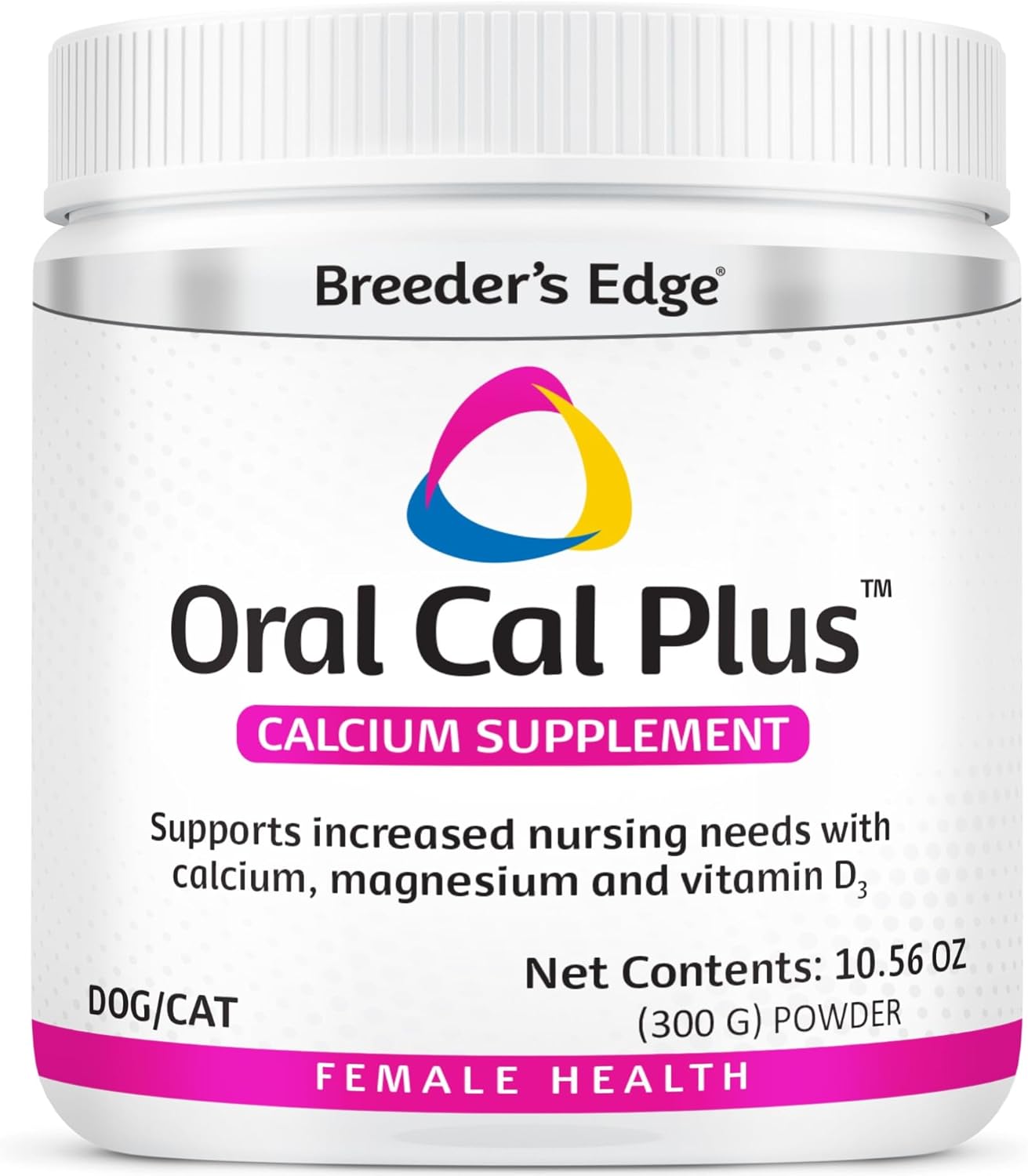
Q: Do I need to supplement calcium during pregnancy?
A: No—unless directed by a vet. Most prenatal foods provide adequate calcium. Supplementing can cause skeletal issues in puppies and eclampsia risk during lactation.
Q: Can I feed the same food during lactation?
A: Absolutely. In fact, continuing the prenatal diet supports milk production. Some owners increase portions or add wet food for extra calories and moisture.
Q: Are grain-free diets safe for pregnant dogs?
A: Grain-free isn’t inherently better. Unless your dog has a diagnosed grain allergy, whole grains (oats, rice) provide safe energy and fiber. Focus on protein quality over grain presence.
Q: How do I know if the food is working?
A: Monitor body condition (visible waist, palpable ribs), energy levels, coat shine, and stool quality. Regular vet checkups with weight tracking confirm fetal development.
Q: What’s the best food for a dog expecting a large litter?
A: Choose a high-calorie, nutrient-dense formula with ≥28% protein and ≥18% fat. Brands like Royal Canin Giant Puppy or Hill’s Science Diet Large Breed Puppy support rapid growth without overloading the digestive system.
Our Final Recommendations
Best for Budget-Conscious Buyers: Purina Pro Plan Puppy Large Breed – At ~$2.80/lb, it offers excellent value with real chicken, DHA, and a balanced calcium ratio. Ideal for large-breed pregnancies on a tight budget.
Best Overall Value: Royal Canin Reproduction – Specifically formulated for breeding females, this kibble provides optimal protein, fat, and micronutrients. Widely recommended by vets and breeders alike.
Best Premium Option: Hill’s Science Diet Puppy Perfect Weight – Combines high nutrition with weight management support, perfect for dogs prone to obesity. Includes prebiotic fiber and natural ingredients.
Best for Beginners: Iams ProActive Health Puppy – Affordable, widely available, and easy to find in stores. Great for first-time breeders seeking reliability without complexity.
Best for Advanced Users: The Farmer’s Dog Fresh Food (Pregnancy Recipe) – Custom-portioned, human-grade meals delivered fresh. Requires subscription but offers unparalleled transparency and digestibility for discerning owners.
Conclusion: Making the Right Choice
Choosing the best dog food for your pregnant dog is about more than convenience or cost—it’s a commitment to the health of both mother and puppies. By prioritizing AAFCO-compliant nutrition, high-quality proteins, balanced minerals, and breed-specific needs, you set the stage for a successful pregnancy, smooth delivery, and thriving litter. Avoid common pitfalls like over-supplementation, sudden diet changes, or ignoring hydration, and always consult your veterinarian when in doubt.
Remember, every dog is unique. What works for a German Shepherd may not suit a Toy Poodle. Use this guide as your roadmap, but stay attuned to your dog’s individual responses. Monitor her weight, energy, and appetite closely, and adjust as needed. With the right food, loving care, and professional support, you’ll give your pregnant dog the best possible start—and her puppies a healthy beginning to life.
Now that you’re equipped with expert knowledge, take action. Review your current food label, compare it against our criteria, and make the switch if needed. Your dog—and her future litter—deserve nothing less.