

When your dog suffers from a sensitive stomach, every meal becomes a potential source of stress—for both you and your furry companion. Digestive upset, gas, diarrhea, vomiting, or chronic loose stools aren’t just unpleasant; they can signal deeper health issues that demand thoughtful dietary management. Among the most trusted and widely recommended solutions by veterinarians and pet nutritionists alike is chicken and rice dog food. This classic combination has stood the test of time not because it’s trendy, but because it’s gentle on the digestive system, highly digestible, and provides balanced nutrition when formulated correctly.
But here’s the catch: not all chicken and rice dog foods are created equal. The market is flooded with options ranging from budget-friendly kibble to premium, vet-formulated recipes—and navigating this landscape can feel overwhelming, especially when your dog’s health is on the line. That’s exactly why this comprehensive buying guide exists. Whether you’re dealing with a puppy with a tender tummy, an adult dog with food intolerances, or a senior canine prone to gastrointestinal flare-ups, we’ll walk you through everything you need to know to make an informed, confident decision. You’ll learn how to decode ingredient labels, understand nutritional needs for sensitive systems, compare brands and formulations, avoid common pitfalls, and ultimately choose a food that supports your dog’s long-term digestive wellness—without breaking the bank.

What to Look for When Buying Buying Guide
1. High-Quality, Easily Digestible Protein Sources
The foundation of any good dog food—especially for sensitive stomachs—is high-quality protein. Chicken is often the go-to choice because it’s lean, rich in essential amino acids, and generally well-tolerated by most dogs. However, not all chicken is equal. Look for named sources like “deboned chicken,” “chicken meal,” or “chicken broth” listed as the first ingredient. Avoid vague terms like “poultry by-product meal” or “meat meal,” which can include parts of animals that are harder to digest and may trigger sensitivities.
Additionally, consider whether the protein is novel or traditional. If your dog has shown signs of chicken allergy (which, while less common than intolerance, does occur), you might need to explore alternative proteins like duck, lamb, or fish—even if the base recipe includes rice. But for most dogs with non-allergic digestive sensitivity, real chicken remains an excellent primary protein source.
2. Limited, Simple Ingredient List
Simplicity is key when managing a sensitive stomach. The fewer ingredients in the formula, the easier it is to identify potential triggers if issues arise. A short ingredient list also reduces the likelihood of fillers, artificial additives, or complex carbohydrates that can upset digestion. Ideal chicken and rice formulas should contain only what’s necessary: high-quality protein, easily digestible carbs (like white or brown rice), healthy fats, and minimal supplements.
Avoid foods loaded with corn, wheat, soy, artificial colors, flavors, or preservatives like BHA, BHT, or ethoxyquin. These are common culprits behind digestive distress and allergic reactions. Instead, opt for brands that use natural preservatives such as mixed tocopherols (a form of vitamin E) or rosemary extract.
3. Highly Digestible Carbohydrates
Rice is a staple in sensitive stomach diets because it’s gentle on the gut and provides steady energy without spiking blood sugar. White rice is typically more digestible than brown rice due to its lower fiber content, making it ideal for acute digestive upset. However, brown rice offers more nutrients and fiber, which can be beneficial for long-term maintenance once your dog’s system stabilizes.
Beyond rice, watch out for other carbohydrate sources. Sweet potatoes, oats, and barley can also be good options, but they should be secondary to rice in a dedicated “chicken and rice” formula. Avoid grains like corn and wheat, which are common allergens and harder to digest. Also, be cautious with legumes (peas, lentils, chickpeas)—while trendy in grain-free diets, they’ve been linked to potential heart concerns in dogs and may not suit sensitive systems.
4. Added Probiotics and Digestive Enzymes
A growing body of research supports the role of gut health in overall canine wellness. Probiotics—live beneficial bacteria—help maintain a balanced microbiome, improve nutrient absorption, and reduce inflammation in the digestive tract. Look for dog foods that include strains like Lactobacillus acidophilus, Bifidobacterium animalis, or Enterococcus faecium on the label.
Similarly, digestive enzymes (such as amylase, protease, and lipase) can aid in breaking down food more efficiently, reducing the workload on your dog’s pancreas and stomach. These are particularly helpful for older dogs or those with conditions like exocrine pancreatic insufficiency (EPI). While not every sensitive stomach food includes these, their presence is a strong indicator of a brand’s commitment to digestive support.
5. Appropriate Fat Content and Source
Fat is essential for energy, skin health, and coat shine—but too much or the wrong kind can worsen digestive issues. For dogs with sensitive stomachs, moderate fat levels (around 12–16% for dry food) are ideal. Excess fat can overwhelm the digestive system, leading to pancreatitis or loose stools.
Look for named fat sources like “chicken fat” rather than generic “animal fat.” Chicken fat is highly digestible and rich in omega-6 fatty acids, which support skin and coat health. Some formulas also include fish oil or flaxseed for omega-3s, which have anti-inflammatory properties. Just ensure these are added in balanced ratios to avoid gastrointestinal upset.
6.AAFCO Compliance and Life Stage Appropriateness
Always verify that the dog food meets AAFCO (Association of American Feed Control Officials) nutritional standards. This ensures the food provides complete and balanced nutrition for your dog’s specific life stage—whether puppy, adult, or senior. Feeding a puppy formula to an adult dog (or vice versa) can lead to nutritional imbalances that exacerbate digestive problems.
Check the packaging for statements like “formulated to meet the nutritional levels established by the AAFCO Dog Food Nutrient Profiles” or “animal feeding tests substantiate this product provides complete and balanced nutrition.” These labels offer peace of mind that the food isn’t just gentle—it’s also nutritionally adequate.
7. Brand Transparency and Manufacturing Practices
Not all pet food companies are equally transparent about sourcing, manufacturing, or testing. Reputable brands provide detailed information about where ingredients come from, how food is produced (e.g., cooked at low temperatures to preserve nutrients), and whether third-party testing is conducted for safety and quality.
Look for companies that publish ingredient sourcing details, conduct regular microbial and contaminant testing, and have a clear recall policy. Brands that manufacture their own food (rather than outsourcing to third-party facilities) often have tighter quality control. Transparency builds trust—especially when your dog’s health depends on it.
8. Veterinarian Recommendations and Clinical Support
Some chicken and rice formulas are developed in collaboration with veterinary nutritionists or backed by clinical studies. These foods are often labeled as “veterinary diets” or “prescription formulas,” though many are available over-the-counter. While you don’t always need a prescription, these products are typically held to higher standards and may be worth considering for dogs with chronic or severe digestive issues.
Even non-prescription brands may cite vet endorsements or publish feeding trial data. Don’t hesitate to ask your veterinarian for recommendations—they can help determine whether your dog needs a therapeutic diet or if a high-quality commercial option will suffice.
Different Types of Buying Guide
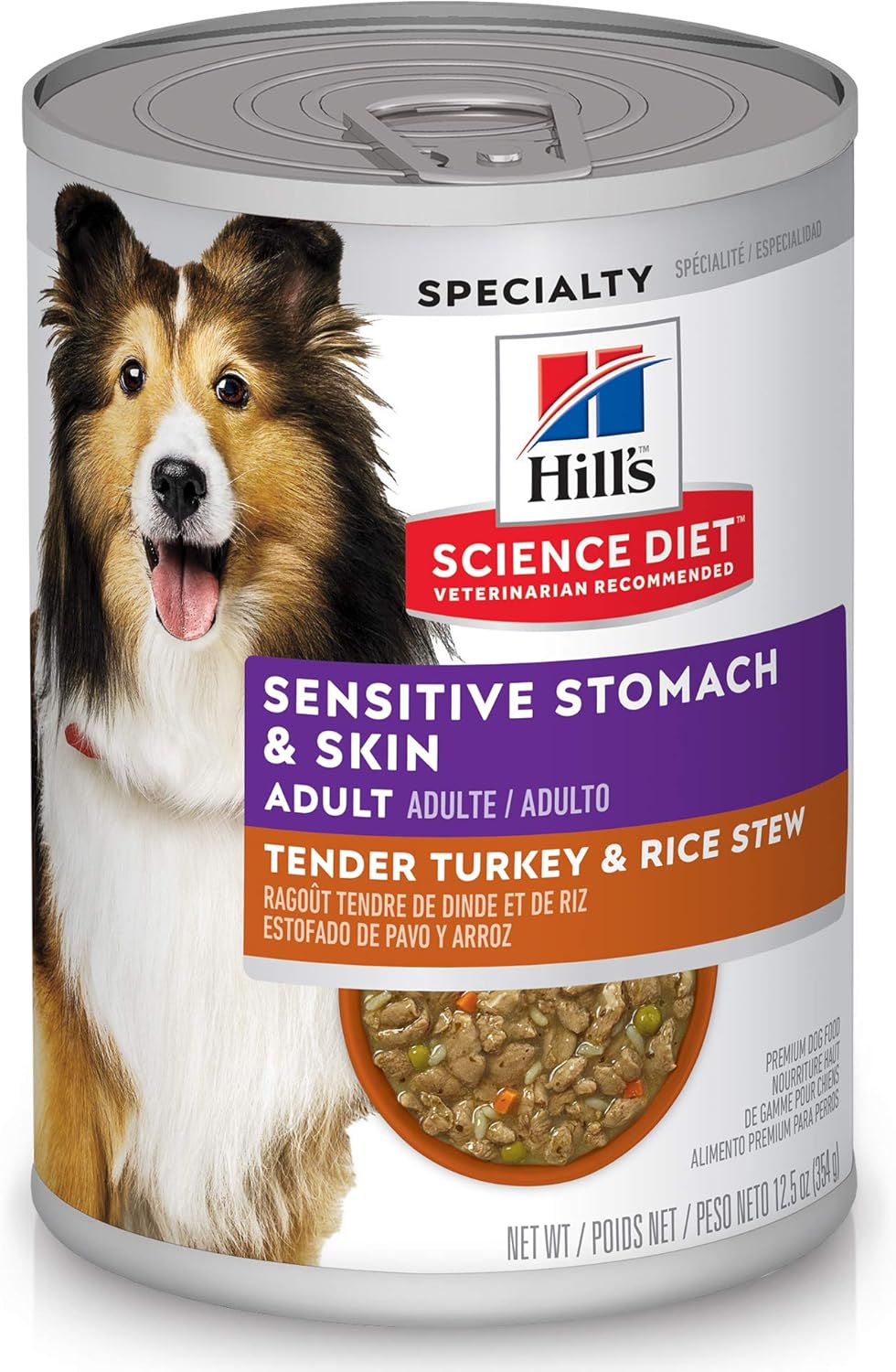
Common Buying Mistakes to Avoid

❌ Mistake: Choosing Based Solely on Price
Why it’s bad: Cheaper dog foods often cut corners with low-quality proteins, fillers, and artificial additives—all of which can worsen digestive issues. A $1-per-pound kibble may save money upfront but could lead to vet bills, wasted food, and prolonged discomfort for your dog.
What to do instead: Focus on value, not just cost. Calculate price per pound or per serving, and compare ingredient quality. Sometimes spending an extra $0.50 per day prevents a $500 vet visit.
❌ Mistake: Ignoring the Guaranteed Analysis
Why it’s bad: The guaranteed analysis (on the back label) shows crude protein, fat, fiber, and moisture levels. Skipping this means you might miss critical info—like excessive fiber that irritates the gut or insufficient protein for muscle maintenance.
What to do instead: Always check these numbers. For sensitive stomachs, aim for protein ≥22%, fat 12–16%, fiber ≤4%, and moisture ≤10% for dry food.
❌ Mistake: Switching Foods Too Quickly
Why it’s bad: Abrupt diet changes shock the digestive system, causing diarrhea, vomiting, or refusal to eat—even if the new food is better.
What to do instead: Transition gradually over 7–10 days: start with 25% new food + 75% old, increasing the ratio every 2–3 days. Monitor stool consistency and energy levels closely.
❌ Mistake: Overlooking Hidden Allergens
Why it’s bad: Some “chicken and rice” formulas include chicken by-products, rendered fats, or undisclosed flavorings that may contain allergens. Others sneak in common irritants like garlic powder or onion powder (toxic to dogs!).
What to do instead: Read every ingredient. If you see “natural flavors” without clarification, contact the manufacturer. Avoid anything with onion, garlic, xylitol, or artificial sweeteners.
❌ Mistake: Assuming Grain-Free Is Better
Why it’s bad: Grain-free doesn’t equal gut-friendly. In fact, many grain-free diets use legumes or potatoes as fillers, which can cause gas, bloating, or even dilated cardiomyopathy (DCM) in some breeds.
What to do instead: Stick with gentle grains like rice unless your vet confirms a grain allergy. Rice is far more digestible than pea protein or lentils for sensitive systems.
❌ Mistake: Not Consulting a Veterinarian
Why it’s bad: Chronic digestive issues can stem from serious conditions like inflammatory bowel disease (IBD), parasites, or food allergies—not just intolerance. Self-treating without diagnosis may delay proper care.
What to do instead: Schedule a vet visit if symptoms persist beyond a week or include weight loss, blood in stool, or lethargy. Your vet can recommend diagnostic tests and prescribe appropriate diets.
❌ Mistake: Feeding Inconsistent Portions or Schedules
Why it’s bad: Irregular feeding times or overfeeding can disrupt digestion, especially in sensitive dogs. Free-feeding increases the risk of bloating and inconsistent bowel movements.
What to do instead: Feed measured portions at the same times daily (typically 2 meals for adults). Use a food scale for accuracy, and avoid table scraps or frequent treats.
Budget Guidelines: How Much Should You Spend?
- Entry-Level ($1.00–$2.00/lb): These foods often use chicken by-products, corn, or soy as fillers. While some budget brands have improved, most lack probiotics, high-quality fats, or transparent sourcing. Best for short-term use during transitions or financial constraints—but not ideal for long-term sensitive stomach management.
- Mid-Range ($2.00–$4.00/lb): This is the sweet spot for most dog owners. Brands in this range typically feature real chicken as the first ingredient, limited fillers, and added digestive support like probiotics. Examples include Wellness Simple, Blue Buffalo Basics, and Nutro Limited Ingredient. Great balance of quality and affordability.
- Premium ($4.00–$7.00/lb): These formulas often include novel proteins, human-grade ingredients, fresh meats, and advanced gut health blends. Brands like The Honest Kitchen, Open Farm, and Royal Canin Gastrointestinal are common here. Ideal for dogs with persistent or moderate sensitivity.
- Luxury ($7.00+/lb): Reserved for fresh, raw, or veterinary therapeutic diets. These offer the highest ingredient quality, minimal processing, and clinical backing. Suitable for dogs with severe conditions or owners prioritizing optimal nutrition regardless of cost.

Expert Tips for Getting the Best Deal
- Buy in bulk during seasonal sales: Major retailers like Chewy, Petco, and Amazon often run “Buy 2, Get 1 Free” or 20% off promotions in January (New Year pet resolutions) and September (back-to-school for pets). Stock up when prices dip.
- Subscribe and save: Most online pet stores offer auto-ship discounts. You’ll save 5–15% and never run out—critical for dogs needing consistent diets.
- Check local vet clinics: Some vets sell therapeutic diets at competitive prices, especially if you’re already a client. They may also price-match online retailers.
- Read return policies carefully: If your dog refuses the food or has a reaction, you want the option to return unopened bags. Chewy and Petco typically offer generous return windows; smaller brands may not.
- Test with small bags first: Before committing to a 30-pound bag, buy a 4–6 lb trial size. This minimizes waste if your dog doesn’t tolerate it.
- Look for rebates and loyalty programs: Brands like Purina and Hill’s offer reward points, free samples, or cashback through apps like Fetch by The Dodo.
- Avoid impulse buys based on packaging: Flashy labels with “natural” or “holistic” don’t guarantee quality. Always verify ingredients and AAFCO statements.
- Consider mixing wet and dry: Adding a spoonful of wet chicken and rice food to kibble can boost palatability and moisture intake—helpful for picky or dehydrated dogs—without doubling your budget.

Frequently Asked Questions
Q: Can puppies eat chicken and rice dog food for sensitive stomachs?
A: Yes—but only if the formula is specifically labeled for puppies or “all life stages.” Puppies have higher protein and calorie needs than adults. Avoid adult formulas, as they may lack sufficient DHA for brain development or calcium for bone growth. Look for AAFCO statements confirming puppy suitability.
Q: How long should I feed my dog chicken and rice before seeing improvement?
A: Most dogs show improvement within 3–5 days. If symptoms persist beyond 7–10 days, consult your vet. Chronic issues may require elimination diets or medical intervention.
Q: Is homemade chicken and rice better than commercial dog food?
A: Homemade meals can be soothing short-term but often lack essential nutrients like calcium, taurine, and vitamins unless properly balanced by a veterinary nutritionist. For long-term use, commercial diets are safer and more convenient.
Q: Can I add supplements to my dog’s chicken and rice food?
A: Only under veterinary guidance. Probiotics, pumpkin puree (plain, not pie filling), or slippery elm bark can help, but over-supplementation may cause imbalances. Never add human medications like Pepto-Bismol without approval.
Q: What if my dog is allergic to chicken?
A: True chicken allergies are rare but possible. Symptoms include itching, ear infections, or chronic gas—not just digestive upset. If suspected, switch to a novel protein (e.g., duck, venison, or fish) with rice. Your vet can perform allergy testing if needed.
Q: Is brown rice better than white rice for dogs?
A: Brown rice has more fiber and nutrients, which can be beneficial for stable digestion. However, white rice is lower in fiber and easier to digest during flare-ups. Use white rice for acute issues, brown rice for maintenance—if tolerated.
Q: Can senior dogs benefit from sensitive stomach formulas?
A: Absolutely. Older dogs often experience reduced enzyme production and slower digestion. Senior-specific sensitive stomach foods typically include joint support (glucosamine), lower calories, and enhanced digestibility—perfect for aging canines.
Q: Are grain-inclusive diets safe for dogs with sensitive stomachs?
A: Yes—if the grains are easily digestible. Rice, oats, and barley are generally well-tolerated. The issue isn’t grains themselves, but poor-quality or allergenic ones like corn and wheat. Grain-inclusive diets are not inherently inferior.
Q: How do I know if my dog’s food is causing the problem?
A: Keep a food diary: note what you feed, portion sizes, and any symptoms. If problems began after a diet change, that’s a strong clue. An elimination diet (under vet supervision) can confirm food sensitivities.
Q: Can I rotate between different chicken and rice brands?
A: Rotation can reduce the risk of developing new sensitivities, but do it gradually—every 2–3 months—and watch for reactions. Sudden switches or frequent changes can upset the gut.
Our Final Recommendations
- Best for Budget-Conscious Buyers: Blue Buffalo Basics Limited Ingredient Diet, Chicken & Rice – Offers real deboned chicken, no corn/wheat/soy, and added probiotics at under $3/lb. A reliable entry into sensitive stomach nutrition.
- Best Overall Value: Wellness Simple Limited Ingredient Diet, Chicken & Rice – Combines high digestibility, natural ingredients, and vet-trusted formulation. Priced around $3.50/lb, it’s a standout for daily feeding.
- Best Premium Option: The Honest Kitchen Human Grade Dehydrated Chicken & Rice – Made with human-grade, minimally processed ingredients. Just add water. Ideal for owners seeking whole-food nutrition without raw handling.
- Best for Beginners: Purina Pro Plan Sensitive Skin & Stomach, Salmon & Rice – While salmon-based, this vet-recommended formula is excellent for first-time sensitive stomach feeders due to its wide availability, affordability (~$3/lb), and proven results.
- Best for Advanced Users (Chronic Conditions): Hill’s Prescription Diet i/d Digestive Care – Clinically proven to resolve digestive upset in 3 days. Available over-the-counter in many areas, it’s the gold standard for dogs with IBD, pancreatitis, or severe intolerance.
Conclusion: Making the Right Choice
Choosing the right chicken and rice dog food for a sensitive stomach isn’t just about picking a bag off the shelf—it’s about understanding your dog’s unique needs, reading beyond marketing claims, and prioritizing digestive health as a cornerstone of overall wellness. From scrutinizing ingredient lists to considering budget, format, and veterinary input, every decision you make contributes to your dog’s comfort, energy, and longevity.
Remember, what works for one dog may not work for another. Patience, observation, and consistency are your greatest allies. Start with a high-quality, limited-ingredient formula, transition slowly, and monitor your dog’s response closely. And never hesitate to involve your veterinarian—especially if symptoms persist or worsen.
Ultimately, the best food is one that keeps your dog’s tail wagging, their coat shiny, and their tummy calm. With the insights from this guide, you’re now equipped to find exactly that. Your loyal companion deserves nothing less.