

When it comes to your dog’s health, few decisions are as impactful as choosing the right diet. Just like humans, dogs thrive on balanced nutrition—especially when it comes to their daily meals. With thousands of dry dog food options flooding the market in 2026, pet parents are often overwhelmed by flashy packaging, confusing ingredient lists, and conflicting advice from veterinarians, trainers, and online forums. The truth is, not all kibble is created equal. Some brands prioritize fillers and artificial additives, while others focus on high-quality proteins, digestible carbohydrates, and essential nutrients tailored to specific life stages, breeds, or health conditions. That’s why this comprehensive buyer’s guide exists: to cut through the noise and help you make an informed, confident decision that supports your dog’s long-term wellness.
In this guide, you’ll learn exactly what to look for in diet dry dog food—whether you’re feeding a senior Labrador with joint issues, a high-energy Border Collie, or a small-breed puppy with a sensitive stomach. We’ll break down the science behind canine nutrition, explain how to decode labels, compare different types of diet formulas, and highlight common pitfalls to avoid. You’ll also get expert-backed recommendations across multiple budget ranges, practical tips for maximizing value, and answers to frequently asked questions based on real-world experiences from veterinarians and pet nutritionists. By the end, you won’t just know which brands are worth considering—you’ll understand why they stand out and how to match them to your dog’s unique needs.
The dry dog food market has evolved significantly over the past decade. Gone are the days when “complete and balanced” meant little more than meeting minimum AAFCO (Association of American Feed Control Officials) standards. Today’s top-tier brands go beyond compliance, incorporating functional ingredients like prebiotics, omega fatty acids, glucosamine, and even novel proteins to address modern health concerns such as obesity, food sensitivities, and cognitive decline. At the same time, price points vary wildly—from under $1 per pound at big-box retailers to over $4 per pound for boutique, limited-ingredient formulas. This guide will help you navigate that spectrum without overspending or compromising on quality.

What to Look for When Buying Diet Dry Dog Food
1. High-Quality Protein Sources
Protein is the cornerstone of any healthy canine diet. Dogs are omnivores with a strong carnivorous bias, meaning they require animal-based proteins to thrive. Look for named meat sources—such as “chicken,” “salmon,” or “lamb”—listed as the first ingredient. Avoid vague terms like “meat meal” or “animal by-product meal,” which can include low-quality or inconsistent protein sources. Ideally, the protein should come from whole meats or meat meals (rendered, dehydrated animal tissue) that retain most of their nutritional value. For dogs with allergies or sensitivities, novel proteins like duck, venison, or hydrolyzed soy may be better options. Also consider the protein-to-fat ratio: adult maintenance diets typically contain 18–25% crude protein, while puppies and active dogs may need 22–32%.
2. Limited, Digestible Carbohydrates
Carbohydrates aren’t inherently bad for dogs—they’re a valuable source of energy, especially for working or highly active breeds. However, the type and quantity matter greatly. Opt for complex carbs like sweet potatoes, peas, lentils, or barley instead of corn, wheat, or soy, which are common allergens and less digestible. Many premium diet foods use legumes or root vegetables as primary carb sources because they’re rich in fiber, vitamins, and minerals while being gentle on the digestive system. Avoid formulas with excessive starch or fillers; these can spike blood sugar and contribute to weight gain. If your dog has diabetes or insulin resistance, look for low-glycemic ingredients and consult your vet about carbohydrate content.
3. Healthy Fats and Essential Fatty Acids
Fats provide concentrated energy and support skin, coat, brain, and immune health. The best diet dry foods include animal fats (like chicken fat or salmon oil) and plant-based oils (such as flaxseed or coconut oil). Crucially, they should contain balanced levels of omega-3 and omega-6 fatty acids—ideally in a ratio close to 5:1 to 10:1 (omega-6 to omega-3). Omega-3s (EPA and DHA) reduce inflammation and support cognitive function, especially in aging dogs, while omega-6s promote healthy skin and a shiny coat. Avoid foods listing “vegetable oil” without specification, as this could indicate low-quality or rancid fats. Also check for added vitamin E, which acts as a natural preservative and antioxidant.
4. Absence of Artificial Additives
Artificial colors, flavors, and preservatives like BHA, BHT, and ethoxyquin have been linked to allergic reactions, hyperactivity, and even long-term health risks in some studies. While not all synthetic additives are harmful, many reputable brands now use natural alternatives such as mixed tocopherols (vitamin E), rosemary extract, or citric acid for preservation. Similarly, avoid foods with added sugar, corn syrup, or caramel coloring—these offer no nutritional benefit and can contribute to obesity and dental issues. Read the ingredient list carefully: if you see words you can’t pronounce or don’t recognize, it’s worth researching or choosing a cleaner alternative.
5. Life Stage and Breed-Specific Formulations
Not all dogs have the same nutritional needs. Puppies require higher protein and calorie density for growth, while seniors benefit from lower calories, joint-supporting supplements (like glucosamine and chondroitin), and easier-to-digest ingredients. Large-breed puppies need controlled calcium and phosphorus levels to prevent rapid bone growth and joint disorders, whereas small breeds may need smaller kibble sizes and higher fat content for energy. Many premium brands offer targeted formulas for these stages and sizes. If your dog has a medical condition—such as kidney disease, pancreatitis, or food intolerances—your veterinarian may recommend a therapeutic or prescription diet. Always consult your vet before switching to a specialized formula.
6. AAFCO Compliance and Feeding Trials
Any reputable dog food should meet AAFCO nutrient profiles for your dog’s life stage (e.g., “growth,” “maintenance,” or “all life stages”). However, AAFCO allows two pathways for compliance: formulation (guaranteed analysis meets standards) and feeding trials (actual dogs were fed the food and met health benchmarks). Foods that have undergone feeding trials provide stronger evidence of nutritional adequacy and digestibility. Look for a statement on the bag such as: “Animal feeding tests substantiate that this product provides complete and balanced nutrition.” This is especially important for homemade-style or boutique brands that may not undergo rigorous testing.
7. Digestibility and Gut Health Support
A food’s nutritional value is meaningless if your dog can’t absorb it. High digestibility means more nutrients are utilized and less waste is produced. Ingredients like probiotics (e.g., Bacillus coagulans), prebiotic fibers (such as inulin or FOS), and fermentable fibers (like beet pulp) promote a healthy gut microbiome, which is linked to immunity, mood, and even weight management. Some advanced formulas include postbiotics—metabolites produced by beneficial bacteria—that further support intestinal health. If your dog has chronic diarrhea, gas, or loose stools, a diet with enhanced digestive support may make a noticeable difference.
8. Transparency and Brand Reputation
Trust matters when it comes to what you’re feeding your pet. Reputable brands are transparent about sourcing, manufacturing practices, and ingredient origins. They often publish third-party lab results, recall histories, and nutritional research on their websites. Avoid companies that are vague about where their ingredients come from or how their food is made. Look for brands that manufacture their own food (rather than outsourcing to multiple co-packers) and those that participate in industry initiatives like the Pet Food Institute’s safety protocols. Reading verified customer reviews and checking veterinary endorsements can also provide real-world insights into a brand’s reliability.
Different Types of Diet Dry Dog Food

Common Buying Mistakes to Avoid

❌ Mistake: Choosing Based Solely on Price
Why it’s bad: Cheap dog food often relies on fillers like corn, wheat, and soybean meal, which provide minimal nutrition and can lead to obesity, allergies, or digestive issues over time. While budget-friendly options exist, the lowest price rarely equals the best value when considering long-term health costs.
What to do instead: Calculate cost per feeding rather than per bag. A slightly more expensive food with higher digestibility may require smaller portions, ultimately saving money and improving your dog’s health.
❌ Mistake: Ignoring the Ingredient List
Why it’s bad: Marketing claims like “natural,” “holistic,” or “premium” are unregulated and meaningless without context. The real story is in the ingredient list—ingredients are listed by weight, so the first five items make up the bulk of the food.
What to do instead: Always read the label. Prioritize named meats, avoid artificial additives, and ensure carbohydrates are high-quality and digestible. Use resources like the Whole Dog Journal’s ingredient database for guidance.
❌ Mistake: Switching Foods Too Quickly
Why it’s bad: Sudden diet changes can cause gastrointestinal upset, including vomiting, diarrhea, or refusal to eat. Dogs have sensitive digestive systems that adapt slowly to new proteins and fibers.
What to do instead: Transition over 7–10 days by gradually increasing the proportion of new food while decreasing the old. Start with 25% new food and monitor stool quality and energy levels.
❌ Mistake: Overlooking Your Dog’s Individual Needs
Why it’s bad: Feeding a high-protein puppy formula to a sedentary senior dog can lead to kidney strain or weight gain. Similarly, grain-free diets aren’t necessary for every dog and may carry risks (e.g., potential link to dilated cardiomyopathy in some breeds).
What to do instead: Assess your dog’s age, weight, activity level, breed, and health status before selecting a formula. When in doubt, consult your veterinarian.
❌ Mistake: Believing All “Grain-Free” Is Better
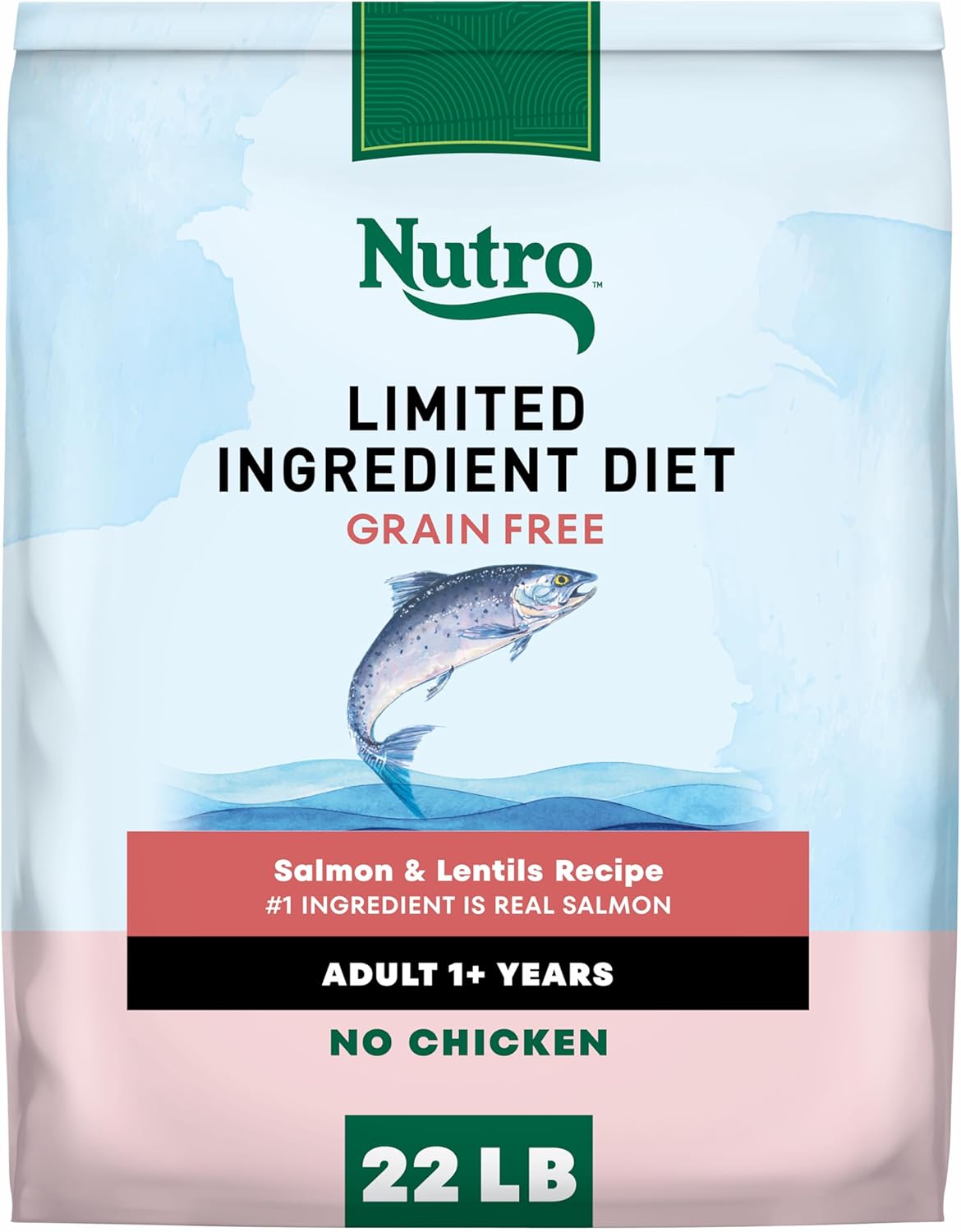
Why it’s bad: Grain-free doesn’t automatically mean healthier. Many grain-free foods replace grains with legumes (like peas or lentils), which may contribute to heart issues in predisposed breeds. Additionally, most dogs don’t have grain allergies—true grain allergies are rare.
What to do instead: Only choose grain-free if your dog has a confirmed sensitivity or allergy. Otherwise, whole grains like oats or barley can be excellent sources of fiber and energy.
❌ Mistake: Not Monitoring Body Condition After Switching
Why it’s bad: Even high-quality food can cause weight gain or loss if portion sizes aren’t adjusted. Dogs’ caloric needs change with age, activity, and metabolism.
What to do instead: Use the body condition score (BCS) system: you should be able to feel (but not see) ribs, and your dog should have a visible waist when viewed from above. Adjust portions accordingly and weigh your dog monthly.
❌ Mistake: Sticking to One Brand Forever Without Reevaluation
Why it’s bad: Your dog’s needs evolve. What worked for a 2-year-old active dog may not suit a 10-year-old with arthritis. Additionally, brands can change formulations or sourcing over time.
What to do instead: Reassess your dog’s diet annually or whenever there’s a significant life change (e.g., pregnancy, illness, reduced activity). Stay informed about recalls or formulation updates.
Budget Guidelines: How Much Should You Spend?
Entry-Level ($1.00–$2.00 per pound):
These foods are widely available at grocery stores and big-box retailers. While convenient, they often contain lower-quality proteins, fillers, and artificial preservatives. Examples include Purina Dog Chow or Iams ProActive Health. They meet basic AAFCO standards but may not support optimal health long-term. Best for temporary use or multi-dog households on tight budgets—but upgrade as soon as possible.
Mid-Range ($2.00–$3.00 per pound):
This is the sweet spot for most pet owners. Brands like Hill’s Science Diet, Royal Canin, and Wellness Core offer scientifically formulated recipes with quality ingredients, life-stage targeting, and good digestibility. Many include probiotics, omega fatty acids, and natural preservatives. You’ll find both mainstream and emerging natural brands in this range, making it easier to balance cost and quality.
Premium ($3.00–$4.50 per pound):
Premium diets prioritize human-grade or ethically sourced ingredients, limited formulations, and functional nutrition. Think Orijen, Acana, The Honest Kitchen, or Open Farm. These foods often undergo feeding trials, use novel proteins, and avoid common allergens. Ideal for dogs with sensitivities, performance athletes, or owners who want maximum nutritional transparency.
Luxury ($4.50+ per pound):
At this tier, you’re paying for innovation, sustainability, and veterinary-grade formulations. Brands like JustFoodForDogs (dehydrated), Ziwi Peak (air-dried), or prescription therapeutic lines (e.g., Hill’s Prescription Diet) fall here. These are best for dogs with chronic conditions, severe allergies, or owners seeking the absolute highest standard of care—though they may not be necessary for healthy dogs.

Expert Tips for Getting the Best Deal
1. Buy During Seasonal Sales: Major pet retailers like Chewy, Petco, and Amazon often run promotions in January (New Year, new diet resolutions), July (summer clearance), and November (Black Friday). Sign up for newsletters to get early access to discounts.
2. Compare Online vs. In-Store Pricing: Online retailers typically offer better prices, free shipping thresholds, and auto-ship discounts. However, local pet stores may price-match or offer loyalty rewards. Use price-comparison tools like PetFoodDirect or Google Shopping.
3. Look for Manufacturer Rebates and Coupons: Brands like Hill’s and Royal Canin frequently offer mail-in rebates or digital coupons through their websites or vet clinics. These can save $5–$20 per bag.
4. Prioritize Foods with Feeding Trials: While not always cheaper, foods backed by feeding trials reduce the risk of digestive issues or nutritional deficiencies—saving you vet bills down the line.
5. Check Return Policies: If your dog refuses the food or has an adverse reaction, you want the option to return it. Most reputable online sellers accept unopened returns within 30–60 days.
6. Store Properly to Extend Shelf Life: Keep kibble in its original bag inside an airtight container in a cool, dry place. Avoid clear plastic bins that expose food to light, which can degrade fats and vitamins.
7. Rotate Proteins Occasionally: While consistency is key, rotating between two trusted brands or protein sources (e.g., chicken one month, salmon the next) can prevent sensitivities and ensure a broader nutrient profile.
8. Consult Your Vet Before Major Changes: Especially for puppies, seniors, or dogs with health issues, your veterinarian can recommend specific brands or formulations covered by pet insurance or wellness plans.
Frequently Asked Questions
Q: Can I feed my dog a vegetarian or vegan diet?
A: While technically possible with careful supplementation, vegetarian or vegan diets are not recommended for dogs without veterinary supervision. Dogs require certain amino acids (like taurine and L-carnitine) that are most bioavailable in animal proteins. Deficiencies can lead to serious health problems, including heart disease.
Q: How do I know if my dog is allergic to their food?
A: Food allergies often manifest as chronic itching, ear infections, gastrointestinal upset (vomiting, diarrhea), or skin rashes—not immediate reactions like in humans. Symptoms typically appear after months or years of exposure. An elimination diet under vet guidance is the gold standard for diagnosis.
Q: Is raw or freeze-dried food better than dry kibble?
A: Raw and freeze-dried diets offer high protein and minimal processing but come with risks like bacterial contamination, nutritional imbalances, and higher costs. Dry kibble is convenient, shelf-stable, and often more affordable. Many owners use a hybrid approach—feeding kibble daily and supplementing with raw or freeze-dried toppers.
Q: Should I avoid chicken if my dog has allergies?
A: Not necessarily. Chicken is a common allergen, but so are beef, dairy, and wheat. True protein allergies are less common than environmental allergies. If your dog reacts to one chicken-based food, try another brand—it could be a different ingredient causing the issue.
Q: How much should I feed my dog?
A: Feeding guidelines on bags are starting points. Adjust based on your dog’s weight, activity level, and body condition. Use a kitchen scale for accuracy—cup measurements can vary by 20% or more. Overfeeding is a leading cause of obesity in dogs.
Q: Can puppies eat adult dog food?
A: No. Puppies need higher levels of protein, fat, calcium, and calories for growth. Adult food lacks the density required for proper development and can stunt growth or cause skeletal issues.
Q: What’s the deal with “by-products”?
A: By-products are clean, non-rendered parts of slaughtered animals—such as liver, kidneys, and lungs—that are highly nutritious. They are not “waste” but should be named (e.g., “chicken by-products”) to ensure quality. Avoid “meat by-products,” which can include unspecified sources.
Q: How long can I store opened dry dog food?
A: Properly stored in an airtight container, most dry foods remain fresh for 6–8 weeks after opening. Check the “best by” date and smell the food periodically—rancid fat smells sour or metallic.
Q: Are expensive brands always better?
A: Not always. Price doesn’t guarantee quality, but extremely cheap foods often cut corners. Focus on ingredient quality, AAFCO compliance, and your dog’s response—not just the price tag.
Our Final Recommendations
Best for Budget-Conscious Buyers: Wellness Complete Health Adult Deboned Chicken & Oatmeal Recipe
At around $2.20/lb, this mid-tier option offers named meat as the first ingredient, whole grains, and no artificial additives. It’s AAFCO-complete and includes probiotics for digestion—making it a standout value.
Best Overall Value: Hill’s Science Diet Adult Perfect Weight
Priced at ~$2.60/lb, this formula supports healthy weight management with high fiber, lean protein, and L-carnitine. Backed by decades of veterinary research and feeding trials, it’s ideal for the average adult dog.
Best Premium Option: Orijen Original Grain-Free
At ~$4.30/lb, Orijen uses fresh, regional ingredients with 85% animal components. It’s biologically appropriate, rich in omega fatty acids, and formulated for peak condition—perfect for active or performance dogs.
Best for Beginners: Royal Canin Size Health Nutrition Small Adult
Specifically designed for small breeds, this kibble is easy to chew, supports dental health, and includes targeted nutrients for metabolism and coat. Great for first-time dog owners seeking reliability.
Best for Dogs with Sensitivities: Natural Balance L.I.D. Limited Ingredient Diets Sweet Potato & Fish
With just two protein sources and no grains, this formula minimizes allergen exposure while providing complete nutrition. Priced at ~$3.80/lb, it’s a trusted choice for elimination diets.
Conclusion: Making the Right Choice
Choosing the best diet dry dog food isn’t about finding the most expensive or trendiest brand—it’s about matching your dog’s unique physiology, lifestyle, and health needs to a scientifically sound, transparently sourced formula. Throughout this guide, we’ve emphasized the importance of high-quality protein, digestible carbs, healthy fats, and the absence of harmful additives. We’ve also highlighted how life stage, breed size, and individual sensitivities should drive your decision—not marketing hype or price alone.
Remember, your dog’s diet is one of the most powerful tools you have to influence their longevity, energy, and quality of life. A well-chosen kibble can reduce vet visits, improve coat shine, stabilize digestion, and even enhance mood and cognitive function. Take the time to read labels, consult your veterinarian, and observe how your dog responds to new foods. And don’t be afraid to adjust as their needs change.
Ultimately, the “best” food is the one that keeps your dog thriving—not just surviving. Use this guide as your roadmap, but let your dog’s health and happiness be the final judge. With the right knowledge and a little patience, you’ll find a diet that nourishes both body and bond for years to come.