
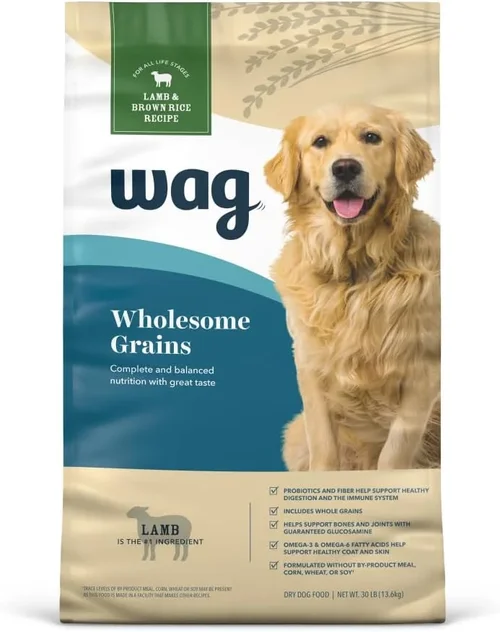
Dry, flaky, itchy skin is one of the most common—and often most frustrating—health concerns dog owners face. Whether your pup is scratching incessantly, losing patches of fur, or developing red, inflamed skin, the root cause may be more than just seasonal allergies or fleas. In many cases, the food your dog eats plays a critical role in skin health. Just like humans, dogs rely on proper nutrition to maintain a strong immune system, healthy coat, and resilient skin barrier. When their diet lacks essential fatty acids, high-quality proteins, or key vitamins and minerals, their skin can become dry, dull, and prone to irritation.
This comprehensive buyer’s guide is designed to help you navigate the crowded and often confusing world of dog food, specifically with dry skin in mind. Whether you’re dealing with a chronic condition or simply want to prevent future issues, choosing the right food can make a dramatic difference in your dog’s comfort and overall well-being. We’ll walk you through the science behind skin health, decode ingredient labels, compare top brands, and offer expert-backed advice to ensure you make an informed decision. By the end of this guide, you’ll know exactly what to look for—and what to avoid—when selecting the best dog food for dry skin in 2026.
The market for specialized dog food has exploded in recent years, with hundreds of brands claiming to support skin and coat health. From grain-free formulas to limited-ingredient diets, omega-enriched kibble to raw food blends, the options are overwhelming. But not all “skin-friendly” foods are created equal. Many products use marketing buzzwords like “natural” or “premium” without delivering on actual nutritional benefits. Others may include fillers, artificial additives, or low-quality protein sources that can actually worsen skin conditions. This guide cuts through the noise, offering a science-based, practical approach to finding the right food for your dog’s unique needs. Whether you have a small breed with sensitive skin or a large dog prone to allergies, we’ve got you covered.

What to Look for When Buying Dog Food for Dry Skin
1. High-Quality Animal-Based Protein
Protein is the foundation of healthy skin and coat. Dogs are primarily carnivorous, and their bodies require amino acids—especially cysteine and methionine—to produce keratin, the structural protein that makes up hair and skin cells. When a dog’s diet lacks sufficient high-quality protein, their skin can become thin, dry, and prone to cracking. Look for dog foods that list a named animal protein as the first ingredient, such as “chicken,” “salmon,” or “lamb,” rather than vague terms like “meat meal” or “animal by-product meal.” Whole meats or meat meals (like chicken meal or salmon meal) are excellent sources, as they are concentrated forms of protein that retain most of their nutritional value during processing.
Avoid foods that rely heavily on plant-based proteins like corn gluten meal or soy protein isolate. While these can technically meet a dog’s protein requirements, they are less bioavailable and may not provide the full spectrum of essential amino acids needed for optimal skin health. Additionally, some dogs are sensitive to soy or corn, which can exacerbate skin issues. For dogs with known food sensitivities, consider novel protein sources such as duck, venison, or kangaroo, which are less likely to trigger allergic reactions.
2. Rich in Omega-3 and Omega-6 Fatty Acids
Fatty acids are perhaps the most critical nutrients for combating dry skin in dogs. Omega-3 fatty acids—particularly EPA (eicosapentaenoic acid) and DHA (docosahexaenoic acid)—have powerful anti-inflammatory properties that help reduce itching, redness, and flakiness. They also support the skin’s natural barrier function, preventing moisture loss and protecting against environmental irritants. Omega-6 fatty acids, especially linoleic acid, are equally important for maintaining skin hydration and promoting a shiny coat.
The best dog foods for dry skin include natural sources of these fatty acids, such as fish oil (from salmon, sardines, or anchovies), flaxseed, chia seeds, and canola oil. Fish oil is particularly effective because it provides pre-formed EPA and DHA, which are more readily absorbed by a dog’s body than the ALA (alpha-linolenic acid) found in plant sources. Look for a balanced ratio of omega-6 to omega-3 fatty acids—ideally between 5:1 and 10:1. Ratios higher than 10:1 may promote inflammation, while ratios lower than 5:1 can be difficult to achieve and maintain in dry kibble.
Some premium brands also add supplemental omega-3s in the form of algae oil, which is a sustainable and vegetarian source of DHA. This is especially beneficial for dogs with fish allergies or for owners who prefer plant-based options. Always check the guaranteed analysis on the packaging to ensure the food contains adequate levels of these fatty acids. A minimum of 0.5% omega-3 fatty acids and 2.5% omega-6 fatty acids is generally recommended for skin health.
3. Limited, Digestible Carbohydrates
While dogs don’t require carbohydrates in their diet, they can be a useful source of energy and fiber when properly sourced. However, certain carbs—especially refined grains and starches—can contribute to inflammation and worsen skin conditions in sensitive dogs. Ingredients like corn, wheat, and soy are common allergens and should be avoided if your dog has a history of skin problems.
Instead, opt for dog foods that use easily digestible, low-glycemic carbohydrates such as sweet potatoes, peas, lentils, or oats. These provide sustained energy without spiking blood sugar and are less likely to trigger allergic reactions. Sweet potatoes, in particular, are rich in beta-carotene, which the body converts to vitamin A—a nutrient essential for skin cell regeneration and immune function.
Be cautious of “grain-free” labels, as they don’t automatically mean healthier. Some grain-free diets replace grains with high levels of legumes (like peas and lentils), which have been linked to an increased risk of dilated cardiomyopathy (DCM) in certain breeds. The FDA has been investigating this potential link, so it’s important to choose grain-free options wisely and consult your veterinarian if your dog is at risk.
4. Natural Antioxidants and Vitamins
Antioxidants play a vital role in protecting skin cells from oxidative stress caused by environmental pollutants, UV radiation, and inflammation. Vitamins A, C, and E are particularly important for skin health. Vitamin A supports cell turnover and immune function, vitamin C aids in collagen production and wound healing, and vitamin E acts as a natural moisturizer and anti-inflammatory agent.
Look for dog foods that include natural sources of these vitamins, such as carrots (rich in beta-carotene), spinach, blueberries, and sunflower oil. Avoid synthetic preservatives like BHA, BHT, and ethoxyquin, which have been associated with health risks and can contribute to skin irritation. Instead, choose foods preserved with natural antioxidants like mixed tocopherols (a form of vitamin E) or rosemary extract.
Some brands also add supplemental vitamins and minerals to ensure balanced nutrition. While this isn’t inherently bad, it’s best when these additions complement whole-food ingredients rather than replace them. A diet rich in real, minimally processed ingredients will naturally provide a broader spectrum of phytonutrients and co-factors that support overall health.
5. Probiotics and Digestive Enzymes
You might be surprised to learn that gut health is closely linked to skin health. The gut-skin axis refers to the bidirectional relationship between the digestive system and the skin, where imbalances in gut bacteria (dysbiosis) can lead to systemic inflammation and skin issues like dryness, itching, and rashes. Probiotics—beneficial bacteria that support a healthy gut microbiome—can help restore balance and reduce inflammation.
Dog foods that include live probiotics (often listed as “Lactobacillus acidophilus” or “Bifidobacterium animalis”) can improve digestion, enhance nutrient absorption, and support immune function. Digestive enzymes, such as amylase, protease, and lipase, help break down food more efficiently, reducing the burden on the digestive system and minimizing the risk of food sensitivities.
Look for brands that specify the strain and concentration of probiotics (measured in CFUs—colony-forming units). A minimum of 1 billion CFUs per kilogram of food is generally considered effective. Keep in mind that probiotics are sensitive to heat and moisture, so they may not survive the extrusion process used in dry kibble. Some manufacturers use microencapsulation technology to protect these beneficial bacteria, so check the product details or contact the company if you’re unsure.
6. No Artificial Additives or Fillers
Artificial colors, flavors, and preservatives are unnecessary in dog food and can be harmful, especially for dogs with sensitive skin. Ingredients like artificial dyes (e.g., Red 40, Yellow 5) have been linked to hyperactivity and allergic reactions in some animals. Similarly, chemical preservatives such as BHA and BHT are potential carcinogens and may contribute to chronic inflammation.
Fillers like corn, wheat, and soy not only lack nutritional value but can also trigger food intolerances that manifest as skin problems. Even some “natural” fillers, such as beet pulp or rice bran, should be used in moderation. While they provide fiber, excessive amounts can interfere with nutrient absorption and cause digestive upset.
Instead, choose dog foods with minimal, recognizable ingredients. The shorter the ingredient list, the better—especially if it includes whole foods like real meat, vegetables, and healthy fats. Avoid products that use vague terms like “meat by-products” or “animal digest,” as these can include low-quality or inconsistent ingredients.
7. Moisture Content and Kibble Quality
Dry kibble is convenient, but it’s inherently low in moisture—typically containing only 6–10% water. This can be problematic for dogs with dry skin, as hydration is essential for maintaining skin elasticity and preventing flakiness. While dogs get most of their water from drinking, a diet that supports internal hydration can make a significant difference.
Some manufacturers use specialized processing techniques to improve kibble quality, such as cold-pressing or air-drying, which preserve more nutrients and natural moisture compared to traditional high-heat extrusion. These methods can result in a more palatable and digestible food that supports better skin health.
Alternatively, consider adding moisture to your dog’s diet by mixing in wet food, bone broth, or water. This not only increases hydration but can also enhance the bioavailability of nutrients. For dogs with severe dry skin, a combination of high-quality dry food and occasional wet food may offer the best of both worlds.
8. Veterinarian and Customer Reviews
While ingredient lists and nutritional profiles are important, real-world results matter just as much. Look for dog foods that have been recommended by veterinarians or have strong positive reviews from pet owners dealing with similar skin issues. Online forums, pet health websites, and social media groups can be valuable resources for gathering firsthand experiences.
Pay attention to reviews that mention improvements in coat shine, reduced itching, or fewer skin flare-ups after switching to a particular brand. Be cautious of overly promotional reviews or those that seem generic. Authentic feedback often includes specific details about the dog’s breed, age, and condition.
Additionally, some brands conduct clinical trials or partner with veterinary nutritionists to validate their claims. These products may carry certifications or seals of approval from organizations like the Association of American Feed Control Officials (AAFCO), which sets standards for pet food nutrition.
Different Types of Dog Food for Dry Skin

Common Buying Mistakes to Avoid
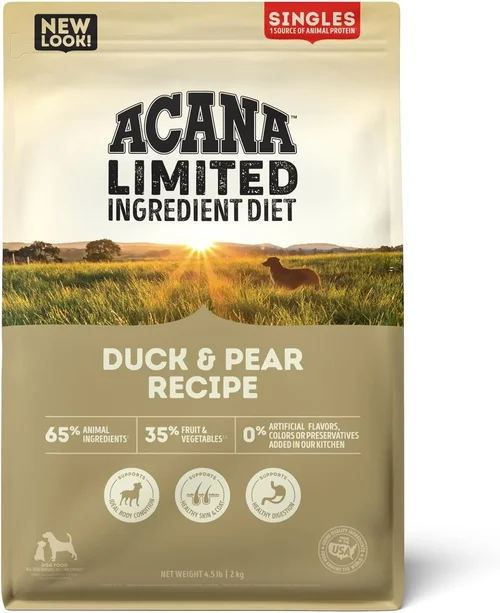
❌ Mistake: Choosing Based on Marketing Claims Alone
Why it’s bad: Many dog food brands use terms like “natural,” “premium,” or “holistic” without strict regulation. These labels don’t guarantee high quality or suitability for dry skin. A product may claim to support coat health but still contain fillers, artificial additives, or low-quality proteins that worsen skin conditions.
What to do instead: Always read the ingredient list and guaranteed analysis. Focus on the first five ingredients—they make up the majority of the food. Look for real meat, healthy fats, and recognizable vegetables. Use trusted resources like the Dog Food Advisor or consult your veterinarian to verify claims.
❌ Mistake: Ignoring Your Dog’s Individual Needs
Why it’s bad: Every dog is different. A food that works for a Golden Retriever with seasonal allergies may not suit a Chihuahua with food sensitivities. Age, breed, activity level, and underlying health conditions all influence nutritional requirements.
What to do instead: Consider your dog’s specific needs. Puppies, seniors, and pregnant dogs have different protein and calorie requirements. Small breeds may benefit from smaller kibble sizes, while large breeds need joint-supporting nutrients. If your dog has a diagnosed condition like atopic dermatitis, work with your vet to select a therapeutic diet.
❌ Mistake: Switching Foods Too Quickly
Why it’s bad: Sudden changes in diet can cause digestive upset, including diarrhea, vomiting, or gas. This can further stress the body and potentially worsen skin issues. Dogs with sensitive stomachs are especially vulnerable.
What to do instead: Transition gradually over 7–10 days. Start by mixing 25% new food with 75% old food, then increase the proportion every few days. Monitor your dog’s stool, energy levels, and skin condition throughout the process. If adverse reactions occur, slow the transition or consult your vet.
❌ Mistake: Overlooking Hydration
Why it’s bad: Dry kibble provides minimal moisture, which can contribute to dehydration and dry skin—even if your dog drinks water regularly. Chronic low hydration affects skin elasticity and can lead to flakiness and itching.
What to do instead: Encourage water intake by providing fresh, clean water at all times. Consider adding wet food, bone broth (unsalted), or water to dry kibble. Some owners use puzzle feeders or water fountains to make drinking more engaging.
❌ Mistake: Relying Solely on Supplements
Why it’s bad: While omega-3 supplements can help, they’re not a substitute for a balanced diet. Over-supplementing can lead to imbalances or toxicity, especially with fat-soluble vitamins like A and E.
What to do instead: Choose a high-quality dog food that already contains adequate levels of essential nutrients. If your vet recommends supplements, use them as directed and monitor your dog’s response. Whole-food sources are generally safer and more effective than isolated supplements.
❌ Mistake: Not Monitoring Progress
Why it’s bad: Skin improvements can take weeks or even months to become noticeable. Without tracking changes, you may switch foods prematurely or miss signs of improvement.
What to do instead: Keep a journal noting your dog’s itching frequency, coat condition, energy levels, and any skin flare-ups. Take photos monthly to visually track progress. Be patient—most dogs show significant improvement within 8–12 weeks of dietary changes.
❌ Mistake: Buying the Cheapest Option
Why it’s bad: Low-cost dog foods often use inferior ingredients, fillers, and artificial additives to cut costs. These can exacerbate skin problems and lead to higher vet bills in the long run.
What to do instead: Invest in quality. While premium foods cost more upfront, they can reduce the need for medications, supplements, and veterinary treatments. Look for value—not just price—by comparing cost per pound and nutritional density.
Budget Guidelines: How Much Should You Spend?
– Entry-Level ($15–$30 per 30-lb bag): These foods often contain by-products, fillers, and minimal omega fatty acids. While some budget brands have improved, most are not ideal for dogs with dry skin. Look for options with at least one named meat source and avoid artificial additives. Suitable for short-term use or dogs with no known sensitivities.
– Mid-Range ($30–$50 per 30-lb bag): This is the sweet spot for most dog owners. These foods typically include high-quality proteins, natural sources of omega-3s, and limited fillers. Brands like Wellness, Blue Buffalo, and Nutro offer solid options in this range. Many include probiotics and antioxidants, making them excellent for maintaining skin health.
– Premium ($50–$80 per 30-lb bag): Designed for dogs with specific health needs, these foods often feature novel proteins, grain-free formulas, and added supplements. Brands like Orijen, Acana, and Taste of the Wild are popular choices. They use human-grade ingredients and advanced processing methods to preserve nutrients.
– Luxury ($80+ per 30-lb bag): These are top-tier diets, often including raw, freeze-dried, or fresh-cooked ingredients. Brands like The Farmer’s Dog, Nom Nom, and Open Farm offer customized meals delivered to your door. While expensive, they provide maximum nutrition and are ideal for dogs with severe skin conditions or multiple sensitivities.

Expert Tips for Getting the Best Deal
– Buy in Bulk: Larger bags often cost less per pound. If you have space and your dog eats consistently, purchasing a 40-lb bag instead of four 10-lb bags can save 15–20%.
– Sign Up for Loyalty Programs: Many pet retailers (like Chewy, Petco, and PetSmart) offer rewards programs that give you points, discounts, or free shipping. These can add up over time.
– Watch for Seasonal Sales: Major holidays like Black Friday, Memorial Day, and Amazon Prime Day often feature deep discounts on pet food. Stock up during these periods.
– Compare Online vs. In-Store: Online retailers frequently offer lower prices and exclusive deals. However, in-store purchases allow you to inspect packaging and avoid shipping delays.
– Check Return Policies: Some dogs may not take to a new food, even if it’s high quality. Choose retailers with generous return policies in case of refusal or adverse reactions.
– Consult Your Veterinarian: Some vets offer therapeutic diets at a discount or through partnerships with manufacturers. They may also provide samples or coupons for new products.
– Read the Fine Print: Be wary of “subscribe and save” programs that auto-renew at full price. Always check cancellation terms and adjust delivery frequency as needed.
– Test Before Committing: If possible, buy a small bag or sample pack first. This allows you to assess your dog’s acceptance and monitor for any adverse effects before investing in a large quantity.

Frequently Asked Questions
Q: How long does it take to see improvements in my dog’s skin after switching food?
A: Most dogs begin to show noticeable improvements in coat shine and reduced itching within 4–6 weeks. Full results, including reduced flakiness and inflammation, typically appear by 8–12 weeks. Consistency is key—stick with the new diet throughout this period for the best outcome.
Q: Can I give my dog human food to help with dry skin?
A: Some human foods are safe and beneficial, such as cooked salmon (rich in omega-3s), plain pumpkin (for fiber), and blueberries (antioxidants). However, avoid onions, garlic, chocolate, and grapes, which are toxic to dogs. Always introduce new foods gradually and in moderation.
Q: Is grain-free food always better for dogs with dry skin?
A: Not necessarily. While grain-free diets can help dogs with grain allergies, most dogs don’t have grain sensitivities. In fact, some grain-free foods use legumes that may contribute to heart issues. Focus on overall ingredient quality rather than just the absence of grains.
Q: Should I add fish oil supplements to my dog’s food?
A: If your dog’s food already contains adequate omega-3s, additional supplements may not be necessary. However, if your dog has severe dry skin or allergies, your vet may recommend a high-quality fish oil supplement. Choose products that are third-party tested for purity and potency.
Q: Can dry skin be caused by something other than diet?
A: Absolutely. Environmental allergens (pollen, dust mites), flea infestations, hormonal imbalances (like hypothyroidism), and fungal infections can all cause dry, itchy skin. If dietary changes don’t improve symptoms, consult your veterinarian for a thorough evaluation.
Q: Is raw food better for dry skin than kibble?
A: Raw diets can be highly nutritious and may benefit some dogs, but they require careful handling to avoid bacterial contamination. They’re also more expensive and less convenient. High-quality kibble with proper nutrients can be just as effective for most dogs.
Q: How do I know if my dog has a food allergy?
A: Food allergies often manifest as chronic itching, ear infections, or gastrointestinal issues. Unlike environmental allergies, they don’t improve with seasonal changes. An elimination diet—under veterinary supervision—is the gold standard for diagnosis.
Q: Can puppies eat the same food as adult dogs with dry skin?
A: Puppies have higher calorie and nutrient needs for growth. While some “all life stages” foods are suitable, it’s best to choose a puppy-specific formula that supports development without overloading on fat or protein.
Q: What’s the difference between a limited-ingredient diet and a hypoallergenic diet?
A: Limited-ingredient diets reduce the number of ingredients to minimize allergen exposure. Hypoallergenic diets use hydrolyzed proteins—broken down so the immune system doesn’t recognize them as allergens. The latter is typically prescribed for confirmed food allergies.
Q: Should I rotate my dog’s food regularly?
A: Food rotation can provide nutritional variety and reduce the risk of developing sensitivities. However, frequent changes can upset the digestive system. If you rotate, do so gradually and stick to similar protein and fat levels.
Our Final Recommendations
– Best for Budget-Conscious Buyers: Blue Buffalo Life Protection Formula with Fish & Brown Rice – Offers real salmon, omega-3s, and antioxidants at an affordable price. Free from artificial preservatives and by-products.
– Best Overall Value: Wellness CORE Grain-Free Original Recipe – High in protein, rich in omega fatty acids, and includes probiotics. Great for dogs with mild to moderate dry skin.
– Best Premium Option: Orijen Original Grain-Free Dry Dog Food – Features fresh, regional ingredients with 85% animal components. Ideal for dogs needing maximum nutrition and skin support.
– Best for Beginners: Hill’s Science Diet Adult Sensitive Stomach & Skin – Veterinarian-recommended, easy to digest, and formulated specifically for skin and digestive health. Widely available and trusted.
– Best for Advanced Users: The Farmer’s Dog Fresh Food – Customized, human-grade meals delivered fresh. Perfect for owners who want complete control over ingredients and are willing to invest in top-tier nutrition.
Conclusion: Making the Right Choice
Choosing the best dog food for dry skin isn’t just about finding a product with “omega-3” on the label—it’s about understanding your dog’s unique nutritional needs and making informed decisions based on science, not marketing. From high-quality proteins and essential fatty acids to digestive support and hydration, every element of your dog’s diet plays a role in skin health. By prioritizing whole, natural ingredients and avoiding common pitfalls, you can significantly improve your dog’s comfort, coat condition, and overall well-being.
Remember, there’s no one-size-fits-all solution. What works for one dog may not work for another. Take the time to evaluate your dog’s specific needs, consult with your veterinarian when necessary, and be patient as you monitor progress. With the right food, consistent care, and a little persistence, you can help your furry friend achieve healthier, more resilient skin—and a happier, itch-free life. Start your journey today with confidence, armed with the knowledge and tools to make the best choice for your beloved companion.