
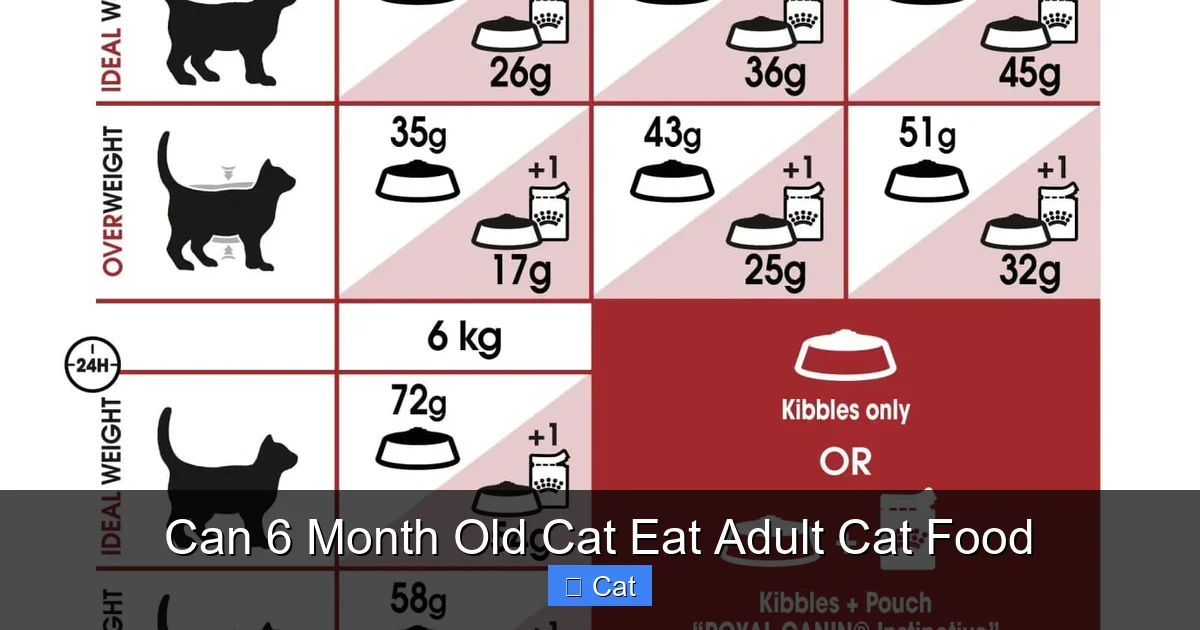
While a 6-month-old cat may physically eat adult cat food, it’s not ideal for their rapid growth and development. Kittens need higher levels of protein, fat, calories, and key nutrients like DHA and taurine—nutrients often lacking in adult formulas. Feeding adult food long-term can lead to nutritional deficiencies and health issues.
So, you’ve got a bouncy, curious 6-month-old kitten who’s eating everything in sight—including your adult cat’s food. You might be wondering: *Can a 6 month old cat eat adult cat food?* It’s a common question among new cat parents, especially in multi-cat households where food boundaries can get a little blurry.
At first glance, it might seem harmless. After all, kittens are eating solid food by this age, and adult cat food is still… cat food, right? Well, not exactly. While your kitten *can* physically eat adult cat food without immediate danger, doing so regularly isn’t the best choice for their long-term health. Think of it like feeding a toddler a diet meant for a senior citizen—sure, they can chew it, but it won’t give them what they need to grow strong and healthy.
Kittens are in a critical stage of development. Between 4 and 12 months, they’re growing at an astonishing rate—sometimes doubling or even tripling their birth weight. Their bones, muscles, brain, and immune system are all rapidly developing. To support this, they need a diet that’s rich in high-quality protein, healthy fats, and specific vitamins and minerals. Adult cat food simply doesn’t pack the same nutritional punch. It’s formulated for maintenance, not growth.
That said, if your kitten sneaks a few kibbles from your older cat’s bowl, don’t panic. An occasional taste won’t hurt. But if you’re considering making adult food a regular part of their diet, it’s time to rethink that plan. In this article, we’ll dive deep into why kitten-specific food matters, what happens when kittens eat adult food, and how to make the best nutritional choices for your furry little friend.
Key Takeaways
- Kittens have unique nutritional needs: At 6 months, cats are still growing rapidly and require more protein, fat, and calories than adult cats.
- Adult cat food lacks essential nutrients: It typically contains lower levels of taurine, DHA, and other vital nutrients crucial for brain, eye, and muscle development.
- Short-term feeding may be safe: An occasional meal of adult food won’t harm your kitten, but it shouldn’t become a regular habit.
- Look for “kitten” or “growth” formulas: These are specifically designed to support the high energy demands and developmental needs of young cats.
- Transition gradually when switching foods: If you’re moving from kitten to adult food, do it slowly over 7–10 days to avoid digestive upset.
- Consult your vet before making changes: Your veterinarian can recommend the best diet based on your kitten’s breed, size, and health.
- Monitor your kitten’s growth and energy: Healthy weight gain, shiny coat, and playful behavior are signs they’re getting the right nutrition.
📑 Table of Contents
Why Kittens Need Specialized Nutrition
Kittens aren’t just small adult cats—they’re nutritional powerhouses with unique dietary needs. At 6 months old, your kitten is still in the thick of their growth phase. They’re building muscle, developing coordination, and laying the foundation for a healthy adult life. This means their bodies require more energy and specific nutrients than adult cats.
One of the biggest differences is in protein content. Kitten food typically contains 30–40% protein, compared to 26–30% in adult food. This higher protein level supports muscle development and tissue repair. Kittens also need more fat—around 15–20%—to fuel their high activity levels and support brain development. Adult cat food usually has less fat, which can leave kittens feeling sluggish and undernourished.
But it’s not just about macronutrients. Kittens need higher levels of certain vitamins and minerals. For example, taurine is an amino acid essential for heart function, vision, and immune health. A deficiency can lead to blindness or heart disease. DHA (docosahexaenoic acid), an omega-3 fatty acid, is critical for brain and eye development. These nutrients are often added in higher amounts to kitten formulas.
Another key factor is caloric density. Kittens burn calories fast—they’re always playing, exploring, and growing. Kitten food is more calorie-dense, meaning they get more energy per bite. Adult food, by contrast, is designed to maintain weight, not promote growth. Feeding adult food to a kitten could result in them not getting enough calories, leading to stunted growth or weight loss.
The Role of Protein in Kitten Development
Protein is the building block of life, especially for growing kittens. It’s used to build muscles, organs, skin, fur, and even enzymes and hormones. Unlike humans, cats are obligate carnivores, meaning they must get certain nutrients from animal-based proteins. Plant-based proteins don’t provide the full spectrum of amino acids they need.
High-quality kitten food lists a named animal protein—like chicken, turkey, or salmon—as the first ingredient. This ensures your kitten is getting the complete amino acid profile they need. Taurine, arginine, and methionine are particularly important. Without enough taurine, kittens can develop retinal degeneration and cardiomyopathy. Arginine is vital for removing ammonia from the body; a deficiency can lead to vomiting, seizures, and even death.
Adult cat food may contain adequate protein for maintenance, but it’s often not enough to support the rapid growth of a 6-month-old kitten. Over time, this can lead to muscle wasting, poor coat quality, and weakened immunity.
Fat and Calories: Fuel for Growth
Fat is another critical component of a kitten’s diet. It provides more than twice the energy of protein or carbohydrates, making it essential for active, growing cats. Kittens need fat for healthy skin and a shiny coat, as well as for the absorption of fat-soluble vitamins like A, D, E, and K.
Kitten food is formulated with higher fat content to meet these needs. It also includes essential fatty acids like linoleic acid and arachidonic acid, which support skin health and reduce inflammation. DHA, as mentioned earlier, is especially important for cognitive development.
Adult cat food, on the other hand, is often lower in fat to prevent obesity in less active adult cats. Feeding this to a kitten can result in energy deficits. You might notice your kitten becoming less playful, sleeping more, or failing to gain weight. In severe cases, this can lead to developmental delays.
Key Vitamins and Minerals for Growing Kittens
Beyond protein and fat, kittens need a balanced mix of vitamins and minerals. Calcium and phosphorus are crucial for strong bones and teeth. However, the ratio matters—too much calcium can cause skeletal issues, while too little can lead to weak bones. Kitten food is carefully balanced to provide the right ratio.
Vitamin A is essential for vision, immune function, and skin health. Vitamin D helps with calcium absorption. Vitamin E is an antioxidant that protects cells from damage. B-complex vitamins support metabolism and nerve function.
Adult cat food may contain these nutrients, but often in lower amounts. For example, adult formulas might have less vitamin A and D, which are critical during growth phases. Over time, this can lead to deficiencies that affect your kitten’s health.
What Happens When Kittens Eat Adult Cat Food
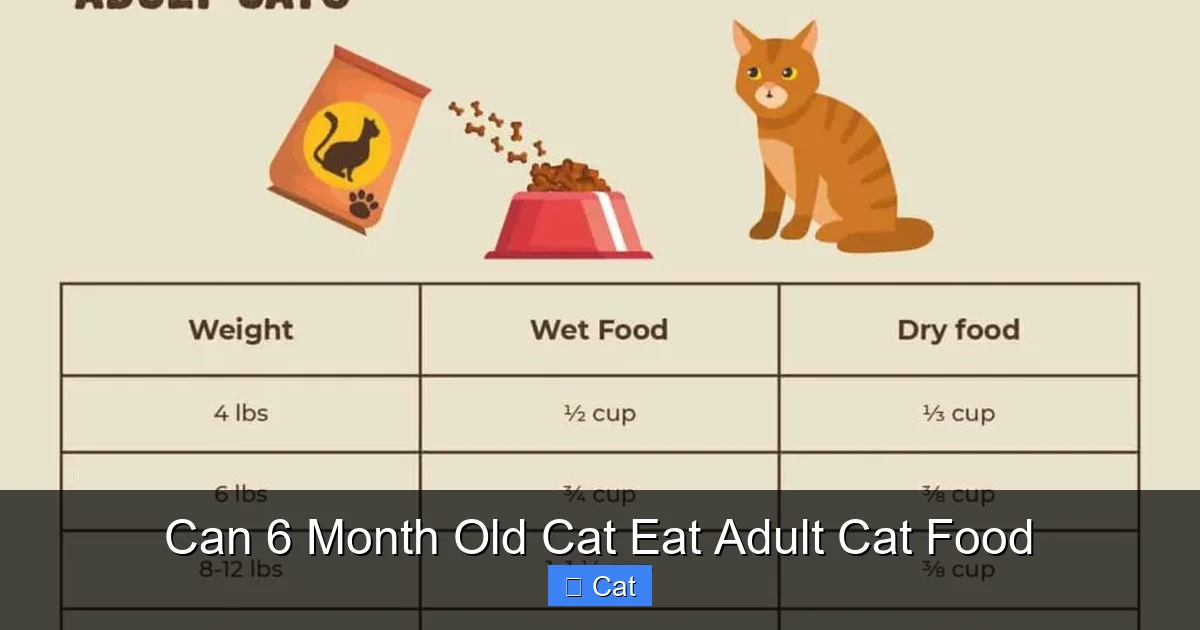
Visual guide about Can 6 Month Old Cat Eat Adult Cat Food
Image source: rawznaturalpetfood.com
So, what’s the real risk if your 6-month-old kitten eats adult cat food? The short answer: it depends on how often and for how long. An occasional meal? Probably fine. A steady diet? Not so much.
When kittens consistently eat adult food, they’re not getting the extra calories, protein, and nutrients they need. This can lead to a range of issues, from mild to severe.
Stunted Growth and Development
One of the most concerning risks is stunted growth. Kittens need a surplus of calories and nutrients to grow properly. If they’re not getting enough, their growth can slow or even stop. This is especially dangerous because growth plates in bones close at certain ages—once they’re closed, they can’t reopen. If a kitten doesn’t get proper nutrition during this window, they may end up smaller than they should be for their breed.
For example, a Maine Coon kitten that should grow to be 15–25 pounds might only reach 10–12 pounds if undernourished. This isn’t just about size—it can affect organ development, joint health, and overall lifespan.
Weakened Immune System
Nutrition plays a huge role in immune function. Kittens who don’t get enough protein, vitamins, and minerals are more susceptible to infections, parasites, and illnesses. They may get sick more often, recover more slowly, or develop chronic conditions.
Taurine deficiency, for instance, can weaken the immune system and increase the risk of infections. Similarly, low levels of vitamin E and selenium can reduce the body’s ability to fight off oxidative stress.
Poor Coat and Skin Health
A shiny, soft coat is a sign of good nutrition. Kittens eating adult food may develop dull, dry, or flaky skin. Their fur might become brittle or start to fall out. This is often due to insufficient fat and essential fatty acids.
You might also notice dandruff, itching, or hot spots. These can lead to over-grooming, skin infections, and discomfort. In severe cases, poor nutrition can contribute to feline acne or dermatitis.
Digestive Issues
Kittens have sensitive digestive systems. Adult cat food is often formulated with different fiber levels, protein sources, and additives that may not agree with a young kitten’s gut. This can lead to diarrhea, vomiting, gas, or constipation.
For example, some adult foods use plant-based proteins or fillers like corn or wheat, which are harder for kittens to digest. High-fiber adult diets can also cause loose stools in kittens who aren’t used to them.
Behavioral Changes
Nutrition affects behavior, too. Kittens who aren’t getting enough calories or nutrients may become lethargic, irritable, or less interested in play. They might sleep more than usual or seem “spaced out.” This isn’t just laziness—it’s a sign their body is struggling to function on an inadequate diet.
Conversely, if a kitten is eating too much adult food (which is less calorie-dense), they might overeat in an attempt to meet their energy needs. This can lead to obesity, which brings its own set of health problems.
When Is It Okay to Feed Adult Food?
Now, let’s be clear: feeding adult cat food to a 6-month-old kitten isn’t an emergency if it happens once in a while. Life happens. Maybe your kitten sneaks into the adult cat’s bowl while you’re not looking. Or maybe you ran out of kitten food and had to use what was on hand for a day.
In these cases, don’t stress. A single meal or even a few days of adult food won’t cause lasting harm. The key is consistency. If you’re feeding adult food regularly—several times a week or as the main diet—then it’s time to make a change.
Short-Term Use vs. Long-Term Feeding
Short-term use of adult food is generally safe. Think of it like a human eating a less nutritious meal for a day—it’s not ideal, but it won’t derail your health. However, long-term feeding can lead to the issues we discussed earlier.
If you’re in a pinch, you can mix adult food with kitten food to help your kitten adjust. Gradually increase the ratio of kitten food over a week or two. This gives their digestive system time to adapt.
Multi-Cat Households: Managing Food Access
In homes with both kittens and adult cats, food management can be tricky. Adult cats may eat kitten food because it’s higher in calories, while kittens may nibble on adult food out of curiosity.
To prevent this, consider feeding your cats separately. Use baby gates, closed doors, or timed feeders to ensure each cat eats the right food. You can also feed kittens in a separate room during meal times.
Another option is to use puzzle feeders or slow-feed bowls. These make it harder for adult cats to scarf down kitten food quickly, giving the kitten time to eat in peace.
Transitioning to Adult Food: When and How
Most kittens can start transitioning to adult food around 12 months of age. However, this varies by breed. Large breeds like Maine Coons or Ragdolls may need kitten food until 18 months or even 2 years old.
When it’s time to switch, do it gradually. Start by mixing 25% adult food with 75% kitten food. Over 7–10 days, slowly increase the adult food ratio until your cat is eating 100% adult food.
Watch for signs of digestive upset—loose stools, vomiting, or refusal to eat. If these occur, slow down the transition or consult your vet.
How to Choose the Right Kitten Food
With so many options on the market, choosing the right kitten food can feel overwhelming. Here’s what to look for:
AAFCO Statement
Check the label for an AAFCO (Association of American Feed Control Officials) statement. It should say the food is “formulated to meet the nutritional levels established by the AAFCO Cat Food Nutrient Profiles for growth” or “for all life stages.” This ensures the food meets the standards for kitten nutrition.
High-Quality Protein Source
The first ingredient should be a named animal protein—like “chicken,” “turkey,” or “salmon”—not a by-product or meal. Avoid foods that list “meat by-products” or “animal digest” as the primary ingredient.
Balanced Fat and Calories
Look for a fat content of at least 15%, and ensure the food is calorie-dense (around 400–500 kcal per cup). This will help your kitten maintain energy and grow properly.
Added Taurine and DHA
These nutrients should be listed on the label. Taurine is essential for heart and eye health, while DHA supports brain development.
No Fillers or Artificial Additives
Avoid foods with corn, soy, wheat, artificial colors, or preservatives like BHA and BHT. These offer little nutritional value and can cause allergies or digestive issues.
Wet vs. Dry Food
Both wet and dry kitten foods can be part of a healthy diet. Wet food provides hydration and is often more palatable, while dry food is convenient and helps with dental health. Many owners use a combination of both.
If you choose dry food, make sure your kitten has access to fresh water at all times. Kittens can be prone to urinary tract issues, and hydration is key to prevention.
Signs Your Kitten Is Getting the Right Nutrition
How do you know if your kitten is thriving on their diet? Look for these positive signs:
– Steady weight gain (about 1 pound per month)
– Bright, clear eyes
– Shiny, soft coat
– High energy and playfulness
– Healthy appetite
– Regular, firm stools
– Strong, coordinated movements
If your kitten is lethargic, losing weight, or showing signs of illness, it could be a sign of nutritional deficiency. Consult your vet right away.
Consult Your Veterinarian
Every kitten is different. Your vet can help you choose the best food based on your kitten’s breed, size, activity level, and health status. They can also monitor growth and catch any issues early.
Regular check-ups are essential during the first year. Your vet can track weight, check for parasites, and ensure your kitten is developing properly.
If you’re unsure about switching foods or have concerns about your kitten’s diet, don’t hesitate to ask for advice. A small investment in nutrition now can prevent big health problems later.
Conclusion
So, can a 6 month old cat eat adult cat food? Technically, yes—but it’s not recommended as a regular diet. Kittens have unique nutritional needs that adult food simply can’t meet. From higher protein and fat to essential vitamins like taurine and DHA, kitten food is specially designed to support rapid growth and development.
While an occasional taste of adult food won’t harm your kitten, relying on it can lead to stunted growth, weakened immunity, and other health issues. The best choice is a high-quality kitten formula that meets AAFCO standards and provides balanced nutrition.
Feeding your kitten the right food now sets the stage for a long, healthy life. It’s one of the most important things you can do as a cat parent. So next time your kitten eyes your adult cat’s bowl, gently guide them back to their own—because they deserve the best start possible.
Frequently Asked Questions
Can a 6 month old cat eat adult cat food every day?
No, it’s not recommended. While an occasional meal is safe, feeding adult food daily can lead to nutritional deficiencies and stunted growth due to lower protein, fat, and calorie content.
What happens if my kitten eats adult food long-term?
Long-term feeding can cause poor growth, weakened immunity, dull coat, digestive issues, and behavioral changes. Kittens need more nutrients than adult food provides.
Is it okay if my kitten eats adult food once in a while?
Yes, occasional exposure is fine. Just make sure it’s not a regular habit and that your kitten’s main diet is still kitten-specific food.
When can I switch my kitten to adult food?
Most kittens can transition around 12 months, but large breeds may need kitten food until 18–24 months. Always transition gradually over 7–10 days.
How can I stop my kitten from eating adult cat food?
Feed cats separately, use timed feeders, or feed kittens in a different room. Puzzle feeders can also slow down adult cats and protect kitten food.
What should I look for in kitten food?
Choose food with a named animal protein as the first ingredient, AAFCO certification for growth, high protein and fat, and added taurine and DHA.