
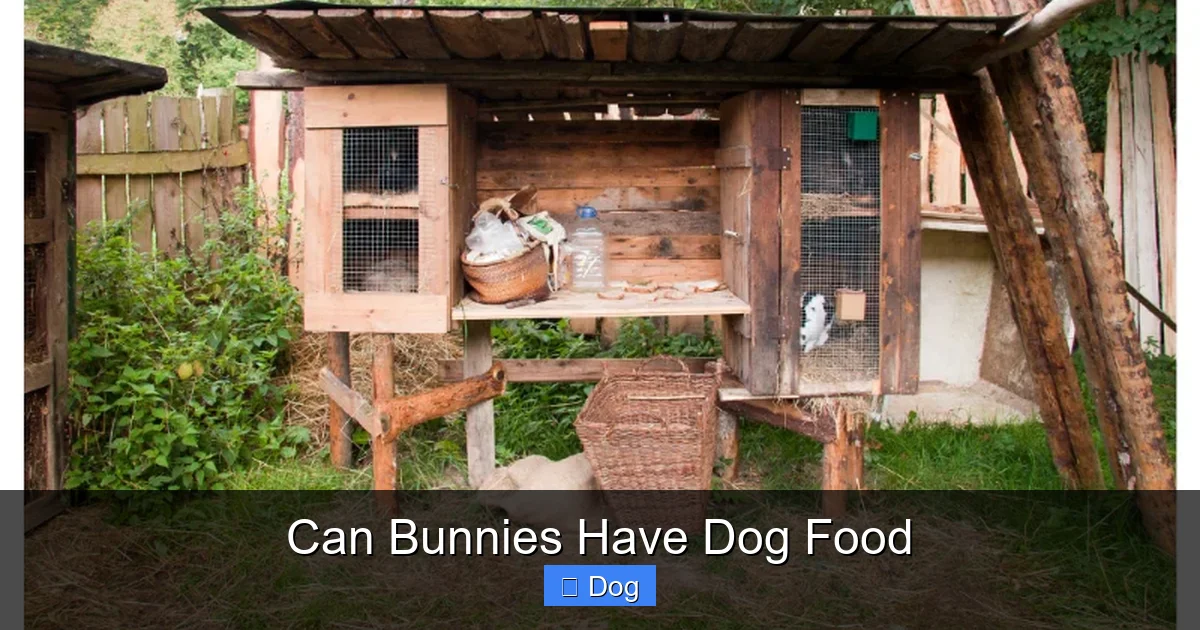
No, bunnies should never eat dog food. Their digestive systems are built for high-fiber, plant-based diets, and dog food lacks the nutrients they need while containing harmful ingredients. Feeding dog food to rabbits can cause serious health problems, including digestive blockages and malnutrition.
Key Takeaways
- Bunnies cannot digest dog food safely: Rabbit digestive systems require high fiber and low protein, while dog food is high in protein and fat, making it unsuitable.
- Dog food lacks essential nutrients for rabbits: Rabbits need vitamin C, fiber, and specific amino acids that dog food does not provide in the right balance.
- Ingredients in dog food can be toxic: Some preservatives, fillers, and flavorings in dog food may harm rabbits or cause allergic reactions.
- Accidental ingestion is common but manageable: If your bunny eats a small amount of dog food, monitor for symptoms like diarrhea or lethargy and contact a vet if needed.
- Stick to a rabbit-specific diet: Offer unlimited hay, fresh vegetables, limited pellets, and clean water for optimal health.
- Prevent cross-feeding at home: Store pet foods separately and supervise multi-pet households to avoid mix-ups.
- Consult a vet for dietary concerns: Always seek professional advice before changing your rabbit’s diet or if accidental ingestion occurs.
📑 Table of Contents
- Can Bunnies Have Dog Food? The Short Answer Is No
- Why Dog Food Is Unsafe for Rabbits
- What Happens If a Bunny Eats Dog Food?
- The Ideal Diet for Rabbits: What They Should Eat Instead
- How to Prevent Accidental Feeding in Multi-Pet Homes
- When to See a Vet: Red Flags to Watch For
- Conclusion: Keep Your Bunny Safe and Healthy
Can Bunnies Have Dog Food? The Short Answer Is No
If you’ve ever wondered, “Can bunnies have dog food?” you’re not alone. Many pet owners with multiple animals—dogs, cats, and rabbits—sometimes get confused about what’s safe to feed each pet. After all, dog food looks harmless enough. It’s dry, crunchy, and often stored in the same cupboard as other pet foods. But here’s the truth: **bunnies should never eat dog food**, even as a treat or in small amounts.
Rabbits have a completely different digestive system than dogs. While dogs are omnivores and can handle a mix of meat, grains, and vegetables, rabbits are strict herbivores. Their bodies are finely tuned to process high-fiber, low-protein plant material—mainly hay, grass, and leafy greens. Dog food, on the other hand, is formulated for carnivorous or omnivorous animals and contains ingredients that can seriously harm a rabbit’s sensitive gut.
Feeding dog food to a bunny, even once, can lead to digestive upset, nutrient imbalances, and long-term health issues. In this article, we’ll explore why dog food is dangerous for rabbits, what happens if your bunny accidentally eats it, and how to keep your furry friend safe and healthy with the right diet.
Why Dog Food Is Unsafe for Rabbits
The Digestive Differences Between Dogs and Rabbits
To understand why dog food is a no-go for bunnies, it helps to know how their digestive systems work. Dogs have a relatively simple digestive tract designed to break down proteins and fats from animal sources. They can tolerate a wide range of foods, including meat, grains, and even some human snacks (in moderation).
Rabbits, however, have a highly specialized digestive system built for constant grazing. Their stomachs are small, but their intestines are long and complex. They rely on a process called **hindgut fermentation**, where beneficial bacteria in the cecum (a pouch near the colon) break down fibrous plant material. This process produces essential nutrients like B vitamins and short-chain fatty acids.
Because of this, rabbits need a diet that’s **high in fiber (at least 18-20%)** and **low in protein and fat**. Dog food typically contains 18-25% protein and 8-15% fat—far too much for a rabbit. The excess protein and fat can overwhelm their system, disrupt gut bacteria, and lead to conditions like **cecal dysbiosis** (an imbalance of healthy gut flora).
Harmful Ingredients in Dog Food
Even if the protein and fat levels weren’t an issue, many ingredients in dog food are simply not meant for rabbits. Let’s look at a few common ones:
– **Meat and animal by-products:** Dog food often includes chicken, beef, or fish meal. Rabbits cannot digest animal protein efficiently, and it can cause kidney strain over time.
– **Corn, wheat, and soy:** These are common fillers in dog food but are difficult for rabbits to digest. Corn, in particular, is high in starch and can lead to gas, bloating, and even gastrointestinal stasis—a life-threatening condition where the gut slows or stops moving.
– **Artificial preservatives and additives:** Ingredients like BHA, BHT, and ethoxyquin are used to extend shelf life in dog food. While approved for dogs, their long-term effects on rabbits are unknown, and some may be toxic.
– **Salt and sugar:** Some dog foods contain added salt or sugar for flavor. Rabbits are sensitive to both. Too much salt can cause dehydration and kidney problems, while sugar can disrupt gut bacteria and lead to obesity.
Nutritional Imbalance: What Rabbits Need vs. What Dog Food Provides
Let’s compare the ideal rabbit diet to a typical dog food label:
| Nutrient | Ideal for Rabbits | Typical Dog Food |
|——————|————————-|————————-|
| Fiber | 18–25% | 2–5% |
| Protein | 12–14% | 18–25% |
| Fat | 2–5% | 8–15% |
| Calcium | 0.6–1.0% | 1.0–2.5% |
| Vitamin C | Required (not stored) | Not included |
As you can see, dog food is drastically different. The low fiber content means rabbits can’t keep their digestive system moving properly. The high protein and fat can lead to obesity, liver disease, and urinary issues like bladder sludge or stones. And the lack of vitamin C—something rabbits can’t synthesize on their own—can result in scurvy-like symptoms, including weakness, joint pain, and poor wound healing.
What Happens If a Bunny Eats Dog Food?
Immediate Symptoms to Watch For
If your bunny accidentally nibbles on dog food—maybe they knocked over a bowl or you mixed up the containers—don’t panic. A small amount once in a while is unlikely to cause serious harm, but you should still monitor your rabbit closely.
Look for these signs of digestive distress:
– **Lethargy or weakness**
– **Loss of appetite**
– **Soft or runny droppings (diarrhea)**
– **Bloating or gas**
– **Teeth grinding (a sign of pain)**
– **Reduced or no fecal pellets**
These symptoms can appear within hours or up to 24–48 hours after ingestion. The biggest concern is **gastrointestinal (GI) stasis**, a condition where the rabbit’s gut slows down or stops moving. This is a medical emergency and requires immediate veterinary care.
Long-Term Health Risks
Even if your bunny seems fine after eating dog food once, repeated exposure can lead to chronic health problems:
– **Obesity:** High-fat dog food can cause weight gain, which puts stress on joints and organs.
– **Dental issues:** Rabbits’ teeth grow continuously and need constant wear from chewing hay. Dog food is soft and doesn’t promote proper tooth wear, leading to overgrown teeth and pain.
– **Urinary problems:** Excess protein and calcium can lead to bladder sludge, stones, or urinary tract infections.
– **Liver and kidney strain:** Processing animal protein and high-fat content can overwork these organs over time.
– **Weakened immune system:** Poor nutrition weakens the immune system, making rabbits more susceptible to infections.
What to Do If Your Bunny Eats Dog Food
If you catch your rabbit eating dog food, here’s what to do:
1. **Remove the dog food immediately.** Make sure your rabbit can’t access it again.
2. **Offer unlimited hay.** Timothy hay or orchard grass helps keep the digestive system moving.
3. **Provide fresh water.** Dehydration can worsen digestive issues.
4. **Monitor closely.** Watch for changes in behavior, appetite, or droppings.
5. **Contact your vet if symptoms appear.** Even mild signs like reduced appetite or soft stools warrant a call to the vet.
Remember: **Prevention is key.** Store dog food in a secure location, use separate feeding areas, and supervise your pets during mealtime.
The Ideal Diet for Rabbits: What They Should Eat Instead
Hay: The Foundation of a Rabbit’s Diet
The single most important part of a rabbit’s diet is **hay**. It should make up **70–80%** of their daily intake. Hay provides the fiber needed to keep the digestive system healthy and helps wear down their teeth.
The best types of hay for rabbits include:
– **Timothy hay** – Ideal for adult rabbits.
– **Orchard grass** – A good alternative, especially for picky eaters.
– **Meadow hay** – Varied grasses, great for enrichment.
– **Oat hay** – Higher in calories, best as a treat or for underweight rabbits.
Avoid alfalfa hay for adult rabbits—it’s too high in calcium and protein and can lead to urinary issues.
Fresh Vegetables: A Daily Treat
Rabbits love fresh veggies, and they’re essential for hydration and vitamins. Offer **1–2 cups of fresh vegetables per 6 pounds of body weight** daily.
Safe vegetables include:
– Romaine lettuce
– Kale (in moderation)
– Cilantro
– Parsley
– Bok choy
– Carrot tops (not the carrot itself—too high in sugar)
– Bell peppers
– Zucchini
Introduce new vegetables slowly to avoid digestive upset. Avoid iceberg lettuce (it’s mostly water and can cause diarrhea) and starchy vegetables like potatoes or corn.
Rabbit Pellets: A Supplement, Not a Staple
High-quality rabbit pellets can be part of a balanced diet, but they should only make up about **5–10%** of daily intake. Look for pellets that are:
– High in fiber (18% or more)
– Low in protein (14% or less)
– Free of seeds, nuts, or colorful bits (these are often high in sugar and fat)
Feed about **1/4 cup per 5 pounds of body weight** per day. Overfeeding pellets can lead to obesity and dental problems.
Water: Always Available
Fresh, clean water should be available at all times. Use a water bottle or heavy bowl to prevent spills. Change the water daily and clean the container regularly to prevent bacteria buildup.
Treats: Occasional and Healthy
Rabbits enjoy treats, but they should be given sparingly—no more than 1–2 tablespoons per day.
Safe treats include:
– Small pieces of apple (no seeds)
– Banana (very small amounts—high in sugar)
– Blueberries (1–2 per week)
– Dried herbs like mint or basil
Avoid sugary or processed treats, including commercial “rabbit snacks” with added sugars or artificial ingredients.
How to Prevent Accidental Feeding in Multi-Pet Homes
Store Pet Foods Separately
If you have both dogs and rabbits, it’s crucial to store their food in different areas. Use sealed containers and keep dog food in a cabinet or room your rabbit can’t access. Label containers clearly to avoid mix-ups.
Feed Pets in Separate Areas
Never feed your dog and rabbit at the same time in the same room. Dogs may be curious about rabbit food, and rabbits might sneak a bite of dog food when no one’s looking. Feed them in separate rooms or at different times.
Supervise Mealtime
Always supervise your pets during meals, especially if they’re free-roaming. A quick sniff or nibble could turn into a health issue.
Educate Family Members
Make sure everyone in the household knows the rules. Kids, roommates, or visitors might not realize that dog food is dangerous for rabbits. Post a note on the fridge or create a simple feeding chart.
Use Pet Gates or Enclosures
If your rabbit has free roam of the house, consider using baby gates to create a “rabbit-safe zone” where dog food is never allowed. This reduces the risk of accidental ingestion.
When to See a Vet: Red Flags to Watch For
Even with the best care, accidents happen. If your rabbit shows any of the following signs after eating dog food—or at any time—contact your veterinarian immediately:
– **No droppings for 12+ hours**
– **Lethargy or inability to move**
– **Loss of appetite for more than 6–8 hours**
– **Swollen or hard abdomen**
– **Difficulty breathing**
– **Seizures or collapse**
These could indicate GI stasis, blockage, or toxicity—all of which require urgent treatment.
Regular check-ups with a rabbit-savvy vet are also important. Rabbits are prey animals and often hide illness until it’s advanced. Annual exams can catch problems early and keep your bunny healthy for years to come.
Conclusion: Keep Your Bunny Safe and Healthy
So, can bunnies have dog food? The answer is a firm **no**. While it might seem harmless, dog food is nutritionally inappropriate and potentially dangerous for rabbits. Their digestive systems are built for a high-fiber, plant-based diet, and dog food simply doesn’t meet those needs.
Instead, focus on providing your bunny with unlimited hay, fresh vegetables, limited pellets, and clean water. Store pet foods separately, supervise mealtimes, and educate everyone in your home about proper rabbit care.
By understanding your rabbit’s unique dietary needs and taking simple precautions, you can prevent accidents and ensure your furry friend lives a long, happy, and healthy life. When in doubt, always consult your veterinarian—they’re your best resource for keeping your bunny thriving.
Frequently Asked Questions
Can bunnies eat dog food as a treat?
No, dog food should never be given to bunnies, even as a treat. It’s too high in protein and fat and lacks the fiber rabbits need, which can lead to digestive problems and long-term health issues.
What should I do if my rabbit ate dog food?
If your rabbit ate a small amount, offer unlimited hay and fresh water, and monitor for symptoms like lethargy or diarrhea. Contact your vet immediately if you notice any signs of illness.
Is it safe to feed rabbit food to dogs?
While not toxic, rabbit food is not ideal for dogs. It’s low in protein and fat, which dogs need. Occasional nibbles are unlikely to harm, but dogs should stick to dog food for proper nutrition.
Can baby rabbits eat dog food?
No, baby rabbits have even more sensitive digestive systems than adults. They need a diet of alfalfa hay, pellets, and mother’s milk (or a rabbit milk replacer). Dog food can be especially harmful to kits.
Are there any pet foods that are safe for both dogs and rabbits?
No, there are no commercially available foods designed for both species. Dogs and rabbits have completely different nutritional needs, so it’s best to feed them separately and store their food apart.
How can I tell if my rabbit has digestive problems?
Signs include reduced or no droppings, loss of appetite, lethargy, bloating, or teeth grinding. If you notice any of these, contact your vet right away—early treatment is crucial for recovery.