
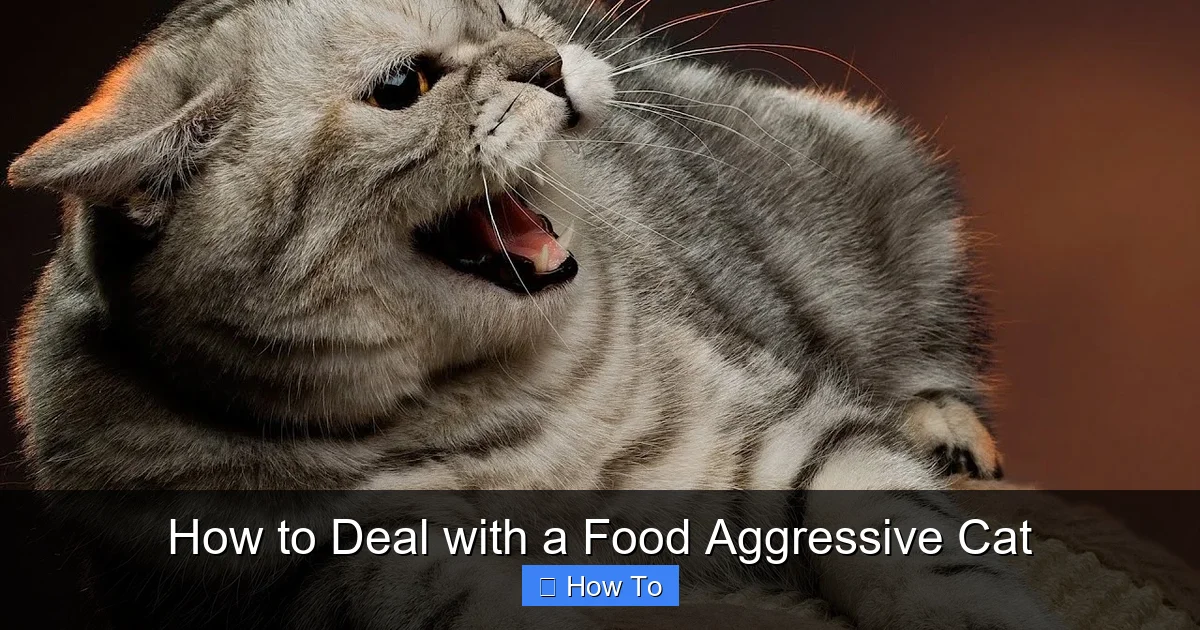
Food aggression in cats can be stressful for both pets and owners, but it’s manageable with patience and the right approach. This guide walks you through identifying triggers, modifying behavior, and creating a peaceful mealtime routine. With consistent training and environmental changes, most cats show significant improvement within weeks.
Key Takeaways
- Recognize the signs: Hissing, growling, swatting, or guarding food bowls are common indicators of food aggression in cats.
- Rule out medical issues: Pain or illness can cause sudden aggression—always consult a vet before assuming behavioral causes.
- Use positive reinforcement: Reward calm behavior with treats, praise, or play to build trust during mealtimes.
- Create a safe feeding space: Feed your cat in a quiet, private area away from other pets and distractions.
- Implement gradual desensitization: Slowly introduce your presence near the food bowl to reduce anxiety over time.
- Maintain consistency: Stick to a regular feeding schedule and routine to reduce stress and unpredictability.
- Seek professional help if needed: A certified feline behaviorist can provide tailored strategies for severe cases.
How to Deal with a Food Aggressive Cat
If your cat growls when you approach their food bowl, swats at other pets during mealtime, or acts tense and defensive while eating, you may be dealing with food aggression. This behavior, while concerning, is more common than you might think—and it’s absolutely manageable with the right tools and mindset.
In this comprehensive guide, updated for 2026, we’ll walk you through everything you need to know about how to deal with a food aggressive cat. You’ll learn how to identify the root causes, implement effective behavior modification techniques, and create a calm, stress-free feeding environment. Whether your cat is new to the home or has developed aggression over time, these proven strategies will help restore peace at mealtime.
Let’s dive in.
Understanding Food Aggression in Cats
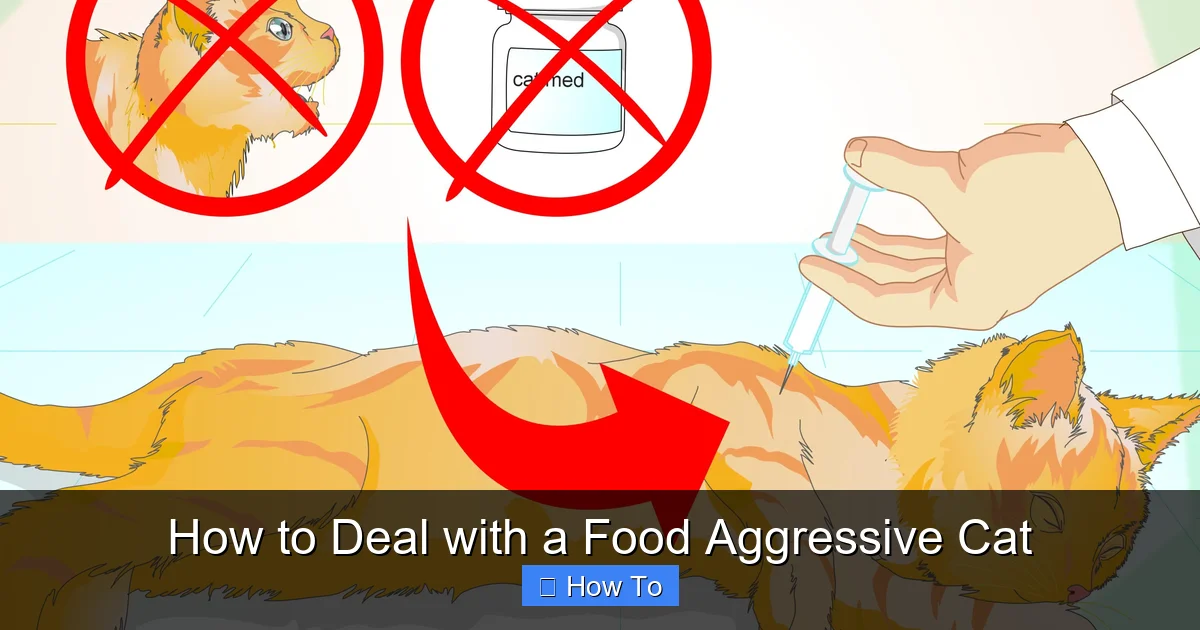
Visual guide about How to Deal with a Food Aggressive Cat
Image source: wikihow.com
Before you can fix a problem, you need to understand it. Food aggression—also known as resource guarding—is a behavior where a cat becomes defensive or hostile when eating or near food. This isn’t just “being grumpy”—it’s a survival instinct rooted in their wild ancestry.
In the wild, cats are solitary hunters. Food is scarce, and competition is high. A cat that guards its meal increases its chances of survival. While domestic cats don’t face the same threats, these instincts can still surface, especially in multi-cat households, rescue cats with past trauma, or animals who’ve experienced food insecurity.
Common Signs of Food Aggression
Look out for these behaviors, especially around feeding time:
- Hissing or growling when someone approaches the food bowl
- Swatting or biting at people or other pets near the feeding area
- Staring intensely or freezing when others are nearby
- Eating very quickly or gulping food down in seconds
- Guarding the food bowl by standing over it or blocking access
- Refusing to eat when others are present, even if hungry
These signs can range from mild (a low growl) to severe (actual biting). The key is to act early—before the behavior becomes deeply ingrained.
Why Does Food Aggression Happen?
Several factors can contribute to food aggression in cats:
- Past trauma or neglect: Rescue cats or strays may have had to fight for food, leading to defensive behaviors.
- Multi-cat households: Competition for resources can trigger guarding instincts.
- Medical issues: Dental pain, gastrointestinal problems, or hormonal imbalances can make eating uncomfortable, increasing irritability.
- Lack of routine: Inconsistent feeding times or sudden changes in environment can heighten anxiety.
- Overfeeding or underfeeding: Both extremes can disrupt a cat’s sense of security around food.
Understanding the cause helps you choose the right solution. For example, a cat with dental pain needs veterinary care, not just behavior training.
Step 1: Rule Out Medical Causes
Never assume food aggression is purely behavioral. Pain or illness can make any cat irritable—especially during meals.
Visit Your Veterinarian
Schedule a full check-up with your vet, including:
- A physical exam to check for injuries or pain
- Dental evaluation (tooth decay or gum disease is common in cats)
- Blood work to rule out thyroid issues, diabetes, or kidney disease
- Fecal test to check for parasites
In 2026, many vets now use advanced diagnostic tools like AI-assisted imaging and wearable health monitors to detect subtle signs of discomfort. Don’t skip this step—what looks like aggression could be a cat in pain.
Monitor for Subtle Signs
Even if your cat seems healthy, watch for:
- Reluctance to chew hard food
- Excessive drooling
- Weight loss despite eating
- Changes in litter box habits
If any of these are present, your vet may recommend a soft diet, medication, or further testing.
Step 2: Create a Safe Feeding Environment
Once medical issues are ruled out, focus on the environment. A calm, predictable space can reduce anxiety and prevent aggression.
Choose the Right Location
Feed your cat in a quiet, low-traffic area of your home. Avoid kitchens during busy meal prep times or living rooms with loud TVs. Ideal spots include:
- A spare room or bathroom
- A corner of a bedroom with the door closed
- A designated “cat zone” with soft lighting and minimal noise
Use baby gates or pet barriers if you have other pets. The goal is to make your cat feel safe and undisturbed.
Use Separate Feeding Stations
In multi-cat homes, never feed cats together unless they’re bonded and show no signs of tension. Instead:
- Feed each cat in a separate room
- Use timed feeders to release food at the same time
- Place bowls at least 6–8 feet apart if feeding in the same space
This reduces competition and gives each cat space to eat in peace.
Upgrade the Feeding Setup
The type of bowl and feeding method can also impact behavior.
- Use wide, shallow bowls: Deep bowls can cause whisker fatigue, making eating uncomfortable.
- Try puzzle feeders: These slow down eating and provide mental stimulation, reducing stress.
- Consider elevated feeders: Some cats prefer eating at a slight height, which can ease neck strain.
- Avoid metal bowls: They can create static or reflect light, startling sensitive cats.
In 2026, smart feeders with portion control, voice alerts, and remote monitoring are widely available. These can help maintain consistency, especially for busy pet parents.
Step 3: Establish a Consistent Routine
Cats thrive on predictability. A regular feeding schedule reduces anxiety and helps your cat feel secure.
Set Fixed Meal Times
Instead of free-feeding (leaving food out all day), switch to scheduled meals. Most adult cats do well with two meals per day, spaced 10–12 hours apart.
- Feed at the same times every day (e.g., 7 a.m. and 7 p.m.)
- Use an alarm or smart feeder to stay consistent
- Stick to the routine even on weekends
Consistency signals safety. Your cat will learn that food is reliably available, reducing the need to guard it.
Portion Control Matters
Overfeeding can lead to obesity and lethargy, while underfeeding increases food anxiety. Follow your vet’s recommendations for portion size based on your cat’s age, weight, and activity level.
Use a measuring cup or digital scale to ensure accuracy. In 2026, many smart bowls now track intake and sync with pet health apps, making portion control easier than ever.
Step 4: Use Positive Reinforcement Training
Behavior modification is key to reducing food aggression. The goal is to change your cat’s emotional response to people or other pets near their food.
Start with Distance
Begin training when your cat is calm and not actively eating.
- Stand at a distance where your cat notices you but doesn’t react (e.g., 10–15 feet away)
- Toss a high-value treat (like cooked chicken or freeze-dried liver) toward your cat
- Say a calm, happy phrase like “Good kitty!”
- Repeat this several times per session
The idea is to associate your presence with something positive—not a threat.
Gradually Decrease Distance
Over days or weeks, slowly move closer during training sessions.
- Step 1: 10 feet → toss treat
- Step 2: 8 feet → toss treat
- Step 3: 5 feet → toss treat
- Step 4: Stand near the bowl while eating → toss treat
Never force proximity. If your cat shows signs of stress (flattened ears, tail flicking, growling), increase the distance and go slower.
Incorporate Hand-Feeding
Once your cat is comfortable with your presence, try hand-feeding small portions.
- Offer a piece of food from your palm
- Praise calmly and gently
- Gradually increase the amount you hand-feed
This builds trust and reinforces that you’re not a threat—you’re the source of good things.
Use Clicker Training (Optional)
Clicker training can speed up progress. Pair the clicker sound with a treat to mark calm behavior.
- Click when your cat eats without reacting to your presence
- Click when they look at you calmly
- Click when they approach you for food
Over time, your cat will learn that calm behavior = rewards.
Step 5: Manage Multi-Cat Dynamics
If you have more than one cat, food aggression can escalate quickly. Here’s how to keep the peace.
Feed Separately
As mentioned earlier, feed each cat in a different room. Use baby gates or closed doors to prevent visual contact if needed.
- Feed the more aggressive cat first, then the others
- Use automatic feeders with timers to maintain routine
- Supervise initially to ensure no sneaking or stealing
Increase Vertical Space
Cats feel safer when they can observe from above. Add cat trees, shelves, or window perches near feeding areas.
- Place food bowls on elevated surfaces
- Create escape routes so cats can leave if they feel threatened
- Use calming pheromone diffusers (like Feliway) to reduce tension
Rotate Feeding Locations
To prevent territorial behavior, occasionally switch where each cat eats.
- Move bowls to different rooms weekly
- Use the same bowl but change the spot
- This reduces “ownership” of a specific area
Step 6: Address Underlying Anxiety
Food aggression is often a symptom of deeper stress. Help your cat feel more secure overall.
Provide Enrichment
A bored or understimulated cat is more likely to develop behavioral issues.
- Rotate toys weekly to keep things fresh
- Use interactive feeders or treat-dispensing balls
- Set up a bird-watching station by a window
- Play with your cat for 10–15 minutes daily
Mental and physical stimulation reduces anxiety and redirects energy away from aggression.
Use Calming Aids
In 2026, a variety of safe, vet-approved calming products are available:
- Pheromone diffusers: Mimic natural feline calming signals
- Calming collars: Release soothing scents over time
- Supplements: Products with L-theanine, tryptophan, or CBD (vet-approved) can ease anxiety
- Prescription medication: For severe cases, your vet may recommend anti-anxiety meds
Always consult your vet before using supplements or medication.
Troubleshooting Common Challenges
Even with the best plan, setbacks can happen. Here’s how to handle them.
Your Cat Still Growls After Weeks of Training
Progress may be slow. Go back a step in your training—increase distance, use higher-value treats, or shorten sessions. Patience is key.
Another Pet Keeps Stealing Food
Use microchip-activated feeders that only open for the correct cat. These are widely available in 2026 and highly effective.
Your Cat Refuses to Eat in the New Location
Introduce the new spot gradually. Start by placing the bowl near the old spot, then move it a few inches each day.
Aggression Spikes During Certain Times
Track behavior in a journal. Note time of day, who was present, and what happened before the incident. Patterns may reveal hidden triggers.
When to Seek Professional Help
Most cats improve with consistent training. But if aggression escalates—such as biting, chasing, or refusing to eat for more than 24 hours—it’s time to call in an expert.
Consult a Certified Feline Behaviorist
Look for a professional certified by organizations like the International Association of Animal Behavior Consultants (IAABC) or the American College of Veterinary Behaviorists (ACVB).
They can:
- Assess your cat’s environment and routine
- Create a customized behavior modification plan
- Recommend medical or pharmaceutical support if needed
In 2026, many behaviorists offer virtual consultations, making help more accessible than ever.
Final Thoughts: Building a Peaceful Mealtime
Dealing with a food aggressive cat takes time, empathy, and consistency. But with the right approach, you can transform mealtime from a source of stress into a calm, positive experience.
Remember: your cat isn’t being “bad”—they’re responding to fear, pain, or past trauma. By addressing the root cause, creating a safe environment, and using positive reinforcement, you’re not just stopping aggression—you’re building trust.
Celebrate small wins. A cat that once hissed at your approach but now eats calmly when you’re nearby is making progress. Every step forward matters.
With patience and love, most food aggressive cats learn to relax, eat in peace, and enjoy their meals—just like any other happy, well-adjusted feline.
Conclusion
Food aggression in cats is a manageable behavior when approached with understanding and consistency. Start by ruling out medical issues, then focus on creating a safe, predictable feeding environment. Use positive reinforcement to build trust, maintain a regular routine, and address any underlying anxiety. In multi-cat homes, separate feeding stations and enrichment are essential. If progress stalls, don’t hesitate to seek help from a certified behaviorist. With time and care, your cat can overcome food aggression and enjoy peaceful, stress-free meals.