
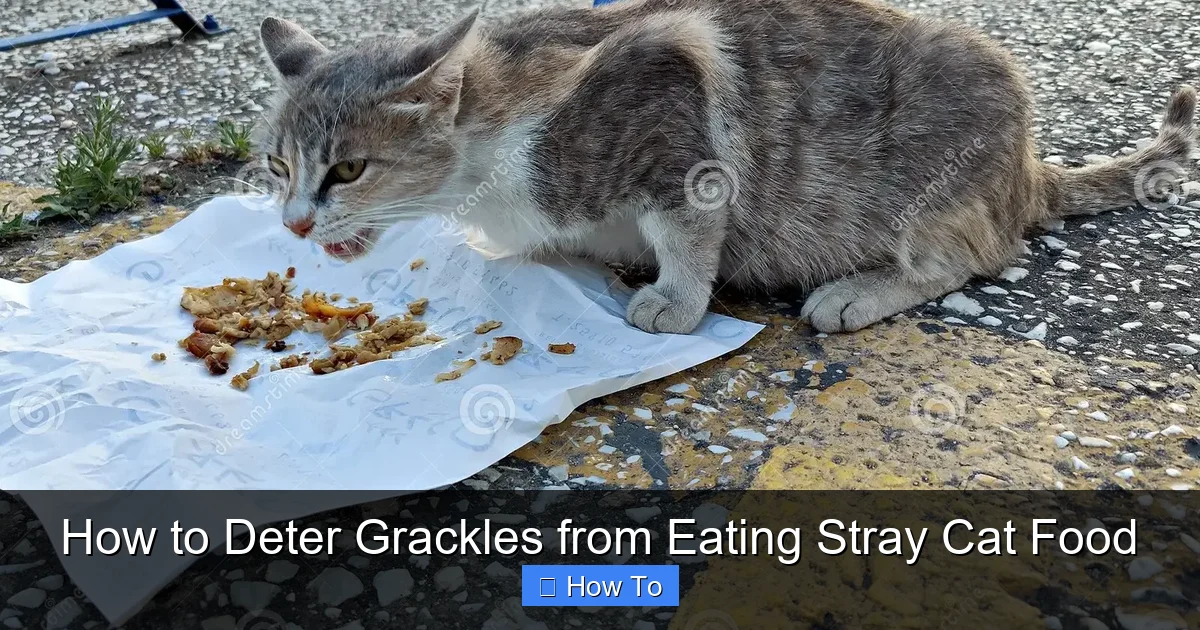
Grackles can quickly become a nuisance when they invade outdoor feeding areas for stray cats. This guide offers practical, eco-friendly strategies to keep grackles away without harming them or disrupting local wildlife. From smart feeding schedules to clever deterrents, you’ll find actionable tips to protect cat food and support a balanced ecosystem.
Key Takeaways
- Feed cats on a strict schedule: Grackles are opportunistic feeders. Feeding stray cats at consistent, early morning or late evening times reduces food availability during peak grackle activity.
- Use covered or enclosed feeders: Dome-style or mesh-covered feeders allow cats to eat while blocking larger birds like grackles from accessing the food.
- Install visual and auditory deterrents: Reflective tape, motion-activated sprinklers, or ultrasonic devices can discourage grackles without causing harm.
- Choose the right food type and placement: Wet food is less attractive to birds, and placing feeding stations in sheltered, low-traffic areas minimizes bird interest.
- Maintain clean feeding zones: Regularly clean up spilled food and debris to avoid attracting grackles and other scavengers.
- Work with your community: Coordinate with neighbors to standardize feeding practices, reducing scattered food sources that draw in grackles.
- Monitor and adapt: Wildlife behavior changes seasonally. Stay observant and adjust your methods as needed throughout the year.
Introduction: Why Grackles Are a Problem at Stray Cat Feeding Stations
If you’re caring for stray or community cats, you know how important it is to provide them with reliable, nutritious meals. But in 2026, one of the biggest challenges many caregivers face isn’t just feeding the cats—it’s keeping the food for the cats. Enter the grackle: a sleek, iridescent blackbird with a sharp eye for easy meals. These intelligent, social birds are highly adaptable and often flock to outdoor feeding areas, especially where dry kibble is left out in the open.
Grackles aren’t inherently bad—they play a vital role in controlling insect populations and are a natural part of urban and suburban ecosystems. However, when they descend on stray cat feeding stations in large numbers, they can quickly consume or contaminate food meant for cats. This not only increases your feeding costs but can also lead to unsanitary conditions, attracting pests like rats or other birds. Worse, the noise and aggression of grackle flocks can stress the very cats you’re trying to help.
The good news? You don’t have to choose between feeding cats and coexisting with grackles. With a few smart, humane strategies, you can deter grackles from eating stray cat food while still supporting both feline and avian wildlife. This guide will walk you through practical, science-backed methods to protect your feeding stations, reduce bird interference, and create a peaceful environment for everyone involved.
Whether you’re a solo caregiver or part of a neighborhood TNR (Trap-Neuter-Return) group, these tips are designed to be affordable, easy to implement, and effective in 2026’s evolving urban landscape. Let’s dive in.
Understand Grackle Behavior: Know Your Foe
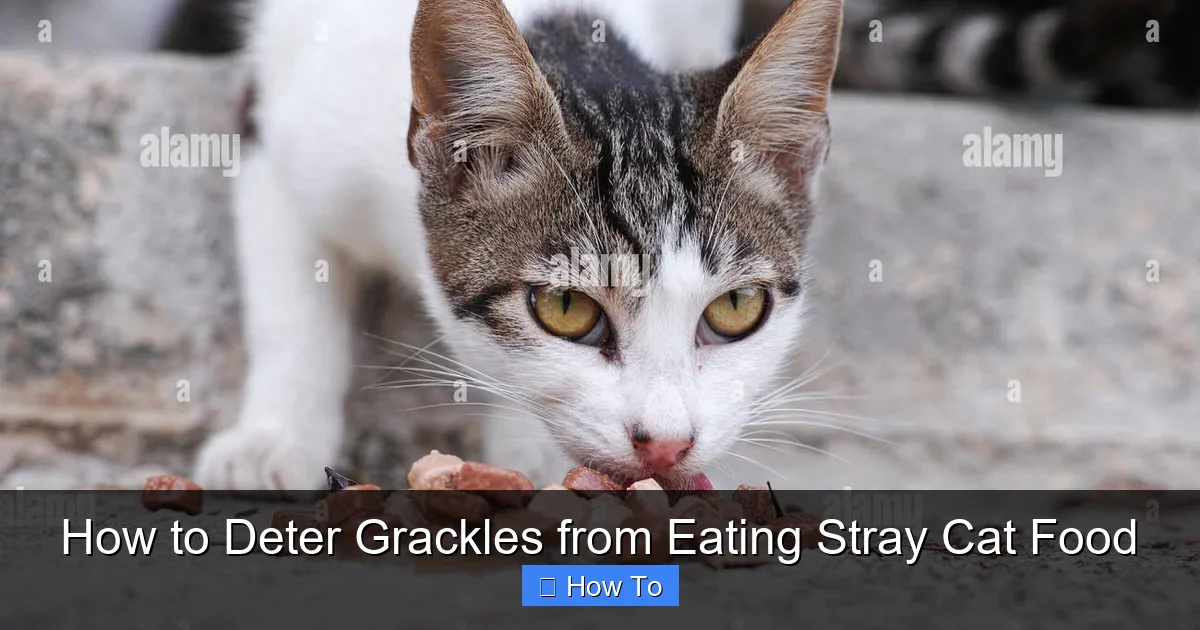
Visual guide about How to Deter Grackles from Eating Stray Cat Food
Image source: c8.alamy.com
Before you can effectively deter grackles, it helps to understand why they’re drawn to your feeding area in the first place. Grackles are opportunistic omnivores with a strong preference for seeds, grains, and dry kibble—exactly the kind of food often used for stray cats. They’re also highly social and tend to feed in flocks, which means one curious grackle can quickly alert dozens of others to a new food source.
Grackles are most active during daylight hours, especially in the morning and midday. They have excellent vision and can spot food from great distances, especially if it’s in an open, visible location. Once they discover a reliable feeding spot, they’ll return daily—and bring friends. Their boldness and intelligence make them difficult to scare off with simple methods like fake owls or static decoys, which they quickly learn to ignore.
Another key factor: grackles are protected under the Migratory Bird Treaty Act in the United States, which means you cannot harm, trap, or relocate them without special permits. This makes humane deterrence not just a preference—it’s a legal necessity. The goal isn’t to eliminate grackles from your area, but to make your feeding station unappealing to them while still welcoming cats.
Why Dry Food Is a Magnet
Dry kibble is particularly attractive to grackles because it’s small, dry, and easy to peck at. Unlike wet food, which has a strong odor and is typically consumed quickly by cats, dry food can sit out for hours—giving grackles plenty of time to find and feast on it. Additionally, spilled kibble or crumbs left on the ground create a buffet for birds and other scavengers.
Seasonal Patterns to Watch
Grackle activity can vary by season. In spring and summer, they’re busy raising young and may be more aggressive in defending food sources. In fall and winter, flocks grow larger as birds from northern regions migrate south, increasing competition for food. This means your deterrent strategies may need to be more robust during colder months when natural food is scarcer.
Understanding these behaviors helps you tailor your approach. For example, if grackles are most active at noon, feeding cats early in the morning or after sunset can drastically reduce encounters. The key is to stay one step ahead by anticipating their habits and adjusting your routine accordingly.
Step 1: Optimize Your Feeding Schedule
One of the simplest and most effective ways to deter grackles is to change when you feed the cats. Since grackles are diurnal (active during the day), feeding cats during their off-hours minimizes overlap and reduces the chance of bird interference.
Feed Early in the Morning or After Sunset
Aim to feed stray cats just after sunrise or just before sunset. These times align with natural feline hunting instincts and fall outside the peak activity window for grackles. For example, if you typically feed at 10 a.m., try shifting to 6:30 a.m. instead. Cats will still get their meal, but grackles are less likely to be around.
If early mornings aren’t practical, late evening feeding works just as well. Many community cat caregivers use automatic feeders set to dispense food at 7 or 8 p.m. This not only avoids grackles but also reduces the chance of attracting nocturnal pests like raccoons or opossums.
Use Timed or Automatic Feeders
Investing in a high-quality automatic feeder can be a game-changer. Look for models with programmable timers, portion control, and weather-resistant designs. Some advanced feeders even have built-in cameras or motion sensors, allowing you to monitor feeding activity remotely.
When choosing a feeder, opt for one with a secure lid or locking mechanism. Grackles are clever and may try to peck at latches or lift covers. A feeder with a weighted or spring-loaded lid that only opens when a cat approaches (via RFID tag or motion sensor) can keep birds out entirely.
Limit Feeding Duration
Another strategy is to limit how long food is available. Instead of leaving kibble out all day, dispense a single meal and remove any leftovers after 30–60 minutes. This “serve and remove” method ensures that food doesn’t sit out long enough for grackles to discover it.
If you’re concerned about cats missing a meal, consider splitting their daily intake into two short feeding windows—early morning and late evening. This mimics natural feeding patterns and keeps food fresh and bird-free.
Step 2: Choose the Right Food and Feeder Design
Not all cat food is created equal when it comes to bird appeal. Making smart choices about what you feed and how you serve it can significantly reduce grackle interest.
Switch to Wet Food When Possible
Wet cat food is far less attractive to grackles than dry kibble. Its strong smell appeals to cats but repels most birds, and its soft texture makes it difficult for birds to consume. While wet food is more expensive and perishable, using it for one daily meal (especially the evening feeding) can be a worthwhile investment.
If budget is a concern, try a hybrid approach: use dry food in the morning (when grackles are less active) and wet food in the evening. This balances cost, convenience, and bird deterrence.
Use Covered or Enclosed Feeders
Enclosed feeders are one of the most effective tools for keeping grackles out. These feeders feature a roof, walls, or mesh barriers that allow cats to enter but block larger birds. Look for designs with low entry points (cats can duck in easily) and narrow openings (too small for grackles to fit through).
Popular options include:
– Dome feeders with a central food bowl and surrounding cover
– Tunnel feeders that require cats to walk through a short passage
– Mesh-covered platforms that let cats eat from underneath while birds can’t land
When installing an enclosed feeder, place it in a quiet, sheltered spot—away from open lawns or rooftops where grackles like to perch. Adding a small canopy or awning can further protect the area from rain and bird droppings.
Elevate the Feeding Station
Grackles prefer to feed on or near the ground, where they can easily spot predators. Raising your feeding station 12–18 inches off the ground can make it less accessible to birds while still being reachable for cats. Use a sturdy platform, repurposed crate, or custom-built stand.
Just be sure the elevation doesn’t make it difficult for older or injured cats to access the food. A gentle ramp or step can help maintain inclusivity.
Step 3: Use Visual and Auditory Deterrents
Grackles rely heavily on sight and sound to navigate and find food. By disrupting their sensory cues, you can make your feeding area less appealing—without harming the birds.
Install Reflective or Moving Objects
Shiny, moving objects startle grackles and trigger their instinct to avoid potential threats. Try hanging:
– Strips of reflective tape (like those used for bird control on windows)
– Old CDs or aluminum pie pans on strings
– Pinwheels or wind spinners near the feeding area
These items should move freely in the breeze and catch the light. Rotate or reposition them every few days to prevent grackles from getting used to them.
Use Motion-Activated Devices
For a more high-tech solution, consider motion-activated deterrents. These include:
– Sprinklers that spray water when movement is detected (grackles dislike sudden water)
– Ultrasonic repellents that emit high-frequency sounds inaudible to humans but irritating to birds
– Lights that flash when motion is sensed
Place these devices near the feeding station, but not so close that they scare the cats. Test them during the day to ensure they’re effective and adjust sensitivity as needed.
Avoid Static Decoys
While fake owls, snakes, or hawks may seem like a quick fix, grackles are smart enough to recognize static objects as non-threatening after a few days. If you use decoys, move them frequently and pair them with other deterrents for better results.
Step 4: Modify the Environment Around the Feeding Area
Sometimes, the best defense is a good offense—by changing the environment, you can make your yard less inviting to grackles overall.
Remove Perching Spots
Grackles love to perch on high branches, fences, or power lines near feeding areas. Trim back overhanging tree limbs or install bird spikes on nearby ledges to discourage roosting. Even removing a single favorite perch can reduce bird traffic significantly.
Limit Water Sources
Birds need water as much as food. If you have a birdbath, fountain, or pet water bowl near the feeding station, consider relocating it or covering it during feeding times. A dry yard is less attractive to grackles.
Plant Deterrent Vegetation
Some plants naturally repel birds due to their scent or texture. Consider planting:
– Lavender or mint (strong scents birds avoid)
– Spiky shrubs like barberry or holly (discourage perching)
– Tall grasses that block sightlines to the feeding area
These plants also benefit pollinators and add beauty to your space—just avoid anything toxic to cats.
Step 5: Maintain Cleanliness and Minimize Spills
A clean feeding area is a less attractive feeding area. Grackles are drawn to crumbs, spilled kibble, and food debris—so keeping things tidy is essential.
Clean Up After Every Feeding
After each meal, sweep or vacuum the area around the feeder. Use a small handheld broom or brush to collect stray kibble. If you use wet food, wipe down surfaces to prevent odors that might attract insects or other animals.
Use a Feeding Mat or Tray
Place a waterproof mat or shallow tray under the feeder to catch spills. These are easy to clean and prevent food from scattering into the grass or soil. Look for mats with raised edges to contain messes.
Store Food Securely
Keep extra cat food in sealed, airtight containers away from the feeding area. Open bags or loosely covered bins can emit odors that attract grackles from a distance. Store food indoors or in a secure shed.
Step 6: Collaborate with Your Community
If you’re part of a neighborhood TNR program or share feeding responsibilities with others, coordination is key. Grackles don’t respect property lines—if one house leaves food out all day, it can attract birds to the entire block.
Standardize Feeding Practices
Work with neighbors to agree on consistent feeding times, food types, and cleanup routines. A unified approach reduces scattered food sources and makes deterrents more effective.
Share Resources and Tips
Create a group chat or email list to share what’s working (and what’s not). Maybe one neighbor found a great enclosed feeder, or another discovered that grackles avoid a certain type of reflective tape. Collective knowledge strengthens your efforts.
Educate Others
Not everyone understands why grackles are a problem or how to deter them. Share this guide or host a short community meeting to explain the importance of humane, coordinated feeding practices. The more people involved, the greater the impact.
Troubleshooting Common Challenges
Even with the best plans, you may run into issues. Here’s how to handle common problems:
Grackles Keep Returning Despite Deterrents
If grackles are persistent, they may have become habituated to the area. Try combining multiple strategies—for example, use an enclosed feeder and motion-activated sprinklers. Rotate deterrents weekly to keep birds guessing.
Cats Are Scared of New Feeders or Devices
Introduce changes gradually. Let cats explore a new feeder during the day without food, then add food once they’re comfortable. For motion devices, start with low sensitivity and increase as needed.
Weather Damages Feeders or Deterrents
Choose weather-resistant materials and secure feeders firmly. In rainy or windy climates, consider indoor or semi-covered feeding stations.
Budget Constraints Limit Options
Many effective deterrents are low-cost or DIY. Use recycled materials for reflective tape, build a simple mesh cover from hardware cloth, or repurpose old containers as feeding trays.
Conclusion: Coexisting with Grackles While Caring for Cats
Detering grackles from eating stray cat food isn’t about winning a battle—it’s about creating a balanced, respectful coexistence. By understanding grackle behavior, adjusting your feeding habits, and using humane deterrents, you can protect the food meant for cats without harming the birds.
In 2026, as urban wildlife becomes more intertwined with human spaces, thoughtful, community-driven solutions are more important than ever. Whether you’re feeding one cat or managing a colony, these strategies empower you to care for animals while supporting a healthy ecosystem.
Remember: consistency is key. Grackles are smart, but so are you. With patience, observation, and a few smart tweaks, you can keep your feeding station cat-friendly and bird-resistant—all while doing your part to nurture a kinder, more sustainable world.