
Food allergies in cats are more common than you think, and identifying the culprit ingredient can be tricky. This guide walks you through step-by-step methods—including elimination diets, vet diagnostics, and at-home observation—to pinpoint your cat’s food allergy safely and effectively in 2026.
Key Takeaways
- Common allergens include beef, dairy, fish, chicken, and grains like wheat or corn. These proteins and fillers often trigger immune responses in sensitive cats.
- Symptoms go beyond itching—watch for vomiting, diarrhea, ear infections, and excessive grooming. Gastrointestinal and skin issues are the most frequent signs.
- An elimination diet is the gold standard for diagnosing food allergies. It requires 8–12 weeks of feeding only novel or hydrolyzed protein sources.
- <Never guess or switch foods abruptly without a plan. Sudden changes can worsen symptoms or mask true allergens.
- Work closely with your veterinarian throughout the process. They can rule out other conditions and guide safe testing.
- Hydrolyzed protein diets break down proteins so the immune system doesn’t recognize them. These are often used in clinical trials and prescribed by vets.
- Keep a detailed food and symptom journal. Tracking daily meals, treats, and reactions helps identify patterns and confirm results.
How to Determine What Food Allergy My Cat Has
If your cat is scratching constantly, has an upset stomach, or seems generally unwell, a food allergy might be the cause. Unlike food intolerances—which affect digestion—food allergies involve the immune system reacting to a specific ingredient as if it were harmful. In 2026, pet owners have more tools than ever to identify and manage these allergies, but the process still requires patience, observation, and professional guidance.
This comprehensive guide will walk you through every step of determining what food allergy your cat has. You’ll learn how to recognize symptoms, work with your vet, conduct a safe elimination diet, interpret results, and transition to a long-term allergy-friendly diet. Whether you’re dealing with chronic ear infections, persistent diarrhea, or unexplained itching, this guide will help you get to the root of the problem—safely and effectively.
Step 1: Recognize the Signs of a Food Allergy
Before you can determine what your cat is allergic to, you need to confirm that a food allergy is actually the issue. Many symptoms overlap with other conditions like parasites, infections, or environmental allergies (atopy), so careful observation is key.
Common Symptoms of Food Allergies in Cats
- Skin issues: Intense itching (especially around the head, neck, and ears), hair loss, redness, scabs, or hot spots.
- Gastrointestinal problems: Chronic vomiting, diarrhea, gas, or frequent bowel movements.
- Ear infections: Recurrent ear inflammation or dark, waxy discharge.
- Excessive grooming: Over-grooming leading to bald patches or skin damage.
- Respiratory signs (rare): Sneezing or mild coughing, though these are more typical of environmental allergies.
Unlike seasonal allergies, which flare up at certain times of year, food allergy symptoms tend to be year-round and persistent. If your cat has been dealing with these issues for weeks or months—even with treatment—it’s time to consider a food allergy.
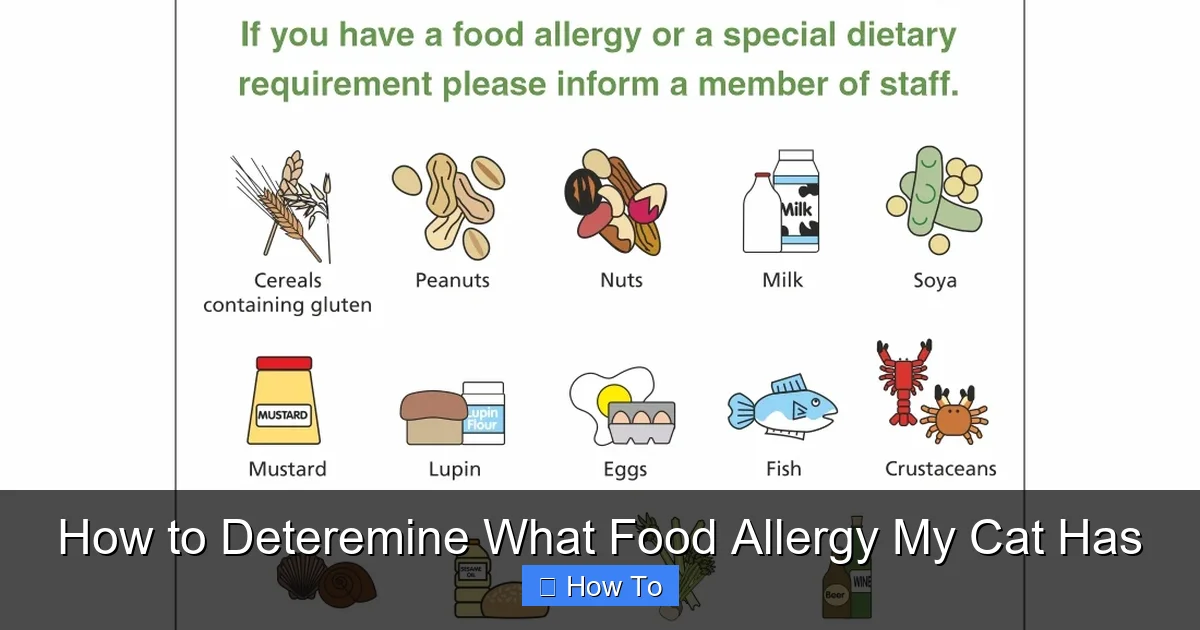
Visual guide about How to Deteremine What Food Allergy My Cat Has
Image source: astonsafetysigns.co.uk
What’s Not a Food Allergy?
It’s important to rule out other causes. Flea allergy dermatitis, for example, can cause severe itching but is triggered by flea bites, not food. Similarly, inflammatory bowel disease (IBD) can mimic food allergy symptoms but requires different treatment. Your vet can help differentiate between these conditions through physical exams, skin tests, or blood work.
When to See a Veterinarian
If your cat shows any of the above symptoms—especially if they’re severe or worsening—schedule a vet visit. In 2026, many clinics offer advanced allergy panels and nutritional consultations. Your vet may also recommend fecal tests, skin scrapings, or blood tests to rule out infections, parasites, or other underlying issues before starting a food trial.
Step 2: Understand Common Cat Food Allergens
Not all ingredients are equally likely to cause allergies. Knowing which proteins and additives are most problematic can help you make smarter choices during testing.
Top Food Allergens in Cats
- Beef: One of the most common triggers, especially in cats fed beef-based diets for years.
- Dairy products: Many adult cats are lactose intolerant, but true dairy allergies involve immune reactions to milk proteins like casein.
- Fish and seafood: Despite being marketed as “natural,” fish is a frequent allergen—particularly salmon, tuna, and shrimp.
- Chicken: A staple in many cat foods, chicken can become allergenic over time due to repeated exposure.
- Eggs: Often used as a protein booster, eggs can trigger reactions in sensitive cats.
- Grains (wheat, corn, soy): While less common than protein allergies, some cats react to grain proteins or gluten.
- Additives: Artificial colors, flavors, preservatives (like BHA or BHT), and fillers may also cause issues in rare cases.
Why Proteins Are the Main Culprits
Food allergies develop when the immune system mistakenly identifies a protein as harmful. The more often a cat eats a particular protein, the higher the chance of developing sensitivity. That’s why “novel” proteins—those your cat has never eaten before—are used in elimination diets.
Grain Myths Debunked
Despite popular belief, grain allergies are relatively rare in cats. Most commercial cat foods contain minimal grains, and cats are obligate carnivores who digest animal proteins more efficiently. If your cat reacts to a grain-free diet, the issue is likely still a protein source, not the absence of grains.
Step 3: Prepare for an Elimination Diet
The elimination diet is the most reliable way to diagnose a food allergy. It involves feeding your cat a simplified diet with ingredients they’ve never consumed before, then gradually reintroducing potential allergens to see which one causes a reaction.
Why Elimination Diets Work
This method removes all suspected allergens from your cat’s system. If symptoms improve on the new diet and return when an old ingredient is added back, you’ve likely found the culprit. It’s considered the “gold standard” because it’s based on real-world response, not just lab results.
Choosing the Right Elimination Diet
There are two main types of elimination diets:
- Novel protein diet: Uses a single source of protein your cat has never eaten—like rabbit, duck, venison, or kangaroo. The protein must be paired with a novel carbohydrate (e.g., sweet potato or peas).
- Hydrolyzed protein diet: Contains proteins broken down into tiny fragments too small for the immune system to recognize. These are prescription-only and formulated to prevent allergic reactions.
In 2026, many pet food companies offer hydrolyzed options (like Hill’s Prescription Diet z/d or Royal Canin Hypoallergenic), and novel protein kibbles and wet foods are widely available at pet stores and online.
What to Feed During the Trial
During the elimination phase, your cat must eat only the test diet—no treats, table scraps, flavored medications, or even toothpaste. Even small amounts of other foods can invalidate the results.
Choose a diet that lists only one protein and one carbohydrate source. For example:
- Rabbit and pea
- Duck and potato
- Venison and green bean
Avoid “limited ingredient” diets that still contain multiple proteins or hidden additives. Read labels carefully!
How Long Does the Elimination Diet Last?
The trial typically lasts 8 to 12 weeks. Most cats show improvement within 4–6 weeks, but some take longer. Stick to the full duration even if symptoms seem to clear up early—premature reintroduction can confuse results.
Step 4: Start the Elimination Diet Safely
Once you’ve chosen a diet, it’s time to begin. This step requires discipline, but it’s essential for accurate diagnosis.
Transitioning to the New Diet
Switch your cat gradually over 5–7 days to avoid digestive upset. Mix increasing amounts of the new food with the old food each day until only the elimination diet remains.
Strict Feeding Rules
- Feed only the prescribed elimination diet.
- No human food, no flavored chews, no rawhide, no dental treats.
- If your cat takes medication, ask your vet for unflavored or hypoallergenic versions.
- If you have multiple pets, feed your cat separately to prevent food stealing.
Monitor and Record Everything
Keep a detailed journal tracking:
- Daily food intake (amount and type)
- Treats or accidental exposures
- Symptoms (itching, vomiting, diarrhea, grooming habits)
- Energy levels and behavior
Use a notebook, spreadsheet, or pet health app. In 2026, apps like PetPace or Whistle Health can sync with smart feeders and track symptoms automatically.
What If Symptoms Don’t Improve?
If there’s no improvement after 8 weeks, consider:
- The chosen protein may still be allergenic (rare, but possible if cross-contamination occurred).
- Your cat may have an environmental allergy or another condition.
- The diet wasn’t followed strictly enough.
Consult your vet before changing plans. They may suggest trying a different novel protein or switching to a hydrolyzed diet.
Step 5: Reintroduce Suspected Allergens (Provocation Testing)
After the elimination phase, it’s time to test which ingredient caused the reaction. This is called provocation testing.
How to Reintroduce Ingredients
One at a time, add a small amount of a previously fed ingredient back into your cat’s diet. Start with the most common allergens (e.g., beef, chicken, dairy).
Step-by-Step Reintroduction
- Choose one ingredient to test (e.g., chicken).
- Feed a small portion mixed with the elimination diet for 3–7 days.
- Watch closely for any return of symptoms.
- If no reaction occurs, move to the next ingredient after 7 days.
- If symptoms return, stop immediately—this is likely the allergen.
Only test one ingredient at a time. Testing multiple ingredients simultaneously makes it impossible to identify the culprit.
What Counts as a Reaction?
A true allergic reaction includes:
- Return of itching, redness, or hair loss
- Vomiting or diarrhea within 24–48 hours
- Increased grooming or ear scratching
Mild digestive upset from a new food isn’t necessarily an allergy—it could just be intolerance. True allergies involve immune responses and consistent symptom recurrence.
Documenting Results
Update your journal with each test. Note the ingredient, amount, duration, and any reactions. This record will help you and your vet confirm the diagnosis.
Step 6: Confirm the Diagnosis and Plan Long-Term Management
Once you’ve identified the allergen, it’s time to create a sustainable feeding plan.
Confirming the Allergen
To be sure, you can repeat the elimination diet and reintroduction. If symptoms disappear on the clean diet and return only when the suspected ingredient is added, the diagnosis is confirmed.
Creating a Safe Diet Plan
- Choose commercial or homemade diets that avoid the allergen.
- Stick to novel or hydrolyzed proteins long-term.
- Read labels carefully—ingredients can change.
- Consider rotating safe proteins to prevent new allergies from developing.
Homemade vs. Commercial Diets
Homemade diets offer control but require veterinary nutritionist guidance to ensure balance. In 2026, services like BalanceIT or Pet Nutrition Alliance can formulate safe recipes. Commercial hypoallergenic diets are convenient and nutritionally complete but may be more expensive.
Managing Treats and Exposures
Even after diagnosis, accidental exposure can happen. Keep safe treats on hand—like freeze-dried novel proteins or vet-approved hypoallergenic chews. Avoid “people food” and flavored medications unless cleared by your vet.
Troubleshooting Common Challenges
My Cat Won’t Eat the New Diet
Some cats are picky. Try warming the food slightly, mixing in a small amount of low-sodium broth (check for allergens), or offering both wet and dry versions. If refusal persists, consult your vet—they may recommend appetite stimulants or alternative diets.
Multiple Pets Make Feeding Difficult
Feed your allergic cat in a separate room or use microchip-activated feeders (like SureFeed) that only open for your cat. This prevents food theft and ensures dietary compliance.
Symptoms Return During the Trial
This could mean:
- The diet contains a hidden allergen (check labels again).
- Your cat ate something else (treats, garbage, another pet’s food).
- The allergen isn’t food-related (consider environmental triggers).
Restart the elimination phase if needed and tighten control over feeding.
Blood or Saliva Allergy Tests Are Inconclusive
While commercial allergy tests exist, they’re often unreliable for food allergies. False positives and negatives are common. Elimination diets remain the most accurate method.
Conclusion
Determining what food allergy your cat has isn’t quick or easy—but it’s worth it. With patience, careful observation, and veterinary support, you can identify the problematic ingredient and give your cat relief from uncomfortable symptoms. In 2026, advances in pet nutrition and diagnostic tools make this process more accessible than ever, but the core principles remain the same: eliminate, observe, reintroduce, and confirm.
Remember, food allergies are manageable, not curable. Once you know the trigger, you can choose safe foods, avoid reactions, and improve your cat’s quality of life. Stay consistent, keep detailed records, and never hesitate to ask your vet for help. Your cat’s health and happiness depend on it.